Autonomous Guide 2026: Systems, Applications, and Industry Impact

Learn what autonomy can do in 2026, where it works, and how to evaluate safety claims and operating limits.
Self-driving cars, delivery robots, drones
Learn what autonomy can do in 2026, where it works, and how to evaluate safety claims and operating limits.
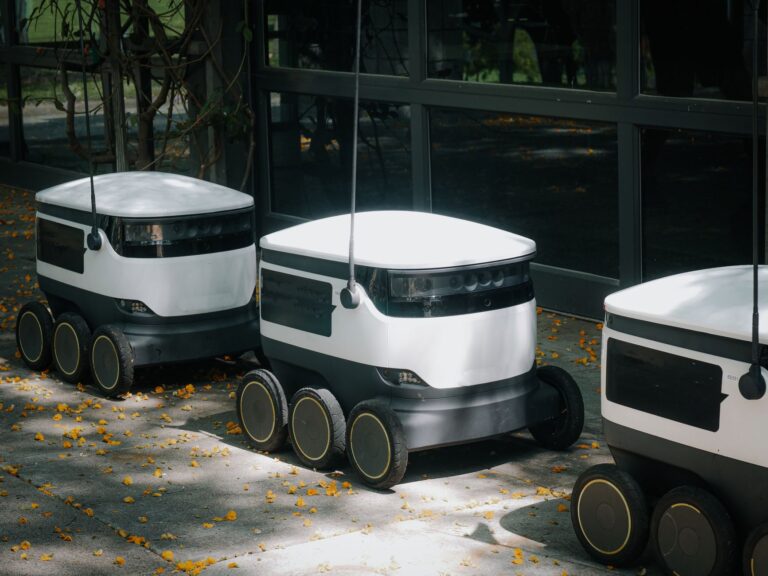
Learn to distinguish real driverless progress from supervised trials, weak crash comparisons, and unproven economics.

Learn how Beijing's road data and XPENG's world models fit together—and where technical claims still need proof.
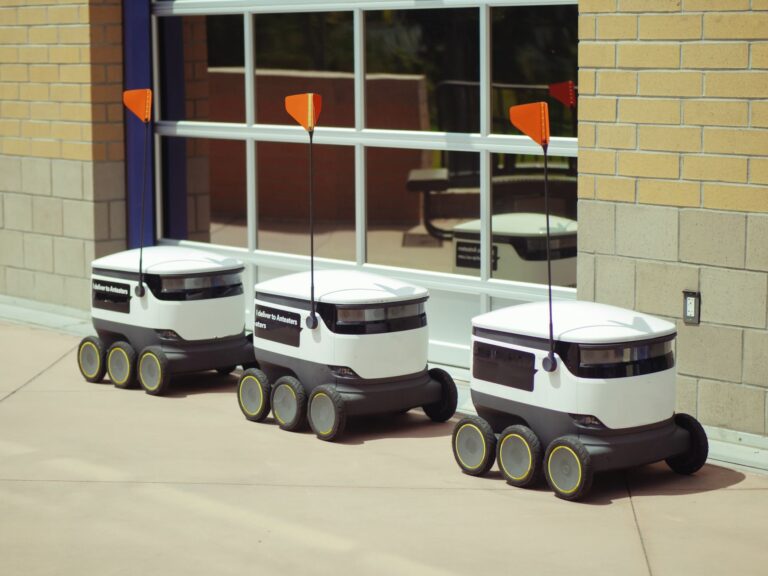
See what Powerlaw owns, how Shield AI fits autonomous defense, and which fund risks matter before investing.

See where Taiwan's chip ecosystem accelerates factory autonomy—and where integration, safety, and supply risks remain.

What the YFQ-44A test proved about autonomous weapons control—and what remains firmly in human hands.
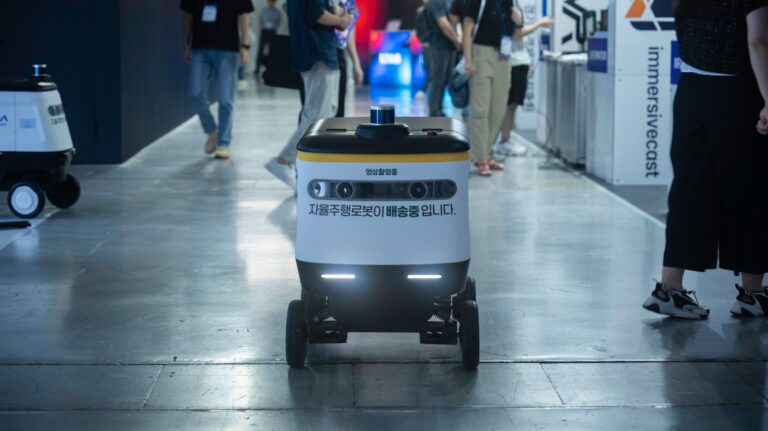
The funds target development of vehicle-grade autonomous driving solutions for heavy trucks in China's rapidly expanding self-driving logistics sector.
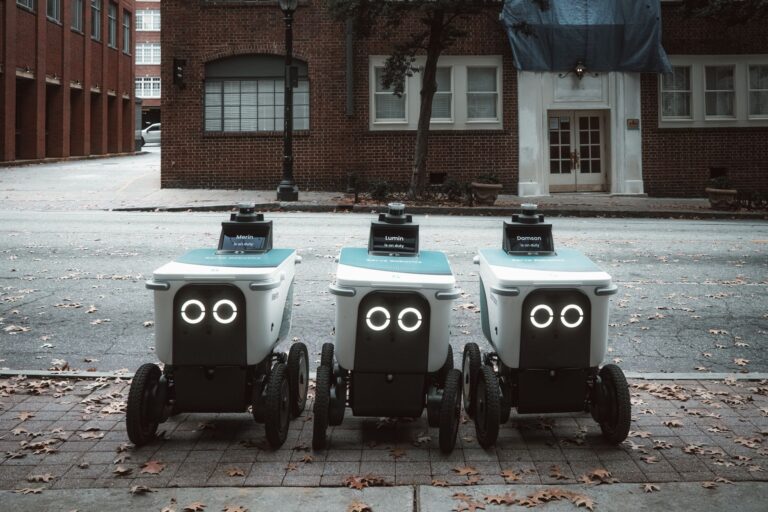
Autonomous trucking developers scale real-world testing on high-volume Sun Belt interstates, pushing toward commercial deployment while exposing genuine operational constraints.
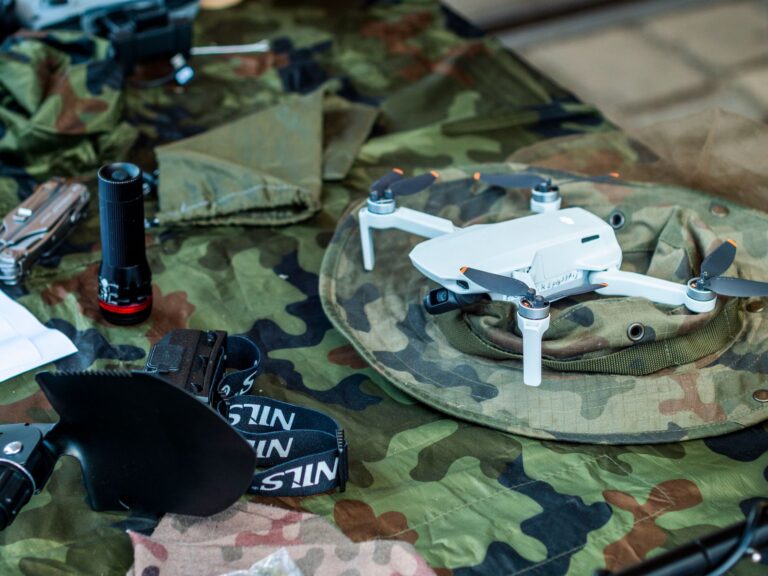
Autonomous wingman drones flying alongside manned fighters pass crucial tests for formation flight, threat response, and coordinated weapons delivery.
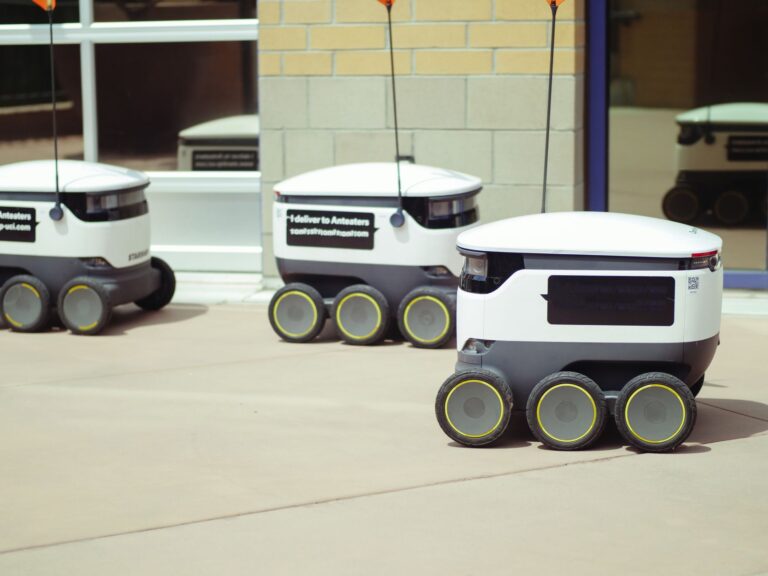
The autonomous delivery market reaches $939 million in 2026, but widespread adoption depends on geography, regulation, and distance-to-customer economics.