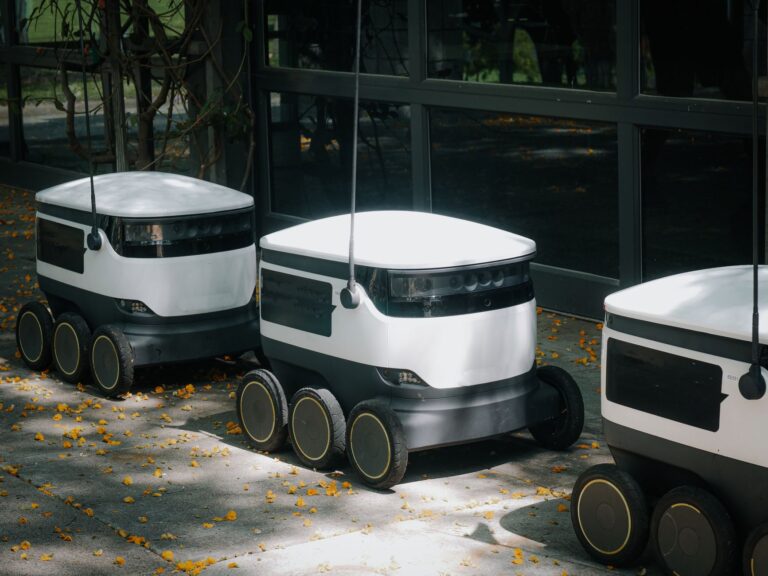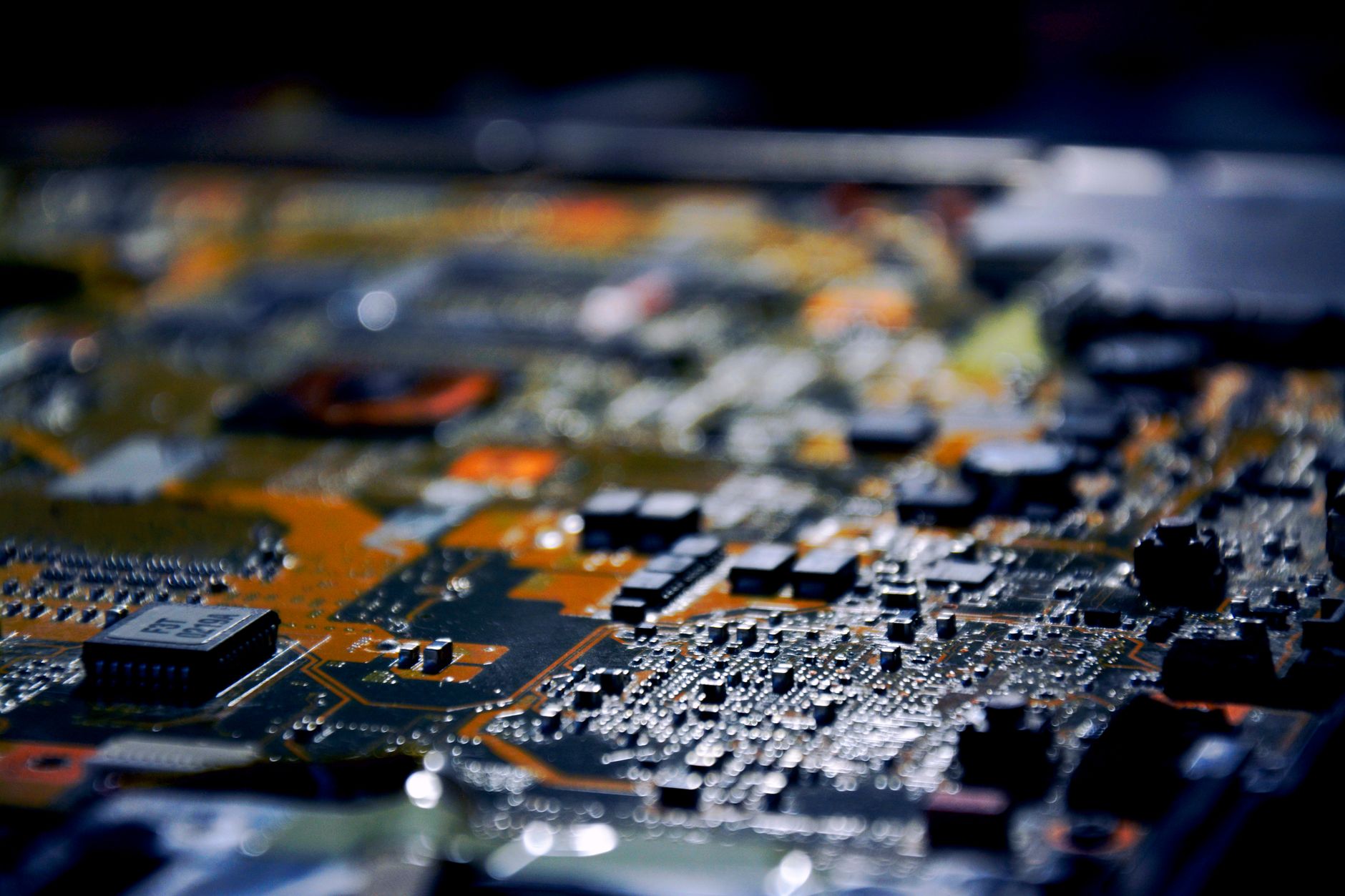

Taiwan's semiconductor infrastructure supports autonomous factory development by providing advanced chips, sensors, controllers, networking hardware, and manufacturing expertise. An autonomous factory uses connected machines, software, and robots to adjust production with limited human intervention. The advantage is an integrated supply base, not a ready-made path to full autonomy. Factory operators must still solve system integration, cybersecurity, safety, data quality, and workforce challenges.
Table of Contents
- Why semiconductor infrastructure matters
- Semiconductor plants are demanding proving grounds
- Which technologies benefit most?
- What limits autonomous factory deployment?
- How manufacturers should evaluate the opportunity
Why semiconductor infrastructure matters
autonomous equipment depends on several kinds of silicon. Robots need processors for motion control, image sensors for machine vision, memory for operating data, and power electronics for motors. Connected production lines also require networking chips and secure edge computers.
Taiwan's semiconductor ecosystem can support these needs across design, fabrication, packaging, testing, electronics assembly, and industrial hardware production. Close coordination between these activities can shorten prototype cycles and make component problems easier to diagnose. This infrastructure also helps developers move from a laboratory prototype to a manufacturable product. A design that performs well in one demonstration may still need different packaging, thermal management, connectors, or production tests before factories can deploy it reliably.
Semiconductor plants are demanding proving grounds
Chip production requires tight process control, consistent material handling, and careful contamination management. Those requirements create useful test cases for automated transport, machine vision, predictive maintenance, and equipment monitoring. For example, autonomous mobile robots can move materials between controlled work areas.
Vision systems can inspect components or confirm equipment states, while edge computers process sensitive production data near the machine instead of sending everything to a remote server. These plants also expose weak automation quickly. A navigation error, unreliable sensor, or delayed control signal can interrupt an expensive process. Technologies that succeed in this environment may transfer to electronics, battery, pharmaceutical, and precision-machining facilities, although each sector needs separate validation.
Which technologies benefit most?
Machine vision benefits directly from access to image sensors, processors, memory, and packaging expertise. Local processing can reduce response time when a robot must identify defects, measure parts, or stop near a worker. Industrial robotics also depends on power semiconductors, motor-control chips, encoders, and reliable communications.
Better components can improve motion precision and energy use, but mechanical design and control software remain equally important. The strongest near-term opportunities involve bounded tasks rather than unattended factories: These applications have clear inputs, measurable outputs, and defined fallback procedures. They are easier to validate than systems expected to make broad production decisions without supervision.
- Automated optical inspection with human review for uncertain cases
- Mobile robots operating on mapped, controlled routes
- Robotic loading and unloading of standardized equipment
- Condition monitoring for pumps, motors, and production tools
- Edge systems that detect process drift and recommend adjustments
What limits autonomous factory deployment?
Semiconductor capacity alone cannot create an autonomous factory. Machines from different vendors may use incompatible data formats, control protocols, and maintenance tools. Integration work can cost more time than installing the robots themselves. Operational data presents another constraint. Predictive systems need accurate records of failures and normal operating conditions. Rare faults, changed equipment settings, or poorly labeled maintenance events can produce confident but unreliable recommendations.
Cybersecurity and safety also require separate engineering. Connecting legacy machinery can expose equipment that was never designed for network access. Any autonomous system should have access controls, software-update procedures, event logs, safe stopping behavior, and a manual recovery process. Supply concentration creates an additional risk. Depending on one region or a single component source can disrupt maintenance and expansion. Buyers should qualify substitutes where practical and confirm how long critical chips, sensors, and controllers will remain available.
How manufacturers should evaluate the opportunity
Factory teams should begin with one costly, repetitive, and measurable problem. A focused pilot provides better evidence than a broad "smart factory" program with unclear ownership.
Before selecting technology, check: Taiwan's ecosystem is most valuable when a project needs rapid hardware iteration or coordinated work across chips, modules, electronics, and production equipment. The practical first step is to document one production bottleneck, its failure modes, and its current cost before requesting an autonomous solution.
- Whether the task and operating area are stable enough to automate
- Which sensors, chips, controllers, and communications interfaces are required
- Whether replacement components have qualified alternatives
- How the system behaves when data, power, or connectivity fails
- Who can override, repair, update, and audit the equipment