Why the Bull Case for Knightscope Stock Is Autonomous Security Robotics Adoption
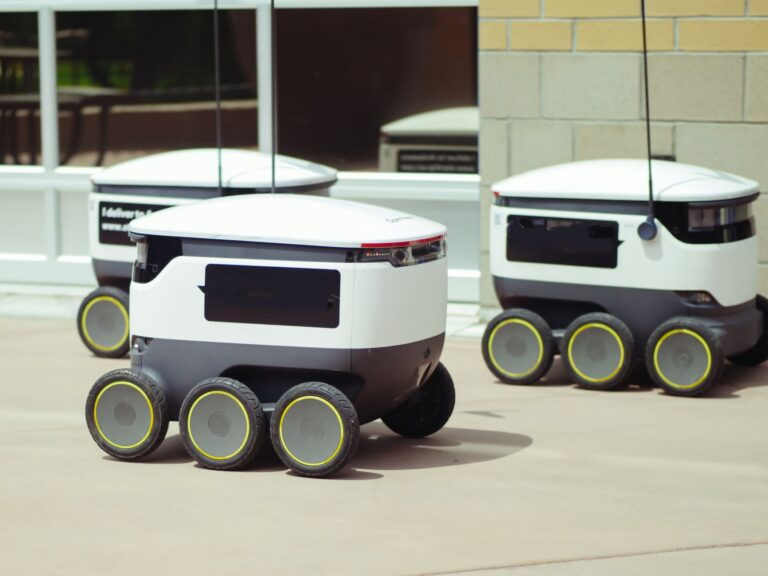
Knightscope's autonomous security robots aren't competing against human guards—they're filling the gap where hiring has failed and labor economics no longer work.
Conferences, trade shows, competitions, expos
Knightscope's autonomous security robots aren't competing against human guards—they're filling the gap where hiring has failed and labor economics no longer work.

The company's bull case rests on two interconnected growth drivers: expanding U.S. and allied defense budgets increasingly directed toward unmanned...

Arbe's imaging radar tackles a genuine weakness in autonomous robot perception: operating reliably when cameras and LiDAR fail.
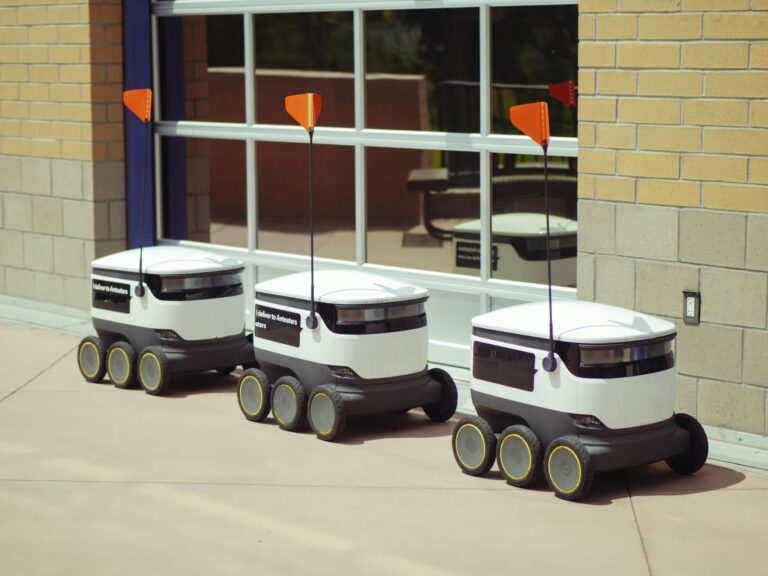
Deepwater infrastructure generates recurring demand for robotics and subsea services, creating a structural growth vector independent of exploration drilling cycles.

Texas Instruments' robotics semiconductor exposure explains Q1 2026's 19% stock surge and a bull case for further gains as demand accelerates.

In early 2026, Stryker launched Mako RPS, a handheld version of its robotic knee surgery system, designed to reach ambulatory surgery centers (ASCs),...
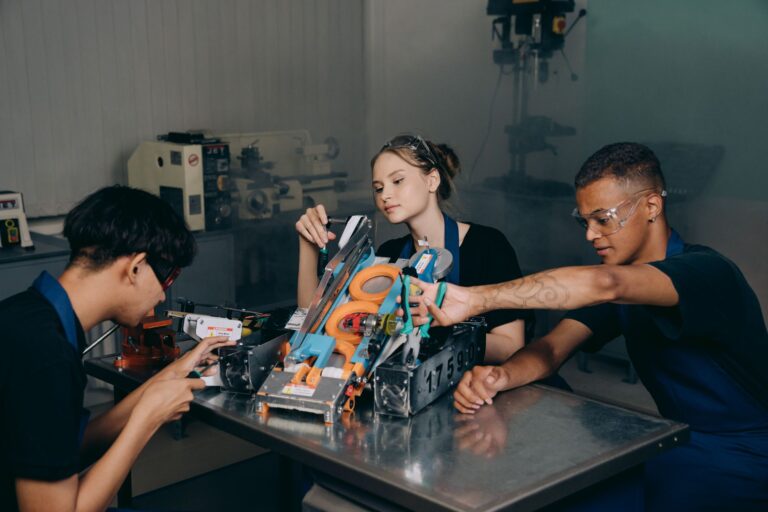
RTX's military robotics programs are already in development—not future promises, but contracts with deployment timelines.
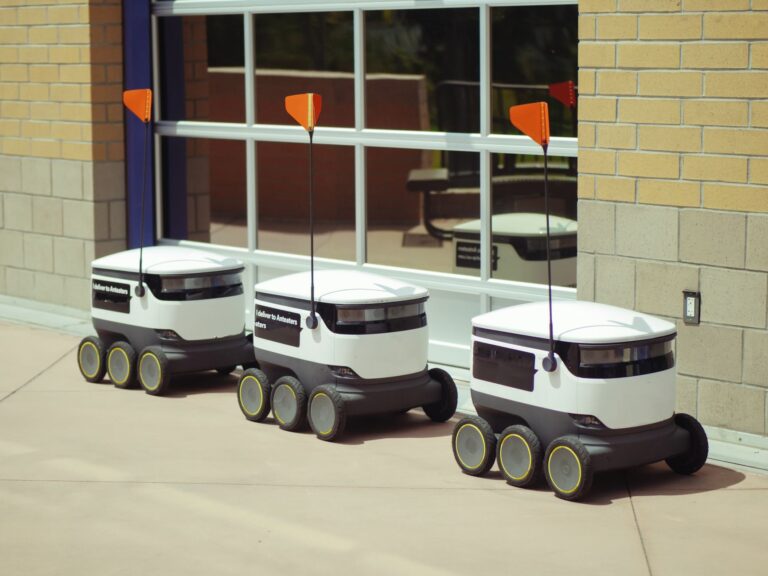
Pentagon planning to buy up to 1 million drones drives AeroVironment's record revenue growth and expands its multi-year backlog.
John Deere's dealer network and data platform create structural advantages that make autonomous farming robots a natural next revenue stream for the company.

Zebra's exit from robotics hardware paradoxically strengthens its bull case: machine vision and tracking demand is accelerating, and Zebra now sells the software layer that powers automation.