Drone swarm defense: how electromagnetic launchers reduce interception expenses
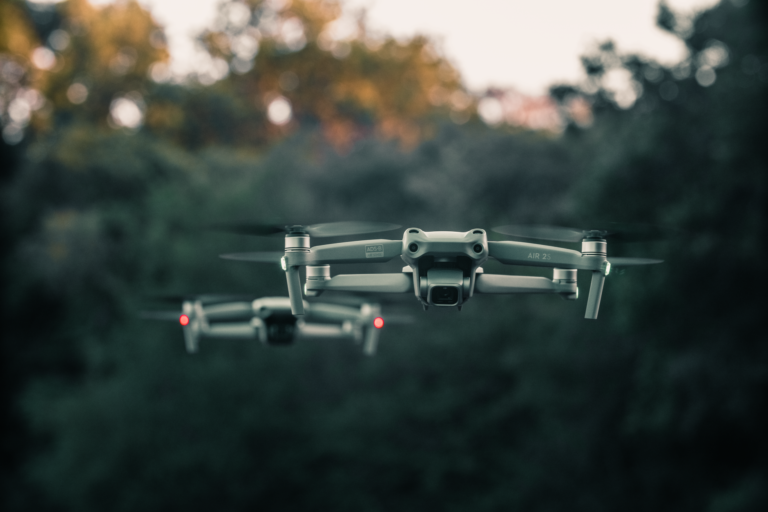
Electromagnetic launchers cut the cost of drone interception by replacing expensive missiles with electricity and steel projectiles.

Electromagnetic launchers cut the cost of drone interception by replacing expensive missiles with electricity and steel projectiles.
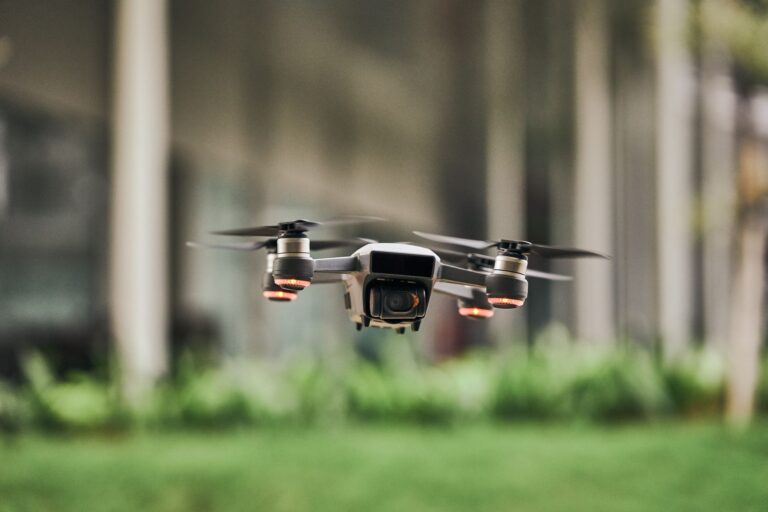
Unmanned aircraft detection and countermeasure systems face expanding demand at critical infrastructure, airports, and major events, driven by evolving regulations and genuine security concerns.

Humanoid robots transition from laboratory prototypes to 15,000-unit production runs as enterprises integrate autonomous systems into real manufacturing facilities in 2026.

MDAI emerged as a formal regulatory classification in June 2025, making it foundational early-stage standard for AI-enabled medical devices.
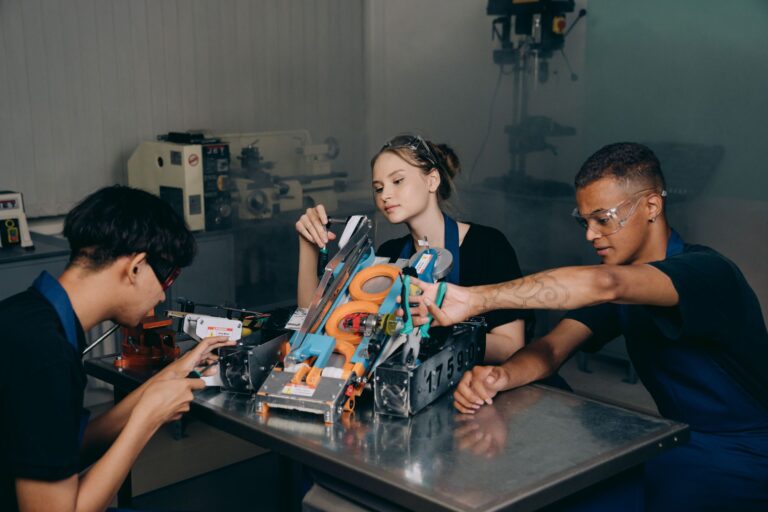
Pudu Robotics wins WAIC's top investor award as it debuts semi-humanoid robot and reveals ambitions beyond wheeled delivery systems.

More than 300 next-generation humanoid robots debuted at Shanghai's WAIC 2026, signaling a shift from prototype demonstrations to production-ready industrial systems.
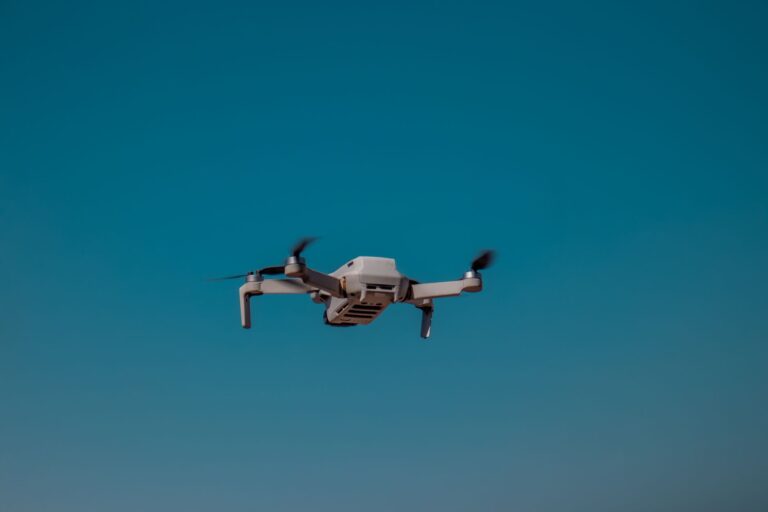
Unmanned aircraft have become a disruptive force against Caspian oil pipelines and tankers, forcing energy operators to rethink infrastructure security and operational strategy.

Collaborative robots, AI-powered quality systems, and autonomous factory logistics are fundamentally restructuring how manufacturing plants operate and organize labor.
At $461.85 per share as of July 17, 2026, the stock trades just under the analyst consensus fair value of $462.17, placing it near equilibrium despite...

Security robotics has potential, but Guardforce AI must prove unproven unit economics in a market still defining what adoption looks like.