Why RTX Is a Long Term Military Robotics Play

RTX controls the foundational technology layer that military robotics programs depend on, regardless of which autonomous platform wins the competition.
RTX controls the foundational technology layer that military robotics programs depend on, regardless of which autonomous platform wins the competition.

Military contracts fund AeroVironment's innovation while locking in reliable revenue, creating advantages competitors without defense portfolios struggle to match.

UiPath dominates software robotics through automation depth, enterprise governance, and ecosystem maturity that smaller platforms cannot match.
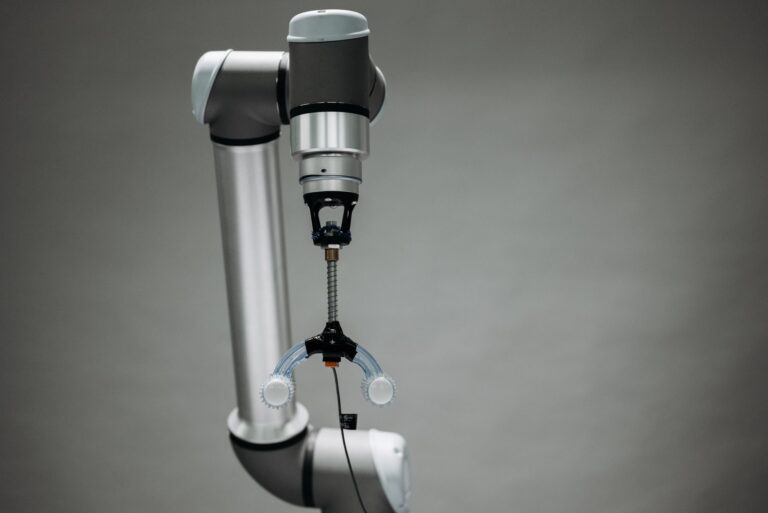
Teradyne dominates cobots and mobile manipulation, but Wall Street treats its robotics business like an afterthought.
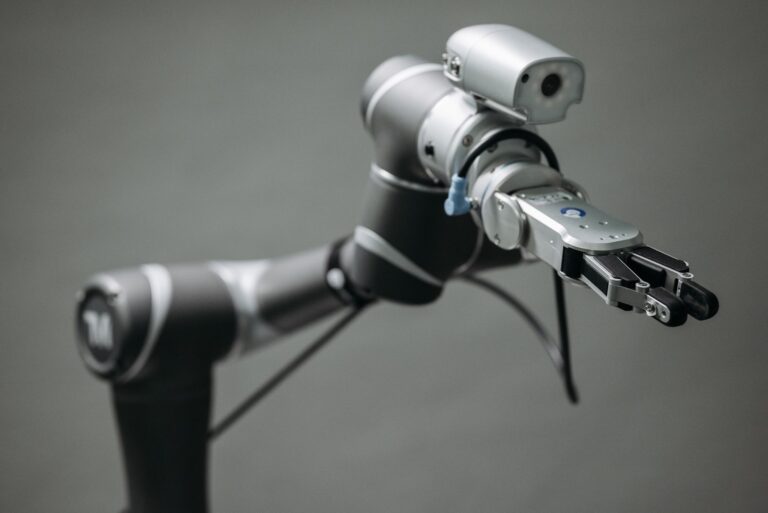
Unlike consumer-grade cameras or isolated computer vision systems, Zebra's hardware and software stack handles the full pipeline from capture to...
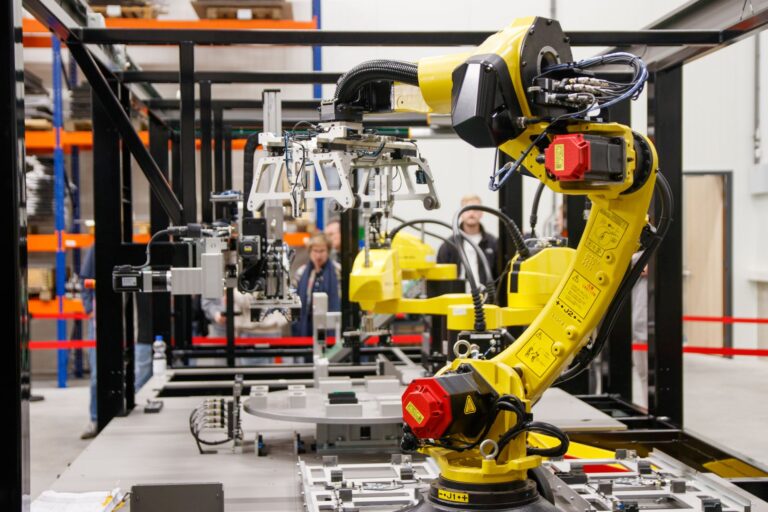
Rockwell Automation dominates factory robotics through software integration and decades of manufacturing relationships, not flashy hardware alone.

ABB's grip on industrial robotics stems from vertically integrated manufacturing, cross-industry expertise, and decades of automation leadership.

da Vinci's clinical dominance, consumables lock-in, and margin advantage created an insurmountable competitive moat that still holds despite well-funded rivals.
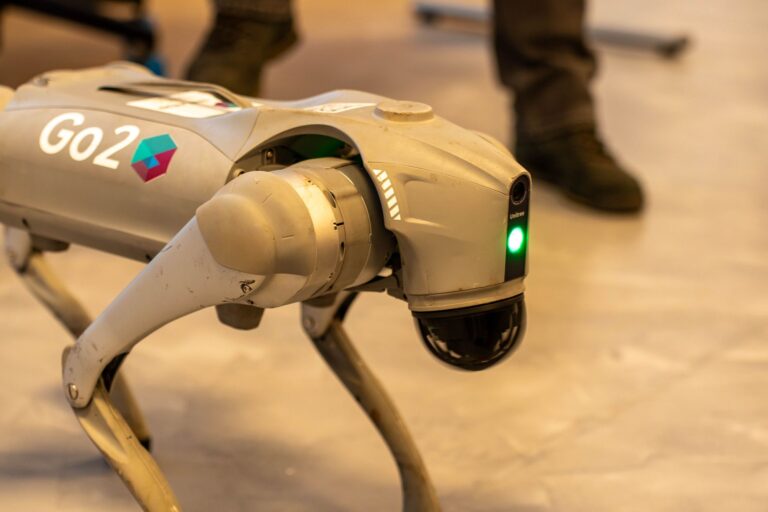
NVIDIA controls the GPU infrastructure powering 110+ robot developers and 2 million AI engineers worldwide.
Robotics SPACs trading below NAV reveal management credibility and market repricing—not always poor investments, but high-risk ones requiring discipline.