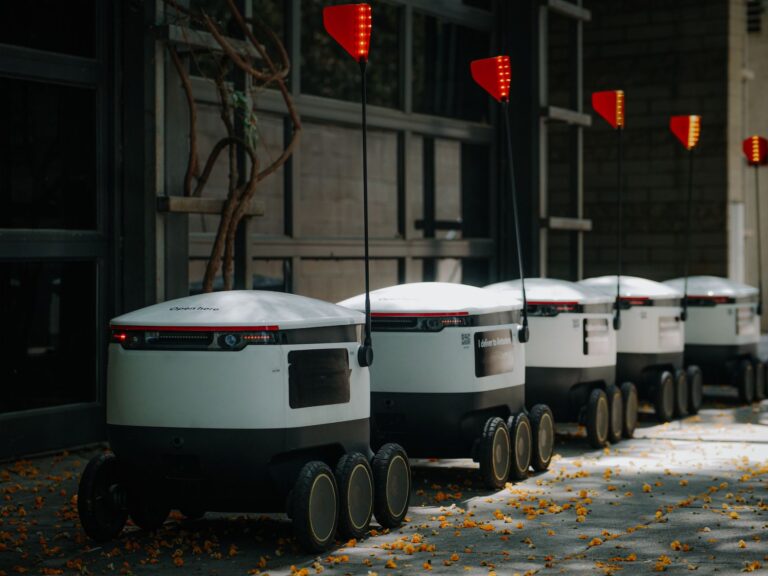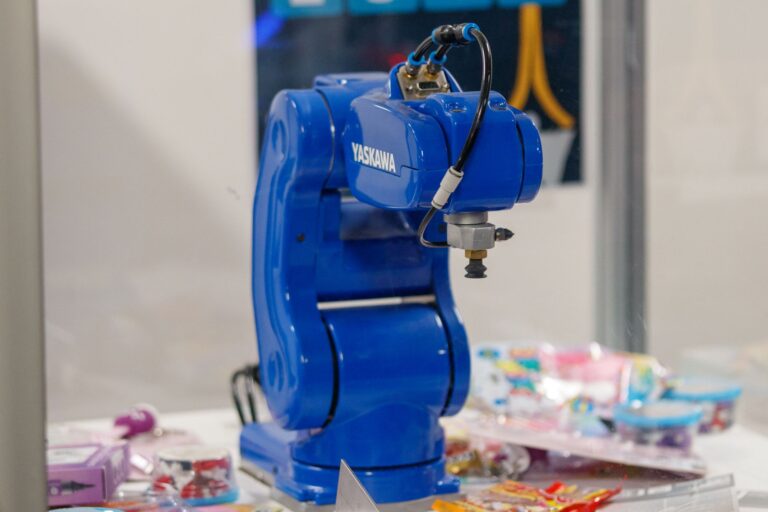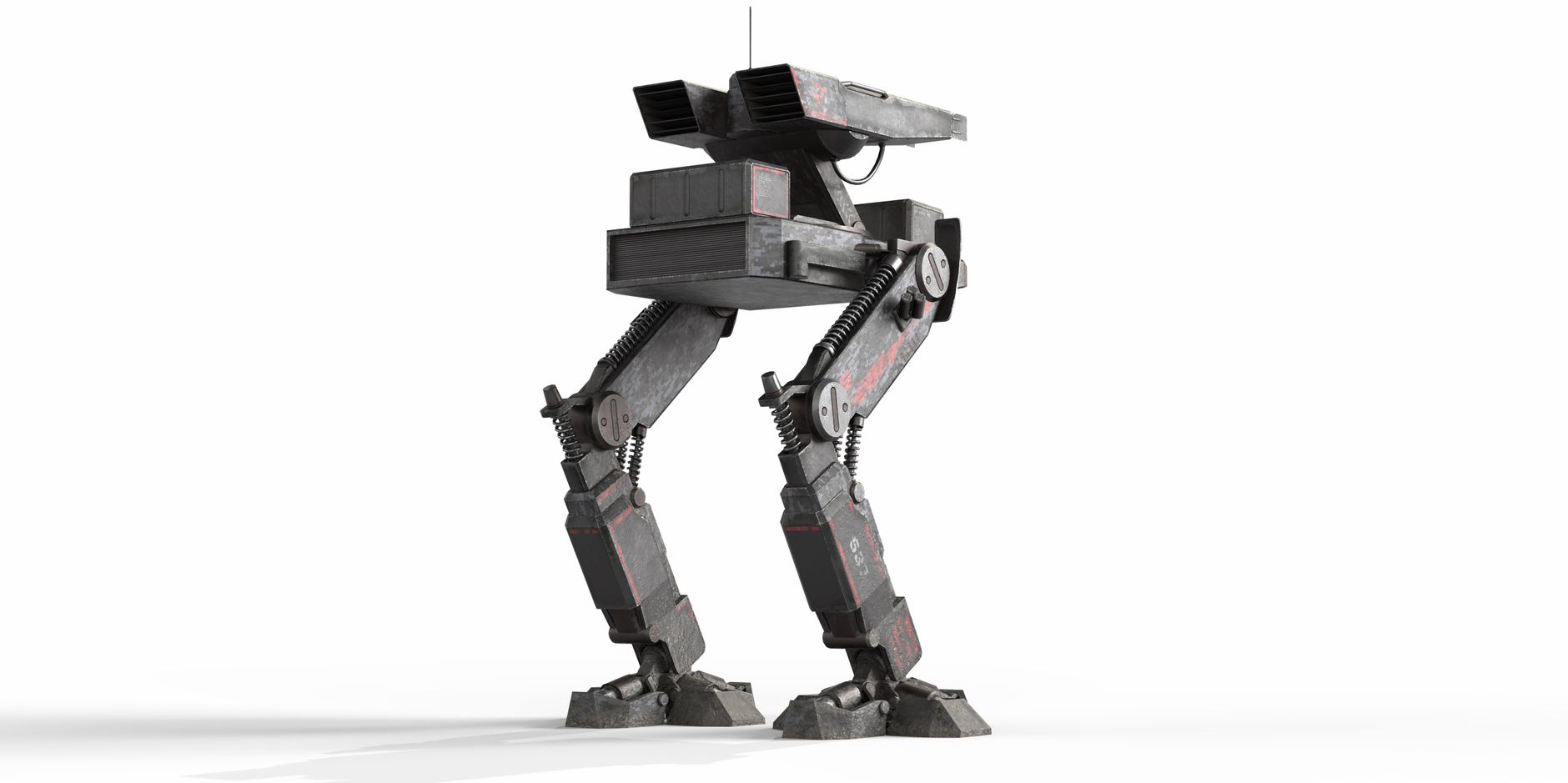

Military uses of miniaturized robots focus on seeing, sensing, and handling danger without sending people forward. These small machines — hand-size flying drones and toy-size ground crawlers — scout rooms, tunnels, and terrain ahead of troops. They carry cameras, heat sensors, microphones, and sometimes small grippers. Commanders use them to extend awareness, check hidden spaces, and buy time for decisions.
Table of Contents
- Why shrink robots for military work?
- How do tiny robots scout and watch?
- How do they handle bombs and hazardous material?
- Where do small military robots fall short?
Why shrink robots for military work?
A small robot can go where people and vehicles cannot. It can slip under a door, move through rubble, fly over a wall, or sit quietly on a ledge. That access lowers risk for scouts and point teams.
Small size also means easy carry and fast launch. A soldier can pack one in a pouch, toss a crawler into a room, or hand-launch a micro-drone in seconds. Larger systems need vehicles, runways, or crews.
- Access: enters buildings, culverts, trenches, and dense brush
- Stealth: harder to see and hear than people or trucks
- Cost of loss: losing a small scout beats losing a team
How do tiny robots scout and watch?
The core job is close reconnaissance. A micro-drone hovers outside a window or flies down a hallway and sends back live video. A ground bot crawls ahead of a patrol and checks corners, stairwells, and basements. These views help teams spot ambushes, find hidden paths, and track movement around compounds.
Sensors add detail in dark or dusty places where eyes fail. Heat detection finds warm bodies, while audio picks up motion behind cover. Operators usually stay nearby and steer by screen. Short range keeps control tight and video delay low. The payoff is simple: see first, then decide how to move.
How do they handle bombs and hazardous material?
Small robots check suspicious objects before people approach. A crawler with a camera circles a package, reads markings, and looks for wires or triggers. An arm or hook can lift clothing, open a bag, or drag an item clear. They also sample danger from a distance.
Chemical, radiation, and air-quality sensors warn teams about leaks, smoke, or contamination. That early warning shapes protective gear, evacuation routes, and cleanup plans. Limits matter here. Tiny arms lift little weight and cannot match human dexterity. Jamming, weak signals, and dead batteries can cut a mission short.
Where do small military robots fall short?
Endurance is the main limit. Small batteries support short flights and brief crawls, not all-day patrols. Wind pushes micro-flyers off course, rain blinds lenses, and thick walls block radio links. Autonomy is narrow.
Many need steady human control and clear signals. Obstacles like wire, mud, stairs, and tall grass can trap ground units. Adversaries can also spot, jam, or capture them. Practical users plan around those edges. Carry spare batteries, keep line-of-sight when possible, pair air and ground views, and treat each sortie as a quick look rather than constant watch.