How Do Food Robotics Companies Validate Allergen Cleaning Protocols?
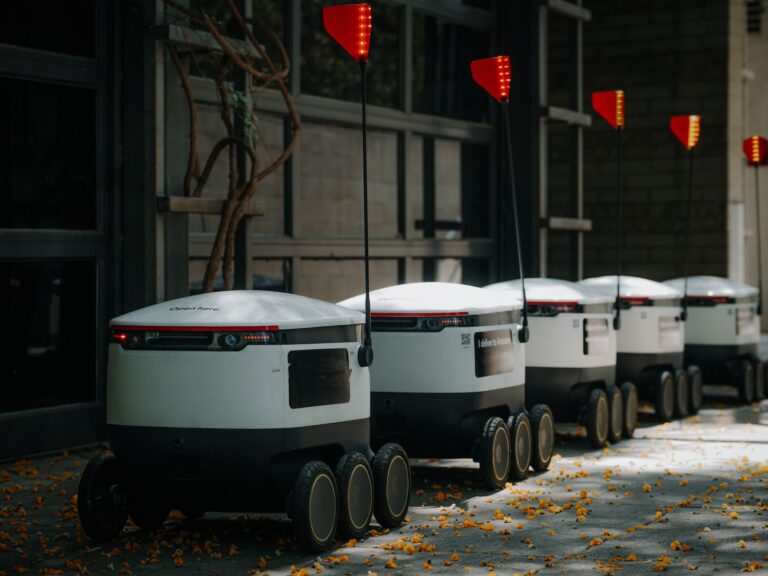
Swab tests, ELISA kits, and worst-case wash cycles are how robotics makers prove a changeover actually removed allergen residue, not just dirt.
Kitchen automation, food prep robots, baristas
Swab tests, ELISA kits, and worst-case wash cycles are how robotics makers prove a changeover actually removed allergen residue, not just dirt.

A station-by-station guide to when a caged industrial arm beats a cobot on a bottling line, and when the reverse is true.
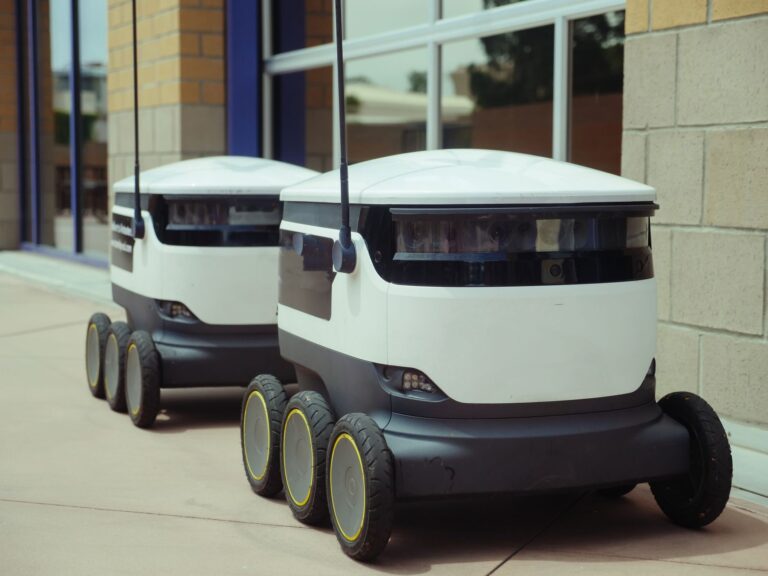
A single robot quote hides most of the bill — tooling, vision, and washdown ratings routinely cost more than the arm itself.
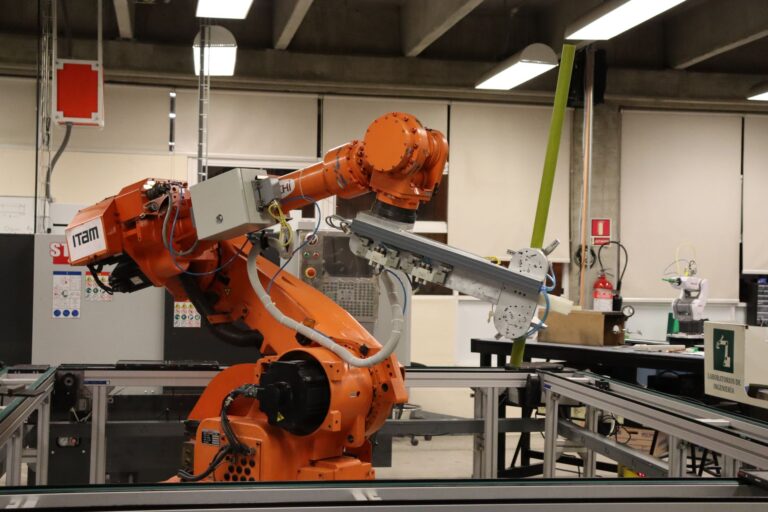
IP69K certifies water resistance alone; food robotics lines need EHEDG, 3-A, or FDA-material compliance layered on top of it.
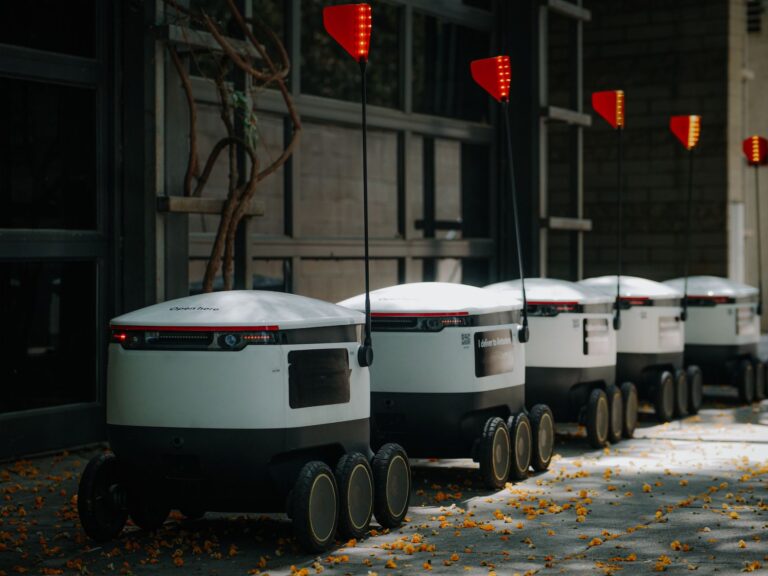
Three market reports size food-grade robot grippers differently — here's what's actually driving demand and how to read the numbers.
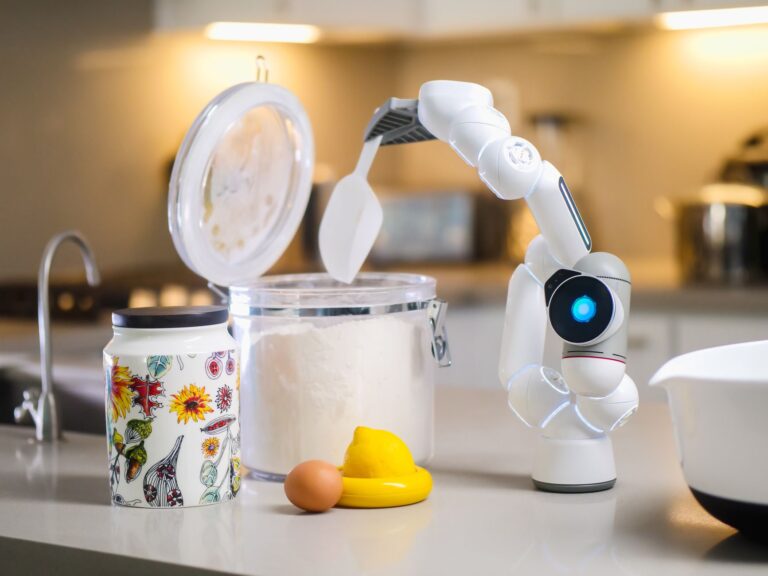
Chef Robotics pairs NVIDIA's Isaac simulation and perception tools with robotic arms to grip food items that vary in shape and texture.
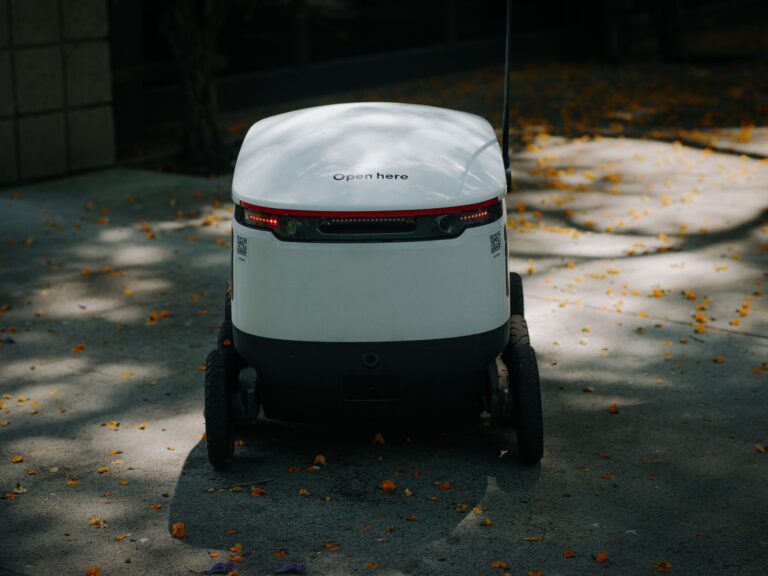
Check certificate scope, food-code compliance, and deployment proof before trusting a food robot claim.
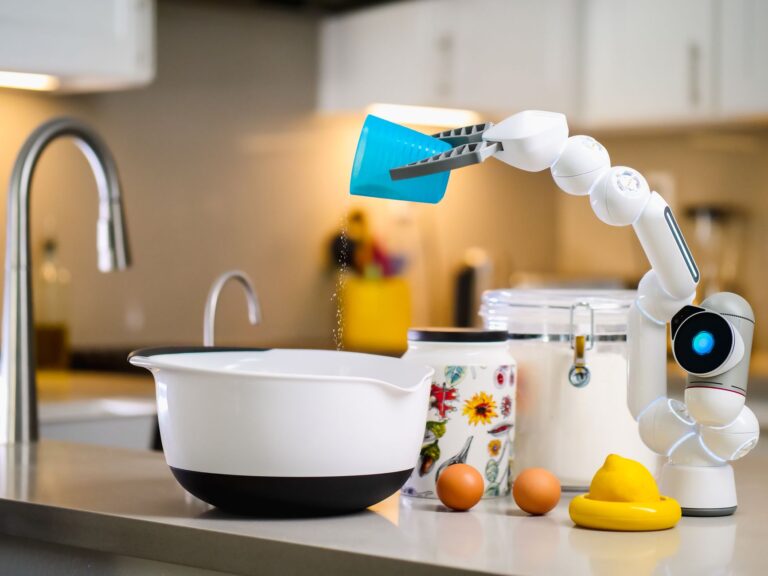
See which safety rules, materials, and proven fry and bowl robots fit tight restaurant operations.
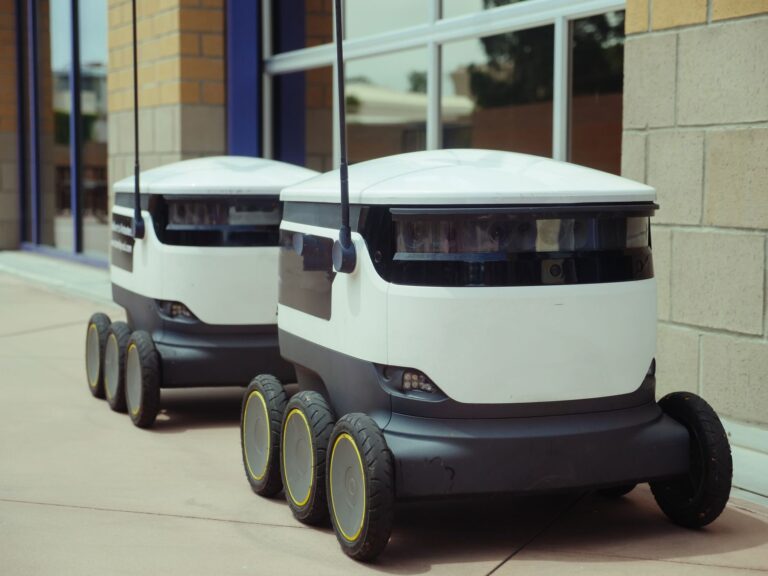
A practical guide to selecting, sanitizing, safeguarding and recovering food and beverage robot systems.
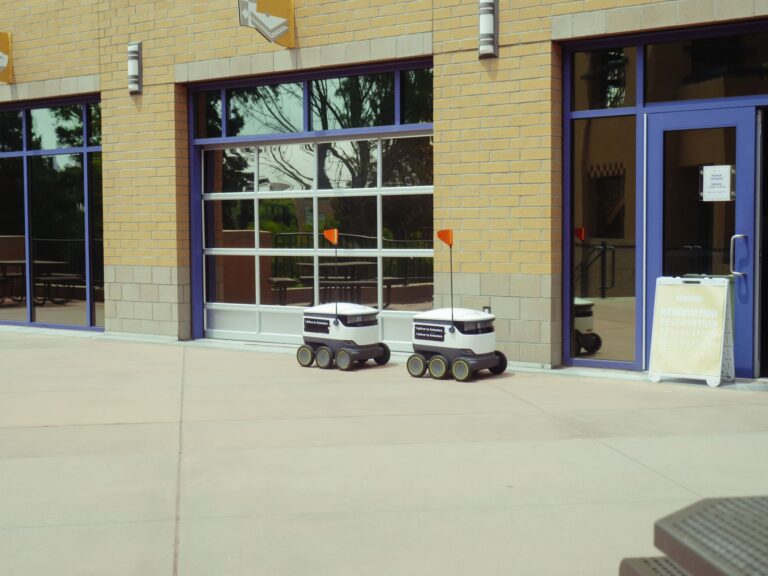
September's food robotics advances show faster kitchens and smarter farm machines, but reliability, cost, and human effects still shape adoption.