Robot Programming Business Case: Productivity, Staffing, and Payback

Learn how programming costs shape payback and how to plan robot tasks for output and staffing relief.
Learn how programming costs shape payback and how to plan robot tasks for output and staffing relief.

A breakdown of the 2026 robotics programming stack — from GR00T's teleop-to-deployment pipeline to the ROS 1 support deadline that already passed.
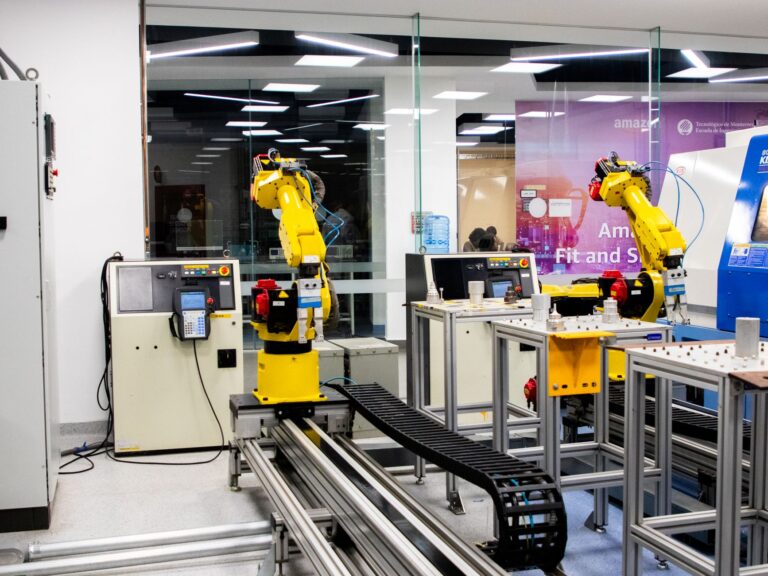
A five-question checklist for separating autonomous robot demos from teleoperated ones, built from documented 2025-2026 disclosures and disputes.
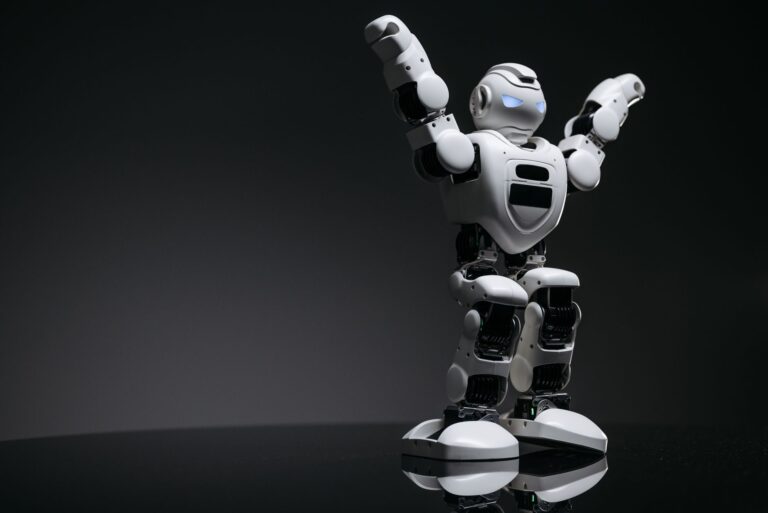
ROS 2's certified safety path and NVIDIA's hybrid Isaac stack show the ROS-vs-proprietary choice now has a documented middle ground.

Degree requirements for robotics programming jobs split sharply by role level — here's which credential actually matches each tier.

Timelines range from a one-week FANUC certificate to a four-year degree — the right answer depends on which robot skill you actually need.

Industrial robot arms run on seven-plus proprietary languages by brand, so the real choice is vendor language versus Python/C++ cross-platform tools.
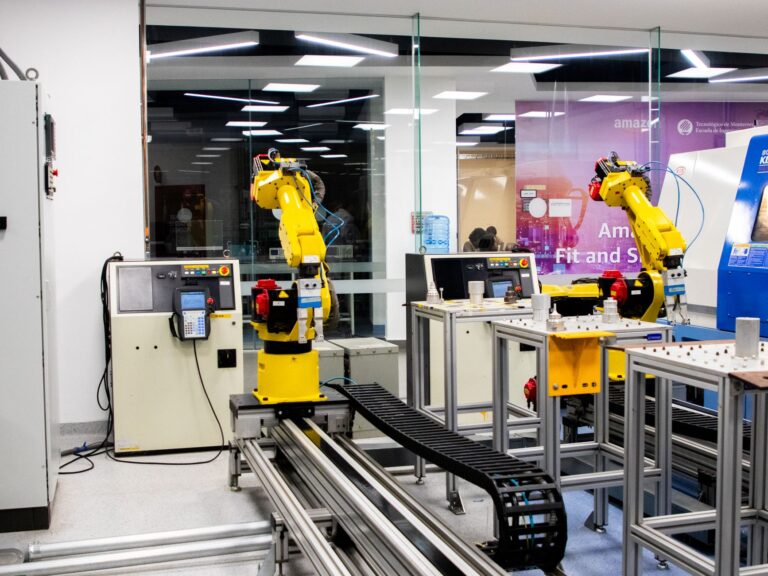
Breaks down why offline simulation avoids line downtime while online teach-pendant methods still win for quick, one-off robot jobs.
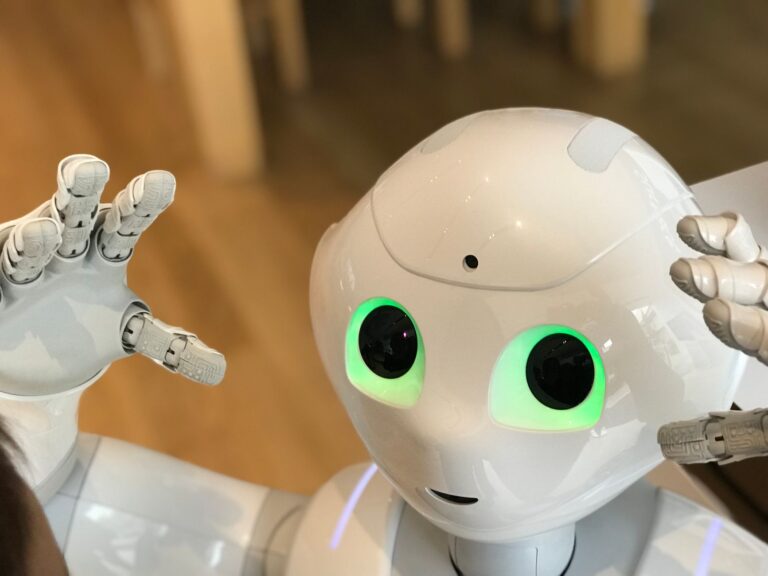
Compare FANUC's $1,936 base training rate against the $2,000-$2,500 charged by authorized partners, plus the real math on group versus individual training.
Pick the right ROS 2 distro, languages, and safety basis before you write robot control code.