Children’s robotics camps build coding and engineering competency for future careers

Learn how to assess robotics camps, match projects to a child, and turn short-term activities into durable technical skills.
Job automation, workforce impact, human-robot teams
Learn how to assess robotics camps, match projects to a child, and turn short-term activities into durable technical skills.

Ohio is testing autonomous dump trucks positioned behind highway work crews to absorb vehicle strikes and reduce worker fatalities as crashes spike.

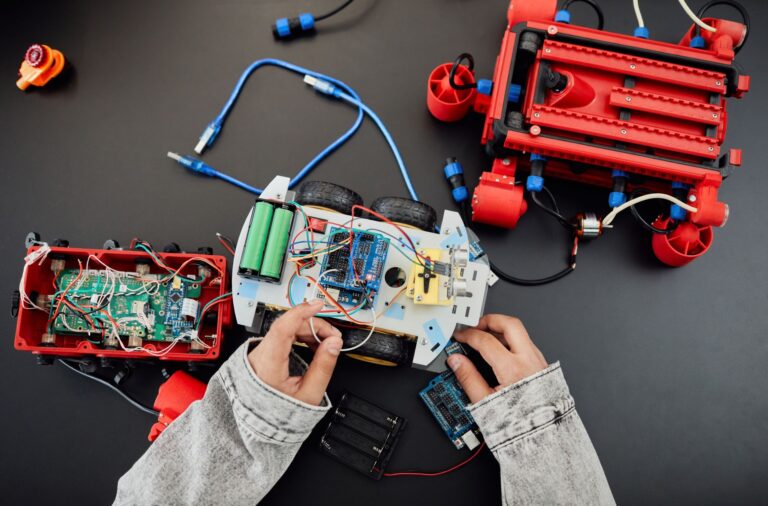
Robotics camps combine coding with hands-on engineering challenges, building competency through real-world problem-solving instead of abstract tutorials alone.
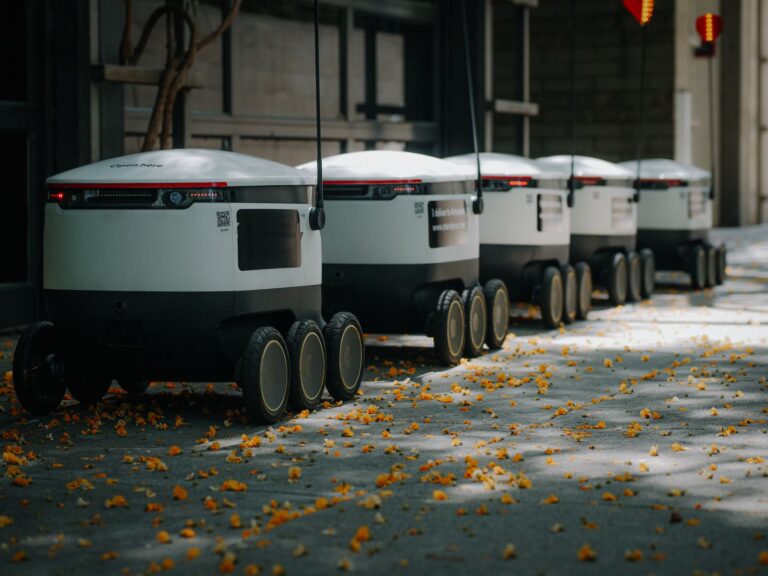
Robotic systems are removing highway workers from dangerous traffic zones by handling repetitive maintenance tasks remotely, reducing a leading cause of work-zone fatalities.
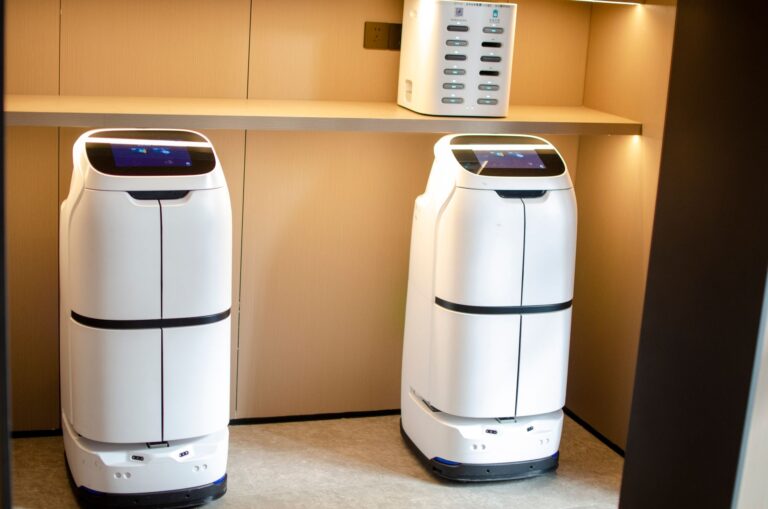
Hyundai's robotics initiatives position the company to compete across manufacturing, autonomous systems, and logistics—not just in vehicles.

Combining radar's all-weather range with visual confirmation creates drone detection systems that neither sensor type could achieve alone.
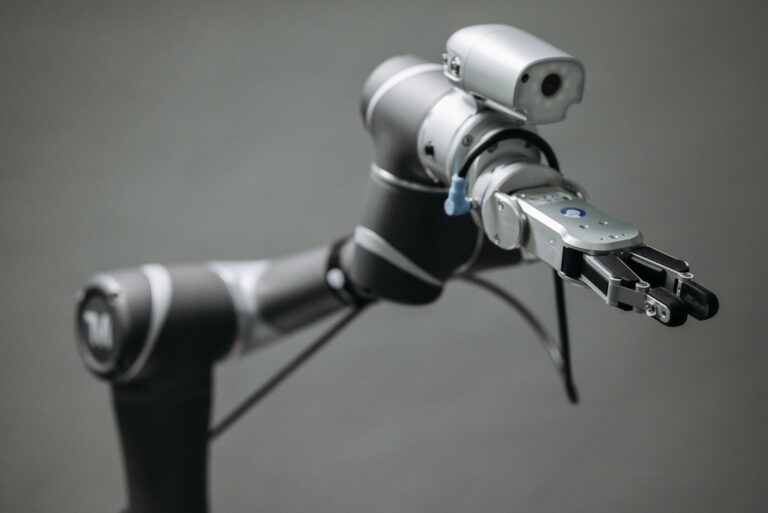
Automation leaders in life sciences aren't just improving their own operations—they're reshaping what the entire industry considers standard practice.
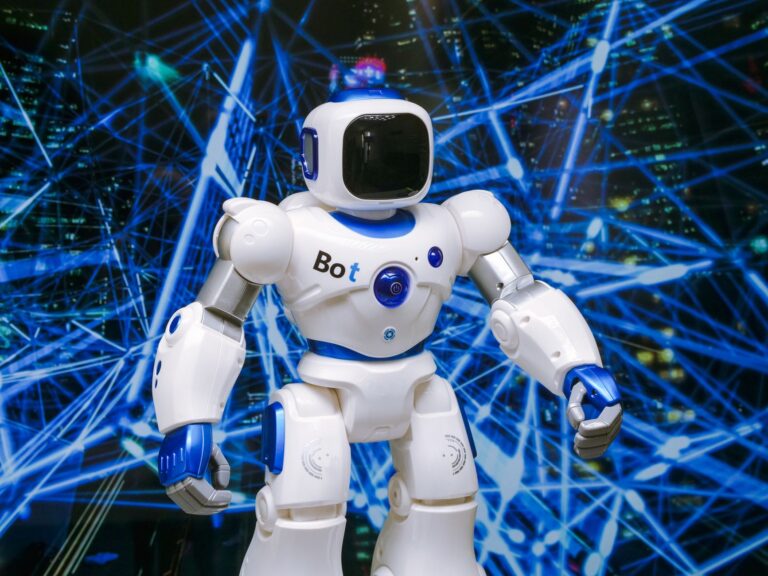
Humanoid robots show promise for replacing humans in mining, chemical work, and nuclear facilities where current technology cost and technical limitations still block widespread deployment.
Drone automation systems are displacing fireworks as municipalities discover safer, reusable alternatives for holiday celebrations and large public events.

Embodied AI systems operating in real warehouses, hospitals, and factories are no longer experimental. The global market has reached $4.44 billion with growth projections to $23 billion by 2030.