Campus delivery robots discontinued at Wichita State University operations end
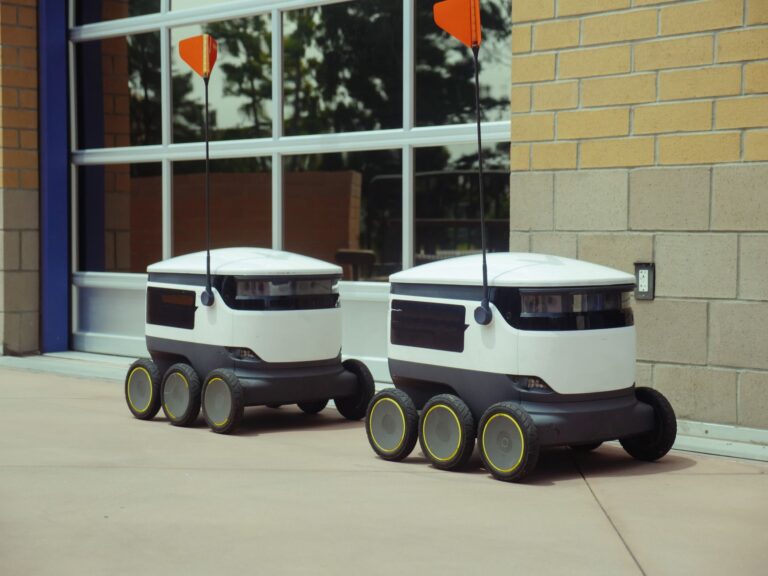
Wichita State's discontinued campus delivery robots reveal why university automation programs often fail to meet expectations.
Commercial cleaning, floor scrubbers, window cleaners
Wichita State's discontinued campus delivery robots reveal why university automation programs often fail to meet expectations.
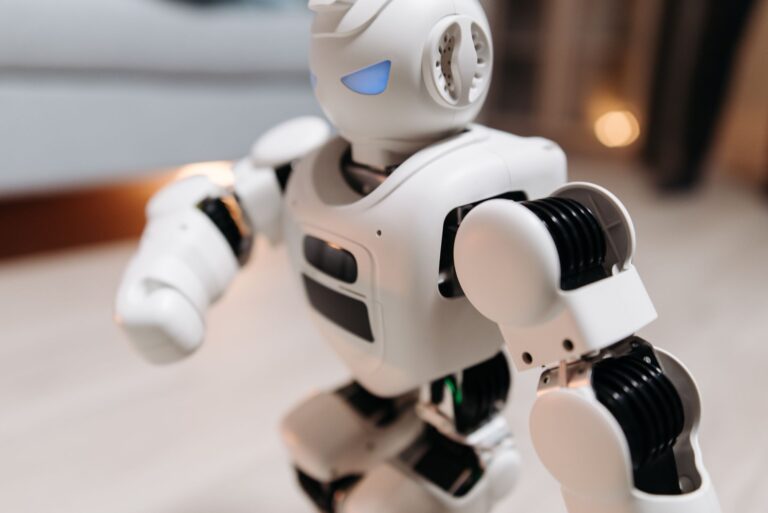
Humanoid robots are reshaping how manufacturers approach complex assembly tasks, with potential applications emerging across the automotive sector.
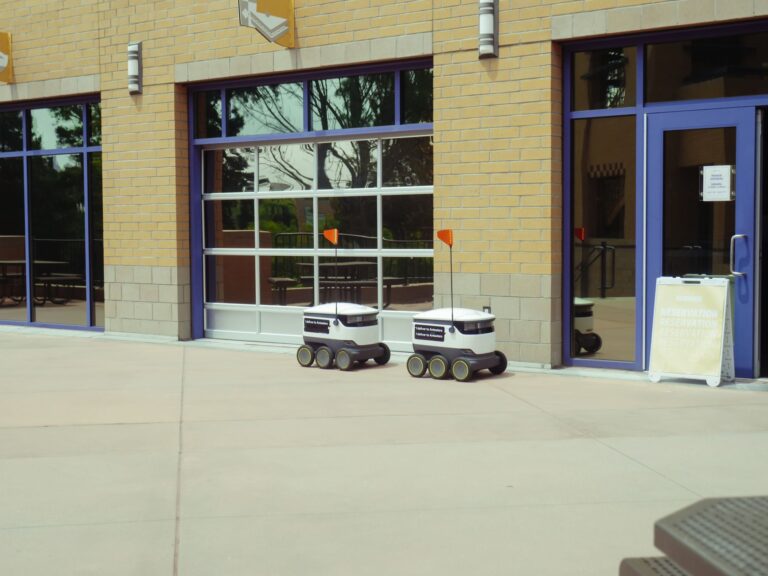
Robotic window cleaners work in ideal conditions but remain limited by weather, building geometry, and maintenance challenges.
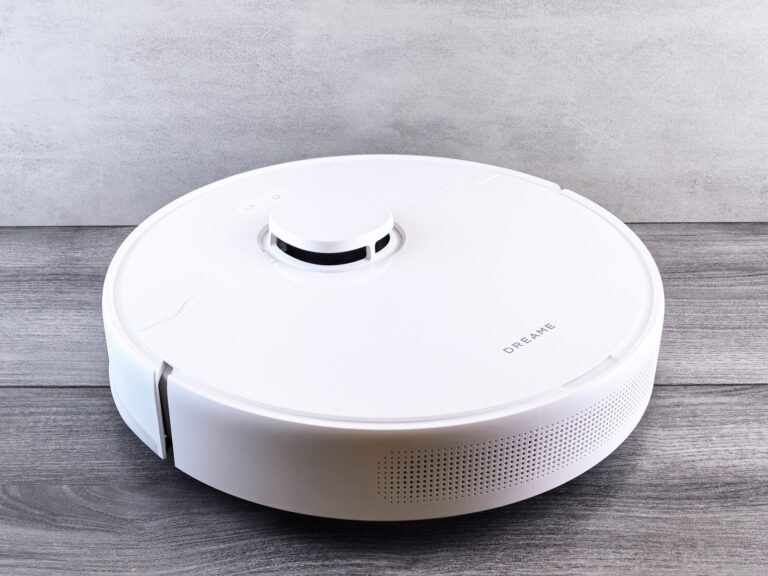
SwitchBot's hybrid robot vacuum-stick cleaner tackles storage and convenience, but shared batteries and performance trade-offs define real-world use.
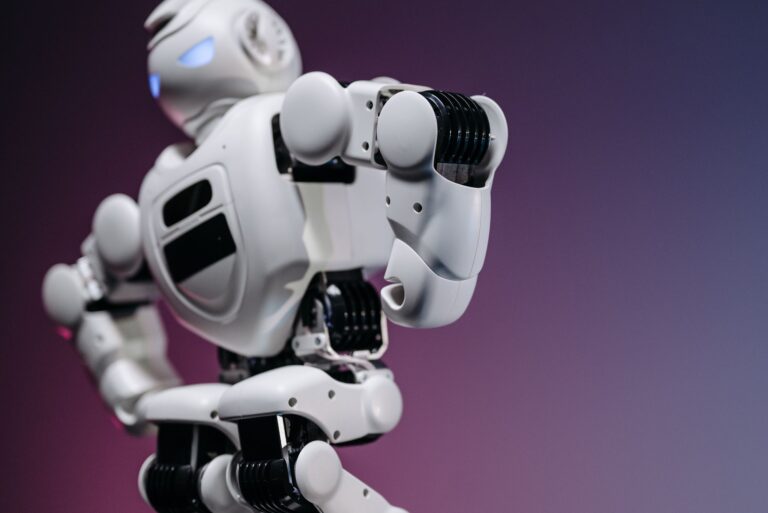
Humanoid robots are entering US automotive plants, but real-world deployment reveals tradeoffs in cost, speed, and dexterity that hype often obscures.
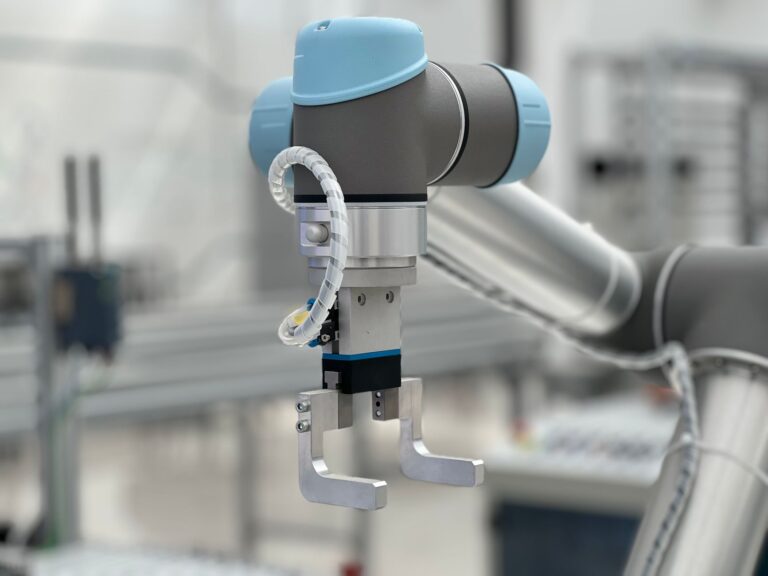
Robots now pay for themselves in two to three years while multiplying production output and quality consistency.
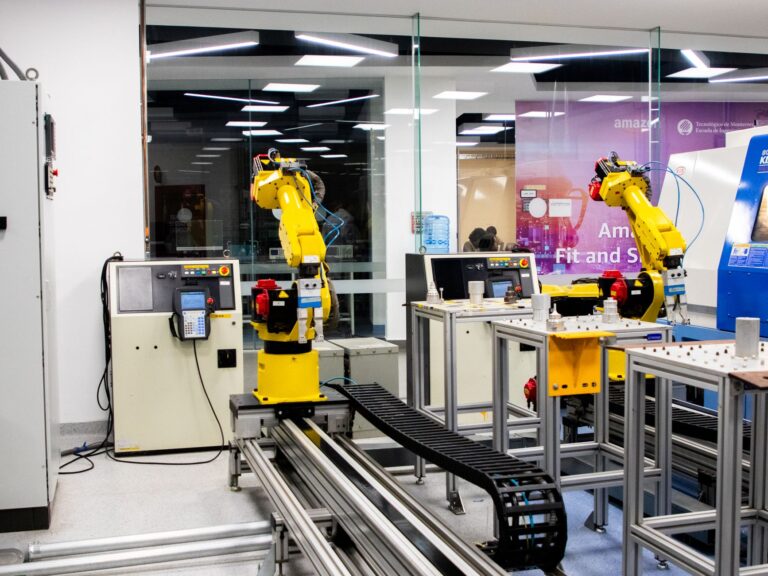
Two segments — servo motion control and industrial robots — carry Yaskawa's entire turnaround thesis. Here's where it holds and where it cracks.
Autonomous policing robots show promise for niche tasks, but institutional and technical barriers block KSCP from dominating the market like Google did search.

Teradyne can reasonably be called the next Nvidia of collaborative robotics, but not in the way you might expect.
FANUC deserves the comparison to Nvidia because it occupies the same architectural position in factory robotics that Nvidia does in AI infrastructure—a...