Ukraine and European Union establish manufacturing partnership for advanced military drone systems

A practical guide to separating a drone-manufacturing announcement from funded, testable production capacity.
Controllers, actuators, feedback systems
A practical guide to separating a drone-manufacturing announcement from funded, testable production capacity.

DC proposes $6 million upfront licensing for robotaxi operators, plus per-mile taxes, restricting fleets to 200 vehicles and delaying paid service until 2028.
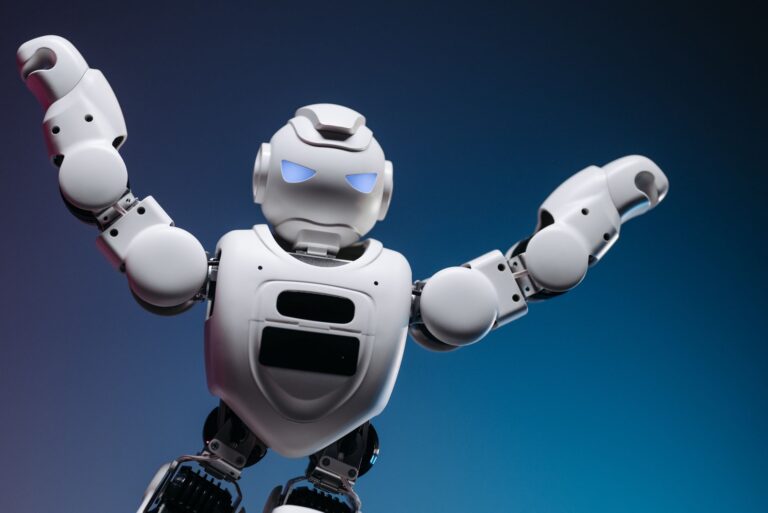
The KAIST HOUND quadruped learns diverse gaits autonomously, achieving 6 m/s on stairs without requiring terrain-specific programming.

Ohio is testing autonomous dump trucks positioned behind highway work crews to absorb vehicle strikes and reduce worker fatalities as crashes spike.
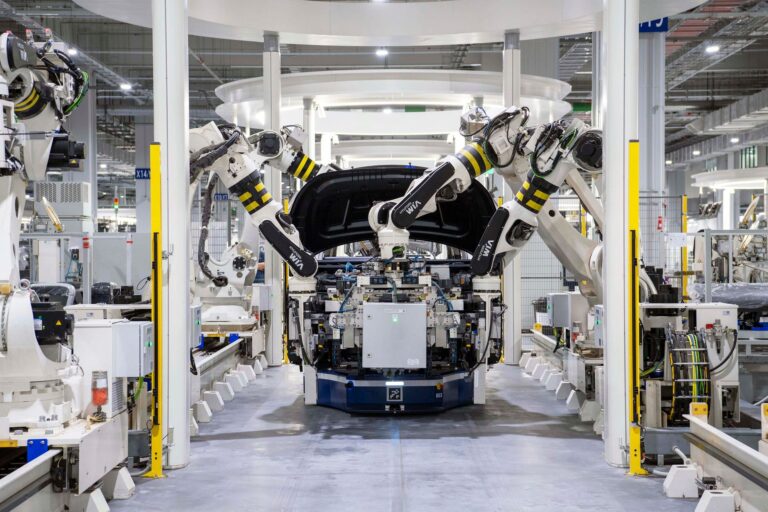
Workplace robot funding signals investor confidence in automation; what matters to customers is whether commercial products actually work at promised cost and reliability.

Air Force tests first autonomous weapons release on combat aircraft, demonstrating real-time autonomous target engagement under human command and control.
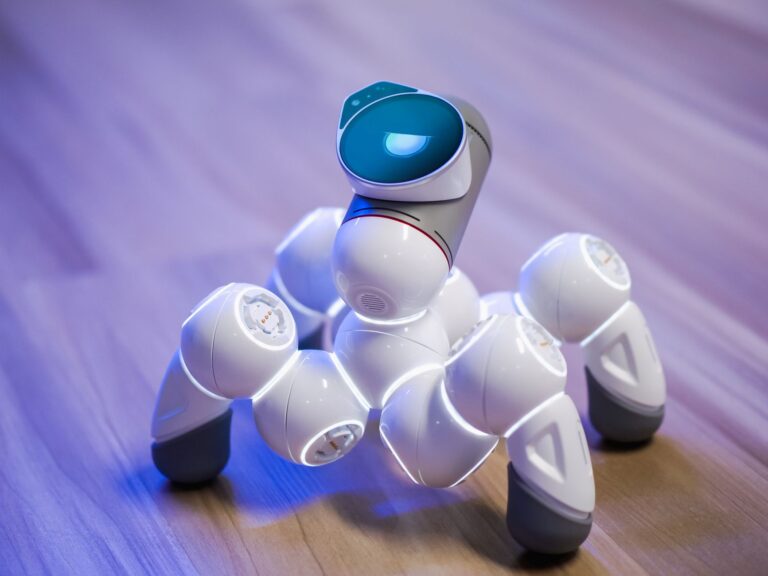
Learn how four-legged robots are trained for rough terrain—and how to tell a real navigation advance from a well-edited demo.
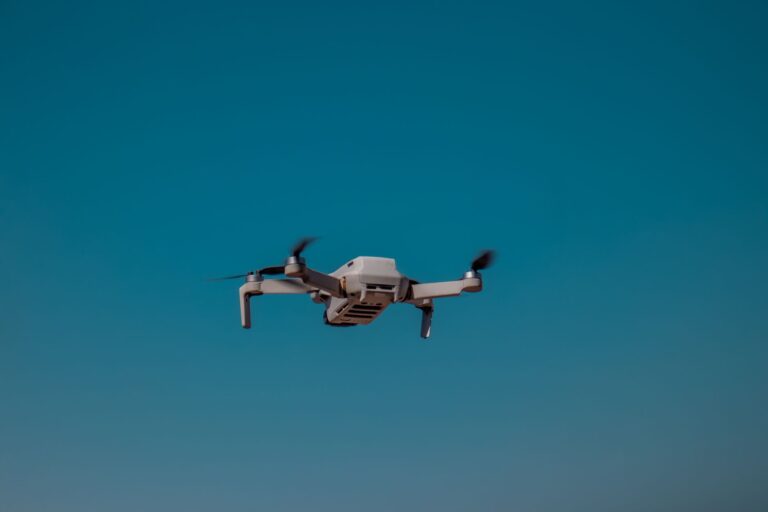
A clear, plain-language guide to how counter-drone systems detect and stop drones—and the legal limits that shape real deployments.

A practical framework for regulating humanoid robots—covering safety, liability, privacy, security, jobs, and reporting.
Why "robots negotiating employment" headlines mislead—and how to spot the real labor, vendor, or safety dispute behind a factory halt.