Ukraine and European Union establish manufacturing partnership for advanced military drone systems

Ukraine and the EU are building a shared military drone production ecosystem to reduce dependence on external suppliers and accelerate innovation.
Controllers, actuators, feedback systems
Ukraine and the EU are building a shared military drone production ecosystem to reduce dependence on external suppliers and accelerate innovation.

Washington DC's robotaxi licensing fee creates a new regulatory model that raises questions about market access and safety oversight.
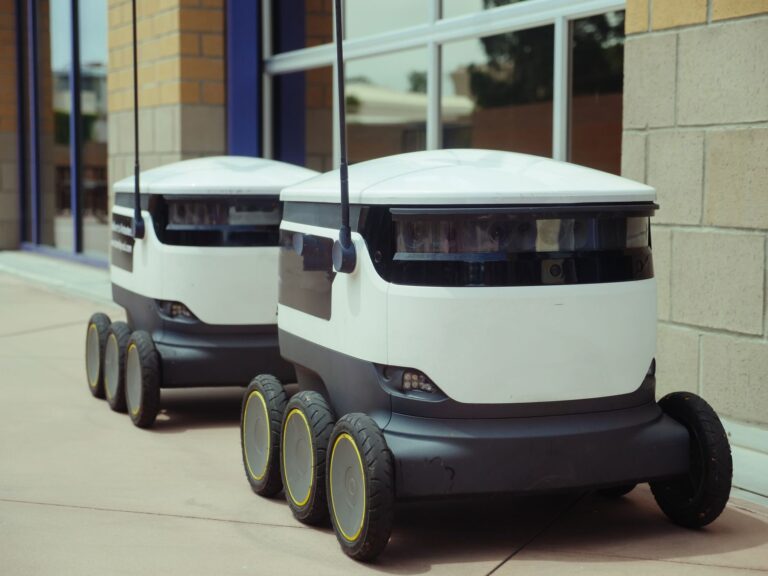
Washington DC's $6 million annual licensing fee may reshape how autonomous vehicle operators approach one of America's largest metro markets.

Animal-inspired robots navigate terrain and process environments using sensory and mobility principles refined by millions of years of evolution.
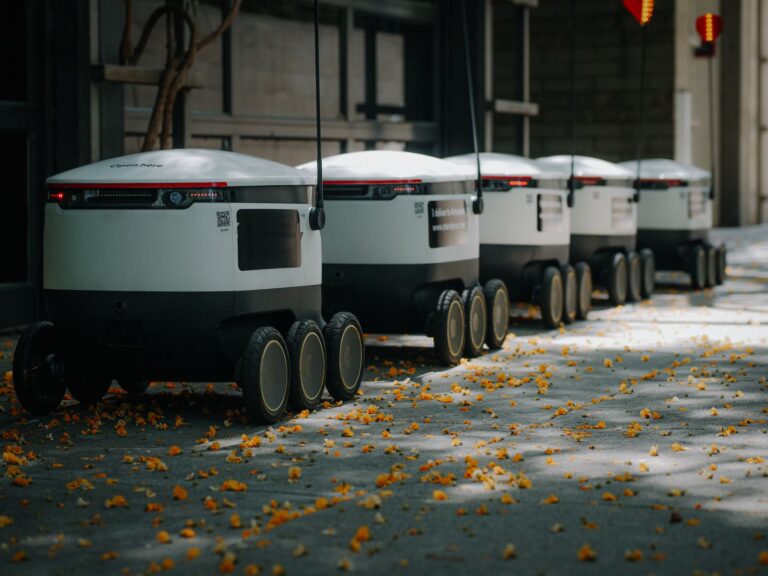
Robotic systems are removing highway workers from dangerous traffic zones by handling repetitive maintenance tasks remotely, reducing a leading cause of work-zone fatalities.
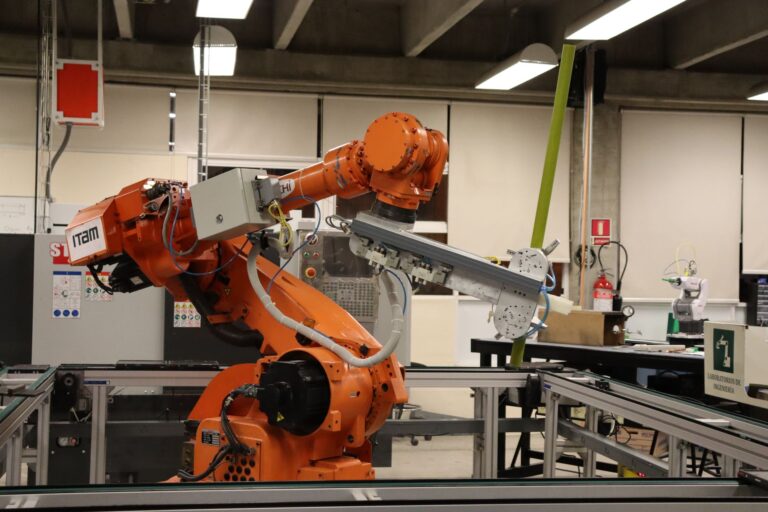
Commercial robot deployments accelerated as new funding enabled startups to prove automation's economics beyond manufacturing.

The Air Force's drone wingmen have fired live weapons for the first time, validating years of autonomous flight development and setting the stage for a radical shift in aerial combat.

AI-trained quadruped robots now navigate complex terrain in real-time, though limitations remain in extreme environments and unexpected obstacles.
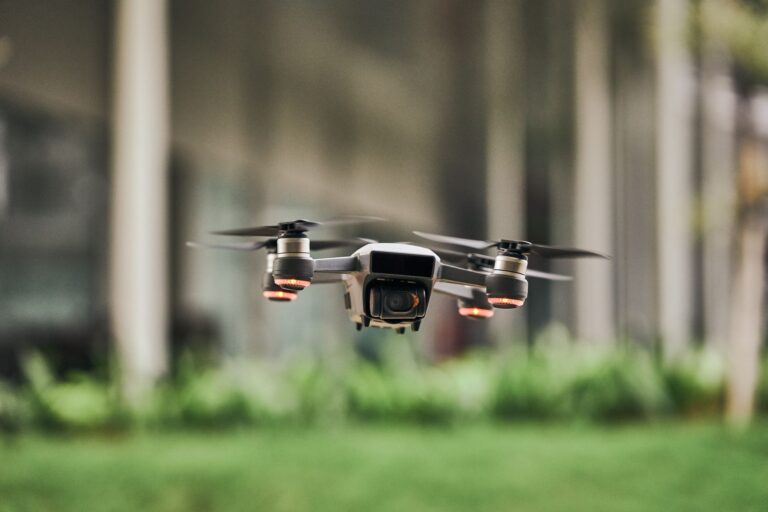
Unmanned aircraft detection and countermeasure systems face expanding demand at critical infrastructure, airports, and major events, driven by evolving regulations and genuine security concerns.

Six concrete policy steps can establish federal oversight of humanoid robots without stifling innovation or causing regulatory confusion.