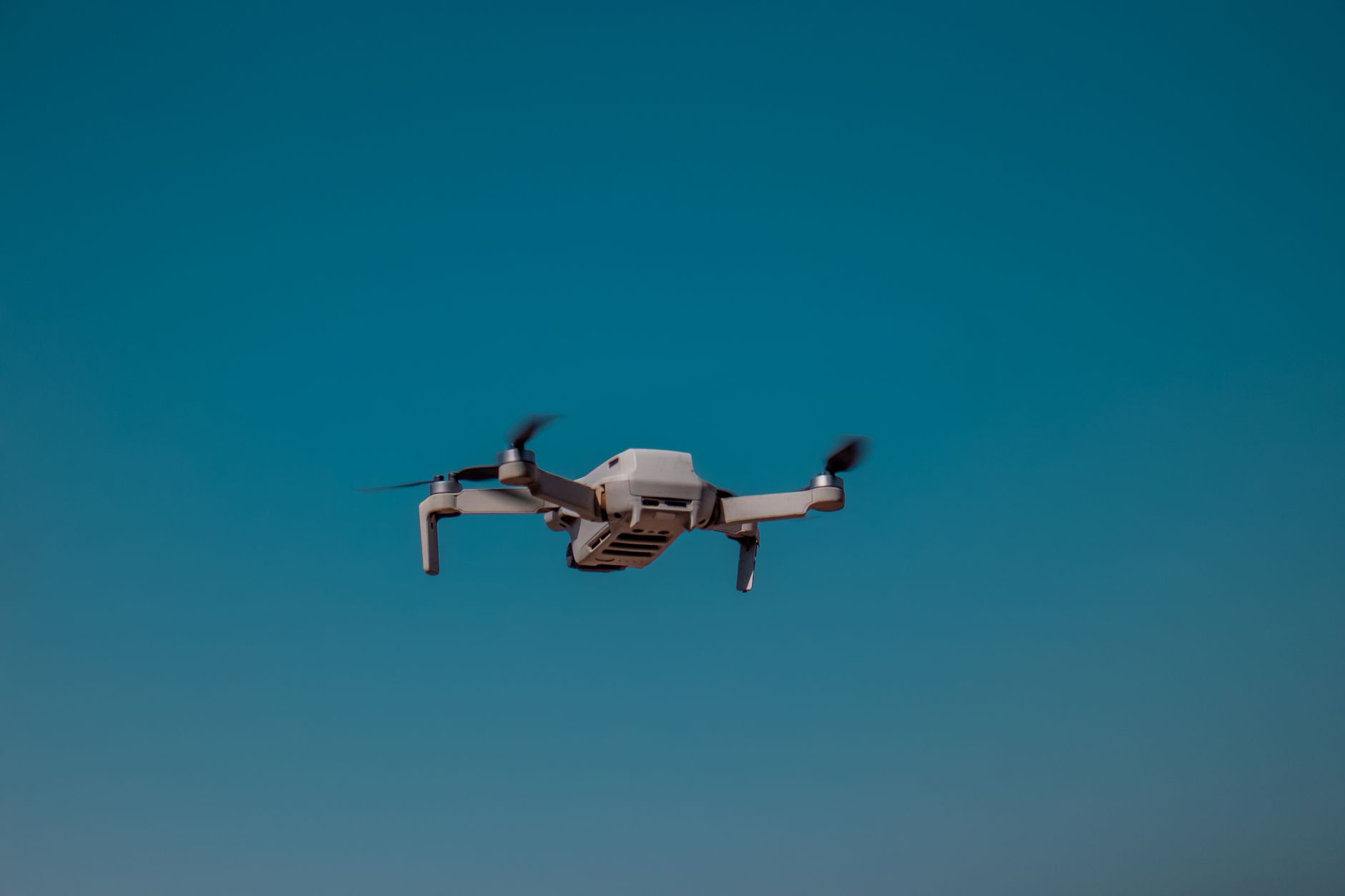

Anti-drone defense systems are technologies that detect, track, identify, and stop unauthorized drones near sensitive sites. When a jurisdiction like King County, Washington "expands deployment after the World Cup," it generally means officials keep or extend counter-drone tools first staged around a major event rather than dismantling them once crowds leave. This article explains how these systems work, why large events drive their adoption, and what expansion realistically involves. Because no verified public record is confirmed here, treat specific deployment details, budgets, and vendor names as things to verify with official county or agency statements before relying on them.
Table of Contents
- What "anti-drone defense" actually means
- Why major events trigger deployment
- What "expanding deployment" typically involves
- Legal and privacy limits readers should weigh
- How to evaluate a counter-UAS program
- Frequently Asked Questions
What "anti-drone defense" actually means
Anti-drone systems, often called counter-UAS (counter–unmanned aircraft systems), split into two jobs: detection and mitigation. Detection finds a drone and its operator. Mitigation stops or diverts the drone. Detection uses several sensors because no single one is reliable alone. Radio-frequency scanners listen for the control link between drone and pilot.
Radar tracks small moving objects. Cameras with optical and thermal lenses confirm what the radar sees, and acoustic sensors pick up rotor noise at short range. Mitigation is harder and more regulated. Options range from radio jamming and signal spoofing to physical capture with nets, and in rare military contexts, kinetic interception. In the United States, most jamming and interception methods are restricted, which is a limit readers should keep front of mind.
Why major events trigger deployment
Large gatherings concentrate risk. A stadium, fan zone, or transit hub packs thousands of people into a small area, so even a small drone flying overhead raises safety, privacy, and disruption concerns. Events like a World Cup also draw temporary flight restrictions.
Aviation authorities can designate no-fly zones over venues, and counter-UAS gear helps enforce them by spotting drones that ignore the rules. Organizers treat the systems as one layer inside a broader security plan that includes barriers, screening, and coordinated agencies. The "after the event" question matters because the threat does not vanish when the tournament ends. Airports, ports, data centers, and public buildings face year-round concerns, so agencies sometimes convert event-driven equipment into standing programs.
What "expanding deployment" typically involves
Expansion rarely means only buying more hardware. It usually blends technology, staffing, legal authority, and coordination.
Each piece can stall a program if it is missing. A realistic expansion also defines what counts as a threat. Most detected drones are lawful recreational or commercial flights, so a good program filters routine activity from genuine risk.
- Coverage: adding sensors at more sites or extending detection range around existing ones.
- Authority: securing the legal right to detect signals and, where permitted, to mitigate a drone.
- Staffing: training operators to read alerts and respond without overreacting to hobbyist flights.
- Integration: feeding drone alerts into existing dispatch, camera, and emergency systems.
- Data handling: setting rules for how long detection data is kept and who can see it.
Legal and privacy limits readers should weigh
In the U.S., authority to actively counter drones is narrow. Federal law restricts who may jam, hack, or bring down an aircraft, and unauthorized interference can itself be illegal. This means many local agencies can legally detect drones but not disable them without specific federal permission. Detection raises privacy questions too.
Radio-frequency sensors may capture information about operators and their devices, so retention and access policies matter as much as the sensors. Residents and civil-liberties groups often ask how long data is stored and whether it is shared. If you want to know what a jurisdiction is actually authorized to do, look for its published policy, council or board approvals, and any agreements with federal aviation or security agencies. Verify these directly rather than assuming a demonstrated capability equals legal authority.
How to evaluate a counter-UAS program
Whether you are a resident, reporter, or facility manager, a few practical checks separate a serious program from a demonstration. Strong answers cite policy documents and named oversight bodies. Vague answers that lean on vendor marketing or unverifiable event success stories deserve skepticism.
- Ask which agency holds legal authority for detection and for any mitigation.
- Ask what sensors are used and their approximate coverage, not just brand names.
- Ask how routine hobbyist flights are filtered from flagged threats.
- Ask about data retention limits and public oversight.
- Ask how the system connects to emergency response, since detection without response adds little.
Frequently Asked Questions
Can local police legally shoot down or jam a drone?
Usually not on their own. U.S. law limits jamming and interception to specific federal authorities, so many agencies may only detect drones unless granted added permission. Verify local authority directly.
Does detecting a drone mean stopping it?
No. Detection identifies and tracks a drone, but stopping it is a separate, more regulated step. A program can detect without any legal ability to mitigate.
Are most detected drones actually threats?
Typically no. The majority are lawful recreational or commercial flights, which is why filtering routine activity from genuine risk is a core part of any credible system.