

DE, a German agricultural technology company, has positioned itself as a comprehensive data platform for precision farming, earning comparisons to Google for its ambition to become the central search and analytics engine for farm data. Just as Google organizes the world’s information and makes it universally accessible, DE aims to aggregate, analyze, and deliver actionable agricultural data from disparate sources””soil sensors, weather stations, satellite imagery, drone footage, and machinery telemetry””into a unified platform that farmers can query and act upon. The company’s approach differs from single-purpose agtech tools by functioning as an integrative layer that connects various data streams rather than replacing existing equipment or software.
For example, a grain farmer in Brandenburg using DE’s platform might pull together yield data from their combine harvester, soil moisture readings from buried sensors, and nitrogen application records from their spreader, then receive recommendations that account for all these variables simultaneously. This integration addresses one of precision agriculture’s persistent frustrations: the fragmentation of data across incompatible systems from different manufacturers. The following sections examine how DE’s platform architecture works, where it fits within the broader smart agriculture ecosystem, its technical requirements and limitations, and whether the “Google of agriculture” comparison holds up under scrutiny.
Table of Contents
- How Does DE Function as a Search Engine for Farm Data?
- The Technical Architecture Behind DE’s Agricultural Data Platform
- Integration with Existing Farm Management Systems
- Practical Implementation: Getting Started with DE
- Common Challenges and Limitations in Agricultural Data Platforms
- Regional Variations in Smart Agriculture Adoption
- The Future of Integrated Agricultural Data Platforms
- Conclusion
How Does DE Function as a Search Engine for Farm Data?
DE’s core functionality centers on data aggregation and intelligent querying. The platform uses APIs and hardware adapters to ingest information from a wide range of agricultural equipment and sensors, regardless of manufacturer. Once collected, this data flows into a centralized database where machine learning algorithms process it alongside external datasets like regional weather forecasts, historical crop performance statistics, and market pricing information. Farmers interact with this system through natural language queries or structured searches””asking questions like “which fields have the lowest organic matter content” or “where did I apply herbicide in the last 30 days.” The comparison to google extends beyond simple search functionality. Like Google’s Knowledge Graph, DE attempts to build relational understanding between data points, recognizing that soil pH levels in a particular field relate to lime application history, crop selection, and expected yield outcomes.
This contextual awareness allows the platform to surface relevant information proactively rather than waiting for explicit queries. A farmer checking weather forecasts might automatically see related warnings about disease pressure or irrigation needs without specifically asking. However, the analogy has limits. Google indexes publicly available web content, while DE relies on proprietary farm data that must be actively shared or uploaded. The platform’s usefulness scales directly with data input””a farmer contributing only GPS field boundaries will receive far less value than one connecting multiple sensor networks, equipment telemetry systems, and historical records. This creates a chicken-and-egg problem for adoption, as the platform becomes more valuable only after significant setup investment.

The Technical Architecture Behind DE’s Agricultural Data Platform
DE’s system architecture follows a three-tier model common in enterprise software: a data collection layer, a processing and analytics layer, and a user interface layer. The collection layer handles the messy reality of agricultural data, which arrives in dozens of formats from equipment using different communication protocols. DE maintains a library of adapters for common agricultural machinery brands and sensor manufacturers, though coverage varies by region and equipment age. Older machinery may require aftermarket telematics hardware to connect. The processing layer is where DE’s investment appears most concentrated. The company employs agronomists and data scientists to build domain-specific models that go beyond generic machine learning.
These models understand agricultural concepts like growing degree days, crop phenology stages, and nutrient cycling””context that general-purpose analytics platforms lack. Processing happens primarily in cloud infrastructure, with edge computing options for operations with limited connectivity or those preferring to keep data on-premises. One significant limitation involves data latency. Real-time applications like variable-rate seeding or spray-as-you-go weed detection require sub-second response times that cloud-dependent architectures struggle to deliver, particularly in rural areas with poor cellular coverage. DE addresses this through local caching and pre-computed recommendation maps, but these workarounds sacrifice some of the platform’s dynamic responsiveness. Farms requiring true real-time decision-making may find DE better suited for planning and post-season analysis than in-cab operation.
Integration with Existing Farm Management Systems
DE does not position itself as a replacement for existing farm management information systems but rather as a complementary layer that enhances their capabilities. The platform offers bi-directional integration with major FMS providers, allowing data to flow both into DE for analysis and back out for record-keeping and compliance reporting. This approach reduces adoption friction since farmers need not abandon familiar software to gain DE’s analytical capabilities. For instance, a farm using Trimble’s Ag Software for field operations tracking can connect that system to DE, which then enriches the operational data with additional analysis and cross-references it against regional benchmarks. Prescriptions generated in DE can export back to Trimble-compatible formats for execution.
Similar integrations exist for John Deere Operations Center, Climate FieldView, and several European farm management platforms, though the depth of integration varies considerably between partners. The integration strategy does create dependency risks. DE’s value proposition relies on maintaining these third-party connections, which can break when partners update their systems or change API access policies. Farmers have reported integration disruptions following software updates from equipment manufacturers, temporarily severing data flows until DE releases compatibility patches. This fragility represents an inherent tradeoff in the aggregator model compared to vertically integrated alternatives that control the entire stack.
Practical Implementation: Getting Started with DE
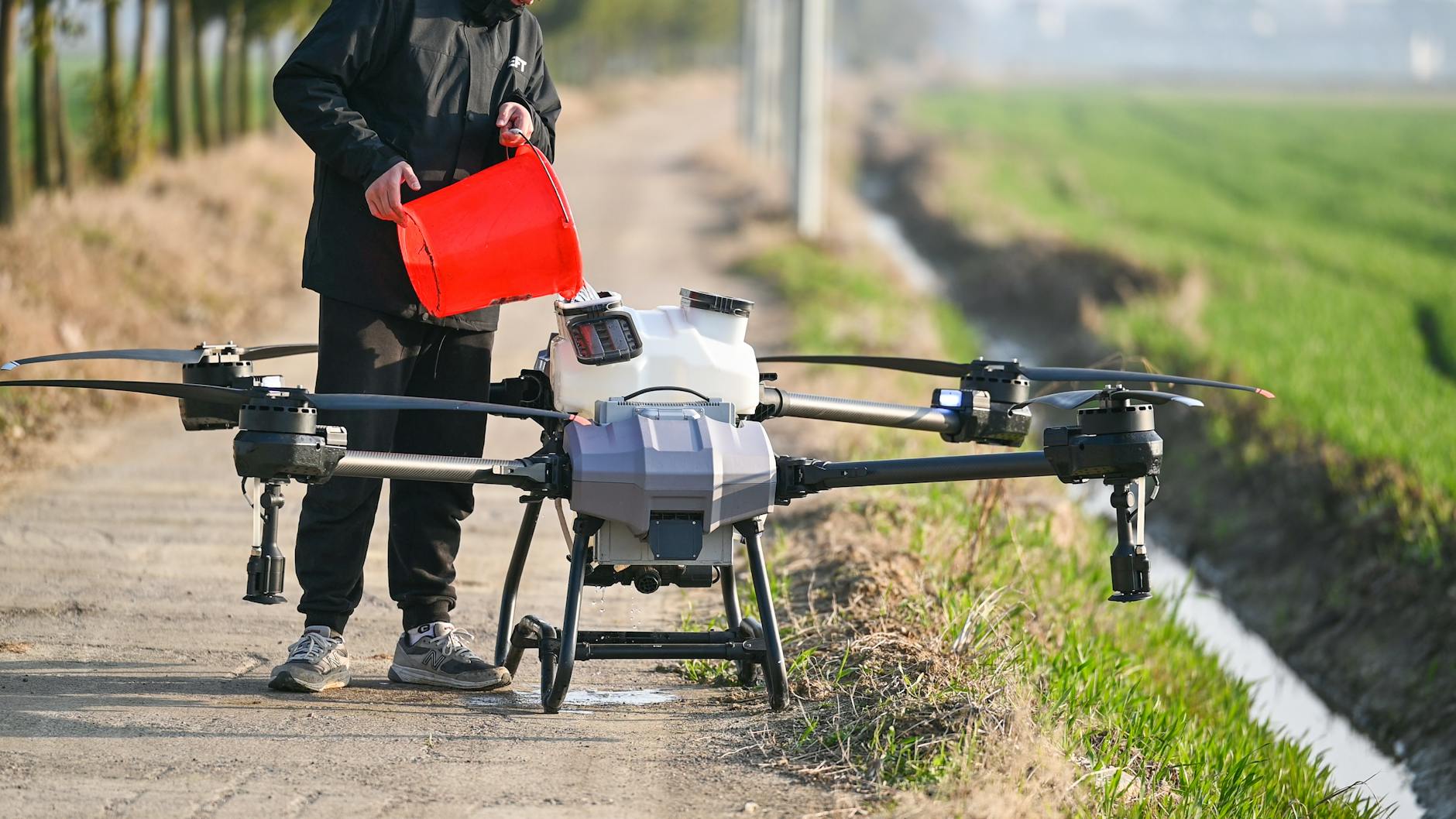
Implementing DE typically begins with a discovery phase where the platform maps existing data sources and identifies integration opportunities. The company offers both self-service onboarding for technically sophisticated operations and white-glove implementation services for those requiring more support. Initial setup involves connecting equipment telemetry, establishing sensor data feeds, and importing historical records””a process that can take anywhere from a few days for simple operations to several months for large, complex farms with legacy systems. The cost structure historically followed a tiered subscription model based on farm size and feature access, though pricing appears to have evolved. Compared to single-purpose precision agriculture tools that might cost a few hundred dollars annually, comprehensive platforms like DE represent a significantly larger investment that must be justified through operational improvements.
Smaller farms may find the cost-benefit calculation unfavorable, particularly if they lack the scale to implement recommendations or the technical infrastructure to supply meaningful data inputs. A critical tradeoff involves data sharing. DE’s analytical models improve with aggregated data from multiple farms, and the company offers pricing incentives for operations willing to contribute anonymized data to the collective pool. Farmers must weigh the benefits of improved models against concerns about competitive intelligence””even anonymized regional data might reveal information useful to neighboring operations or commodity traders. DE provides granular privacy controls, but the tension between collective benefit and individual privacy remains unresolved.
Common Challenges and Limitations in Agricultural Data Platforms
The “Google of agriculture” framing, while evocative, obscures meaningful differences between web search and farm data analytics. Google benefits from network effects where more users create more content, which attracts more users. Agricultural data platforms face a different dynamic: farm data is inherently private, localized, and competitive. A German wheat farmer’s detailed yield maps provide limited value for a Brazilian soybean operation, and farmers have rational reasons to guard information that might benefit competitors or depress commodity prices. Data quality presents another persistent challenge.
Unlike web content that can be validated against multiple sources, farm data often exists as a single authoritative record with no external verification. Sensor malfunctions, GPS drift, operator errors during data entry, and equipment calibration issues introduce noise that propagates through analytical models. DE employs anomaly detection to flag suspicious data, but distinguishing between genuine outliers and recording errors requires domain expertise that automated systems struggle to replicate. Farmers also report a gap between platform capabilities and practical applicability. DE might identify that a particular field underperformed relative to its potential, but translating that insight into specific corrective actions requires agronomic knowledge the platform cannot fully replace. The tool functions best as a decision support system for experienced farmers rather than an autonomous management system for novices””a limitation shared across the precision agriculture sector.
Regional Variations in Smart Agriculture Adoption
DE’s penetration varies substantially by geography, reflecting differences in farm structure, connectivity infrastructure, and regulatory environments. In Western Europe, where the company originated, adoption has been strongest among large arable operations with existing precision agriculture investments. These farms possess the technical sophistication, financial resources, and data infrastructure to extract value from comprehensive analytics platforms.
In contrast, regions with predominantly smallholder agriculture face structural barriers to adoption. A five-hectare family farm in southern Europe likely lacks the scale to justify platform costs, the equipment to generate useful telemetry data, or the connectivity to maintain cloud synchronization. DE has experimented with cooperative models where groups of small farms share platform access and aggregate data, though these arrangements introduce coordination challenges and require trust among participants who may be market competitors.
The Future of Integrated Agricultural Data Platforms
The trajectory of platforms like DE points toward increasingly automated decision-making, though significant technical and social hurdles remain. Advances in edge computing may eventually enable real-time field operations guided by cloud-trained models, addressing current latency limitations. Integration with autonomous equipment””tractors, sprayers, and harvesters operating without human drivers””would allow platforms to close the loop between recommendation and execution.
Whether any single platform achieves Google-like dominance in agriculture remains uncertain. The sector’s fragmentation, regional variation, and data privacy sensitivities may sustain a more diverse ecosystem of specialized tools rather than consolidating around one universal platform. DE’s success likely depends less on achieving monopoly status than on demonstrating sustained value that justifies ongoing subscription costs””a test that many agtech ventures have historically failed.
Conclusion
DE represents an ambitious attempt to solve agriculture’s data fragmentation problem by creating a unified analytical layer across disparate systems and sources. The platform’s strength lies in its integrative approach, connecting equipment, sensors, and software that would otherwise remain siloed while applying domain-specific intelligence to the combined data. For large, technically sophisticated farming operations with existing precision agriculture investments, this capability addresses genuine operational pain points.
The “Google of agriculture” comparison captures DE’s aspirations but overstates current reality. Fundamental differences between web content and farm data””privacy concerns, competitive sensitivity, regional specificity, and quality variability””constrain the platform’s network effects and universal applicability. Prospective users should evaluate DE based on their specific data infrastructure, technical capabilities, and willingness to invest in setup and integration rather than expecting Google-like simplicity and immediate utility.