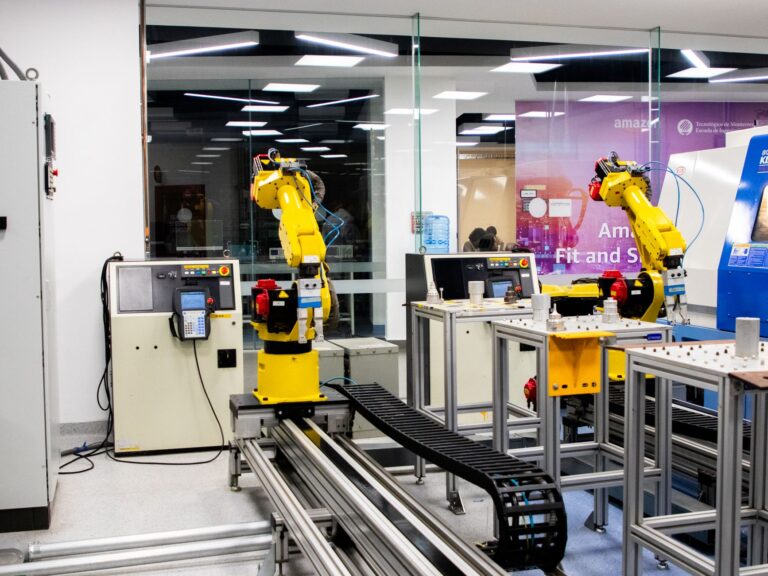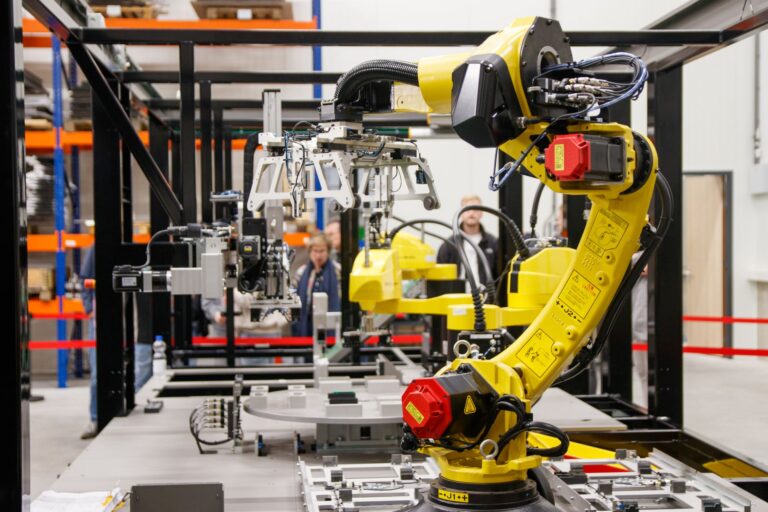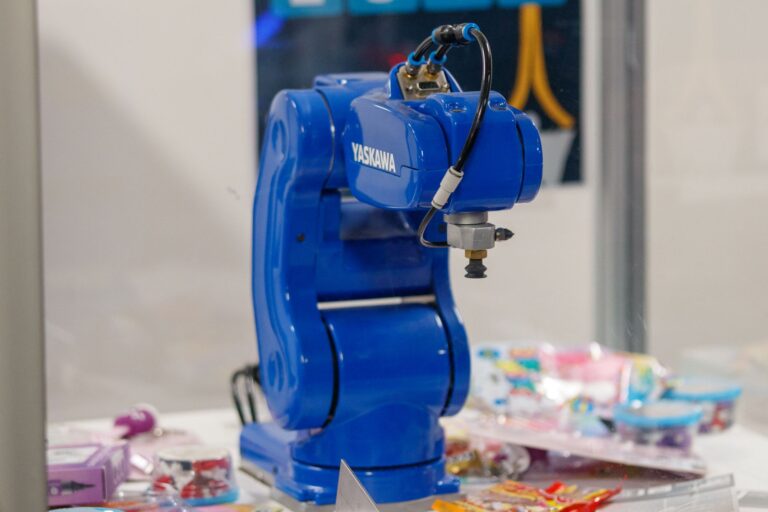

Vision systems help robots handle flexible feeding lines by finding each part's position and orientation and sending pick coordinates to the robot. That guidance lets one line accept mixed parts, trays, and frequent changeovers without fixed fixtures.
A flexible feeding line conveys varied products through a pick point without hard tooling for each shape. Operators change software recipes instead of rebuilding conveyors or vibratory bowls. Vision makes that swap practical by matching what the camera sees to a valid grasp.
Table of Contents
- Why mixed feeding challenges blind robots
- How cameras turn a loose part into a pick
- What decides whether changeover stays fast
- Where vision still needs help
Why mixed feeding challenges blind robots
Blind robots expect parts at set spacing and rotation. Flexible lines break that promise. Parts arrive skewed on belts, nested in bins, or mixed by variant. Even small shifts cause missed grasps or collisions.
A connector turned 90 degrees needs a different approach angle. A flat bracket stacked on another needs a different grip height. Fixtures solve this for one part, but slow changeovers. Each new shape needs new guides, shims, or bowl tooling. Flexible lines replace that hardware with sensing and software.
How cameras turn a loose part into a pick
An overhead or robot-mounted camera watches the feed area under controlled lighting. Software segments parts from belt, tray, or bin background. It then estimates pose, meaning position plus rotation in space.
A typical cycle follows a short sequence: The robot uses that message to adjust its motion. It rotates the gripper, shifts the target, or skips a bad part. Sorting, orientation, and placement can happen in the same move.
- capture an image triggered by belt encoder, sensor, or robot request
- detect usable parts and reject overlapping or upside-down pieces
- calculate pick points and safe approach paths
- send coordinates to the robot controller for execution
What decides whether changeover stays fast
Lighting and exposure matter more than camera resolution in many cells. Matte belts, shields, and angled lights reduce glare and shadows. Stable images cut reteaching when parts change color or finish. Calibration links camera pixels to robot coordinates.
A firm mount, checked reference plate, and repeat verification keep picks centered. Teach several good and bad examples for each variant, including scuffed and dusty parts. Gripper choice limits flexibility too. Adjustable fingers, vacuum cups, or quick-change jaws cover a wider family than a single rigid jaw. Match suction, finger stroke, and part weight before adding new variants.
Where vision still needs help
Reflective metal, clear plastic, and black rubber absorb or scatter light. Overlapping parts hide edges that software needs. High belt speed can blur images and shrink decision time. Practical fixes narrow the problem.
Slow or index the belt at the camera, add backlights or 3D sensing for height, and singulate crowded flow. Keep a reject path for unreadable or tangled parts so the line keeps moving. Test with production samples, not clean prototypes. Include oiled, scratched, and mislabeled pieces in trials, and confirm recovery after a missed pick.