Education Robotics FAQ for September 2026: Source-Checked Answers to Common Questions
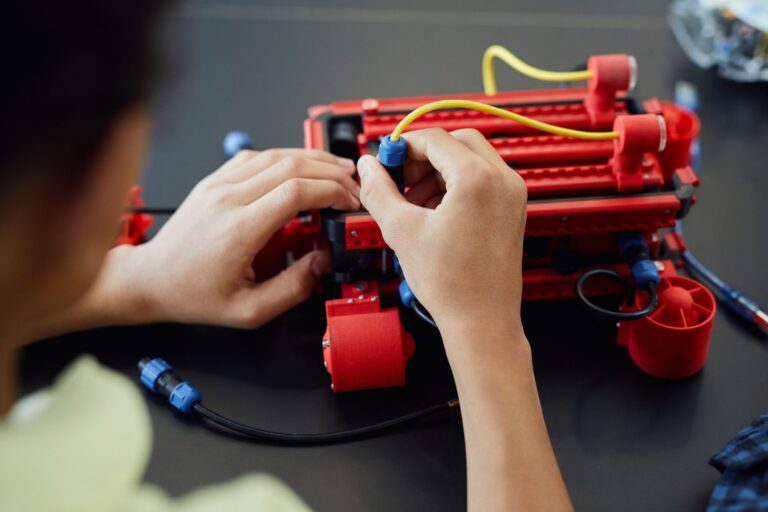
Learn how to choose, staff, teach, and safeguard an education robotics program without mistaking a kit for a curriculum.
Learn how to choose, staff, teach, and safeguard an education robotics program without mistaking a kit for a curriculum.
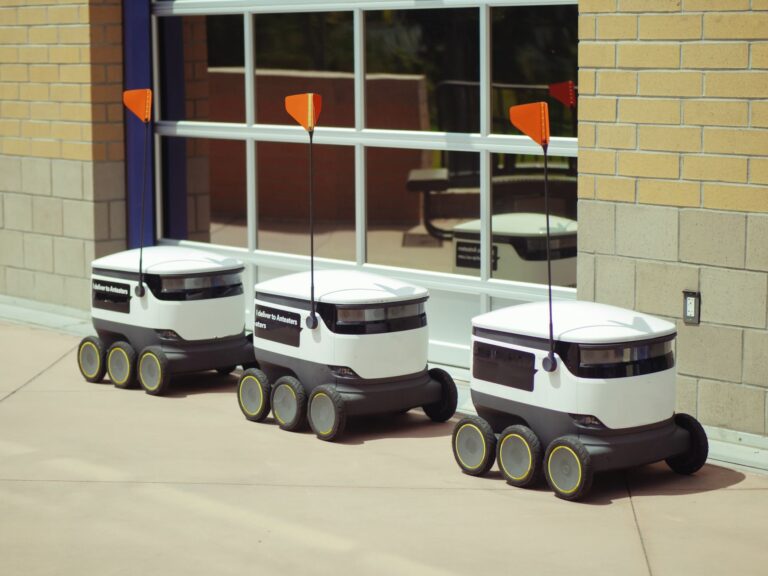
Six checks that separate real construction-robot deployments from AI-washing: named partners, field data, scope lines, and ISO 17757.
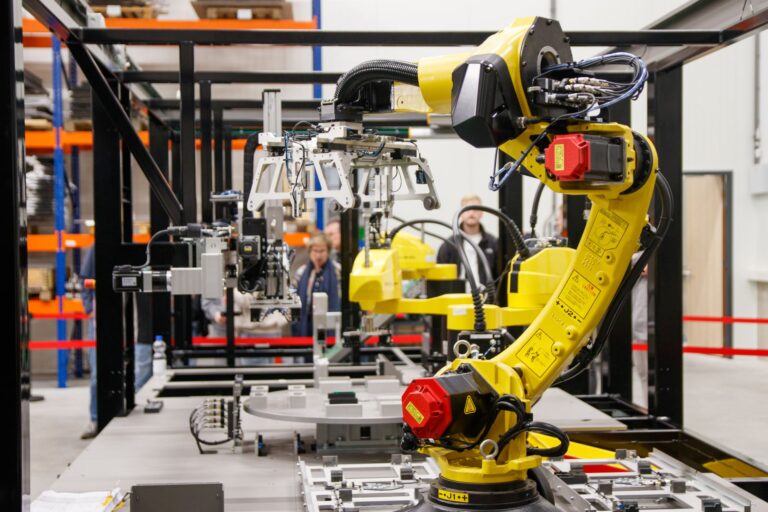
What construction robots can actually do in September 2026 — autonomous digging, bricklaying, 3D printing — with the limits vendors admit.
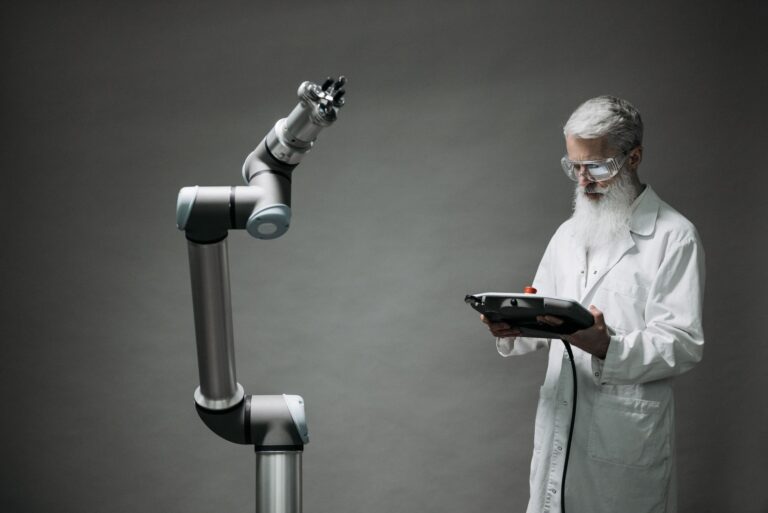
A practical read on September 2026's robotics vision releases — which tasks the new models actually handle, and where their own numbers show they fail.

A working read on Q3 2026 robot vision: whole-body VLAs, YOLO27, real deployment numbers, and the safety standard buyers still cannot certify against.
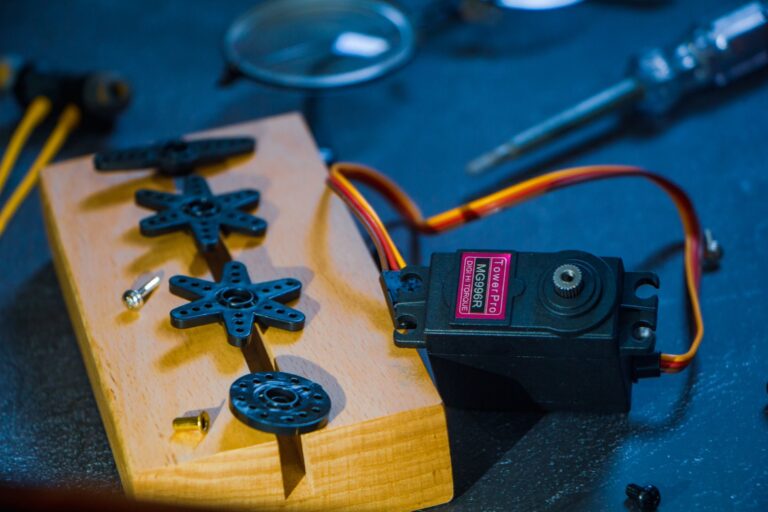
Dated answers on ROS 2 version choice, 2026 board price rises, the UNO Q, SO-101 build costs, and EU kit-seller duties.

A practical read on Newton 1.0, Isaac Sim 6.0 and Siemens' Digital Twin Composer — including which vendor numbers to trust.

A practical pre-adoption checklist for Newton: solver choice, GPU and driver floors, asset import fidelity, and the experimental Isaac Lab path.
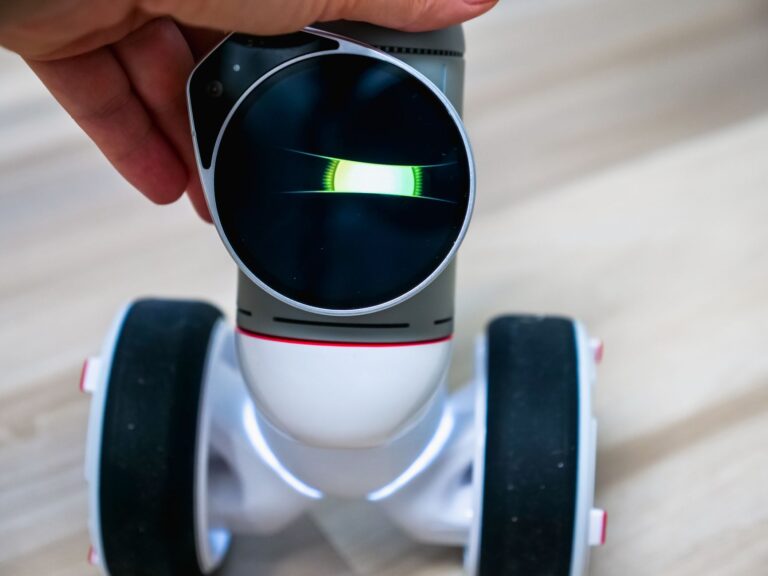
A buyer's read on September 2026 robot perception: which lidar, tactile and depth sensors actually ship now, and which benchmarks measure simulation.
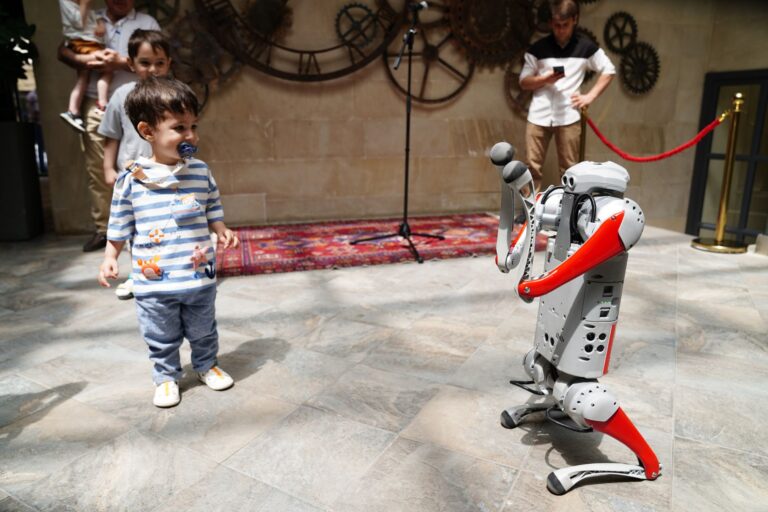
This month also hosted the first global humanoid robot sports competition and a major research conference, reflecting maturation from academic experiment...