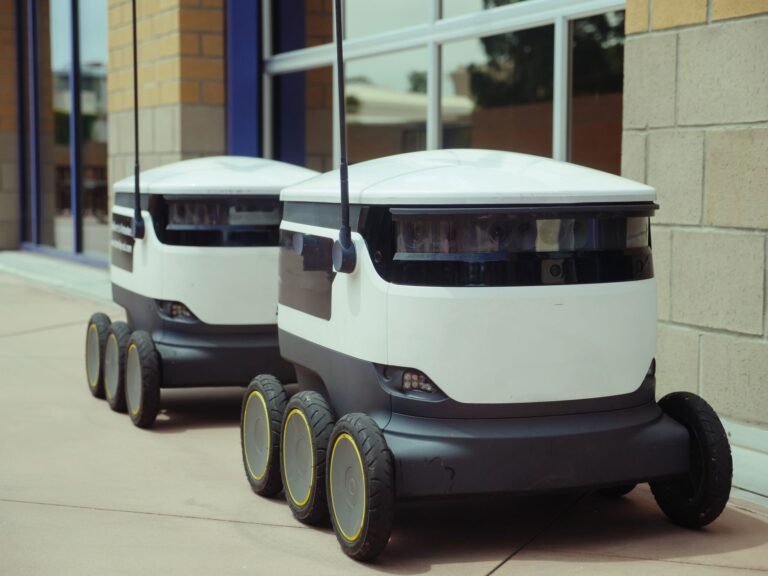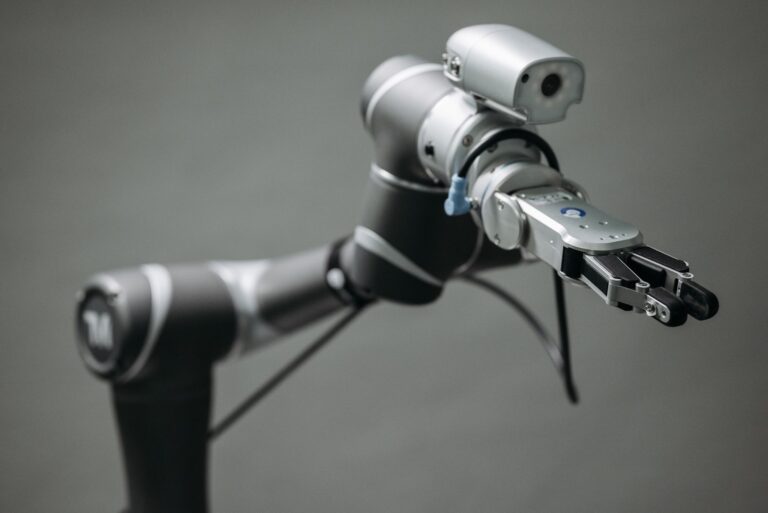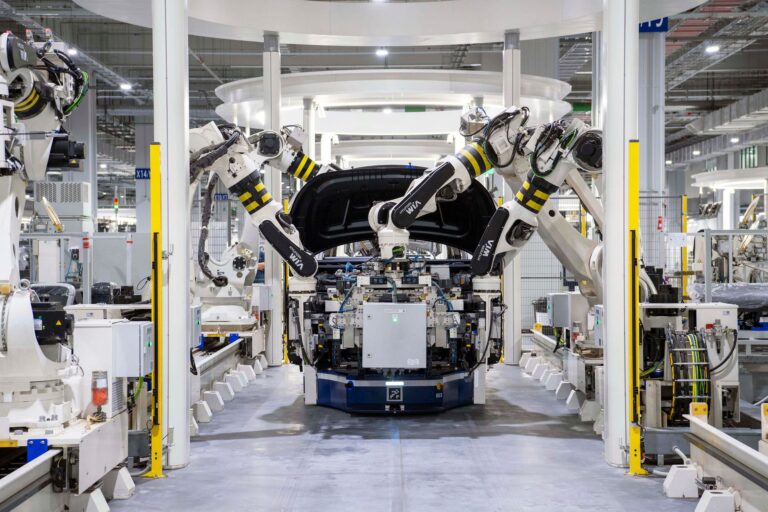

RCAT represents a small-cap opportunity in military robotics and automation, companies developing autonomous systems for defense applications. These businesses sit at the intersection of two powerful trends: the Department of Defense’s modernization initiatives and the rapid advancement of robotics technology. Unlike large defense contractors that diversify across multiple sectors, small-cap military automation plays focus laser-like on solving specific robotic challenges for armed forces—from unmanned ground vehicles to autonomous supply chain systems. What makes RCAT and similar small-cap military automation companies attractive is their positioning within a secular growth market.
The U.S. military budget allocation toward autonomous systems has grown measurably over the past decade, with Congress earmarking increasing funds for unmanned capabilities. A company that successfully develops and scales a solution for military robotics can grow substantially without relying on consumer markets or commercial competition. However, this opportunity comes with substantial risks: long DoD procurement cycles, political budget pressures, and the technical difficulty of building systems that meet military specifications.
Table of Contents
- Why Small-Cap Military Automation Companies Matter in Defense Strategy
- The Long Sales Cycle and Budget Risk
- Contract Types and Revenue Models
- Evaluating Growth Potential and Investment Tradeoffs
- Technical Challenges and Realistic Limitations
- Real-World Example: Integration Pathways in Practice
- Market Outlook and Future Positioning
- Conclusion
Why Small-Cap Military Automation Companies Matter in Defense Strategy
The Department of defense faces a critical manpower challenge. With recruitment targets consistently missed and demographics shifting, automation becomes a force multiplier. Autonomous robots can handle dangerous tasks—bomb disposal, mine clearing, perimeter patrols—that would otherwise require personnel. This isn’t theoretical: the military already deploys thousands of unmanned systems. Companies like those in the small-cap space are building the next generation of these capabilities, often through contracts with prime defense contractors or direct sales to military branches. Small-cap military automation firms have an advantage over massive defense contractors in agility. A company with 50 engineers can iterate faster and pivot more quickly than a division within a company with 100,000 employees.
For robotics—where software updates, sensor improvements, and mechanical refinements happen frequently—this matters. The drawback is that small caps lack the established relationships, capital reserves, and government security clearances that large primes possess. This creates a partnership model where small caps build specialized subsystems that larger contractors integrate into major programs. The financial opportunity is real but constrained. A successful small-cap in military automation might capture $100-500 million in annual revenue if it wins the right contracts. Compare that to lockheed Martin’s $66 billion, and you see both the scale of opportunity and the ceiling. The companies that succeed are typically those that solve a specific military problem so well that they become irreplaceable in their niche.

The Long Sales Cycle and Budget Risk
military procurement is notoriously slow. A company might spend 2-3 years developing a system, another 1-2 years in testing and evaluation, and then face a competitive bid process. By the time revenue starts flowing, the product may already need updates. Additionally, the entire market is subject to congressional appropriations. If defense spending is cut or reallocated—which happens regularly—a company’s growth projections can evaporate overnight. This is a warning worth noting: small-cap military automation stocks are vulnerable to political risk that commercial robotics companies don’t face. Another limitation is the customer concentration problem. Many small-cap military automation companies derive 50-80% of revenue from the Department of Defense. This creates feast-or-famine dynamics.
When a contract wins, stock price often surges. When a contract is delayed, lost, or not renewed, companies can struggle. Diversification into allied nations’ militaries or civilian government agencies helps, but it’s difficult to achieve without shifting focus. The technical bar for military systems is also extraordinarily high. A commercial robot might tolerate a 5% failure rate. Military systems cannot. This means extensive testing, redundant systems, and conservative design choices that slow innovation. Companies that excel in military automation are often not the same ones that innovate fastest—they’re the ones that engineer reliability obsessively. This distinction matters for investors: growth comes from winning more contracts, not from disrupting the market with radical new approaches.
Contract Types and Revenue Models
Military automation contracts typically fall into a few categories. Development contracts fund research and prototyping, but generate limited revenue and don’t guarantee future sales. Production contracts—where the military actually orders systems—are where profitability happens. Service and support contracts provide steady recurring revenue. A well-positioned small cap might have a mix of all three, which smooths revenue volatility.
For example, a company might sign a $50 million development contract one year, then a $200 million production contract for the same system two years later, with service revenue building gradually between. Small caps in this space often use a partnership model with prime contractors. They develop a specialized subsystem—perhaps an autonomous navigation package or a communication module—and then integrate it into larger systems built by companies like Raytheon Technologies or General Dynamics. This approach reduces the sales burden but also caps margins, since the prime contractor takes a percentage. Some small caps have tried to go direct to the military, which offers higher margins but requires them to understand military procurement and pass extensive security audits. Most find the partnership model more realistic.

Evaluating Growth Potential and Investment Tradeoffs
When analyzing a small-cap military automation company, look at contract backlog and the sales pipeline. A company with $200 million in backlog and $50 million in annual revenue suggests 4 years of visibility—that’s attractive. But you also need to understand what percentage of those contracts are development versus production, since production contracts drive margins. A company with high development revenue and low production revenue is still early-stage and risky. The tradeoff between growth and stability is worth considering. A small cap that diversifies away from the military—perhaps developing commercial versions of its robots for warehouse automation or industrial inspection—reduces military budget risk but competes in much more crowded markets.
Companies that stay pure-play military automation have higher growth potential if they win the right contracts, but face more volatility. Your risk tolerance determines which approach makes sense. Personnel and management experience matter enormously. A founding team with previous success winning military contracts, or leaders hired from the Department of Defense, dramatically improves odds. Conversely, a team with no military-industrial experience is essentially learning on the job, which extends development cycles and increases technical risk. When reviewing a small cap, check the bios carefully.
Technical Challenges and Realistic Limitations
Building robots that operate in military environments—harsh weather, electronic warfare, remote terrain—is extraordinarily difficult. Commercial robotics companies often operate in controlled warehouse or laboratory settings. Military robots must function in combat zones, survive electromagnetic interference, and perform missions when communications are jammed. These constraints push companies toward overbuilt, conservative designs that are expensive to develop and manufacture. A significant warning: many small caps in military automation overestimate how quickly they can achieve profitability. They assume contracts will arrive on schedule, production will ramp smoothly, and margins will meet projections.
In reality, military production is characterized by cost overruns, schedule delays, and margin compression. Companies that built their financial models assuming 40% gross margins often discover they’re only achieving 25% once production begins at scale. This is why due diligence on a small cap’s historical contract performance—not just projections—matters critically. Supply chain vulnerabilities are another real concern. Many military robots rely on specialized components, some sourced internationally. Changes in export regulations, tariffs, or geopolitical tensions can disrupt supply chains and delay production. A company that depends on a single component supplier is taking a risk that larger, diversified prime contractors can absorb more easily.

Real-World Example: Integration Pathways in Practice
Consider a hypothetical small cap developing an autonomous ground vehicle for perimeter security. This company might start by winning a $15 million development contract to build a prototype. After successful testing, they could win a $100 million production order for 200 units over five years.
But here’s the actual path: they likely wouldn’t manufacture the vehicles themselves. Instead, they’d license or integrate their autonomous system into a platform provided by an existing vehicle manufacturer, and then the prime contractor would handle final assembly and delivery. The small cap captures a licensing fee or per-unit revenue, typically 20-30% of the final vehicle cost. This model lets them scale without massive capital investment in manufacturing, but it also means their upside is capped relative to owning the entire product.
Market Outlook and Future Positioning
The secular trend toward military automation is durable. Demographic challenges, budget constraints, and the clear military advantage of robotics suggest that automation spending will continue to grow even if total defense budgets fluctuate. Small caps that successfully navigate the procurement process and deliver on contracts will likely find new opportunities. The companies that struggle are typically those that bet their survival on a single contract—when it’s delayed or lost, they don’t have the resources to survive the gap.
Looking forward, the most successful small-cap military automation companies will be those that balance military focus with some degree of diversification. This might mean developing dual-use technologies that work for both defense and civilian applications, or building systems that allied nations also procure, reducing dependence on U.S. budget cycles. Companies that achieve this balance provide more stable growth trajectories and better long-term investor returns.
Conclusion
RCAT and similar small-cap military automation companies address a real and growing market need. The military clearly wants and will continue to invest in robotics and autonomous systems. However, this market rewards patience, technical excellence, and operational discipline more than it rewards hype or aggressive growth projections.
The companies that succeed are those that win contracts, execute them profitably, and build sustainable competitive advantages through technical expertise. If you’re considering investment in a small-cap military automation play, focus on three things: the quality of the management team’s track record with military contracts, the composition of the contract backlog (development versus production), and the sustainability of margins over the full product lifecycle. Be skeptical of companies that promise explosive growth or claim they’ll disrupt the defense industry. The military moves slowly, but once a contract wins, it can drive substantial shareholder value for years.