
Serve Robotics is gaining buzz after major delivery expansion news that signals a pivotal moment for the autonomous delivery industry. The Los Angeles-based company, which spun out of Uber in 2021, recently announced significant partnerships and fleet expansion plans that have captured attention from investors, industry analysts, and technology observers alike. This surge of interest reflects broader trends in last-mile delivery automation and raises important questions about the future of urban logistics. The timing of this expansion news coincides with mounting pressure on traditional delivery models. Labor costs continue to rise, consumer expectations for fast and affordable delivery have intensified, and urban congestion creates persistent challenges for conventional delivery vehicles.
Serve Robotics positions its sidewalk delivery robots as a solution that addresses multiple pain points simultaneously””reducing costs, minimizing environmental impact, and maintaining reliable service even during peak demand periods. The company’s robots have already completed hundreds of thousands of deliveries, demonstrating operational viability that many competitors have struggled to achieve. This article examines what specifically triggered the recent buzz around Serve Robotics, the substance behind the expansion announcements, and what this development means for the autonomous delivery sector. Readers will gain a clear understanding of the company’s technology and business model, the competitive landscape it operates within, and the practical implications for businesses considering robotic delivery solutions. Whether you are an investor evaluating opportunities, a business owner exploring delivery options, or simply interested in robotics technology, this analysis provides the context needed to understand why Serve Robotics has become a focal point in current industry discussions.
Table of Contents
- What Major Delivery Expansion News Put Serve Robotics in the Spotlight?
- How Serve Robotics Technology Enables Autonomous Sidewalk Delivery
- The Business Case Behind Robotic Delivery Expansion
- Competitive Landscape in the Autonomous Delivery Sector
- Regulatory Environment and Expansion Challenges
- Investor Interest and Stock Performance Patterns
- How to Prepare
- How to Apply This
- Expert Tips
- Conclusion
- Frequently Asked Questions
What Major Delivery Expansion News Put Serve Robotics in the Spotlight?
The primary catalyst for the recent buzz surrounding Serve robotics was the announcement of a substantial expansion partnership with Uber Eats. The company revealed plans to deploy up to 2,000 delivery robots across multiple U.S. markets, representing a dramatic scale-up from its previous operational footprint.
This agreement builds on an existing relationship between the two companies, with Serve Robotics handling Uber Eats deliveries in select Los Angeles neighborhoods since 2022. Beyond the Uber partnership, Serve Robotics announced expanded operations with 7-Eleven for convenience store deliveries and secured additional funding that strengthens its financial position for rapid scaling. The company went public via SPAC merger in 2024, and subsequent announcements about robot production ramp-ups have driven notable stock price movements. Manufacturing partnerships with Magna International, a major automotive supplier, provide the production capacity needed to meet ambitious deployment targets.
- **Scale of expansion**: The 2,000-robot deployment target represents one of the largest planned autonomous delivery fleets in North America
- **Geographic reach**: Expansion beyond Los Angeles to additional metropolitan markets including Dallas and other major cities
- **Revenue validation**: The partnerships include commercial terms that demonstrate willingness of major corporations to pay for robotic delivery services at scale
How Serve Robotics Technology Enables Autonomous Sidewalk Delivery
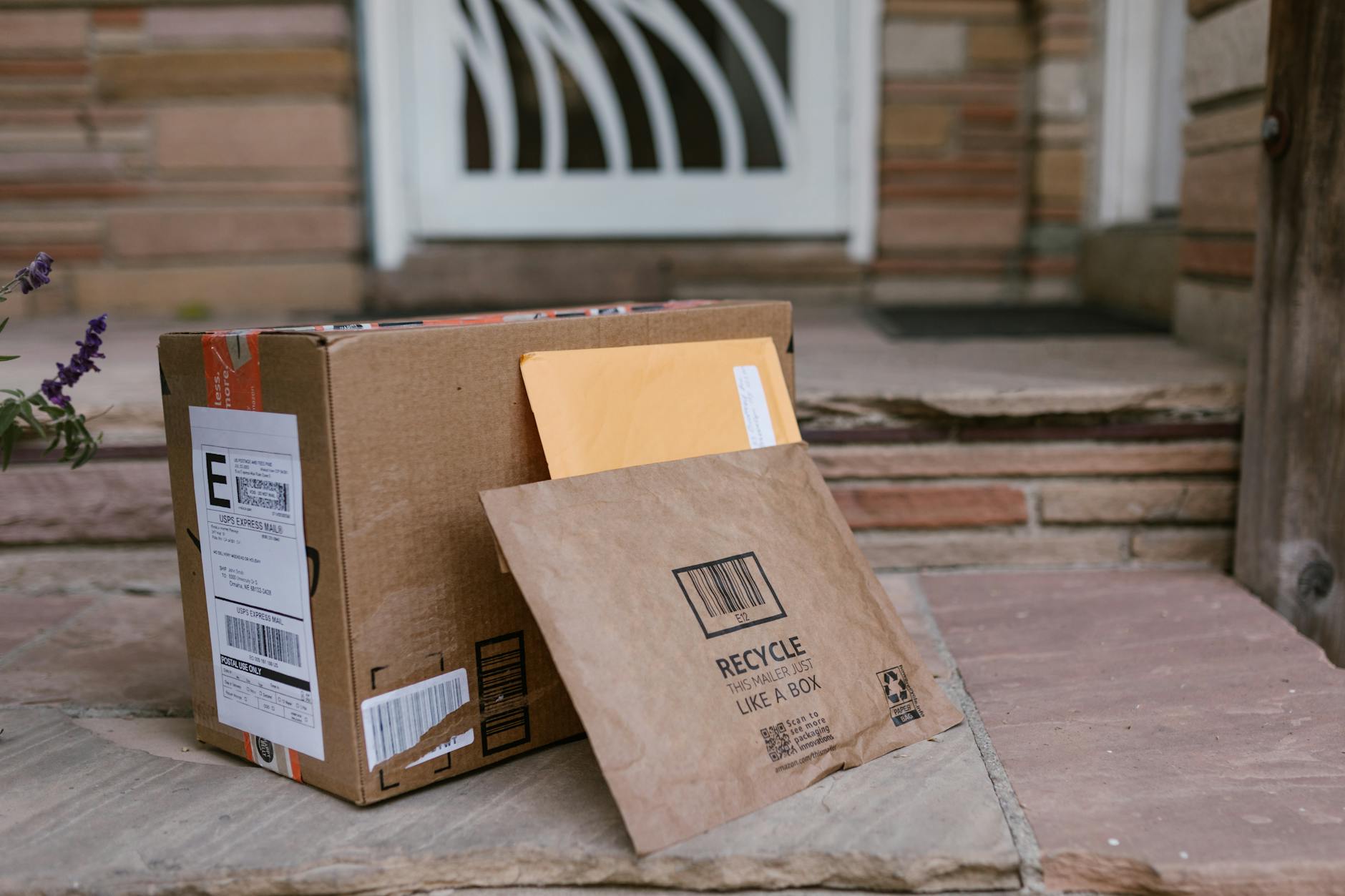
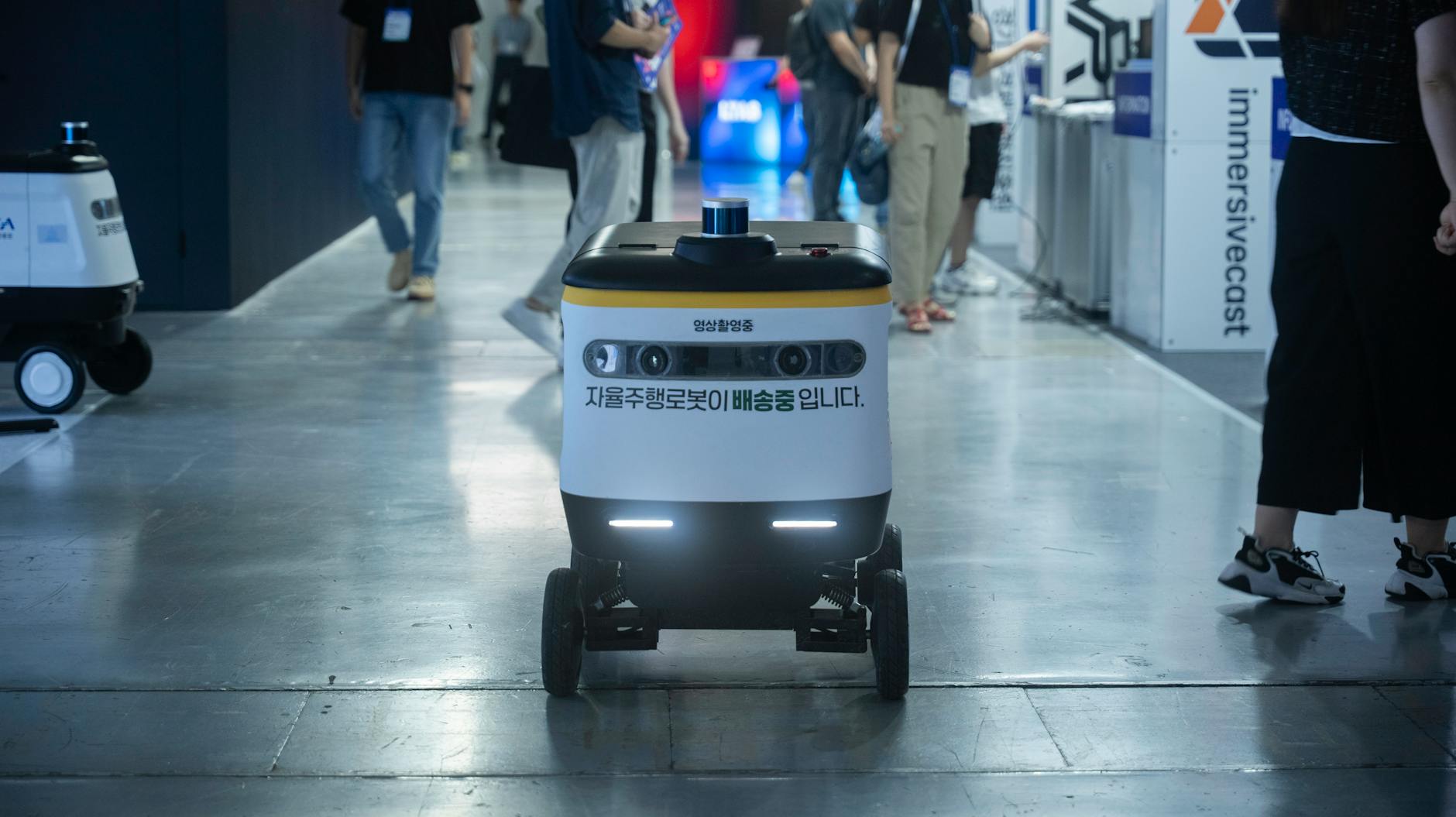
serve Robotics employs a purpose-built autonomous vehicle platform designed specifically for sidewalk navigation rather than adapting automotive technology for pedestrian environments. The robots stand approximately knee-height, travel at walking speed, and use a combination of cameras, lidar, ultrasonic sensors, and radar to perceive their surroundings. This multi-sensor approach provides redundancy and enables operation in varied lighting and weather conditions. The navigation system uses high-definition maps combined with real-time perception to handle complex urban environments.
Serve’s robots must navigate pedestrians, street furniture, construction zones, and unpredictable obstacles that differ substantially from road-based autonomous driving challenges. Machine learning models trained on millions of miles of sidewalk data enable the robots to make decisions about path planning and obstacle avoidance without human intervention for the vast majority of deliveries. Thermal management systems keep food at appropriate temperatures throughout delivery, addressing a practical concern that has limited adoption of some competing solutions. The compartment locks securely and unlocks via customer smartphone, preventing tampering during transit.
- **Operational autonomy**: Current generation robots complete over 99% of deliveries without remote human assistance
- **Payload capacity**: Each robot carries deliveries weighing up to 50 pounds in a temperature-controlled compartment
- **Battery range**: Sufficient for multiple deliveries per charge with automated return to charging stations
The Business Case Behind Robotic Delivery Expansion
The economics of autonomous delivery become increasingly favorable as labor costs rise and technology costs decline. Serve Robotics estimates that its robots can complete deliveries at roughly half the cost of human couriers for trips under two miles, which represent a substantial portion of restaurant and convenience store deliveries. This cost advantage does not require eliminating human workers but rather enables delivery at price points and frequencies that would be economically unviable otherwise. From a restaurant or retailer perspective, robotic delivery offers predictable costs and consistent availability.
Human courier availability fluctuates based on weather, time of day, competing gig economy opportunities, and other factors outside merchant control. Robots operate on predetermined schedules and do not decline orders during dinner rush or in light rain. Serve Robotics operates primarily through partnerships with delivery platforms rather than building direct consumer relationships, reducing customer acquisition costs and leveraging existing order flow. This B2B model means revenue depends on maintaining relationships with major platforms but avoids the capital-intensive process of building a delivery marketplace from scratch.
- **Unit economics**: Per-delivery costs decrease as fleet utilization increases and maintenance operations scale
- **Availability**: Robots can operate extended hours without overtime considerations
- **Consistency**: Standardized delivery times improve customer experience and merchant planning
Competitive Landscape in the Autonomous Delivery Sector
Serve Robotics operates in an increasingly crowded market, though the company has established meaningful differentiation. Starship Technologies, originating from Skype co-founders, operates substantial robot fleets primarily on college campuses and in suburban planned communities. Kiwibot focuses on university campuses and select urban markets. Nuro, backed by significant venture funding, takes a different approach with larger road-based vehicles designed for bigger payloads. The major technology companies have shown varied approaches to this space.
Amazon has tested delivery robots under the Scout program and recently restarted development efforts. Google-affiliated Wing focuses on drone delivery rather than ground robots. Each approach involves distinct regulatory challenges, operational requirements, and addressable markets. Serve Robotics’ Los Angeles operational base provides advantages in demonstrating capability in a dense urban environment, while competitors with primarily campus deployments face questions about scalability to major metropolitan markets. The company’s relationship with Uber, including Uber’s equity stake, provides strategic advantages that pure-play robotics startups lack.
- **Sidewalk versus road**: Serve Robotics’ sidewalk approach avoids many road vehicle regulations but introduces pedestrian interaction challenges
- **Urban versus suburban**: Dense urban environments offer more delivery demand per square mile but more complex navigation requirements
- **Platform partnerships**: Alignment with major delivery platforms provides order volume but creates dependency
Regulatory Environment and Expansion Challenges
Autonomous delivery robots face a patchwork of regulations that vary significantly by jurisdiction. Some cities have enacted specific ordinances permitting sidewalk delivery robots under defined conditions, while others have banned them or have no applicable rules, creating legal ambiguity. California, where Serve Robotics is headquartered and operates most extensively, permits delivery robots weighing under 50 pounds to operate on sidewalks with certain restrictions. Obtaining permits and approvals in new markets represents a meaningful barrier to rapid expansion.
Each city may require safety demonstrations, insurance documentation, and community engagement before permitting commercial operations. Some municipalities have expressed concerns about sidewalk accessibility for people with disabilities, pedestrian safety, and the appropriateness of commercial robot traffic in public spaces. Serve Robotics has dedicated regulatory affairs resources and works proactively with city officials before seeking market entry. The company’s safety record, with no reported injuries from robot operations, supports expansion arguments, though individual incidents in any autonomous delivery program can affect public perception industry-wide.
- **Weight limits**: Most jurisdictions permitting delivery robots impose weight restrictions that shape vehicle design
- **Speed restrictions**: Typical limits of 3-4 miles per hour keep robots at pedestrian pace
- **Operational areas**: Many permits restrict robots from certain zones such as crowded downtown cores or near schools
Investor Interest and Stock Performance Patterns
Serve Robotics became publicly traded through a SPAC merger with Patricia Acquisition Corp, beginning trading in 2024. The stock has experienced significant volatility, with sharp movements following expansion announcements, partnership news, and quarterly earnings reports. Trading volume has increased substantially during periods of major news, reflecting growing investor attention to the company. Institutional ownership has increased as the company has demonstrated operational progress and secured meaningful partnerships.
The Magna International manufacturing agreement and Uber expansion plans represent the type of commercial validation that can attract investors who had previously viewed sidewalk delivery robots as unproven concepts. The company has raised capital through multiple mechanisms including its public listing and subsequent offerings. This funding supports the substantial investment required to manufacture robots, build operational infrastructure, and expand to new markets. Investors weighing Serve Robotics must consider both the growth potential if autonomous delivery scales and the execution risks inherent in early-stage robotics companies.
- **Market capitalization**: Fluctuates significantly but expansion news has driven notable increases
- **Trading volatility**: Higher beta than broader market indices reflects speculative interest and news sensitivity
- **Analyst coverage**: Growing as company achieves milestones, though coverage remains less extensive than larger robotics firms
How to Prepare
- **Assess delivery profile compatibility**: Review your typical delivery distances, order sizes, and time-of-day patterns. Robotic delivery currently works best for trips under two miles with payloads under 50 pounds, making it suitable for quick-service restaurants, convenience stores, and pharmacies but less appropriate for large grocery orders or extended delivery radii.
- **Evaluate market availability**: Check whether Serve Robotics or competing providers operate in your geographic area. Coverage remains concentrated in select markets, and expansion plans may not include your location in the near term. Contact providers directly about timeline expectations for market entry if not currently available.
- **Review integration requirements**: Understand how robotic delivery connects to your existing order management systems. Most providers integrate through delivery platform APIs, meaning businesses using Uber Eats or similar platforms may require minimal technical changes. Direct integration requires more substantial development work.
- **Calculate economic impact**: Model the financial implications using realistic assumptions about order volume, delivery fees, and customer adoption. Request specific pricing from providers rather than relying on general industry estimates, as terms vary based on volume commitments and market factors.
- **Plan operational adjustments**: Consider how staff will interact with delivery robots during order handoff. Packaging, timing, and staging areas may require modification. Robots need clear access to pickup points without steps or narrow passages that impede navigation.
How to Apply This
- **Contact delivery platform representatives**: If you currently use Uber Eats, DoorDash, or similar platforms, inquire about robotic delivery availability through your existing account relationships. Platform representatives can explain current coverage and potential pilot opportunities.
- **Pilot with limited scope**: Begin with a subset of orders meeting ideal parameters rather than attempting full conversion. This allows operational learning without disrupting existing delivery arrangements. Track completion rates, delivery times, and customer feedback carefully during initial deployment.
- **Communicate with customers**: Inform customers about the robotic delivery option through order notifications and marketing materials. Set appropriate expectations about the delivery experience, including how to retrieve orders from the robot compartment.
- **Monitor and iterate**: Review performance data regularly and adjust operational parameters based on results. Identify order types, times, or destinations where robotic delivery performs best and concentrate volume in those areas while maintaining traditional delivery for less suitable orders.
Expert Tips
- **Focus on repeat-order businesses**: Robotic delivery performs best for establishments with high order frequency and predictable patterns. Coffee shops with regular morning customers, lunch spots serving nearby offices, and convenience stores with neighborhood regulars benefit most from operational consistency.
- **Consider weather limitations realistically**: While modern delivery robots handle light rain and moderate temperatures, severe weather may trigger service suspensions. Maintain backup delivery capacity for weather events rather than assuming uninterrupted robotic availability.
- **Time pilot programs strategically**: Launch during periods of stable operations rather than peak seasons when staff attention is stretched. This allows proper focus on learning the new delivery modality without compromising core business performance.
- **Document customer feedback systematically**: Collect structured feedback about the robotic delivery experience rather than relying on anecdotal impressions. This data supports decisions about expanding robotic delivery share or maintaining current levels.
- **Watch competitor adoption**: Monitor whether competing businesses in your area adopt robotic delivery, as customer expectations may shift based on availability elsewhere. Early adoption can provide differentiation, but waiting allows learning from others’ experiences.
Conclusion
The buzz surrounding Serve Robotics following its major delivery expansion news reflects genuine progress in autonomous delivery technology and meaningful commercial validation from major partners. The company has moved beyond proof-of-concept demonstrations to large-scale operational deployments with Uber Eats, 7-Eleven, and other partners, achieving milestones that position it among the leaders in sidewalk delivery robotics. The planned expansion to 2,000 robots across multiple markets represents a scale that will test operational capabilities while potentially establishing sustainable competitive advantages. For the robotics and automation industry, Serve Robotics’ trajectory illustrates both the potential and challenges of commercializing autonomous systems for real-world applications.
The technology must function reliably across diverse conditions while achieving unit economics that justify capital investment. Regulatory pathways must be navigated market by market. Customer acceptance must be earned through consistent positive experiences. Businesses evaluating robotic delivery should monitor Serve Robotics’ expansion progress as an indicator of the broader sector’s maturation, while investors should weigh growth potential against execution risks inherent in scaling novel technology platforms.
Frequently Asked Questions
How long does it typically take to see results?
Results vary depending on individual circumstances, but most people begin to see meaningful progress within 4-8 weeks of consistent effort. Patience and persistence are key factors in achieving lasting outcomes.
Is this approach suitable for beginners?
Yes, this approach works well for beginners when implemented gradually. Starting with the fundamentals and building up over time leads to better long-term results than trying to do everything at once.
What are the most common mistakes to avoid?
The most common mistakes include rushing the process, skipping foundational steps, and failing to track progress. Taking a methodical approach and learning from both successes and setbacks leads to better outcomes.
How can I measure my progress effectively?
Set specific, measurable goals at the outset and track relevant metrics regularly. Keep a journal or log to document your journey, and periodically review your progress against your initial objectives.
When should I seek professional help?
Consider consulting a professional if you encounter persistent challenges, need specialized expertise, or want to accelerate your progress. Professional guidance can provide valuable insights and help you avoid costly mistakes.
What resources do you recommend for further learning?
Look for reputable sources in the field, including industry publications, expert blogs, and educational courses. Joining communities of practitioners can also provide valuable peer support and knowledge sharing.