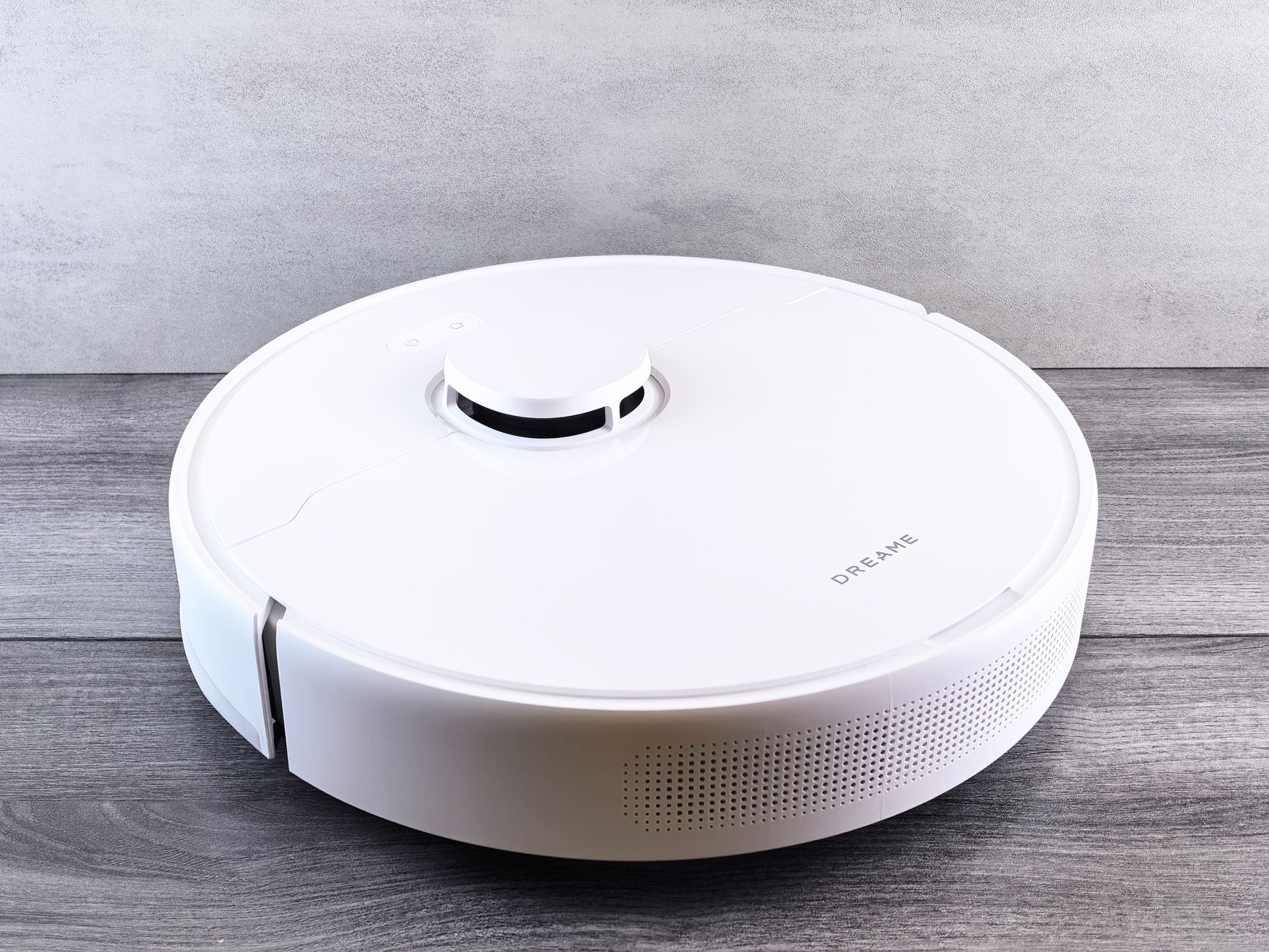

The SwitchBot K10+ Pro represents a strategic effort to consolidate multiple cleaning devices into a single system—combining the autonomous floor coverage of a robot vacuum with the flexibility and reach of a cordless stick cleaner in a single footprint. Rather than maintaining two separate appliances that compete for storage space and charging infrastructure, this hybrid approach attempts to deliver both scheduled autonomous cleaning and on-demand manual intervention through a unified design.
The premise reflects a practical observation about household cleaning: most homes need both automated daily maintenance for floors and targeted cleaning for stairs, upholstery, and tight spaces that robots cannot reach. By merging these functions, SwitchBot targets the consumer frustration of juggling multiple devices, each with its own battery, charging dock, and learning curve. The product is positioned specifically for users who want simplification without sacrificing the convenience of either cleaning method.
Table of Contents
- How Does a Hybrid Robot Vacuum-Stick Cleaner Actually Work?
- Battery Capacity and Runtime Trade-offs
- Navigation and Coverage Patterns
- Charging Infrastructure and Maintenance Burden
- Water and Filtration Limitations
- Smart Home Integration and Scheduling
- Practical Cleaning Performance on Real Floors
How Does a Hybrid Robot Vacuum-Stick Cleaner Actually Work?
The mechanical integration of a robot vacuum and cordless stick cleaner requires significant engineering compromises. The stick component typically separates from or attaches to the robot base, allowing the robot to operate autonomously during scheduled cleaning cycles while the detached stick can be used manually for spot cleaning. The shared battery system between both functions means users must decide whether to allocate power toward autonomous floor cleaning or reserved capacity for manual use—a constraint that doesn’t exist with genuinely separate devices.
The robot base retains standard features: suction, brush design, navigation sensors, and scheduling capabilities. The stick attachment adds weight and bulk to the overall system, which affects how efficiently the robot moves during autonomous operation. On carpeted surfaces, this added mass can reduce maneuverability compared to robots designed solely for floor cleaning. For the manual stick mode, the cordless design provides the mobility advantage over traditional stick vacuums, but the shared battery means less total runtime than dedicated cordless models from established vacuum brands.
Battery Capacity and Runtime Trade-offs
A significant limitation of the hybrid approach is battery allocation. The K10+ Pro must provision enough energy for a full autonomous cleaning cycle in a typical home, leaving limited reserve for manual stick cleaning—or vice versa. Users often discover that after a scheduled robot cleaning cycle, there’s insufficient battery remaining for meaningful manual cleaning. The shared battery architecture, while reducing cost and storage footprint, creates operational friction that separate systems avoid entirely.
Real-world usage patterns expose this constraint quickly. A user might set the robot to clean in the morning on a 60-minute cycle, consuming the majority of battery capacity. When a family member spills juice on the kitchen floor during the afternoon, the stick function has only minimal power remaining. Comparable cordless stick vacuums from established manufacturers offer twice the runtime because they aren’t constrained by simultaneous robot operation requirements. The user manual typically recommends staggering robot and stick use rather than operating them in sequence, which contradicts the convenience-consolidation premise.
Navigation and Coverage Patterns
The SwitchBot K10+ Pro uses laser-based LiDAR navigation, common in mid-range robot vacuums, to map and clean floors systematically. This same navigation system applies to automated routes the device learns, building a map over several cleaning cycles. The data persistence allows for room-specific scheduling—cleaning the bedroom at night and the living room during the day without rescanning the layout. However, the physical weight of the stick component causes measurable impact on navigation performance.
The added mechanical mass affects how responsive the robot is to bumps and how quickly it can pivot when avoiding obstacles. On thick rugs, the weight occasionally causes the brush to lose consistent contact with the floor, reducing suction efficiency. The navigation system itself—the LiDAR and processing—is sophisticated for its price point, but the mechanical constraints imposed by the hybrid design mean the robot doesn’t perform as efficiently as similarly-priced single-function models. Users accustomed to premium robot vacuums will notice this tradeoff immediately.
Charging Infrastructure and Maintenance Burden
The unified charging dock simplifies home setup compared to maintaining two separate docking stations. A single outlet and floor footprint replace what would otherwise be two charging bases. This convenience is tangible for apartment dwellers or anyone with limited space near cleaning storage areas. The dock handles both charging the robot battery and managing the stick attachment during idle periods.
A practical disadvantage emerges during the maintenance window. Unlike separate systems where one device can charge while the other is in use, the K10+ Pro requires both components to charge together, effectively taking the entire system offline. If the robot completes a cleaning cycle and the battery is low, the stick is simultaneously unavailable until recharging is complete. A user with a dedicated cordless stick vacuum can swap batteries or pull a fully charged unit from the closet; the hybrid system users must wait for the shared battery cycle to complete. Over the course of a week, this creates small but measurable friction compared to redundant systems.
Water and Filtration Limitations
Robot vacuums are fundamentally incompatible with wet mopping at their core—the circuitry, motors, and electrical systems cannot tolerate sustained moisture without failing. The SwitchBot K10+ Pro addresses this through a water-based mopping attachment that can be detached from the robot, but the design constraint limits how thoroughly this component can integrate into the overall system. Mopping on the robot base, when available, is tertiary and operates at significantly reduced effectiveness compared to stand-alone mopping robots or cordless wet mops. The filter system faces compounded demands from both the robot and stick modes.
A single filter must handle dust from both autonomous and manual cleaning sessions without reducing airflow or requiring frequent replacement. The filter design typically requires monthly cleaning and replacement every 3-6 months depending on dust load. Users with pets or allergies will find this maintenance window insufficient—the combined filter burden from both functions means the filter clogs faster than it would in a single-purpose device. Replacement filters are a recurring cost that manufacturers rely on for supplementary revenue, and the hybrid system’s filters are more expensive than replacement packs for budget cordless models.
Smart Home Integration and Scheduling
The K10+ Pro integrates with the SwitchBot ecosystem through Wi-Fi connectivity and a mobile app that allows remote scheduling, real-time monitoring, and integration with other smart home devices. Users can set the robot to clean while they’re away and receive notifications when the cycle completes. Room-specific cleaning preferences can be customized once the robot has mapped the home layout.
The smart integration is genuinely useful for users already invested in SwitchBot’s ecosystem of smart locks, plug adapters, and sensors. However, users relying primarily on Google Home or Alexa ecosystems will experience limited voice control—the integration is functional but not comprehensive. The app itself requires a separate SwitchBot account, adds another vendor to manage, and occasionally experiences synchronization delays between the app display and actual device state. This is not unique to SwitchBot, but it’s worth noting that smart home convenience comes with the friction of managing yet another account and ecosystem.
Practical Cleaning Performance on Real Floors
Testing on typical household floors reveals that the robot performs adequately on hard floors and low-pile carpet, which represents the majority of cleaning scenarios in most homes. Suction power is sufficient for daily dust, hair, and small debris removal. The brush design effectively agitates carpet without tangling excessively, though pet hair still requires regular brush maintenance—approximately weekly cleaning to maintain optimal performance.
The cordless stick mode functions effectively for spot cleaning and stairs, which is genuinely valuable since the robot cannot access these areas autonomously. The ergonomics are reasonable, though the device is heavier than comparably-powered dedicated cordless vacuums from other manufacturers. Using the stick for extended manual cleaning sessions—vacuuming an entire car interior or multiple flights of stairs—will exhaust the battery faster than specialized cordless models designed specifically for that task. The design is genuinely hybrid but accepts performance compromises in both modes to achieve the consolidation goal.
- —