
The question of whether Symbotic stock represents the next big warehouse robotics winner has captivated investors seeking exposure to the automation revolution sweeping through global supply chains. As labor costs rise and e-commerce demands intensify, companies deploying advanced robotics solutions in distribution centers have attracted significant attention from Wall Street. Symbotic, with its AI-powered autonomous systems designed to transform how warehouses operate, sits at the center of this conversation. The warehouse automation market faces a fundamental transformation. Traditional distribution centers rely heavily on manual labor for tasks like sorting, storing, and retrieving goods—processes that are slow, error-prone, and increasingly expensive.
Symbotic has developed an end-to-end system that deploys fleets of autonomous robots working in concert with sophisticated software to dramatically improve efficiency. The company’s technology promises to reduce operating costs while increasing storage density and order accuracy, addressing pain points that have long plagued retailers and distributors. This analysis examines Symbotic’s technology, financial position, competitive landscape, and growth trajectory to help investors understand whether the company can deliver on its ambitious promises. Readers will gain insight into the warehouse robotics market dynamics, Symbotic’s differentiated approach, the risks and opportunities facing the company, and how to evaluate its stock as a potential investment. Understanding these factors is essential for anyone considering a position in what could become a defining company in the industrial automation sector.
Table of Contents
- What Makes Symbotic a Contender in the Warehouse Robotics Market?
- Symbotic’s Financial Performance and Revenue Growth Trajectory
- Competitive Landscape in Warehouse Automation Technology
- How to Evaluate Symbotic Stock as a Robotics Investment
- Risks and Challenges Facing Symbotic’s Growth Story
- The Broader Warehouse Robotics Market Opportunity
- How to Prepare
- How to Apply This
- Expert Tips
- Conclusion
- Frequently Asked Questions
What Makes Symbotic a Contender in the Warehouse Robotics Market?
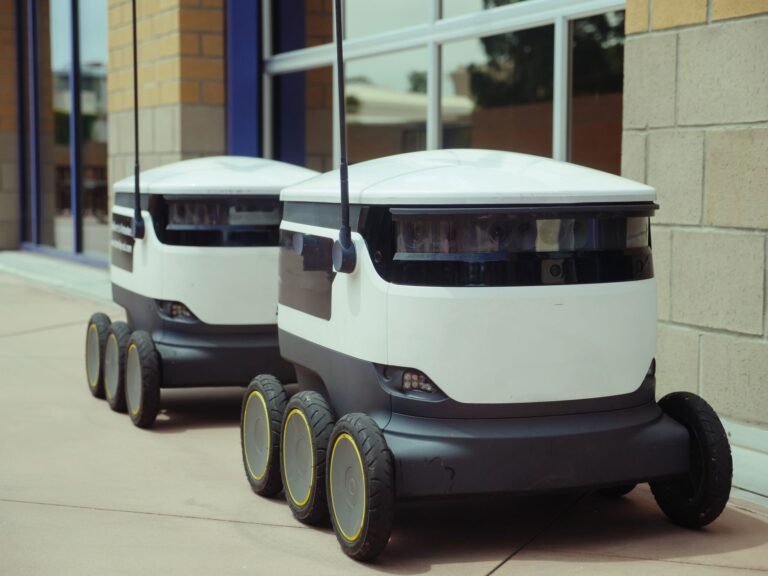
Symbotic distinguishes itself through a fully integrated approach to warehouse automation that combines hardware, software, and artificial intelligence into a cohesive system. Unlike competitors offering piecemeal solutions, Symbotic deploys what it calls a “symbiotic” relationship between autonomous mobile robots (AMRs), a proprietary software platform, and machine learning algorithms that continuously optimize operations. The company’s bots navigate three-dimensional structures within warehouses, handling cases of goods with precision while adapting to changing inventory patterns. The technology addresses critical inefficiencies in traditional warehouses.
Conventional distribution centers utilize only 25-30% of their available cubic space, with aisles and shelving designed around human workers. Symbotic’s systems can increase storage density by up to 50% while simultaneously improving throughput speeds. The robots operate continuously without breaks, sick days, or training requirements, handling the repetitive tasks that contribute to high turnover rates in warehouse employment. Each installation generates massive amounts of operational data that feeds back into the system, enabling ongoing performance improvements.
- **Integrated ecosystem approach**: Unlike bolt-on automation tools, Symbotic provides complete warehouse orchestration
- **AI-driven optimization**: Machine learning algorithms route robots and manage inventory placement dynamically
- **Scalable architecture**: Systems can expand incrementally as customer needs grow

Symbotic’s Financial Performance and Revenue Growth Trajectory
Symbotic’s financial story reflects a company in high-growth mode with an expanding backlog that provides revenue visibility extending years into the future. As of recent reports, the company’s backlog exceeded $23 billion in contracted system deployments, representing committed spending from major retail customers. This backlog offers unusual predictability for a growth-stage company, though investors must understand the difference between contracted future revenue and current cash flows. Revenue recognition in Symbotic’s business model occurs as systems are deployed and commissioned, creating a timing lag between contract signing and reported earnings.
The company has demonstrated consistent quarter-over-quarter revenue increases, with recent fiscal years showing growth rates exceeding 50% annually. Gross margins have improved as the company gains manufacturing scale and deployment experience, though the path to sustained profitability requires continued execution on existing contracts while managing installation costs. The customer concentration presents both opportunity and risk. Walmart, one of Symbotic’s largest shareholders and customers, represents a substantial portion of the current backlog. While this relationship validates the technology and provides stable demand, it also creates dependency on a single partner’s deployment timeline and strategic priorities.
- **Backlog exceeding $23 billion**: Provides multi-year revenue visibility
- **Revenue growth above 50% annually**: Demonstrates market traction and customer adoption
- **Improving gross margins**: Scale benefits emerging as deployment volume increases
Competitive Landscape in Warehouse Automation Technology
The warehouse robotics sector has attracted formidable competitors ranging from established industrial giants to well-funded startups. Amazon’s acquisition of Kiva Systems (now Amazon Robotics) demonstrated the strategic value of warehouse automation, though Amazon has kept this technology largely proprietary. This has created opportunity for independent providers like Symbotic, AutoStore, Ocado, and numerous others targeting retailers who compete directly with Amazon and cannot access its systems. AutoStore represents perhaps the most direct competitive comparison, offering cube-based storage systems where robots traverse grid structures to retrieve bins. The Norwegian company has deployed systems globally and recently went public, providing a market valuation benchmark.
Symbotic differentiates by handling full cases rather than individual items, targeting different use cases in the distribution chain. Ocado, the British technology company, has licensed its automation systems to grocers worldwide, though its focus on temperature-controlled environments and e-commerce fulfillment positions it somewhat adjacently to Symbotic’s sweet spot. Traditional material handling companies including Dematic, Honeywell Intelligrated, and Swisslog have developed their own automation offerings, often through acquisition. These established players bring existing customer relationships and service networks but may lack the ground-up AI-native architecture that Symbotic has built. The competitive dynamics suggest room for multiple winners serving different segments and use cases within the broader warehouse automation market.
- **AutoStore**: Direct competitor with different architectural approach
- **Ocado**: Focuses on grocery and e-commerce fulfillment
- **Legacy players**: Established relationships but potentially older technology foundations

How to Evaluate Symbotic Stock as a Robotics Investment
Evaluating Symbotic requires frameworks different from traditional industrial companies given its growth profile and emerging profitability. Price-to-sales ratios, revenue growth rates, and backlog conversion metrics matter more at this stage than earnings multiples. Investors should track quarterly system deployments, new customer wins beyond existing relationships, and progress toward consistent positive cash flow generation. The company’s relationship with SoftBank adds another evaluation dimension.
SoftBank’s Vision Fund has been a significant investor, and the creation of GreenBox Systems—a joint venture designed to accelerate deployment through a warehouse-as-a-service model—represents an attempt to expand the addressable market. This structure allows customers to access Symbotic technology through operating agreements rather than large capital expenditures, potentially lowering adoption barriers while creating recurring revenue streams for Symbotic. Comparing Symbotic’s valuation to automation peers requires adjusting for different business models and growth stages. Enterprise value to revenue multiples, forward revenue estimates, and the conversion rate of backlog to recognized revenue all provide useful benchmarks. The stock’s volatility reflects both the growth opportunity and execution uncertainty inherent in scaling complex technology deployments.
- **Track backlog conversion**: Monitor how contracted systems translate to recognized revenue
- **Assess customer diversification**: Reduction in Walmart concentration would reduce risk
- **Monitor GreenBox traction**: The as-a-service model could accelerate market penetration
- **Compare peer valuations**: AutoStore, Ocado, and industrial automation companies provide benchmarks
Risks and Challenges Facing Symbotic’s Growth Story
Every growth investment carries risks, and Symbotic faces several specific challenges that could impact its trajectory. Execution risk looms largest—deploying complex robotics systems in live warehouse environments requires precise coordination, and delays or performance issues could damage customer relationships and strain financial resources. Each installation represents a multi-year project with numerous potential complications. Technology risk persists despite proven deployments. Competitors continue innovating, and a breakthrough in alternative approaches could erode Symbotic’s advantages.
The company must maintain R&D investment to stay ahead while simultaneously deploying current-generation systems at scale. Additionally, the reliance on hardware components creates supply chain vulnerability, as demonstrated during recent global semiconductor shortages. Market cyclicality presents another consideration. Retail capital expenditure budgets fluctuate with economic conditions, and a prolonged downturn could slow new contract signings even if existing backlog provides near-term stability. Customer concentration in the retail sector also means that structural changes in how goods reach consumers could impact demand for distribution center automation.
- **Execution complexity**: Multi-year deployments require sustained operational excellence
- **Technology evolution**: Must continue innovating while deploying current systems
- **Economic sensitivity**: Capital expenditure budgets correlate with business confidence
- **Customer concentration**: Heavy reliance on retail sector and specific large customers
The Broader Warehouse Robotics Market Opportunity
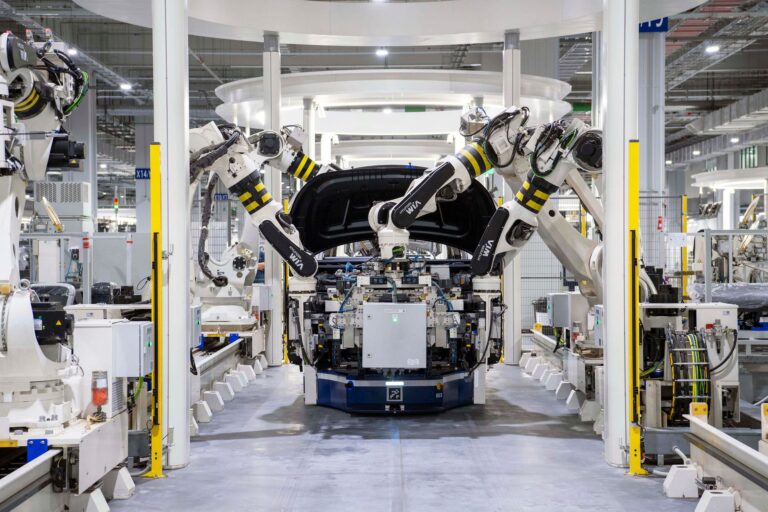
The total addressable market for warehouse automation extends into hundreds of billions of dollars when considering the global installed base of distribution centers requiring modernization. E-commerce penetration continues rising worldwide, driving demand for faster and more efficient fulfillment capabilities. Labor demographics compound this pressure, as fewer workers seek warehouse employment while existing workers demand higher wages and better conditions.
Third-party logistics providers represent an expanding customer category beyond direct retailers. These companies operate warehouses on behalf of multiple clients and face intense pressure to improve efficiency. Their business models align well with automation investments that can reduce variable labor costs and improve service levels for their customers. As Symbotic and competitors prove their technology in flagship deployments, this broader market segment offers substantial expansion potential.
How to Prepare
- **Research the technology fundamentals**: Understand how warehouse automation systems work, including the differences between goods-to-person systems, autonomous mobile robots, and traditional conveyor-based approaches. This foundation helps evaluate competitive positioning and technological moats.
- **Analyze financial statements carefully**: Review quarterly and annual reports focusing on revenue recognition timing, backlog metrics, cash flow patterns, and margin trends. Understand how contract structures impact when revenue appears on income statements.
- **Study the competitive landscape**: Map out key competitors, their customer bases, technological approaches, and financial positions. Understanding relative strengths helps assess whether Symbotic can maintain or expand market share.
- **Evaluate management credibility**: Review earnings calls, investor presentations, and management backgrounds. Track whether previous guidance has proven accurate and how leadership discusses challenges alongside opportunities.
- **Establish position sizing appropriate to risk**: Growth stocks with execution uncertainty warrant position sizes that allow investors to maintain conviction through volatility without portfolio-damaging concentration.
How to Apply This
- **Set price alerts and entry targets**: Rather than chasing momentum, establish price levels where valuation becomes attractive relative to growth prospects and competitive position.
- **Build positions gradually**: Dollar-cost averaging over time reduces the impact of entry timing in volatile stocks while allowing investors to increase or decrease conviction based on new information.
- **Monitor quarterly updates systematically**: Create a checklist of key metrics to review after each earnings release, tracking progress against previous expectations and management guidance.
- **Reassess thesis regularly**: Schedule periodic reviews of the investment thesis, incorporating competitive developments, customer announcements, and technology trends that might alter the outlook.
Expert Tips
- **Focus on backlog quality, not just size**: A growing backlog matters less if existing contracts face delays or modifications. Track commentary about deployment timelines and customer readiness alongside raw backlog numbers.
- **Watch for customer diversification signals**: New customer wins beyond existing relationships reduce concentration risk and validate broader market acceptance of the technology platform.
- **Understand the GreenBox model implications**: The warehouse-as-a-service joint venture with SoftBank could meaningfully change Symbotic’s financial profile if it gains traction, shifting toward recurring revenue from one-time system sales.
- **Compare deployment timelines to guidance**: Management credibility depends on meeting stated milestones. Track actual system completions against previously communicated schedules.
- **Consider the labor market context**: Rising warehouse wages and worker shortages provide tailwinds for automation adoption that exist somewhat independently of Symbotic’s specific execution.
Conclusion
Symbotic occupies an intriguing position in the warehouse robotics market, combining differentiated technology with a substantial backlog and strategic relationships that provide growth visibility unusual for a company at its stage. The opportunity is real—warehouse automation addresses genuine problems facing retailers and distributors, and the market remains early in its transformation toward intelligent robotics systems. Symbotic’s integrated approach and AI-native architecture position it to compete effectively as this transition accelerates.
Whether Symbotic stock becomes the “next big winner” depends on execution over the coming years. Converting backlog to deployed systems, diversifying the customer base, achieving consistent profitability, and staying ahead of competitors all represent necessary conditions for the investment thesis to play out favorably. Investors willing to accept volatility and execution risk in exchange for exposure to a potentially transformative technology trend may find Symbotic worth serious consideration, while those preferring established profitability and predictable returns should recognize this remains a growth-stage opportunity with commensurate uncertainty.
Frequently Asked Questions
How long does it typically take to see results?
Results vary depending on individual circumstances, but most people begin to see meaningful progress within 4-8 weeks of consistent effort. Patience and persistence are key factors in achieving lasting outcomes.
Is this approach suitable for beginners?
Yes, this approach works well for beginners when implemented gradually. Starting with the fundamentals and building up over time leads to better long-term results than trying to do everything at once.
What are the most common mistakes to avoid?
The most common mistakes include rushing the process, skipping foundational steps, and failing to track progress. Taking a methodical approach and learning from both successes and setbacks leads to better outcomes.
How can I measure my progress effectively?
Set specific, measurable goals at the outset and track relevant metrics regularly. Keep a journal or log to document your journey, and periodically review your progress against your initial objectives.
When should I seek professional help?
Consider consulting a professional if you encounter persistent challenges, need specialized expertise, or want to accelerate your progress. Professional guidance can provide valuable insights and help you avoid costly mistakes.
What resources do you recommend for further learning?
Look for reputable sources in the field, including industry publications, expert blogs, and educational courses. Joining communities of practitioners can also provide valuable peer support and knowledge sharing.
Related Reading
- Why Rockwell Automation Stock Belongs in Your Portfolio
- How to Invest in Humanoid Robots Before Mass Production Begins
- Agricultural Robots Are Solving the Global Farm Labor Shortage
- Why Actuator Technology Is the Unsung Hero of Robotics
- ABB Robotics Stock Analysis: Industrial Automation Leader