
A warehouse robot is a programmable machine that moves, handles, stores, sorts, or inspects goods inside a logistics facility. Its components determine what it can do, while the warehouse layout, software integration, and workload determine whether it performs reliably.
Some robots carry shelves or pallets. Others pick individual products, unload trailers, scan inventory, or automate storage and retrieval. The right choice depends on the specific material flow problem, not simply the desire to "add robotics.".
Table of Contents
- The main types of warehouse robots
- What components make a warehouse robot work?
- Capabilities and practical limits
- Where warehouse robots provide the most value
- How to evaluate and deploy a system
The main types of warehouse robots
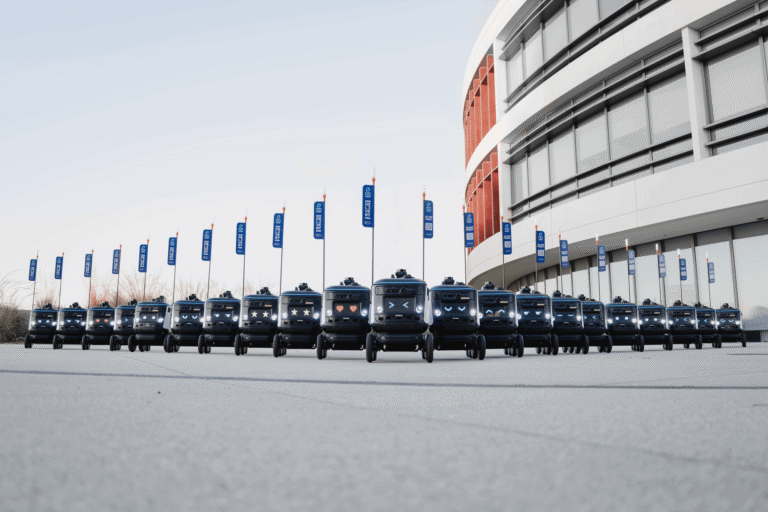
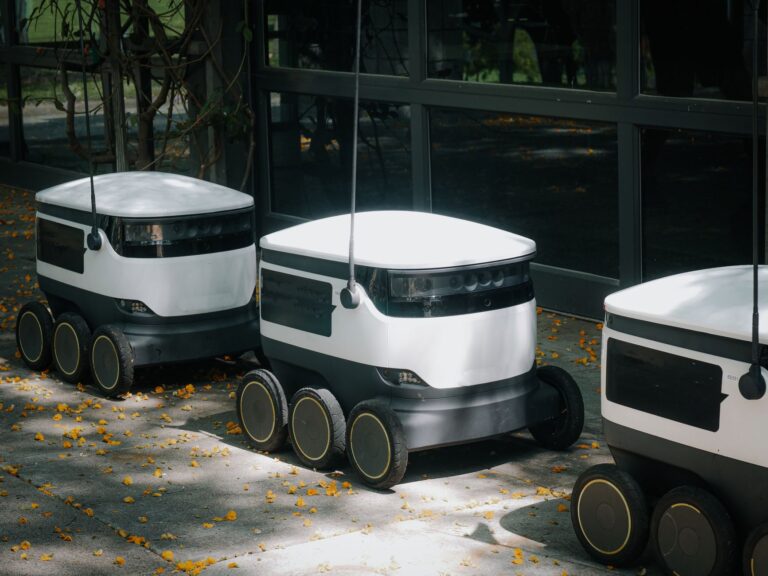
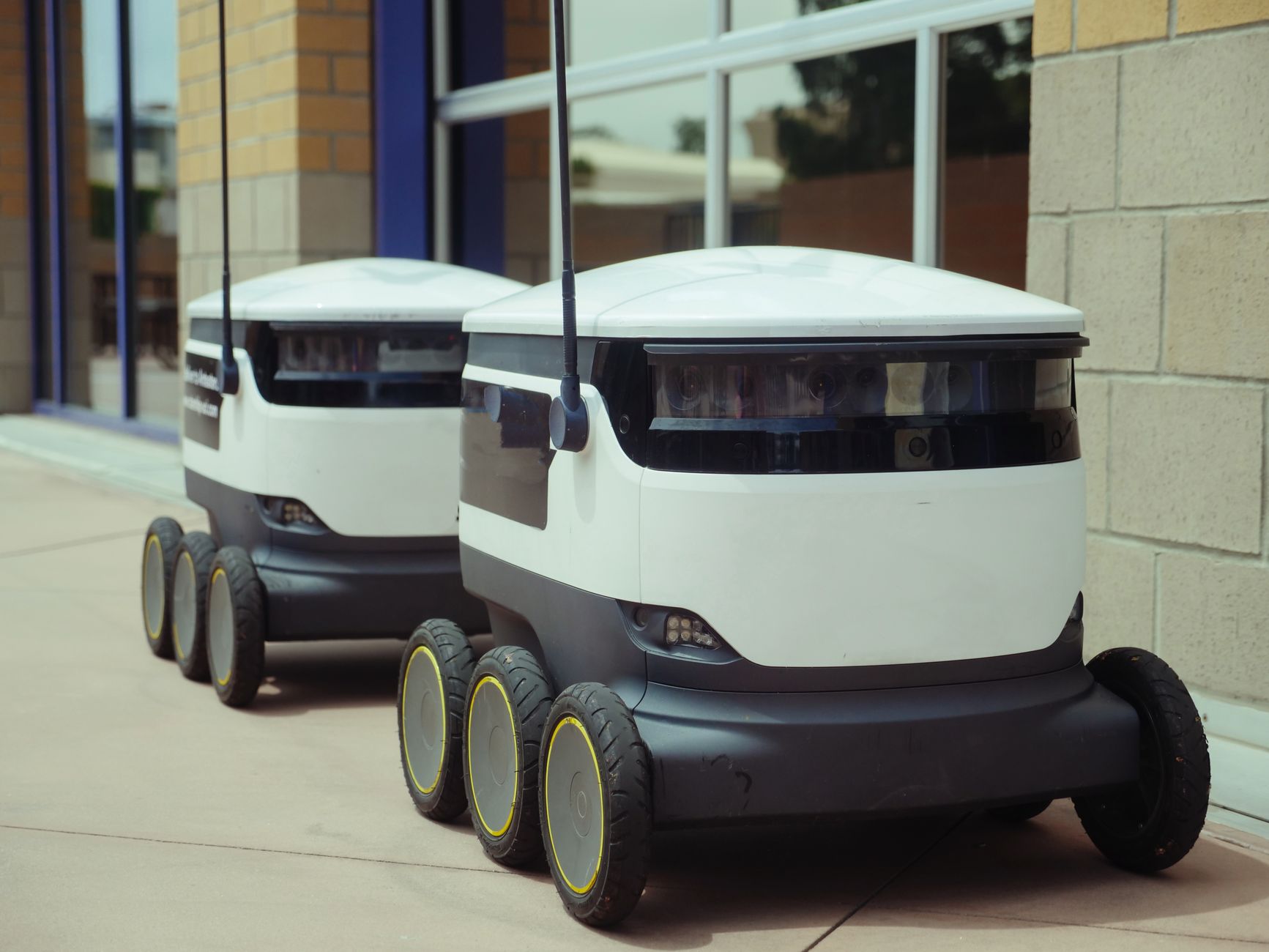
autonomous mobile robots, or AMRs, transport goods using onboard sensors and digital maps. They can usually plan routes around obstacles and adjust when aisles or work areas change. A typical AMR might move totes from storage to a packing station. Automated guided vehicles, or AGVs, also transport materials but generally follow defined routes. Guidance may come from markers, reflectors, magnetic features, or mapped paths.
AGVs can suit stable, repetitive flows where route flexibility matters less than predictable movement. Robotic arms handle goods rather than transporting them across the building. With the correct gripper and vision system, an arm can pick cases, build pallets, sort parcels, or place products into containers. Automated storage and retrieval systems use cranes, shuttles, lifts, or mobile units to place and retrieve inventory within a structured storage area. These systems can use vertical space efficiently, but they require careful planning around capacity, access, and equipment downtime.
What components make a warehouse robot work?
A warehouse robot combines physical hardware with control and coordination software. The exact design varies, but most systems rely on several core elements: Mobile robots may use cameras, laser scanners, wheel measurements, or inertial sensors to determine their position. This process is called localization. Many AMRs combine localization with mapping so they can plan a usable route through the facility. A picking robot also needs an end effector—the tool attached to its arm.
Vacuum cups work for some cartons and rigid packages, while fingers or adaptive grippers may handle other shapes. No single gripper works equally well with boxes, bags, reflective containers, delicate products, and loose items. Fleet software assigns tasks and manages traffic among multiple robots. It may connect with a warehouse management system, which tracks inventory, or a warehouse execution system, which coordinates work across people and equipment. Weak integration can leave capable robots waiting for jobs or delivering goods to the wrong process at the wrong time.
- A frame, drivetrain, arm, lift, conveyor, or other mechanism that performs physical work
- Motors and actuators that create controlled movement
- Sensors that detect position, distance, obstacles, loads, or product features
- An onboard controller that processes sensor data and issues movement commands
- Batteries, charging equipment, or a fixed electrical supply
Capabilities and practical limits
Warehouse robots excel at repeatable, measurable tasks. They can move loads over long routes, deliver items in sequence, scan identifiers, position goods consistently, and operate within structured work cells. Robots can also reduce the time workers spend walking, pushing carts, or repeatedly lifting loads. Their performance still depends on operating conditions. Congested aisles, damaged pallets, floor transitions, unstable loads, blocked sensors, and inconsistent packaging can interrupt a task. A robot that works well with uniform cartons may struggle with transparent wrap, deformable bags, tangled products, or items piled without separation.
mobile robots must balance speed with safe stopping distance. Adding more units does not always produce proportional gains because traffic can accumulate near doors, elevators, chargers, or busy workstations. The slowest transfer point may determine the output of the entire process. Picking accuracy also differs from detection accuracy. A vision system may identify an object correctly but still fail to grip it, separate it from neighboring items, or place it securely. A realistic evaluation should therefore measure completed transfers and successful order lines, not only recognized products.
Where warehouse robots provide the most value
Transport is often a practical starting point because the load and route are easier to define than individual-item picking. Robots can move totes between storage and packing, replenish workstations, carry waste or empty containers, and transfer completed orders to shipping. Other common applications include: The best use cases have frequent tasks, predictable handoff points, and enough volume to keep the equipment productively occupied.
Long travel distances and repetitive ergonomic strain can strengthen the case for automation even when the task itself is simple. Poor candidates include processes with constantly changing load types, undefined exceptions, or unstable upstream operations. Automating a disorganized flow may move its delays elsewhere. For example, faster tote delivery provides little benefit when packing stations lack space or workers must wait for missing inventory.
- Goods-to-person fulfillment, where stored products travel to a stationary worker
- Pallet movement between receiving, storage, production, and shipping
- Case or parcel sorting by destination
- Robotic palletizing and depalletizing
- Machine or conveyor loading
How to evaluate and deploy a system
Start with the workflow rather than a robot model. Record what moves, how far it travels, how often the trip occurs, and what happens when the normal process fails. Include peak periods, shift changes, charging needs, maintenance access, and manual traffic. Ask vendors or internal engineering teams to define: A pilot should reproduce difficult conditions, not just ideal demonstrations.
Test mixed traffic, crowded queues, low battery states, dirty sensors, damaged containers, wireless interruptions, and manual recovery. Measure completed work, intervention time, error rates, congestion, and the effect on nearby processes. Safety requires a site-specific risk assessment because robot behavior interacts with local layouts and work practices. Changes to routes, speeds, payloads, software, or surrounding equipment may require another review. Before acceptance, run a full-shift test using representative loads and document who can stop, isolate, restart, and recover each machine.
- Supported load dimensions, weights, surfaces, and center-of-gravity limits
- Sustained throughput under the proposed layout
- Required network, floor, rack, conveyor, and charging changes
- Interfaces with existing warehouse software
- Recovery procedures for faults, blocked routes, and damaged goods