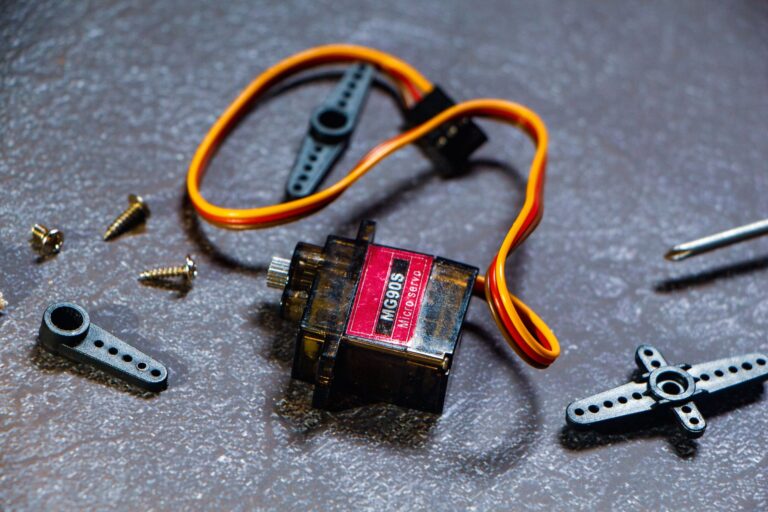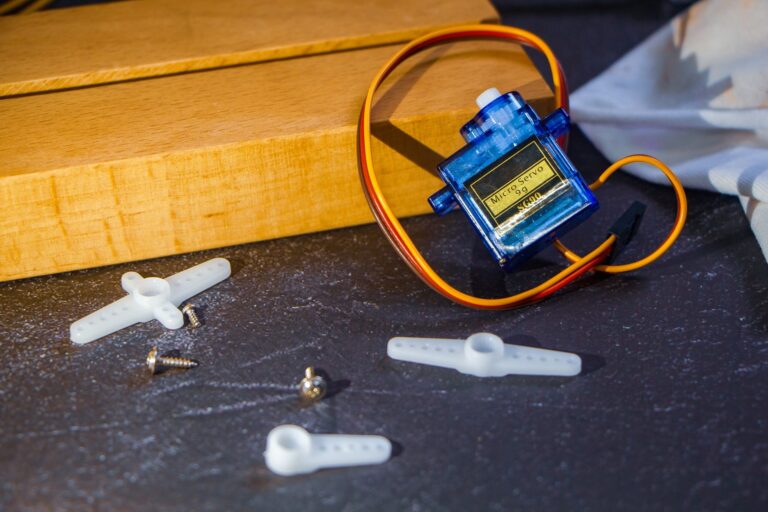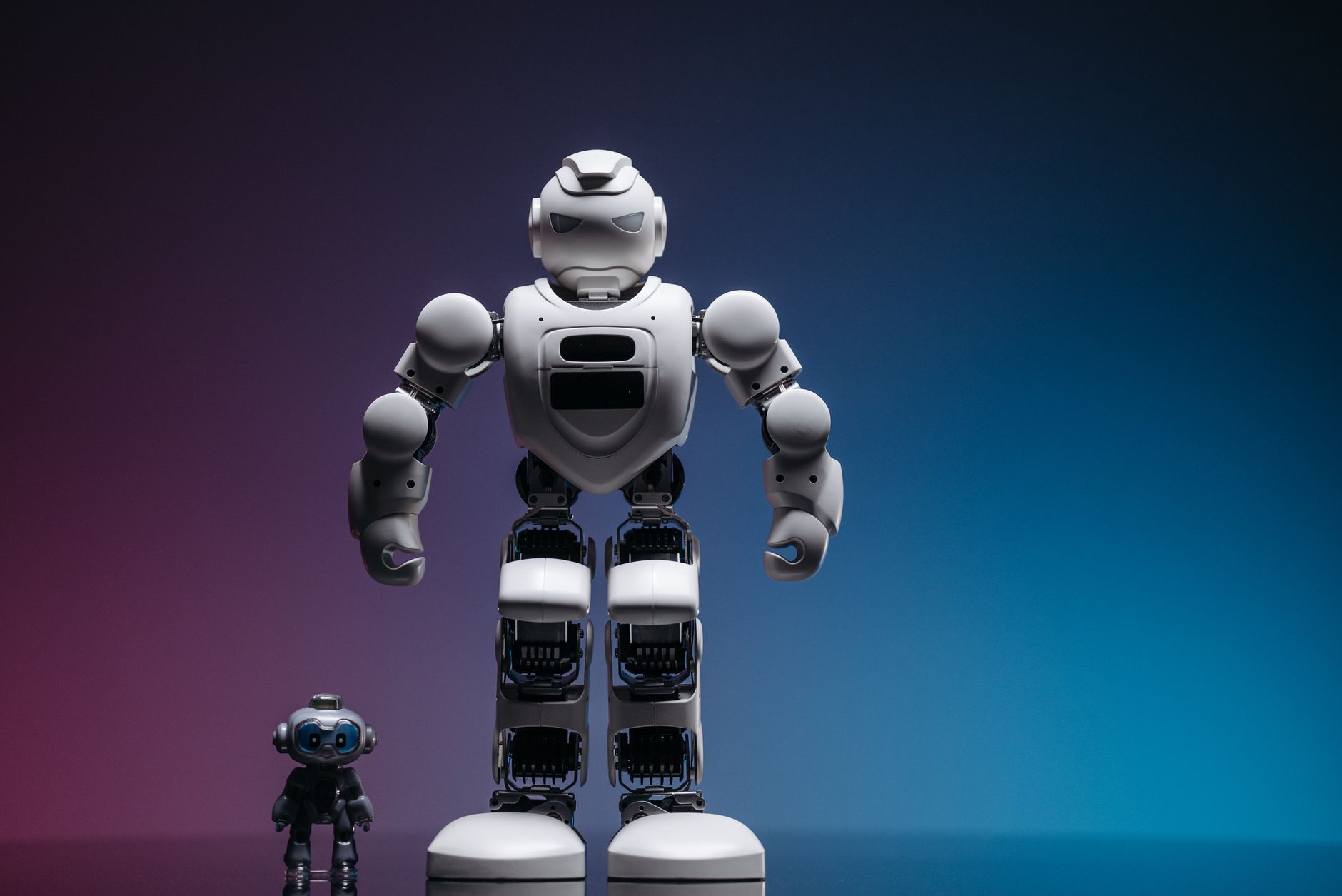

A nano robot is a tiny engineered machine that senses, moves, or does simple work at scales far smaller than a human hair. Manufacturing uses these devices for ultra-precise handling and inspection, while logistics and daily life gain most from sensing, tracking, and health-related research.
Most designs still work in laboratories under microscopes and outside power or steering. They excel at sensing and nudging tiny matter, not at independent work in messy real spaces. That gap shapes what buyers and readers should expect now.
Table of Contents
- How nanorobots help manufacturing
- Why they will not haul freight
- Where daily life could change first
- What limits practical use
- How to judge a nanorobot claim
How nanorobots help manufacturing
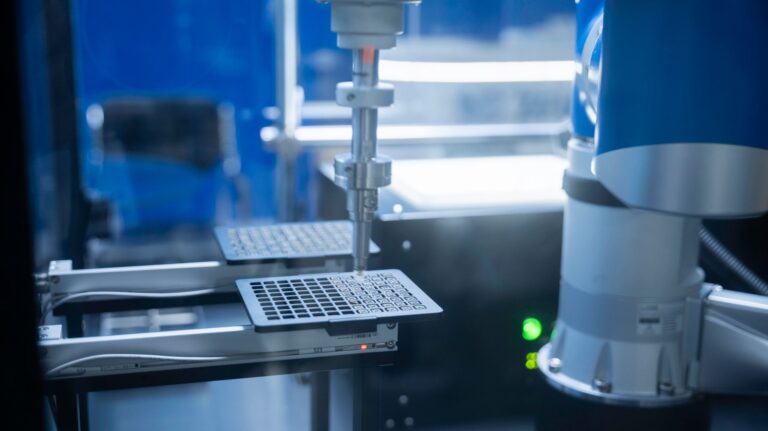
In manufacturing, small size brings precision. Motorized tips and magnetic particles can place, sort, or probe parts too small for fingers or tweezers. Electronics and photonics shops use such tools to inspect surfaces, find defects, and test tiny structures. Researchers also test particles that build coatings, filters, or repair spots when triggered by heat, light, or chemistry.
The idea resembles bricks that arrange themselves after shaking the box. Practical work favors simple, repeatable coatings over complex free-building swarms. Speed and setting limit impact. Nanoscale action covers large areas slowly and often needs clean, wet, or sheltered conditions. The near-term payoff is finer features and better inspection, not faster bulk output.
Why they will not haul freight
A nanoscale device cannot lift a parcel. Air and water buffet it like waves tossing a grain of sand. Larger mobile robots and conveyors will keep doing the lifting, driving, and sorting. Logistics gains come from sensing at the cargo surface.
Responsive coatings and tiny sensors can report heat, moisture, impact, or spoilage inside a package. A cold box that flags a thaw, or a joint that signals a fuel leak, shows the pattern. Think of these as smart dust and labels, not vehicles. They ride with goods and report condition; they do not navigate aisles or choose routes.
Where daily life could change first
Medicine draws strong research interest. Researchers are studying swimmers and carriers that could help with imaging, sampling, or drug delivery inside the body. These approaches still face hard steering, power, and safety hurdles. Near-term home effects look more like better tests than tiny servants.
Water strips, air monitors, and lab-on-chip kits can use nanoscale features to catch contaminants faster. The tiny part does the detecting, while a phone or reader shows the result. Many nano products are passive materials, not machines. A stain-resistant or antibacterial coating has no motor, program, or motion. An active nanorobot adds sensing or movement, but also needs power and direction.
What limits practical use
Physics works against independence. Batteries shrink poorly, so many designs draw power from outside magnets, sound, light, or chemical fuel. Control signals face the same squeeze, with little room for computers or radios.
Place matters too. Blood flow, dust, and turbulence overwhelm simple steering, and tiny particles can travel where larger tools cannot. Cost and safety review add further drag before any wide rollout.
- Power: outside source often required, not onboard battery.
- Steering: external magnets, light, or flow do most guiding.
- Setting: clean liquid or lab bench beats open air or dirt.
- Safety and scale: dose, cleanup, and repeat making need proof.
How to judge a nanorobot claim
Treat bold product claims with care. Ask what the device does alone, where it was tested, and what powers and guides it.
A demo in the claimed setting tells more than a brochure. Ask for that demo in writing before planning a purchase or project.
- Function: sensing, moving cargo, or changing material — which one?
- Setting: lab liquid, factory tool, body, or field — where proven?
- Control: onboard program or outside magnet, light, or operator?
- Proof: live demo and independent test, not animation alone?