
Kennesaw State University's MOVE Center received its first-ever National Science Foundation grant: $399,953 under Award No. 2613366, funded through NSF's Division of Undergraduate Education.
The money supports a Kennesaw State University News announcement covering a soft robotics education project built around low-cost 3D-printed prototypes, digital simulations, and AI-based learning tools. The award puts undergraduate students into territory usually reserved for graduate-level coursework: soft robotics and compliant mechanisms, the branch of robotics that uses flexible, deformable materials instead of rigid joints and motors. Three Southern Polytechnic College of Engineering and Engineering Technology faculty members lead the work, and the grant funds both physical hardware and a PhD position tied directly to the research.
Table of Contents
- Who Runs the Project and What NSF Is Paying For
- How the AI and Digital-Twin Components Fit Together
- Who Benefits — Students, Not K-12 Outreach
- The Funded PhD Position
- Not Tekes's First NSF Education Grant
- Frequently Asked Questions
Who Runs the Project and What NSF Is Paying For
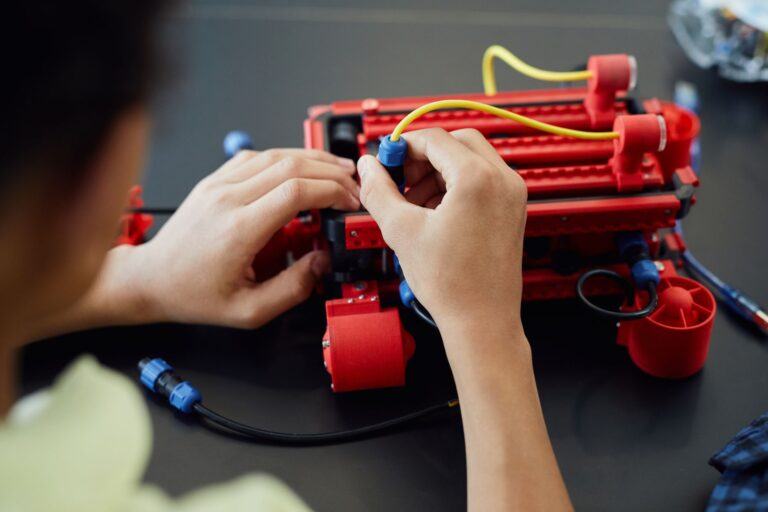
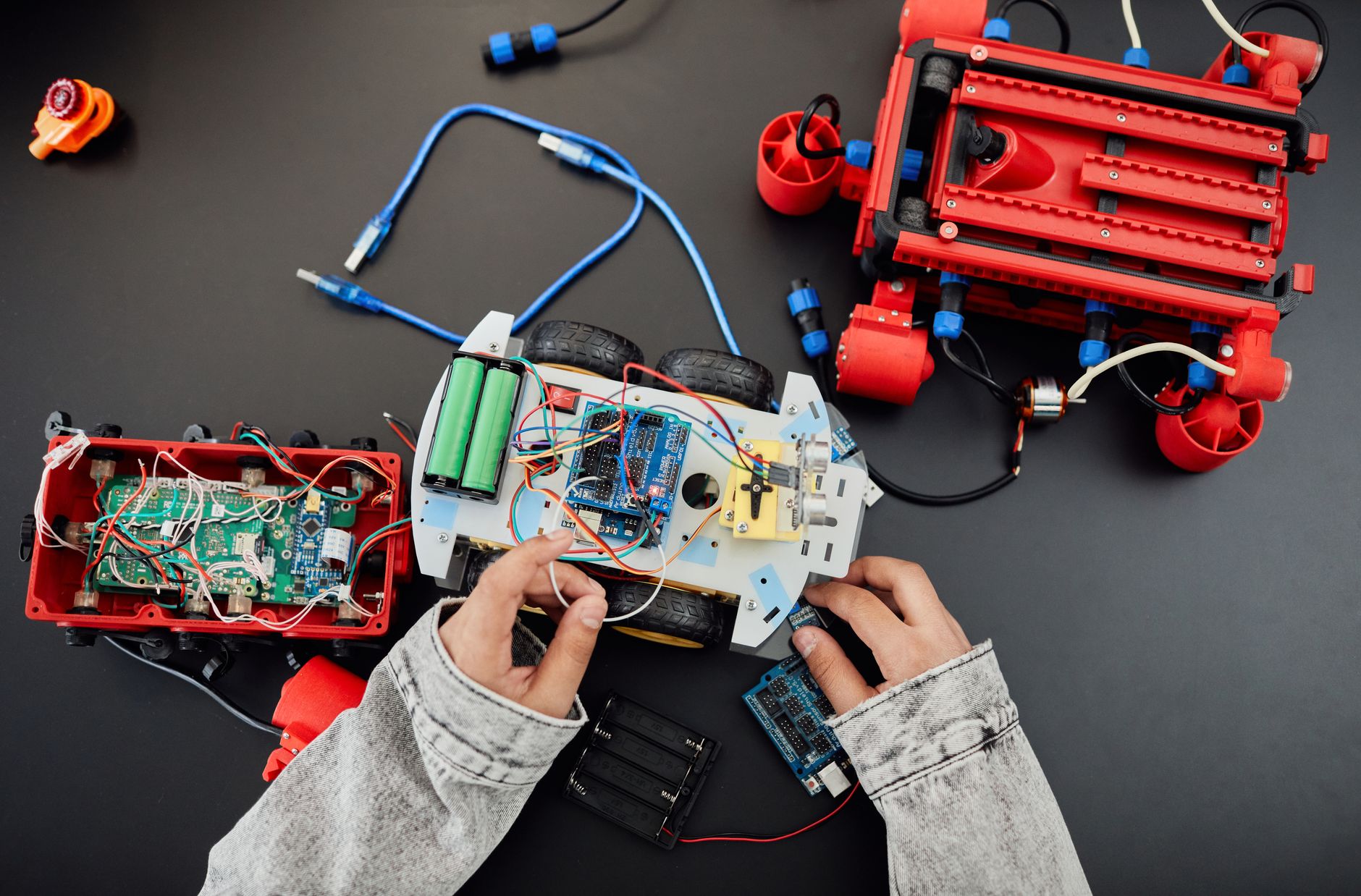
Ayse Tekes, director of KSU's MOVE Center and a mechanical engineering professor, is the principal investigator on the grant. Razvan Voicu and Lei Shi serve as co-principal investigators, and all three hold appointments in the Southern Polytechnic College of Engineering and Engineering Technology, according to Kennesaw State University News. The grant funds three linked deliverables: low-cost 3D-printed physical prototypes of soft robots, digital twins (computer models that mirror how the physical hardware behaves), and AI-enhanced learning tools.
The goal is to give undergraduates hands-on access to soft robotics and compliant-mechanism concepts that typically only appear in graduate courses, as described in the Newswise coverage of the award. Each co-investigator owns a distinct piece of the build. Tekes is constructing the physical soft-robot prototypes and modeling them in MATLAB Simscape, a simulation environment for mechanical systems. Lei Shi is building open-source simulation tools so students can compare a robot's real-world behavior against its simulated predictions, according to a 3Druck.com report on the project.
How the AI and Digital-Twin Components Fit Together
Razvan Voicu leads the project's AI-powered learning-system component. His work pairs the physical prototypes with digital and virtual lab tools, which the same 3Druck.com report describes as built for remote or resource-limited classrooms.
That structure means a student does not need a fully equipped robotics lab to engage with the material. A school with limited hardware budgets can still run the virtual side of the curriculum, while campuses with the physical kits get the added benefit of checking real robot behavior against the simulation. The digital twin and the AI learning tools are designed to work together rather than as separate tracks: Shi's simulation tools generate the predictions, and Voicu's AI layer builds the learning experience around them.
Who Benefits — Students, Not K-12 Outreach
The MOVE Center, whose name stands for Mobility for Everyone, focuses on making advanced mobility and robotics research and teaching tools more accessible, rather than running K-12 outreach programs. The primary beneficiaries of this grant are KSU undergraduate engineering students, plus at least one funded PhD student, according to the MOVE Center's page on the KSU Office of Research site.
That framing matters for anyone trying to figure out whether this grant applies to them. It is not a public-facing robotics-camp grant or a tool aimed at younger students. It is an undergraduate and graduate curriculum investment inside KSU's mechanical engineering program.
The Funded PhD Position
The award is funding a fully-funded PhD position in soft robotics and compliant mechanisms at KSU. The position covers tuition and a monthly stipend, with an application deadline of November 1, 2026, and a projected start in January 2027, according to a ResearchersJob.com listing for the position.
For a prospective applicant, that timeline leaves a narrow window. Anyone interested in soft robotics research under this grant should treat the November 1 deadline as fixed, since the listing ties the stipend and tuition coverage directly to this NSF award.
Not Tekes's First NSF Education Grant
This soft-robotics award is Tekes's second major NSF education grant, not her first foray into undergraduate engineering tools. In 2020, she and Tris Utschig won a three-year, $297,262 NSF IUSE award to deploy sub-$30, 3D-printed lab devices for dynamics, vibrations, machine-design, and controls courses, according to Kennesaw State University News' 2020 announcement. That earlier project measured student outcomes against students who did not use the devices.
The pattern across both grants is consistent: low-cost, 3D-printed hardware paired with a measurement or simulation component, aimed at bringing advanced engineering concepts into standard undergraduate coursework rather than specialized labs. The new soft-robotics award extends that approach from basic mechanical engineering topics into soft robotics and compliant mechanisms specifically. For readers tracking the exact funding window or the full NSF abstract, those details sit in the NSF Award Search record for Award No. 2613366 on nsf.gov — neither the university's announcement nor the newswire coverage publishes the project's start and end dates directly.
Frequently Asked Questions
Is this grant open to K-12 students or outreach programs?
No. The MOVE Center's focus is making mobility and robotics tools more accessible to KSU undergraduates and graduate researchers, not running K-12 outreach.
How much is the NSF grant worth?
$399,953, awarded through NSF's Division of Undergraduate Education under Award No. 2613366.
Has Ayse Tekes received NSF funding before?
Yes. In 2020, she and Tris Utschig received a three-year, $297,262 NSF IUSE award for 3D-printed lab devices in mechanical engineering courses.
You Might Also Like
- Education Robotics Explained for 2026: Who It Affects, Key Evidence, and What to Do Next
- What Is New With Simulation Digital Twins Robotics in October 2026? Latest company releases and research papers and Key Takeaways
- What Is New With Research Robotics in October 2026? Latest company releases and research papers and Key Takeaways