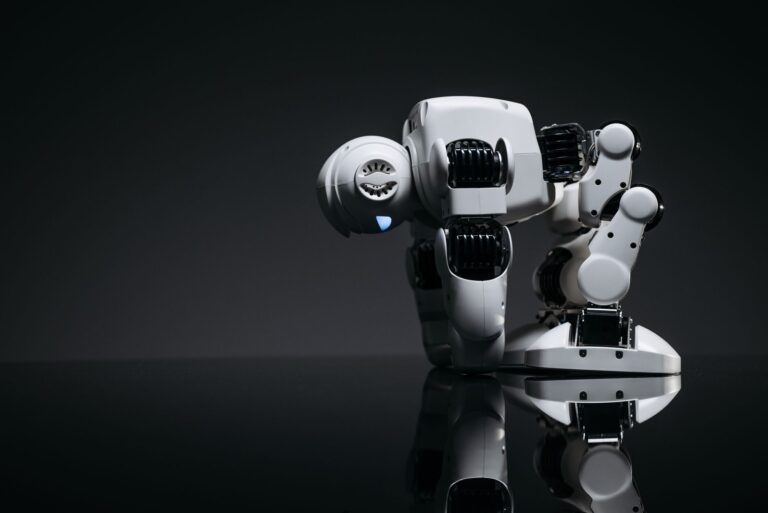

Guardforce AI has emerged as a security robotics play worth watching for investors and industry observers tracking the intersection of artificial intelligence and physical security services. The Hong Kong-based company, which transformed from a traditional cash logistics and security services provider into a technology-forward robotics enterprise, represents a distinctive case study in how legacy security companies can pivot toward automation. With deployments spanning Asia-Pacific markets and an expanding footprint in North America, Guardforce AI occupies a unique position in the nascent but rapidly growing autonomous security robot sector. The security industry faces persistent challenges that robotics technology directly addresses: labor shortages, rising personnel costs, human fatigue during extended surveillance shifts, and the need for consistent, round-the-clock monitoring.
These pressures have accelerated interest in companies developing practical robotic solutions for patrol, surveillance, and threat detection. Guardforce AI’s approach differs from pure-play robotics startups because it combines hardware deployment with existing security infrastructure expertise, creating an integrated service model rather than simply selling robots as standalone products. This article examines why Guardforce AI attracts attention from those monitoring security robotics investments, what distinguishes its business model from competitors, the technological capabilities of its robot fleet, and the realistic challenges the company faces in scaling operations. Readers will gain a clear understanding of the company’s market position, revenue streams, geographic strategy, and the broader industry dynamics that make security robotics an increasingly relevant sector for the 2020s and beyond.
Table of Contents
- What Makes Guardforce AI Stand Out Among Security Robotics Companies?
- Guardforce AI’s Business Model: Robot-as-a-Service in Security Automation
- Geographic Expansion Strategy: From Asia to North American Security Markets
- Technology Capabilities: What Guardforce AI Robots Actually Do
- Financial Considerations and Investment Risks in Security Robotics
- The Broader Security Robotics Market Context
- How to Prepare
- How to Apply This
- Expert Tips
- Conclusion
- Frequently Asked Questions
What Makes Guardforce AI Stand Out Among Security Robotics Companies?
Guardforce AI’s differentiation begins with its corporate history and existing client relationships. Unlike venture-backed robotics startups that must build customer bases from scratch, Guardforce evolved from Guardforce Group, a security services company with over four decades of operational history in Asia. This heritage provided immediate access to enterprise clients, commercial property managers, and government entities already purchasing traditional security services. The transition to robotics occurred through internal development and strategic acquisitions, most notably the purchase of AITX’s subsidiary Robotic Assistance Devices’ technology licensing agreements in certain Asian markets.
The company’s robot lineup addresses multiple security use cases rather than focusing on a single application. The ANBOT series handles autonomous patrol functions in large indoor spaces like shopping malls, airports, and corporate campuses. The S5.2 security robot provides outdoor surveillance capabilities with weather-resistant construction. Specialized units target healthcare facility monitoring, temperature screening (which saw accelerated adoption during the pandemic years), and reception automation. This diversified product approach allows Guardforce to offer comprehensive solutions rather than single-purpose devices.
- Integrated service model combining robots with human security personnel and monitoring centers
- Existing commercial relationships reducing customer acquisition costs compared to pure startups
- Multi-product portfolio addressing different security environments and use cases
- Revenue from both robot-as-a-service subscriptions and traditional security contracts

Guardforce AI’s Business Model: Robot-as-a-Service in Security Automation
The robot-as-a-service (RaaS) model represents Guardforce AI’s primary growth strategy and distinguishes it from companies focused solely on hardware sales. Under this arrangement, clients pay monthly fees for robot deployment, maintenance, software updates, and monitoring services rather than purchasing units outright. This structure creates recurring revenue streams, reduces the upfront cost barrier for clients evaluating robotic security solutions, and keeps Guardforce responsible for equipment performance throughout the service contract.
Financial reports indicate the RaaS segment has grown as a percentage of total revenue, though the company still derives substantial income from legacy cash logistics and manned guarding services. The blended model provides revenue stability during the transition period while robotics adoption scales. Guardforce operates monitoring centers that receive data feeds from deployed robots, enabling centralized oversight of multiple client locations. When robots detect anomalies””unauthorized personnel, unusual sounds, environmental hazards like smoke or flooding””alerts route to monitoring staff who can dispatch human responders or contact emergency services.
- Monthly subscription pricing typically ranges from several hundred to several thousand dollars per robot depending on capabilities
- Contracts often span 36 to 60 months, providing revenue visibility for financial planning
- Maintenance and software updates included in service fees, removing client burden for technical support
- Data from robot deployments feeds back into AI training, theoretically improving detection accuracy over time
Geographic Expansion Strategy: From Asia to North American Security Markets
Guardforce AI’s geographic footprint reflects a deliberate expansion from its Hong Kong and Macau base into broader Asian markets and, more recently, North America. The company established operations in Thailand, Singapore, and Malaysia, leveraging the Guardforce brand recognition in Asia-Pacific commercial real estate and hospitality sectors. These markets share characteristics favorable to security robotics adoption: rising labor costs, dense urban commercial developments, and relatively high technology acceptance among property managers and corporate security directors. The North American push represents higher risk but larger potential market opportunity.
Guardforce has pursued this expansion through partnerships with local security service providers and direct deployments at properties managed by companies seeking differentiated security offerings. The United States commercial security market exceeds $30 billion annually, with physical guarding services comprising the largest segment. Even capturing a small percentage of this market through robotic augmentation represents significant revenue potential. However, North American expansion requires navigating different regulatory environments, liability frameworks, and customer expectations compared to Asian markets.
- Thailand operations benefit from tourism sector recovery and commercial development in Bangkok
- Singapore’s strict security requirements at critical infrastructure sites create demand for consistent monitoring
- U.S. market entry focused initially on California, Texas, and Florida commercial properties
- Partnerships with established American security firms provide local market knowledge and customer access

Technology Capabilities: What Guardforce AI Robots Actually Do
Understanding why Guardforce AI attracts attention requires examining what its robots practically accomplish in deployment. The autonomous patrol function allows robots to navigate predefined routes using a combination of LiDAR mapping, camera-based obstacle detection, and GPS positioning for outdoor units. During patrol, onboard sensors capture video footage, detect motion in areas that should be unoccupied, identify sounds like breaking glass or verbal altercations, and monitor environmental conditions including temperature, humidity, and air quality. The AI layer processes sensor data to distinguish between routine activity and genuine security concerns.
A person walking through a lobby during business hours differs from someone accessing the same space at 3 AM. Motion detection alone generates excessive false alarms; the machine learning models Guardforce develops aim to reduce false positives by analyzing patterns and context. Robots can issue verbal warnings through onboard speakers, activate visual deterrents like flashing lights, and stream live video to monitoring centers for human assessment. Some units incorporate two-way audio, allowing remote operators to communicate directly with individuals encountered during patrol.
- Thermal imaging capabilities detect body heat signatures in low-light conditions
- License plate recognition on outdoor units tracks vehicle movements in parking facilities
- Integration with access control systems enables robots to verify credentials at entry points
- Battery management systems allow continuous operation through scheduled charging rotations
Financial Considerations and Investment Risks in Security Robotics
Guardforce AI trades on NASDAQ under the ticker GFAI, making it accessible to retail and institutional investors interested in security robotics exposure. The stock has experienced significant volatility characteristic of small-cap companies in emerging technology sectors. Market capitalization fluctuates with broader sentiment toward robotics and AI investments, quarterly revenue announcements, and news regarding contract wins or geographic expansion. Potential investors should examine financial statements carefully, noting the balance between growing robotics revenue and potentially declining legacy services income.
The company has utilized various financing mechanisms including equity offerings and convertible notes, which can dilute existing shareholder positions. Cash burn rates matter significantly for companies still building toward profitability in their robotics segments. Competition from larger, better-capitalized companies””including traditional security giants like Securitas exploring robotics and well-funded startups like Knightscope””creates pressure on pricing and market positioning. Regulatory uncertainty around autonomous systems, potential liability issues if robots fail to detect genuine threats, and technology development costs all represent ongoing risk factors.
- Stock volatility requires risk tolerance appropriate for small-cap technology investments
- Revenue growth in robotics must eventually offset any decline in traditional services
- Competition from both security industry incumbents and robotics-focused startups intensifies
- Financing activities and their dilutive effects warrant monitoring in SEC filings

The Broader Security Robotics Market Context
Guardforce AI operates within a security robotics market projected to grow substantially through the decade, though specific forecasts vary by research firm and methodology. Market drivers include demographic shifts reducing available security guard candidates, minimum wage increases affecting labor-intensive security contracts, and technology improvements making autonomous patrol increasingly practical. Commercial real estate developers increasingly view robotic security as a property amenity that signals modernity and technological sophistication to prospective tenants. The technology maturation curve favors early movers who accumulate deployment data and refine their AI models through real-world operation.
Each robot patrol generates sensor data that, when properly analyzed, improves detection algorithms for future deployments. Companies achieving scale in deployments potentially build competitive moats through superior training datasets. However, the market remains nascent enough that leadership positions are not yet locked in, and technological breakthroughs from competitors could rapidly shift competitive dynamics. Hardware costs continue declining as component manufacturers scale production, potentially lowering barriers to entry for new competitors.
How to Prepare
- **Review quarterly and annual financial filings** to understand revenue composition between robotics and legacy services, paying particular attention to segment growth rates and margin profiles. The trend matters more than absolute numbers for companies in transition.
- **Assess the deployed robot fleet size and utilization rates** by examining press releases, earnings call transcripts, and investor presentations. Companies should disclose how many units are actively generating revenue versus sitting in inventory.
- **Research the competitive landscape** by identifying direct competitors like Knightscope, Cobalt Robotics, and SMP Robotics, understanding their respective strengths, funding status, and target markets. Market positioning clarity helps evaluate Guardforce’s differentiation claims.
- **Evaluate management team backgrounds** in both robotics technology and security services operations. The hybrid nature of security robotics companies requires leadership competent in hardware engineering, software development, and enterprise security sales.
- **Monitor customer concentration risk** by determining whether revenue depends heavily on a small number of large clients or spreads across a diversified customer base. High concentration creates vulnerability if key clients switch providers or reduce spending.
How to Apply This
- **Request pilot program opportunities** from Guardforce or competitors to evaluate robot performance in actual deployment conditions before committing to long-term contracts. Real-world testing reveals capabilities and limitations that demonstrations cannot capture.
- **Calculate total cost of ownership comparisons** between robotic patrol augmentation and traditional manned guarding for specific facility types, incorporating salary costs, benefits, turnover expenses, and training investments alongside robot service fees.
- **Develop integration requirements** specifying how robotic systems must interface with existing security infrastructure including access control systems, video management platforms, and alarm monitoring centers. Compatibility affects deployment complexity and ongoing operational efficiency.
- **Establish performance metrics and reporting expectations** in service contracts, defining acceptable uptime percentages, false alarm rates, and response time requirements. Clear service level agreements protect both parties and create accountability frameworks.
Expert Tips
- Focus on revenue quality rather than just revenue growth when evaluating security robotics companies. Recurring subscription revenue from multi-year contracts provides more stability than one-time hardware sales or short-term pilot programs.
- Watch for customer concentration disclosures in financial filings. If a significant percentage of revenue comes from one or two clients, business risk increases substantially regardless of growth rates.
- Compare gross margins between robotics services and legacy security operations. Robotics should theoretically achieve higher margins at scale due to reduced labor intensity, but early-stage operations often show compressed margins from development costs.
- Track patent filings and intellectual property developments to assess whether companies are building defensible technology positions or relying primarily on operational execution and customer relationships.
- Consider the management incentive structures disclosed in proxy statements. Alignment between executive compensation and long-term value creation matters for companies navigating multi-year business model transitions.
Conclusion
Guardforce AI merits attention as a security robotics play due to its combination of legacy security services infrastructure, expanding robot-as-a-service operations, and geographic diversification across Asian and North American markets. The company represents one approach to the security industry’s automation future””leveraging existing customer relationships and operational expertise while building technology capabilities organically and through acquisition. Whether this approach proves superior to pure-play robotics startups or security industry giants developing in-house robotic solutions remains an open question that the market will answer over the coming years.
The security robotics sector overall appears positioned for continued growth as labor economics, technology capabilities, and customer acceptance converge favorably. Guardforce AI’s success will depend on execution across multiple dimensions: scaling robot deployments, improving AI detection accuracy, managing costs during the transition period, and competing effectively against both established players and well-funded newcomers. For those monitoring this sector, Guardforce provides a window into how traditional security companies can evolve toward automation””a transition likely to reshape the entire industry over the next decade.
Frequently Asked Questions
How long does it typically take to see results?
Results vary depending on individual circumstances, but most people begin to see meaningful progress within 4-8 weeks of consistent effort. Patience and persistence are key factors in achieving lasting outcomes.
Is this approach suitable for beginners?
Yes, this approach works well for beginners when implemented gradually. Starting with the fundamentals and building up over time leads to better long-term results than trying to do everything at once.
What are the most common mistakes to avoid?
The most common mistakes include rushing the process, skipping foundational steps, and failing to track progress. Taking a methodical approach and learning from both successes and setbacks leads to better outcomes.
How can I measure my progress effectively?
Set specific, measurable goals at the outset and track relevant metrics regularly. Keep a journal or log to document your journey, and periodically review your progress against your initial objectives.
When should I seek professional help?
Consider consulting a professional if you encounter persistent challenges, need specialized expertise, or want to accelerate your progress. Professional guidance can provide valuable insights and help you avoid costly mistakes.
What resources do you recommend for further learning?
Look for reputable sources in the field, including industry publications, expert blogs, and educational courses. Joining communities of practitioners can also provide valuable peer support and knowledge sharing.