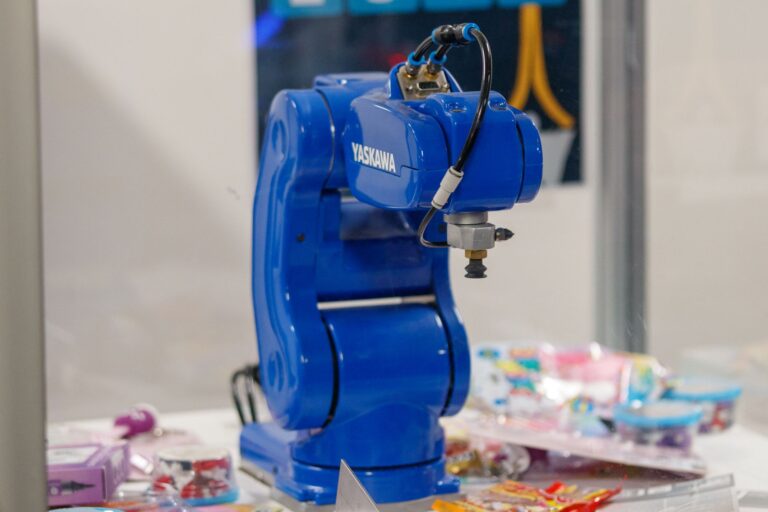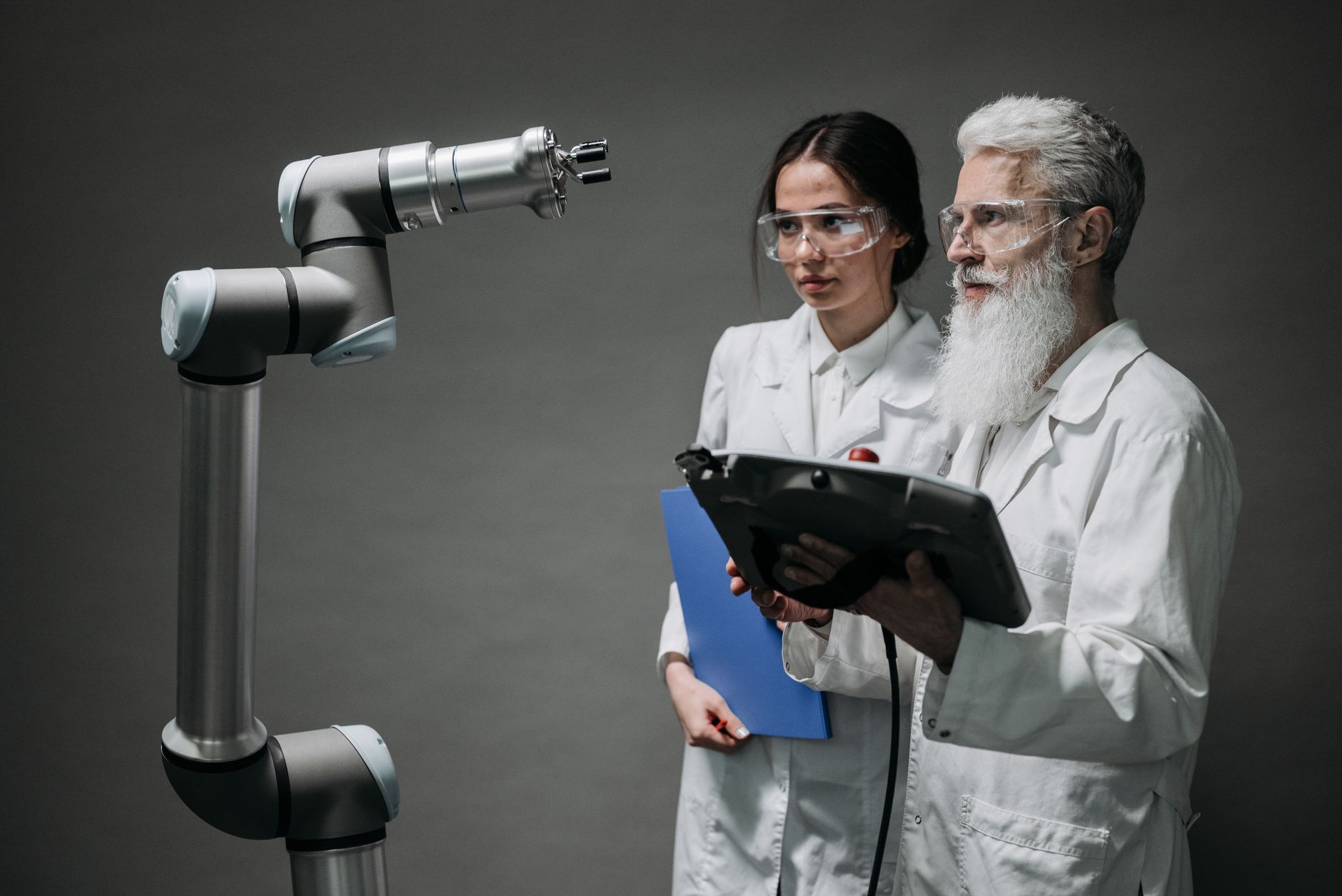

Robotics researchers decide what to study next by matching federal funding calls, community roadmaps, real application needs, and long-term benchmarks. They favor work that moves robots out of controlled labs and into complex settings alongside people. A collaborative robot is a machine designed to work directly with humans. Funding, roadmaps, and shared tests together filter many possible ideas into a few fundable studies.
Table of Contents
- What do funding calls reward?
- Which areas do roadmaps highlight?
- How do European labs choose transferable topics?
- What forces progress beyond the lab?
What do funding calls reward?
U.S. researchers align topics with federal calls, especially the National Robotics Initiative 2.0. That program targets ubiquitous collaborative robots through scalability, customizability, lower entry barriers, and societal impact, according to the U.S.
National Science Foundation in the NRI solicitation. A proposal therefore starts with fit. A lab asks whether its idea advances shared work with people, lowers cost or complexity, and can scale beyond one setup.
Which areas do roadmaps highlight?
Community roadmaps steer choices across many labs at once. More than 150 academic and industry experts wrote "From Internet to Robotics," prioritizing manufacturing, consumer and professional services, healthcare, public safety, and earth and space exploration, as reported by the State Science & Technology Institute in the roadmap summary. The 2020 U.S.
Robotics Roadmap update frames next studies around societal opportunities, technical challenges, and policies to keep the U.S. leading in innovation, adoption, and responsible use. Researchers use those domains to justify relevance, compare alternatives, and avoid isolated one-off demos.
How do European labs choose transferable topics?
European labs prioritize embodied AI that transfers across tasks and robots. Priorities include safe and efficient physical interaction, machine-learning adaptation, shareable abstract knowledge, and human-centered trustworthy design.
Application pull tests whether those ideas matter. The euROBIN Network of Excellence describes trials in circular manufacturing, personal robots for quality of life, and outdoor robots for sustainable communities, with progress made measurable through collaborative competitions in the euROBIN overview.
What forces progress beyond the lab?
Long-term benchmarks create durable agendas. RoboCup's 2050 goal is fully autonomous humanoid soccer players beating FIFA champions under official rules. That target drives work in vision, locomotion, localization, teamwork, and real-time control.
The lab-to-field gap shapes topics just as strongly. Programs now push perception, motion, and adaptability into dynamic environments alongside people, including soft and reconfigurable hardware. Researchers seeking funding and impact therefore frame proposals to roadmap domains, validate on shared testbeds and repositories such as EuroCore, and address ethics, workforce, safety, and deployment cost.