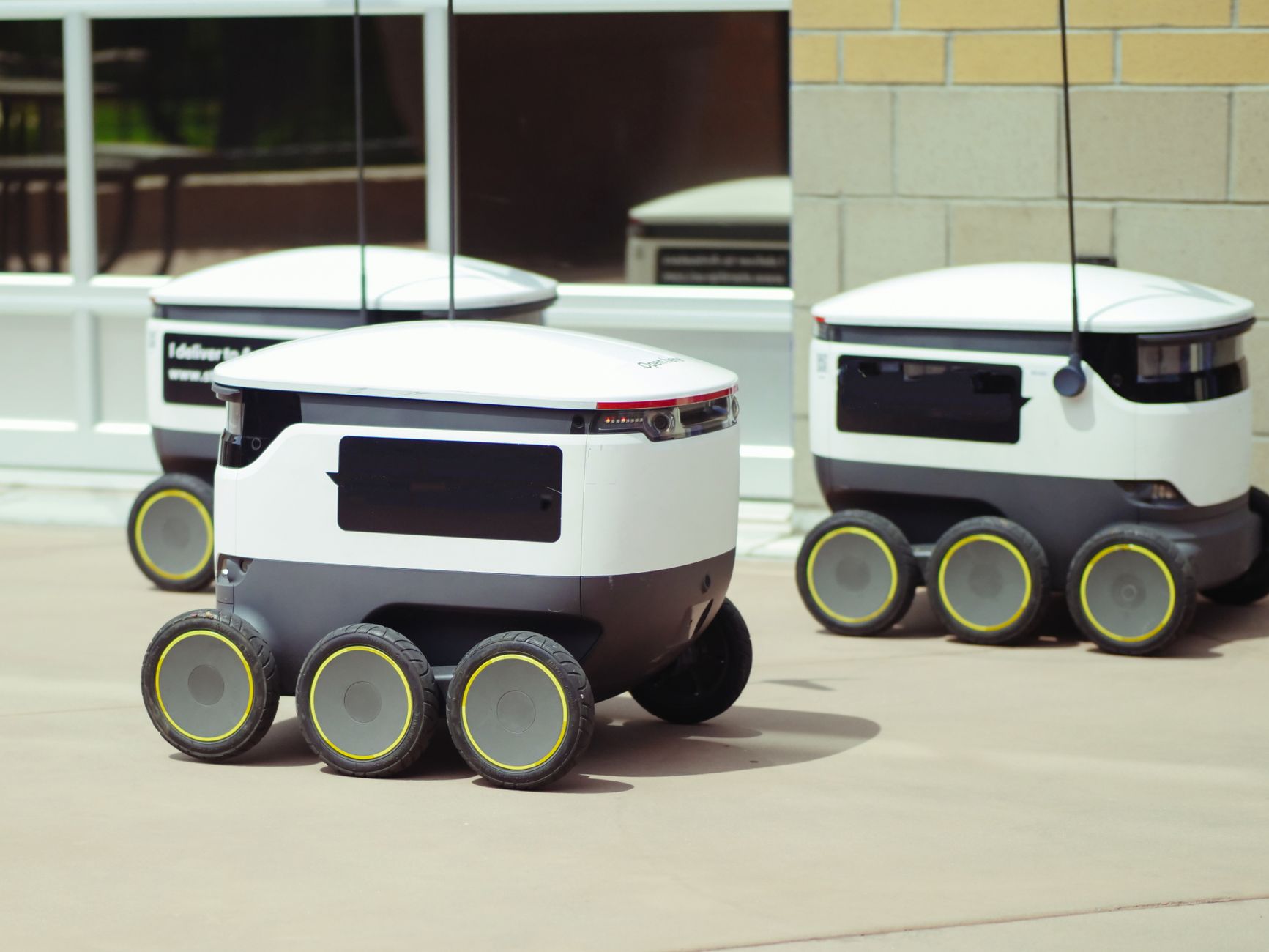

Yes. Autonomous machines now help pour concrete slabs on real job sites, though crews still direct the work.
An autonomous robot here means a mobile machine that drives, levels, or finishes concrete with limited human input. These systems handle large, open floors better than small or crowded pours. They reduce heavy labor and improve surface consistency, but they do not replace concrete crews.
Table of Contents
- How do slab robots work?
- Which slab tasks are most automated?
- Where do they still need people?
- How should a contractor evaluate one?
How do slab robots work?
A typical system combines a mobile base, sensors, and a concrete tool. The sensors track position, height, and floor level. The tool then screeds, vibrates, or trowels the surface as the machine moves. An operator sets boundaries, target elevation, and the pour sequence.
The concrete supplier still delivers mix by truck or pump. The robot spreads and levels the material inside the planned area. Most machines use laser guidance, cameras, or wheel odometry for positioning. Laser guidance is common for elevation control because floors need tight flatness. The crew monitors progress and corrects edges, joints, and obstructions.
Which slab tasks are most automated?
Leveling and screeding are the most mature tasks. A screed robot moves across wet concrete and strikes off excess material to grade. This suits warehouses, parking decks, and other large flat slabs. Power troweling and finishing also have strong automation.
These machines make repeated passes to smooth and compact the surface. Repeated passes suit robots because the path is predictable and speed stays steady. Material transport is partly automated on some sites. Small loaders or buggies can carry concrete short distances along set routes. Placement from the chute, edge forming, and detail work remain manual.
Where do they still need people?
Robots work best on open rectangles with clear access. Columns, drains, embeds, doorways, and tight corners still need hand tools. Crews also handle formwork, reinforcement, joints, and curing. Wet concrete leaves little room for error.
Mix timing, weather, pump delays, and subgrade problems can change behavior during a pour. Workers watch slump, flow, and set time and adjust the plan. Safety supervision remains essential. The work area needs barriers, spotters, and clear machine paths. People keep hoses, cords, tools, and feet away from moving parts.
How should a contractor evaluate one?
Start with slab size, shape, and access. Large open pours give the best return for setup time. Small rooms, stairs, slopes, and heavy congestion favor manual methods.
Ask about setup, training, and support. Find out how the machine sets grade, what happens if guidance is lost, and how it is cleaned. Keep a skilled finisher present because edges and touch-ups decide final quality.
- Measure open area and count obstructions
- Check floor tolerance and finish requirements
- Confirm power, water, lighting, and staging space
- Plan crew roles for setup, monitoring, and edges
- Arrange cleaning and washout before the pour