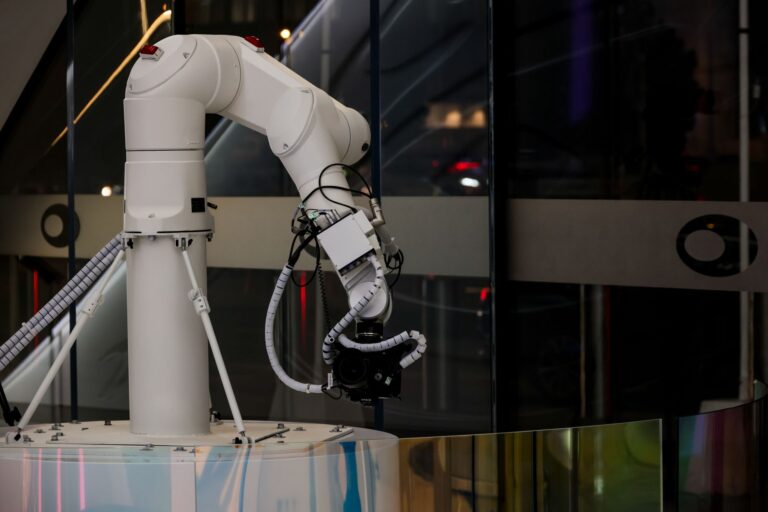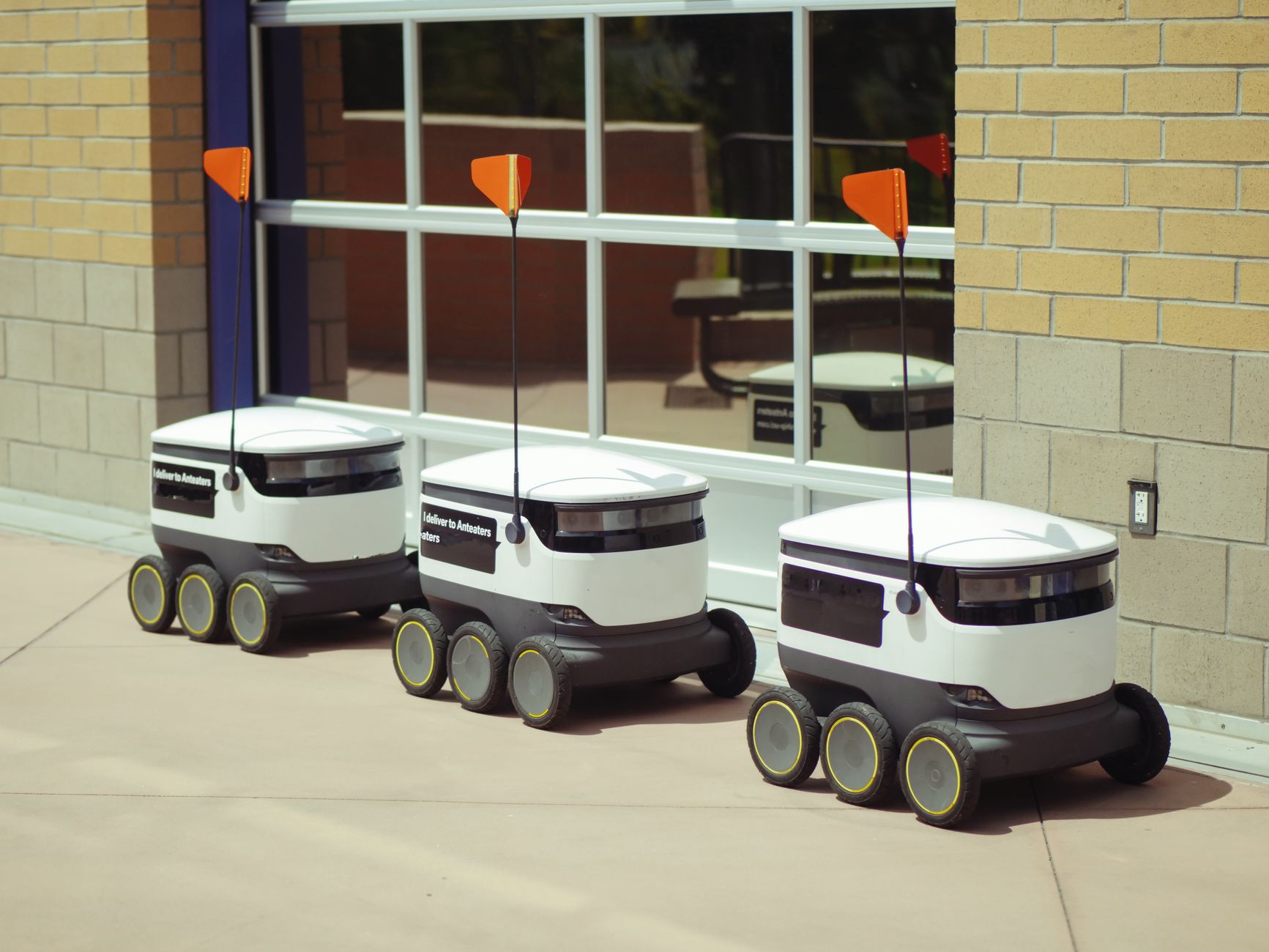

Bricklaying robots are guided machines that place bricks and blocks in planned courses. They raise output on long, repetitive walls and lose advantage where layouts change often. A site manager needs both sides of that trade before renting or buying. The value depends on wall design, material supply, and crew support.
Table of Contents
- Where do they gain speed?
- What work stays manual?
- What limits them on real sites?
- How to judge fit for your project?
Where do they gain speed?
A robot keeps a steady pace without lifting fatigue. That steadiness matters on straight runs, garden walls, facades with repeated openings, and large block partitions. The gain comes from flow as much as placement. A prepared pallet, consistent mortar, and clear travel path let the arm or gantry work course after course.
Crews spend less time carrying units and checking line. Short walls reduce that gain. Each new setup needs positioning, leveling, and plan entry. A robot moved three times for small piers may finish later than skilled masons.
What work stays manual?
People still prepare the job. Workers set datum points, check levels, mix and feed mortar, stage bricks, and clear the path. Someone must also tie the wall into corners, lintels, cavities, and services. Detail work stays human.
Cutting closures, forming stopped ends, setting wall ties, tooling joints, and cleaning faces need judgment and touch. Inspection also stays human, since bedding, plumb, and bond need frequent checks. Safety oversight stays manual too. A spotter keeps people clear of the arm, watches hoses and cables, and stops work when pallets shift or weather turns.
What limits them on real sites?
Construction sites are uneven. Soft ground, slopes, scaffolds, wind, rain, and dust disturb calibration and mortar behavior. Tight plots may leave no room for rails, pallets, and safe travel. Materials vary more than drawings suggest.
Bricks differ slightly in size, edges chip, and mortar stiffens as it waits. A robot follows its program, so small errors can stack across courses unless a mason corrects them. Design variety is another limit. Curves, raked joints, patterned brickwork, many corners, and heavy integration with windows and steel slow programming. Plain, repeated work fits best.
How to judge fit for your project?
Match the machine to the wall, not the other way around. Long straight walls with few special shapes are strong candidates. Complex one-off features are usually faster by hand.
Walk the site with this short check: Start with a trial bay when possible. Measure true output including setup, idle time, rework, and mason support. Choose the method with the lower full cost per sound wall, not the faster placing motion alone.
- Room for the base, material pallets, and safe movement
- Level, firm support for the machine frame or track
- Steady supply of uniform units and fresh mortar
- Power, weather protection, and trained supervision
- Time to program, test, and correct the first courses