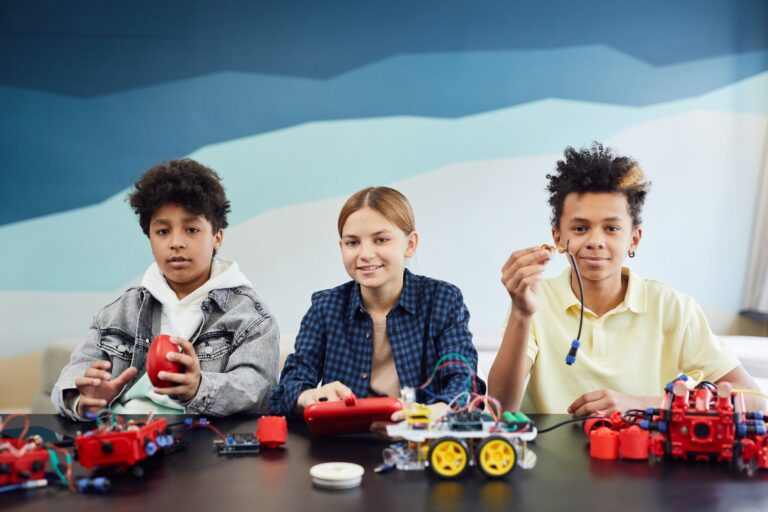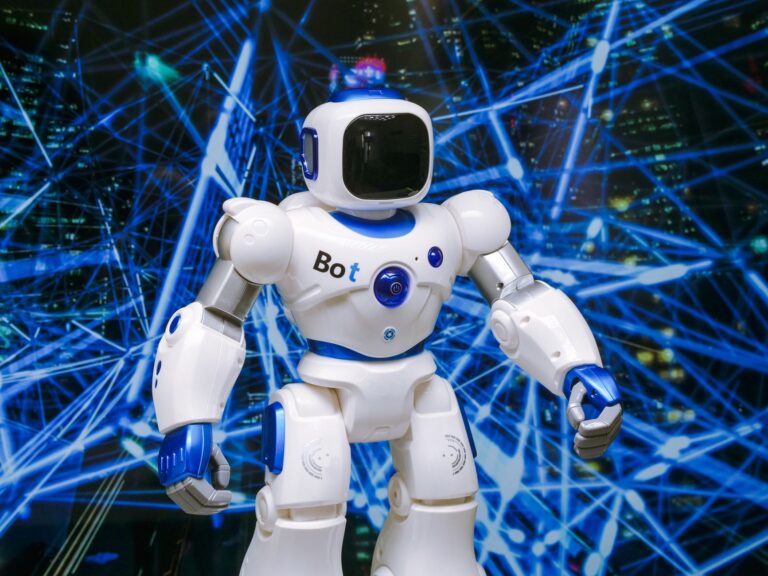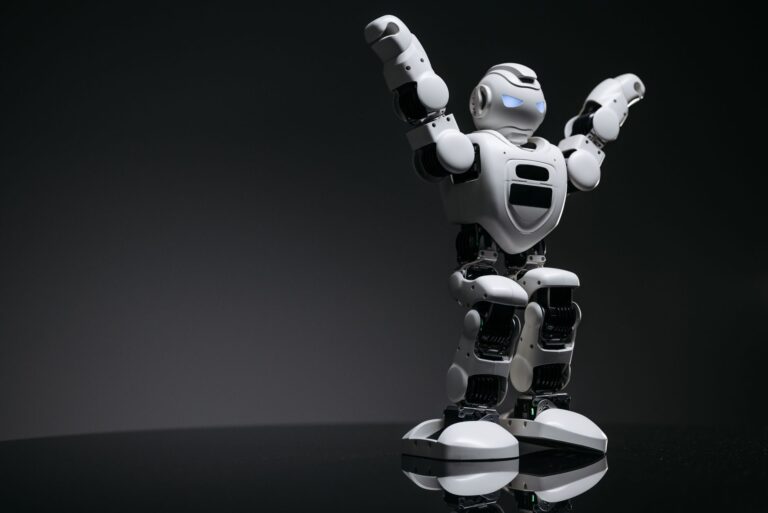

The robots that belong in a middle school classroom are small, classroom-grade educational robots that students can build, program, and test in one period. An educational robot here means a reusable kit with motors, sensors, and simple code tools designed for teaching. These kits work best when they support trial and error without fragile parts or complex wiring. Teachers can then focus on design thinking and basic automation concepts rather than repairs.
Table of Contents
- What should students learn to build and program?
- Which robot types fit this age group?
- How do you choose for beginners and returning students?
- What practical limits shape the choice?
- How do classroom robots connect to real automation?
- Frequently Asked Questions
What should students learn to build and program?
Middle school students should practice assembling mechanisms, connecting sensors and motors, and writing simple sequences. Loop commands, conditional responses, and sensor readings carry over to many later technical subjects.
Classroom robots should make those ideas visible. A wheeled rover that stops at a line, for example, shows how input leads to programmed action.
Which robot types fit this age group?
Three broad types fit well: rolling rovers, modular construction kits, and small programmable arms. Rovers teach movement and navigation. Modular kits teach structure, gears, and attachments.
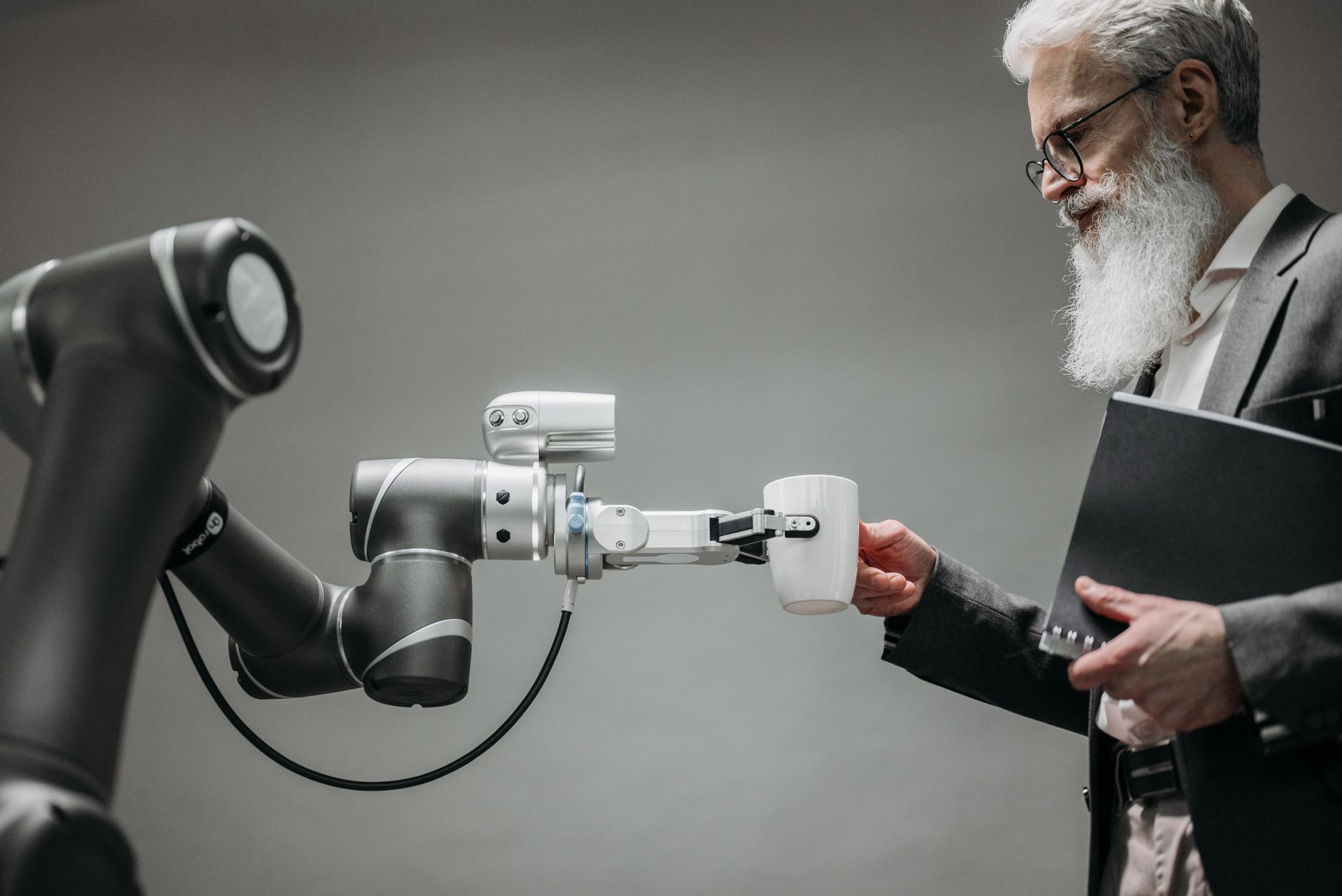
A simple arm introduces pick-and-place motion used in manufacturing. Microcontroller boards with add-on motors can serve advanced students ready for wiring and text-based code. Keep one main platform for beginners, then add a second option for returning students.
How do you choose for beginners and returning students?
Beginners do best with tool-free assembly and block-based programming. Blocks let students test logic quickly while the teacher checks understanding of sequences and sensors.
Returning students benefit from kits that allow custom builds, additional sensors, and a path toward text-based programming. That progression keeps capable students engaged without forcing the whole class to change platforms at once.
- Start all students on one shared rover or modular kit
- Add ultrasonic, light, touch, or color sensing for second projects
- Offer extended coding options only after core skills are solid
What practical limits shape the choice?
Class size, storage space, charging access, and cleanup time shape robot choice more than features do. Kits with rechargeable batteries, labeled bins, and interchangeable parts reduce lost time between periods.
Durability matters because middle school use includes drops, collisions, and repeated assembly. Choose enclosed electronics, sturdy wheels, snap-fit frames, and replacement parts that a teacher can order separately.
How do classroom robots connect to real automation?
Teachers can link class projects to familiar automation ideas such as sensing, sorting, and repeated motion. A robot that follows a path, carries a small object, or checks a condition mirrors work done by warehouse and factory systems.
The goal is understanding, not job training. Students learn that machines follow defined instructions, need testing, and fail in predictable ways when sensors or code change.
Frequently Asked Questions
How many robots does one class need?
Many teachers use one kit for every two or three students so everyone builds, codes, and tests during class.
Should students use block code or text code?
Block code suits most middle school beginners, while motivated students can move to text code for greater control.
Are competitions necessary for a good program?
No, structured design challenges with clear constraints can teach the same planning, testing, and revision skills.