Odisha's 807-school robotics lab program puts hands-on technology training into 807 government schools for Classes VI to X. Chief Minister Mohan Charan Majhi inaugurated the labs on 12 November 2026 at Suravi-2026 in Bhubaneswar, according to Education Times in the Education Times inauguration report.
A robotics lab here means a dedicated classroom space for building and programming machines, not a standard computer room. The 807 labs cost a reported Rs 164.33 crore, according to Careers360 News in the Careers360 News cost report. The goal is practical technology skills for middle- and secondary-grade students.
Table of Contents
- What do students learn?
- What is inside each lab?
- Who is covered, and who is not?
- What can educators take from this?
What do students learn?
Students learn robotics, coding, artificial intelligence, machine learning and 3D printing. The Orissa Today lists these five strands in its Suravi-2026 report. Artificial intelligence here means software that performs tasks such as recognition or prediction, while 3D printing means building physical parts layer by layer.
Instruction targets Classes VI to X and stresses hands-on practice over theory-only lessons. Education Times describes practical training as the core method. A typical task could be wiring a sensor, coding a response, then testing the build.
What is inside each lab?
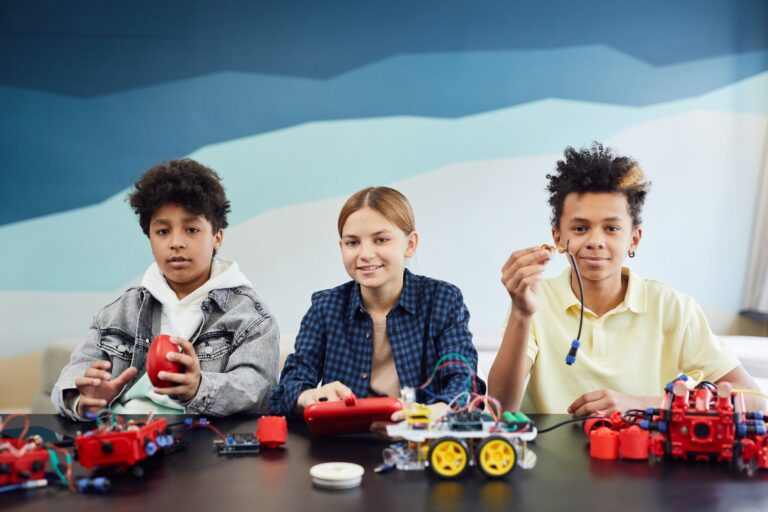
Each lab holds four robots, robotics and DIY kits, computers, and 3D-printing and fabrication tools for student prototyping. OdishaPlus details this setup in its lab equipment summary.
Fabrication here means small-scale making and assembly for testing ideas. Students can move from concept to working prototype without leaving school.
Who is covered, and who is not?
The program covers 807 government schools and Classes 6 to 10 only. Careers360 News reports this limit in its November coverage.
Use this quick check before planning lessons or visits: Educators outside that group are not included. Private schools, other grades, and other states fall outside current coverage.
- Government school in Odisha among the 807 sites
- Student in Class VI to X
- Interest in the robotics curriculum, not primary foundational work
What can educators take from this?
At the same festival, Majhi also launched the free Android-based NIPUN App for primary foundational literacy and numeracy. GKToday notes the app is separate from the robotics curriculum.
Education Times reports Majhi's advice to use mobile phones as learning tools and value skills alongside degrees. Teachers can present lab work as vocational preparation, with portfolios of builds, code, and printed parts.