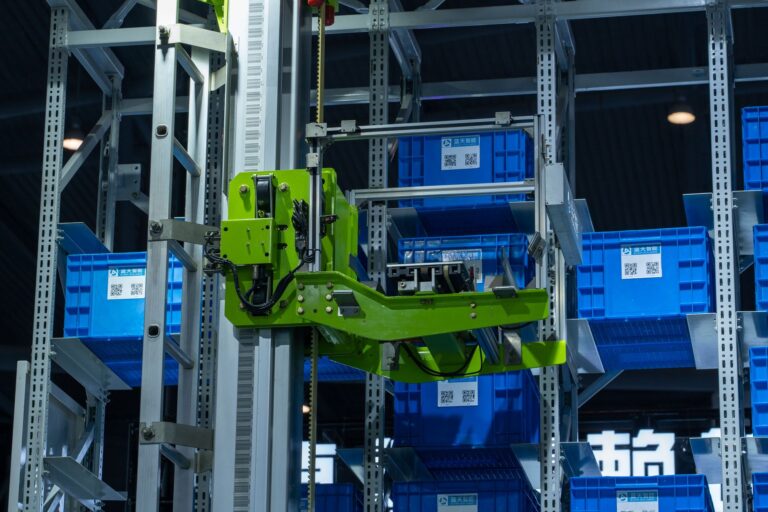

ABB said SoftBank Group agreed to buy its Robotics division for $5.375 billion to combine industrial robots with AI. The target is ABB Robotics, the Zurich-based business that makes industrial robots for factories. ABB said the October 2025 agreement replaced a plan to list the unit separately. The deal still needs approvals and faces a block on its China portion.
Table of Contents
- What SoftBank agreed to buy
- Why SoftBank calls the bet Physical AI
- Why the China portion stalled
- What owners and buyers should do now
What SoftBank agreed to buy
ABB Robotics employs about 7,000 people and posted $2.3 billion in 2024 revenue. That was about 7% of ABB Group sales, with a 12.1% operational EBITA margin, according to ABB's October divestment notice.
Operational EBITA margin means operating profit before some charges, as a share of sales. ABB said the price was a $5.375 billion enterprise value, or total company value including debt.
Why SoftBank calls the bet Physical AI
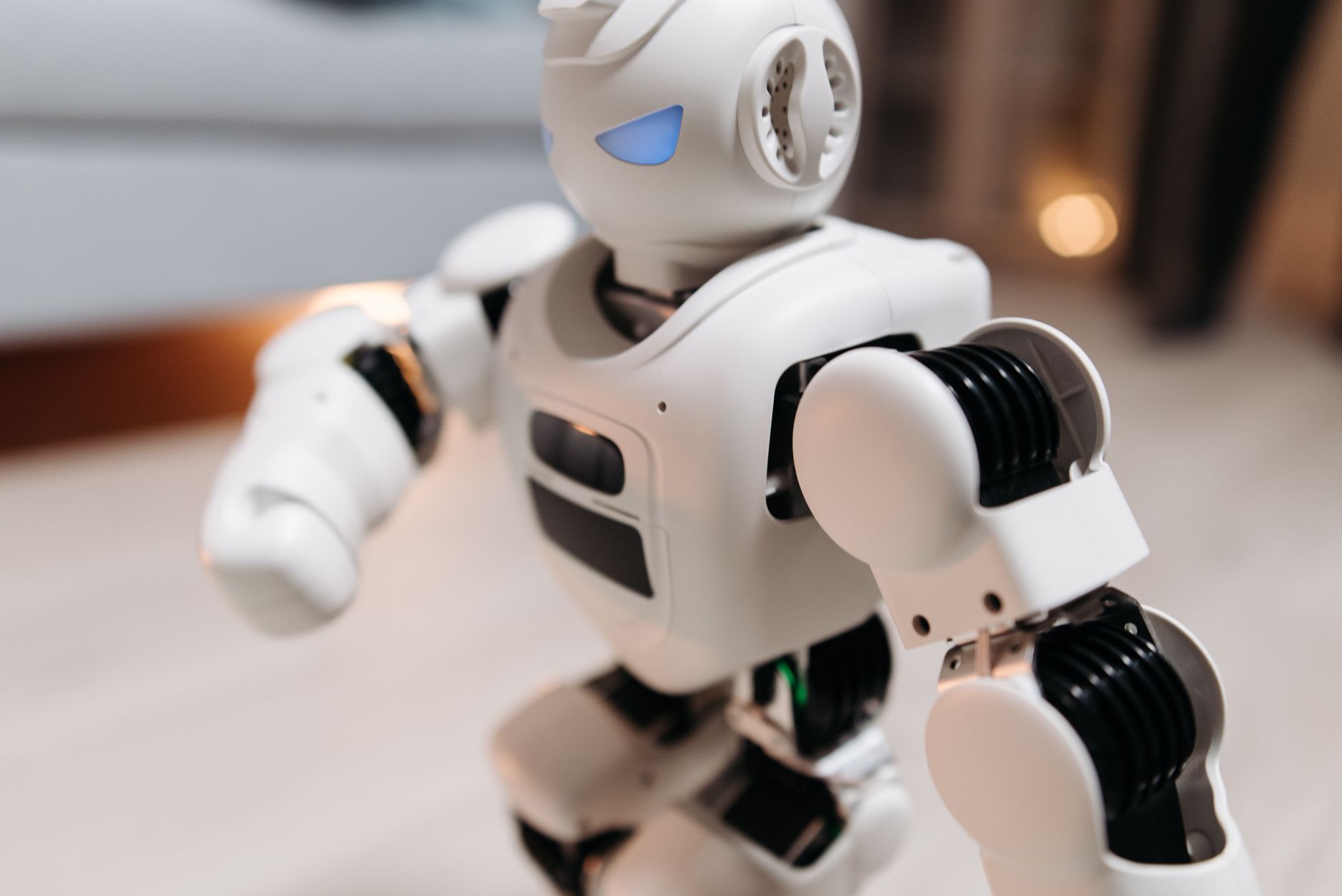
Physical AI means AI systems that act in the physical world through robots. SoftBank Chairman Masayoshi Son called it SoftBank's next frontier. According to ABB, Son plans to combine ABB Robotics with SoftBank's AI, robotics and next-generation computing to join advanced intelligence with robots, as described in ABB's October divestment notice.
For automation users, the prize is smarter programming, vision, and fleet control. A welding robot could adjust its path from sensor data instead of fixed code. That edge depends on software integration, not just robot arms. Buyers should judge future products on setup time, changeover cost, and uptime.
Why the China portion stalled
On Nov. 4, 2026, China's foreign-investment security office prohibited acquisition of the ABB Robotics business in China. ABB confirmed the decision on Nov. 5, as conveyed by SoftBank, according to ABB's divestment update.
The order covers only the China portion and not the global deal. ABB said both companies remain in close dialogue, with no new closing date announced. The practical result is renegotiation. According to Manufacturing Dive, both sides reentered talks over a China carve-out, a new buyer, or a revived spin-off, as reported in Manufacturing Dive's November analysis. That leaves current owners and shoppers without a firm closing date or final owner.
What owners and buyers should do now
No ownership change has closed, so existing contracts, warranties, and service channels still apply. Waiting buyers face delay risk around price, delivery, and support.
Use this pause to protect operations. Inventory cells, software, and service terms before you commit capital. Keep purchase orders tied to delivery and support milestones until ABB names a final structure.
- List each ABB cell, controller version, and service expiry date.
- Ask your integrator how parts and software updates continue during review.
- Tie new orders to delivery, acceptance, and support milestones.