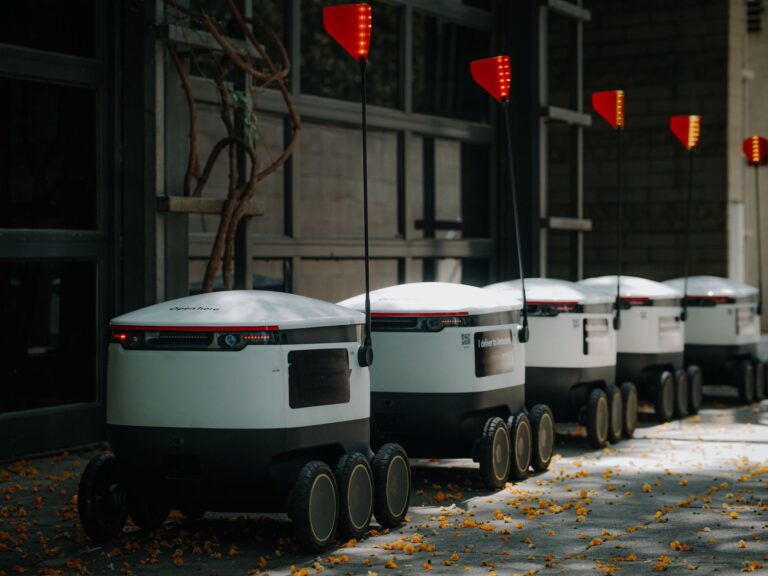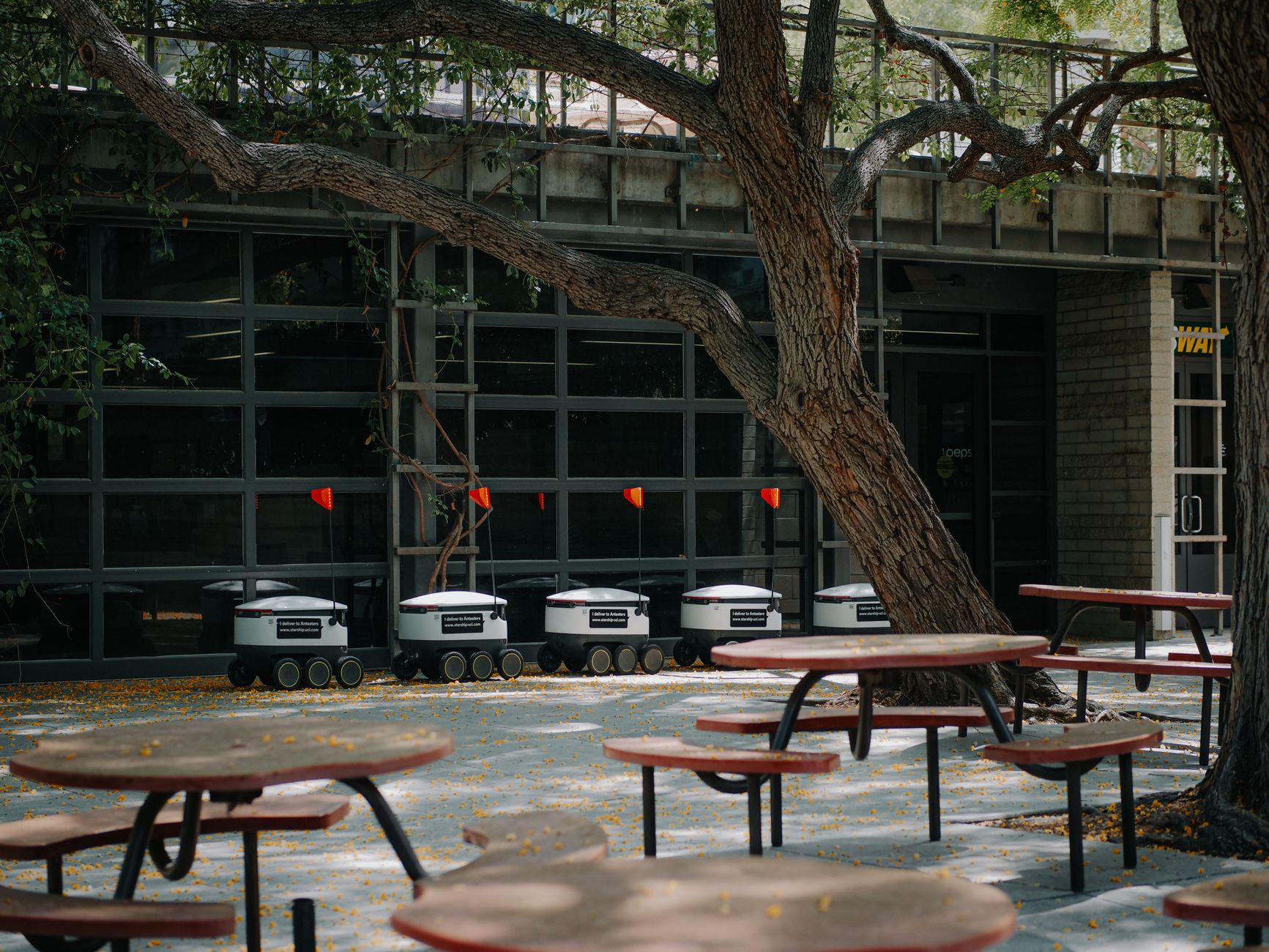

Cold weather hurts robot vision camera performance by icing and fogging the lens and by pushing standard cameras below their rated range, which raises detection errors in snow and poor light. Robot vision cameras are imaging sensors that help robots and automated vehicles find lanes, obstacles and markings. Standard indoor-style units are not built for freezing starts or wet winter air. Winter-ready designs use wider temperature ratings, heating and moisture control to keep the view clear.
Table of Contents
- Why standard cameras hit a cold limit
- How frost and condensation block the view
- Why detection fails in winter scenes
- What keeps vision working this winter
Why standard cameras hit a cold limit
Many standard machine-vision cameras are built for a narrow operating window. The IDS Imaging Development Systems manual rates many units for operation only from 0°C to 55°C, so outdoor winter use can fall below that floor, according to IDS ambient-condition guidance.
Below that floor, startup, image quality and electronics reliability can suffer. A camera that works in a warm warehouse may therefore miss frames, drift or fail on a freezing dock, yard or road.
How frost and condensation block the view
Cold air holds less moisture, so moving between warm and cold areas can wet optics. For example, IDS Imaging Development Systems explains that air at 40% humidity at 35°C reaches saturation near 19.5°C and wets camera surfaces, as described in IDS ambient-condition guidance.
The result is droplets, frost and ice on the lens, housing or window. Even a thin film can blur edges, cut contrast and hide lane paint, posts, people and small obstacles.
Why detection fails in winter scenes
Winter also changes what the software has to see. Federal Highway Administration research found lane-detection cameras are prone to error where markings are missing or hard to detect in poor lighting, rain or snow, according to FHWA lane-support research.
Snow cover, spray, glare, short days and obscured paint remove the cues detectors expect. Systems trained mainly on clear daytime views therefore face the hardest conditions exactly when traction and visibility are worst.
What keeps vision working this winter
Winter-rated hardware is built for that combination of cold, moisture and shock. Rugged vehicle vision cameras address it with automatic heating and -40°C to +85°C ratings for machines, vehicles and vessels, according to BroadVision Orlaco vehicle camera specifications. For this winter, match the camera to the coldest start, not the average day:.
- Choose a rated low temperature below the site minimum, with heater or defrost for the lens.
- Seal and shelter connections against snow, spray, washdown and rapid temperature swings.
- Keep lenses clean and verify lane and obstacle detection in snow and low light before deployment.
- Plan shorter outdoor runs and more frequent checks during freezes, storms and night shifts.