
Richtech Robotics has emerged as a compelling investment consideration for those seeking exposure to the burgeoning AI retail automation sector without paying the premium valuations attached to larger robotics companies. The Las Vegas-based company, trading on the Nasdaq under the ticker RR, develops and deploys service robots for hospitality, retail, and food service industries, positioning itself at the intersection of two powerful trends: artificial intelligence advancement and labor cost pressures in service industries. The robotics industry is undergoing a significant transformation as labor shortages persist across developed economies and minimum wage increases continue to pressure margins for restaurants, hotels, and retailers. Companies that can demonstrate real-world deployments, recurring revenue streams, and scalable technology platforms are attracting investor attention.
Richtech Robotics fits this profile with its fleet of robots already operating in commercial environments, including the ADAM robotic barista, delivery robots, and cleaning automation systems. For investors who missed early entries into companies like Symbotic or UiPath, the question becomes whether smaller players like Richtech can deliver outsized returns as the sector matures. This article examines whether Richtech Robotics represents a bargain entry point into robotics stocks with meaningful AI retail automation exposure. Readers will gain insight into the company’s business model, competitive positioning, financial metrics, risk factors, and growth catalysts. By the end, investors should have a clearer framework for evaluating whether this micro-cap robotics company deserves a place in a technology-focused portfolio.
Table of Contents
- What Makes Richtech Robotics an Attractive Bargain Robotics Stock?
- How Richtech’s AI Retail Automation Technology Creates Competitive Advantages
- The Growing Market for Service Robots in Retail and Hospitality
- Financial Metrics and Valuation Analysis for Richtech Robotics Stock
- Risk Factors Investors Should Consider Before Buying
- Catalysts That Could Drive Richtech Robotics Stock Higher
- How to Prepare
- How to Apply This
- Expert Tips
- Conclusion
- Frequently Asked Questions
What Makes Richtech Robotics an Attractive Bargain Robotics Stock?
Richtech robotics trades at a market capitalization that remains modest compared to its larger competitors in the robotics and automation space, creating a potential value opportunity for risk-tolerant investors. As of recent trading, the company’s market cap hovers in the range of $30-50 million, a fraction of what comparable automation companies command. This valuation disparity exists partly because Richtech is still in its growth phase, generating relatively modest revenues while investing heavily in research and development and market expansion. The company’s attraction as a bargain robotics stock stems from several factors. First, Richtech has demonstrated commercial viability with robots operating in real customer environments rather than merely existing as prototypes or demonstration units. The ADAM robotic barista, for example, has been deployed in locations across the United States and internationally, serving actual customers and generating revenue.
This deployment track record differentiates Richtech from numerous robotics startups that struggle to move beyond the pilot phase. Second, the company’s focus on service robots for retail and hospitality automation addresses a genuine market need as these industries face persistent staffing challenges and wage inflation. The bargain characterization requires context, however. Micro-cap robotics stocks carry significant risks, including limited access to capital markets, customer concentration concerns, and the possibility that larger competitors could dominate the market before smaller players achieve scale. Richtech’s share price volatility reflects these uncertainties. Investors attracted to the bargain label must weigh the potential for substantial returns against the real possibility of continued losses as the company works toward profitability.
- Current market capitalization represents a significant discount to revenue multiples seen in larger robotics companies
- Commercial deployments provide evidence of product-market fit
- Service robot focus targets labor-intensive industries with strong automation demand

How Richtech’s AI Retail Automation Technology Creates Competitive Advantages
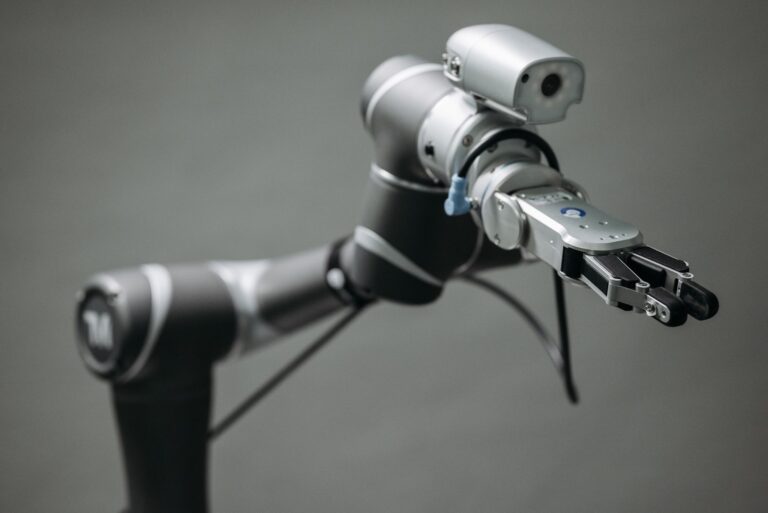
richtech Robotics has developed a portfolio of robots powered by artificial intelligence that can perform tasks ranging from beverage preparation to autonomous delivery and floor cleaning. The AI systems enabling these robots incorporate computer vision, natural language processing, and machine learning algorithms that allow them to operate safely in environments populated by humans. This technological foundation positions the company to benefit from continued AI advancement as these capabilities become more sophisticated and cost-effective. The ADAM robot exemplifies Richtech’s approach to AI retail automation. Capable of preparing complex beverages including lattes, cappuccinos, and boba tea drinks, ADAM uses articulated robotic arms guided by AI systems to perform tasks that traditionally required skilled human workers.
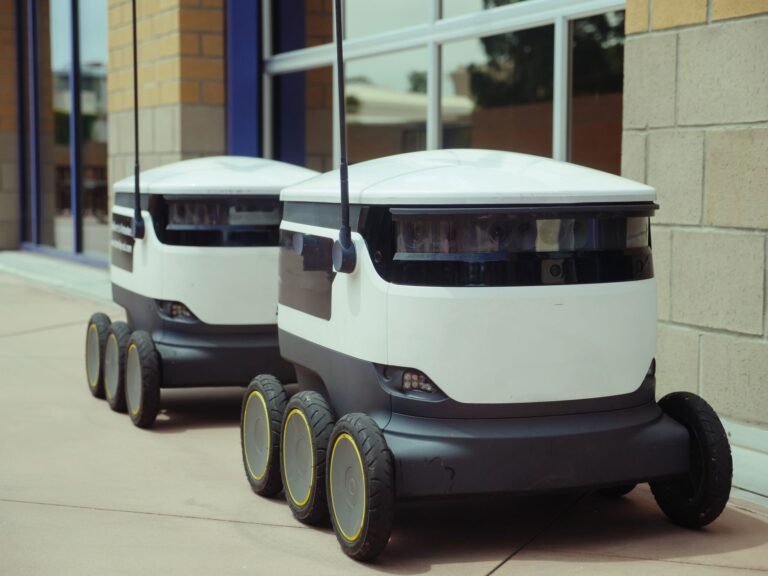
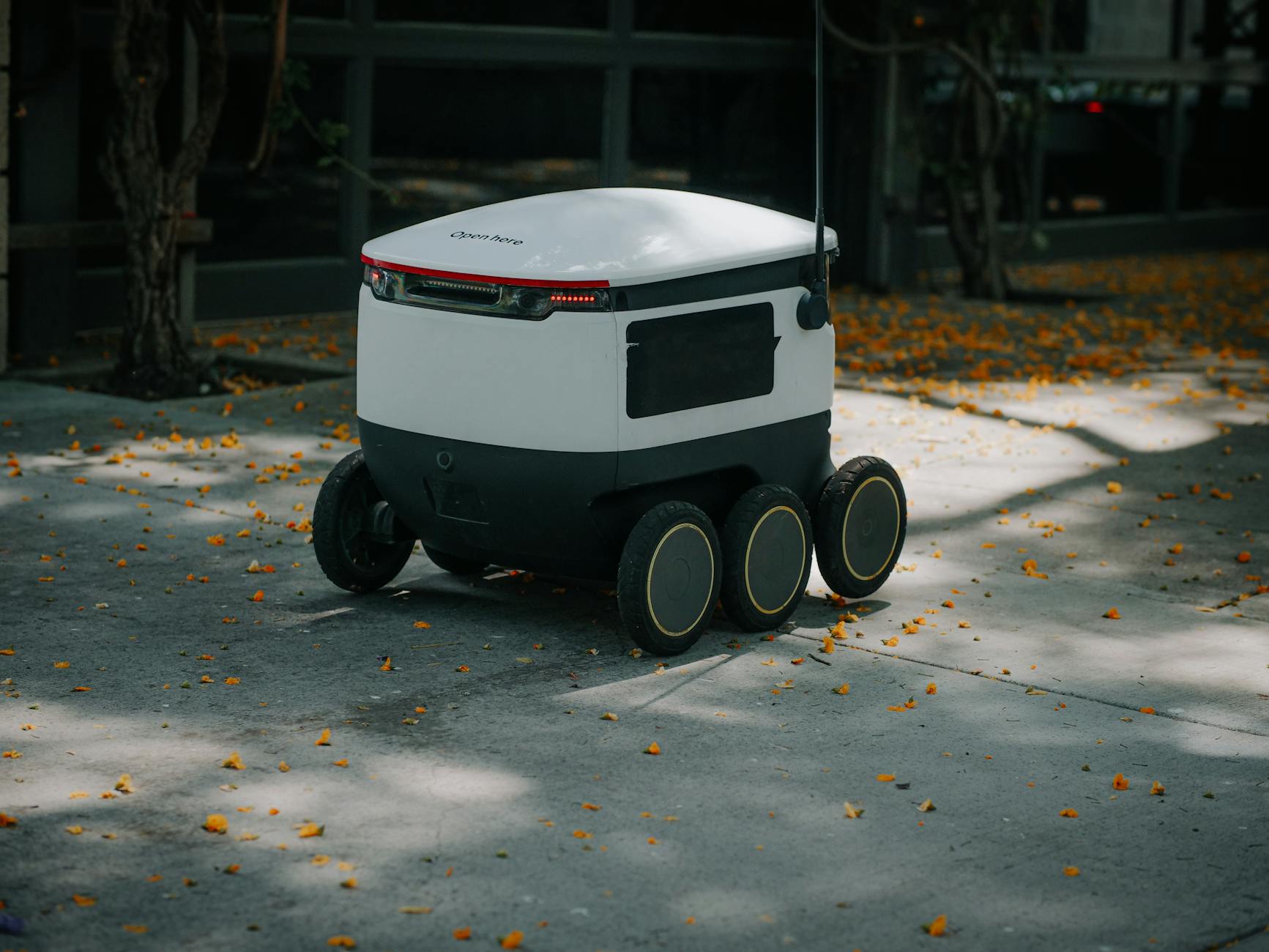
The robot can remember customer preferences, adjust to different cup sizes, and operate consistently across extended shifts without breaks, sick days, or scheduling conflicts. For retail and food service operators, this capability translates into predictable labor costs, consistent product quality, and extended operating hours. Beyond beverage service, Richtech has expanded into delivery robots for hospitality environments and cleaning robots for commercial spaces. The Matradee delivery robot can navigate hotel lobbies and restaurant dining rooms autonomously, while the Dust-E and Richie cleaning robots address the commercial cleaning market. This diversification across robot types and use cases reduces the company’s dependence on any single product line and expands the total addressable market. The AI backbone connecting these products creates opportunities for fleet management software and data analytics services that could eventually provide higher-margin recurring revenue.
- AI-powered computer vision enables safe operation in human-populated environments
- Multiple robot form factors address different retail and hospitality use cases
- Fleet management potential creates recurring revenue opportunities
The Growing Market for Service Robots in Retail and Hospitality
The market for service robots in retail, hospitality, and food service continues to expand as operators seek solutions to persistent labor challenges. The International Federation of Robotics reports that professional service robot sales have grown at double-digit annual rates, with hospitality and food service robots representing one of the fastest-growing segments. This macro trend provides tailwinds for companies like Richtech that have products ready for deployment. Labor economics heavily favor automation in service industries. The Bureau of Labor Statistics reports that food service worker median wages have increased substantially over the past five years, while turnover rates in restaurants and hotels remain among the highest of any industry.
A single restaurant location might experience annual employee turnover exceeding 100%, creating constant recruiting, training, and management costs that robots can help mitigate. While robots cannot replace all service workers, they can handle repetitive tasks like beverage preparation, food delivery within establishments, and routine cleaning, freeing human workers for customer-facing roles that require emotional intelligence. Geographic expansion opportunities further support the market thesis for service robot companies. While North American and European markets offer strong demand drivers, Asian markets including China, Japan, and South Korea have demonstrated even greater acceptance of service robots in public-facing roles. Richtech’s early international deployments position the company to capitalize on these global opportunities as acceptance grows.
- Professional service robot sales growing at double-digit annual rates
- Restaurant and hospitality turnover rates exceed 100% annually in many markets
- International markets showing strong acceptance of service robots
Financial Metrics and Valuation Analysis for Richtech Robotics Stock
Evaluating Richtech Robotics as an investment requires careful analysis of financial metrics that differ significantly from what investors might examine for profitable, mature companies. As a micro-cap company in growth mode, Richtech prioritizes revenue growth and market penetration over near-term profitability, a strategy common among technology companies in emerging markets. Revenue growth represents the most critical metric for evaluating Richtech’s business trajectory. The company has reported increasing revenues as robot deployments expand, though absolute numbers remain modest by industrial standards. Gross margins on hardware sales provide insight into whether the company can eventually achieve profitability as volumes increase and manufacturing costs decline through scale and experience.
Management commentary on robot-as-a-service recurring revenue is particularly important, as subscription-based business models typically command higher valuation multiples than one-time hardware sales. The valuation question centers on whether current market prices adequately compensate investors for the risks associated with micro-cap robotics companies. Bull case scenarios envision Richtech growing revenues rapidly, improving margins, and eventually achieving acquisition interest from larger technology or hospitality companies seeking robotics capabilities. Bear case scenarios highlight the possibility of continued losses depleting cash reserves, competitive pressure from better-funded rivals, and execution challenges in scaling manufacturing and deployment operations. Realistic evaluation requires acknowledging both possibilities.
- Revenue growth trajectory provides the primary performance indicator
- Gross margins signal manufacturing scalability potential
- Recurring revenue metrics indicate business model sustainability
Risk Factors Investors Should Consider Before Buying
Investing in micro-cap robotics stocks involves substantial risks that could result in significant capital losses. Richtech Robotics, despite its commercial deployments and technology platform, faces challenges common to small companies in competitive, capital-intensive industries. Prudent investors must understand these risks before allocating capital. Capital requirements represent a primary concern. Developing, manufacturing, and deploying robots requires substantial investment in research and development, inventory, customer support infrastructure, and sales and marketing activities. Richtech has utilized equity offerings to fund operations, and future capital raises could dilute existing shareholders.
The company’s ability to access capital markets on favorable terms depends on factors including stock price performance, investor sentiment toward robotics and technology stocks generally, and overall market conditions. A prolonged downturn in equity markets could constrain the company’s growth options. Competitive dynamics also warrant careful consideration. The robotics industry attracts well-funded competitors ranging from established industrial automation companies to venture-backed startups. Larger players with greater financial resources could potentially replicate Richtech’s technology, undercut pricing, or acquire key customers and talent. Additionally, customer concentration poses risks if a significant portion of revenue derives from a limited number of clients. Investors should review company filings for disclosure about major customers and concentration metrics.
- Capital-intensive business model may require dilutive equity offerings
- Competition from larger, better-funded companies poses market share risks
- Customer concentration could create revenue volatility

Catalysts That Could Drive Richtech Robotics Stock Higher
Several potential developments could serve as positive catalysts for Richtech Robotics shares, transforming the stock from a speculative bargain to a recognized growth story. Understanding these catalysts helps investors identify what signals to monitor for evidence that the investment thesis is playing out. Major customer announcements or expansion of existing deployments would validate market demand for Richtech’s robots and provide revenue visibility. A partnership with a national restaurant chain, hotel brand, or retail operator could dramatically accelerate the company’s growth trajectory and attract institutional investor attention.
Such announcements often trigger significant share price movements in micro-cap stocks as they reduce perceived execution risk and demonstrate scalability. Technological advances that improve robot capabilities or reduce manufacturing costs could also catalyze share price appreciation. The rapid pace of AI development creates opportunities for companies to integrate new capabilities that expand their addressable market or improve competitive positioning. Additionally, broader market recognition of the service robotics opportunity could lift valuations across the sector, benefiting Richtech as a public company with exposure to these trends.
- Major customer announcements could provide revenue visibility and validation
- Technology improvements may expand addressable market
- Sector re-rating could lift valuations across robotics stocks
How to Prepare
- Review company financial filings thoroughly, including annual reports, quarterly statements, and investor presentations available through the SEC’s EDGAR database and the company’s investor relations website. Pay particular attention to revenue trends, cash burn rates, and management discussion of business strategy and challenges.
- Assess your portfolio allocation and risk tolerance by determining what percentage of your investment capital you can afford to allocate to speculative micro-cap stocks. Financial advisors typically suggest limiting high-risk positions to a small percentage of total portfolio value, recognizing that some of these investments will underperform or fail entirely.
- Research the competitive landscape by examining other companies operating in service robotics for retail and hospitality. Understanding how Richtech compares to competitors on technology, deployment scale, and financial resources provides context for evaluating the company’s prospects.
- Monitor industry news and analyst coverage to stay informed about developments affecting the service robotics market broadly and Richtech specifically. Set up news alerts for the company name and ticker symbol, and follow industry publications covering robotics and automation technology.
- Establish investment criteria before purchasing, including target entry prices, position sizing limits, and conditions that would prompt you to sell. Having predetermined criteria helps avoid emotional decision-making when share prices move.
How to Apply This
- Open a brokerage account with a platform that provides access to Nasdaq-listed securities if you do not already have one, ensuring the account type aligns with your investment goals and tax considerations.
- Start with a position size appropriate for a speculative micro-cap investment, typically representing a small percentage of your overall portfolio, and consider building the position gradually rather than making a single large purchase.
- Monitor quarterly earnings reports and investor presentations for evidence that the company is executing against its stated strategy, with particular attention to revenue growth, deployment announcements, and cash management.
- Set price alerts to notify you of significant share price movements, enabling timely response to both opportunities to add to positions and warning signs that might prompt reconsideration of the investment thesis.
Expert Tips
- Focus on unit economics and deployment metrics rather than share price movements, as short-term volatility in micro-cap stocks often reflects trading dynamics rather than fundamental business developments.
- Compare Richtech’s robot-as-a-service pricing to the fully loaded cost of human labor performing equivalent tasks, as this analysis reveals whether customers have genuine economic incentive to adopt robotic solutions.
- Pay attention to insider buying and selling patterns disclosed in SEC filings, as management purchasing shares with personal funds often signals confidence in company prospects.
- Consider the company’s patent portfolio and intellectual property position when evaluating competitive moats, recognizing that technology advantages can be temporary without strong legal protections.
- Track broader labor market data including wage growth and employment levels in hospitality and food service, as these metrics influence customer willingness to invest in automation solutions.
Conclusion
Richtech Robotics represents an intriguing opportunity for investors seeking exposure to AI retail automation through a bargain-priced robotics stock. The company’s commercial deployments, diversified robot portfolio, and focus on service industries with strong automation demand create a credible growth narrative. The modest market capitalization relative to larger robotics companies provides potential for significant returns if the company successfully scales its operations and achieves broader market recognition.
The investment case requires acknowledging substantial risks inherent to micro-cap stocks in emerging technology markets. Limited financial resources, competitive pressures, and execution challenges could prevent Richtech from achieving its potential. Investors should approach this opportunity with appropriate position sizing, thorough due diligence, and realistic expectations about the speculative nature of small-cap robotics investments. For those with risk tolerance and investment horizons aligned with early-stage technology investing, Richtech Robotics warrants serious consideration as part of a diversified portfolio.
Frequently Asked Questions
How long does it typically take to see results?
Results vary depending on individual circumstances, but most people begin to see meaningful progress within 4-8 weeks of consistent effort. Patience and persistence are key factors in achieving lasting outcomes.
Is this approach suitable for beginners?
Yes, this approach works well for beginners when implemented gradually. Starting with the fundamentals and building up over time leads to better long-term results than trying to do everything at once.
What are the most common mistakes to avoid?
The most common mistakes include rushing the process, skipping foundational steps, and failing to track progress. Taking a methodical approach and learning from both successes and setbacks leads to better outcomes.
How can I measure my progress effectively?
Set specific, measurable goals at the outset and track relevant metrics regularly. Keep a journal or log to document your journey, and periodically review your progress against your initial objectives.
When should I seek professional help?
Consider consulting a professional if you encounter persistent challenges, need specialized expertise, or want to accelerate your progress. Professional guidance can provide valuable insights and help you avoid costly mistakes.
What resources do you recommend for further learning?
Look for reputable sources in the field, including industry publications, expert blogs, and educational courses. Joining communities of practitioners can also provide valuable peer support and knowledge sharing.