
Richtech Robotics (trading under the ticker symbol RR) has positioned itself as a leading hardware and software platform provider for the service robotics industry, drawing comparisons to Nvidia’s dominant role in the AI chip market. The analogy stems from RR’s strategy of providing foundational robotic systems that other businesses can deploy across hospitality, food service, and commercial cleaning sectors””much like Nvidia supplies the essential computing infrastructure that powers AI applications. As of recent reports, Richtech Robotics has deployed robots in venues ranging from Las Vegas hotels to airport lounges, establishing real-world operational track records that distinguish it from many competitors still in pilot phases. The comparison to Nvidia, while flattering, requires careful context.
Nvidia achieved its position through near-monopolistic control over GPU architecture essential for AI training””a structural advantage built over decades. Richtech Robotics operates in a far more fragmented market where barriers to entry remain lower and no single company has achieved comparable dominance. However, RR’s vertical integration approach, combining proprietary hardware with software platforms, does mirror Nvidia’s ecosystem strategy. This article examines whether the comparison holds merit, exploring RR’s technology stack, market positioning, competitive landscape, and the challenges that could either validate or undermine this ambitious framing. The sections that follow will analyze RR’s core product lineup, the economic case for service robotics adoption, how RR compares to competitors, the risks investors and operators should consider, and what the company’s trajectory suggests about the broader service robotics market.
Table of Contents
- What Makes Richtech Robotics a Potential Platform Leader in Service Robotics?
- The Economics of Robotic Deployment in Hospitality and Food Service
- How RR Compares to Competitors in Service Robotics
- Investment Considerations and Market Positioning
- Technical Limitations and Operational Challenges
- Regulatory Environment and Safety Considerations
- Future Trajectory and Industry Outlook
- Conclusion
What Makes Richtech Robotics a Potential Platform Leader in Service Robotics?
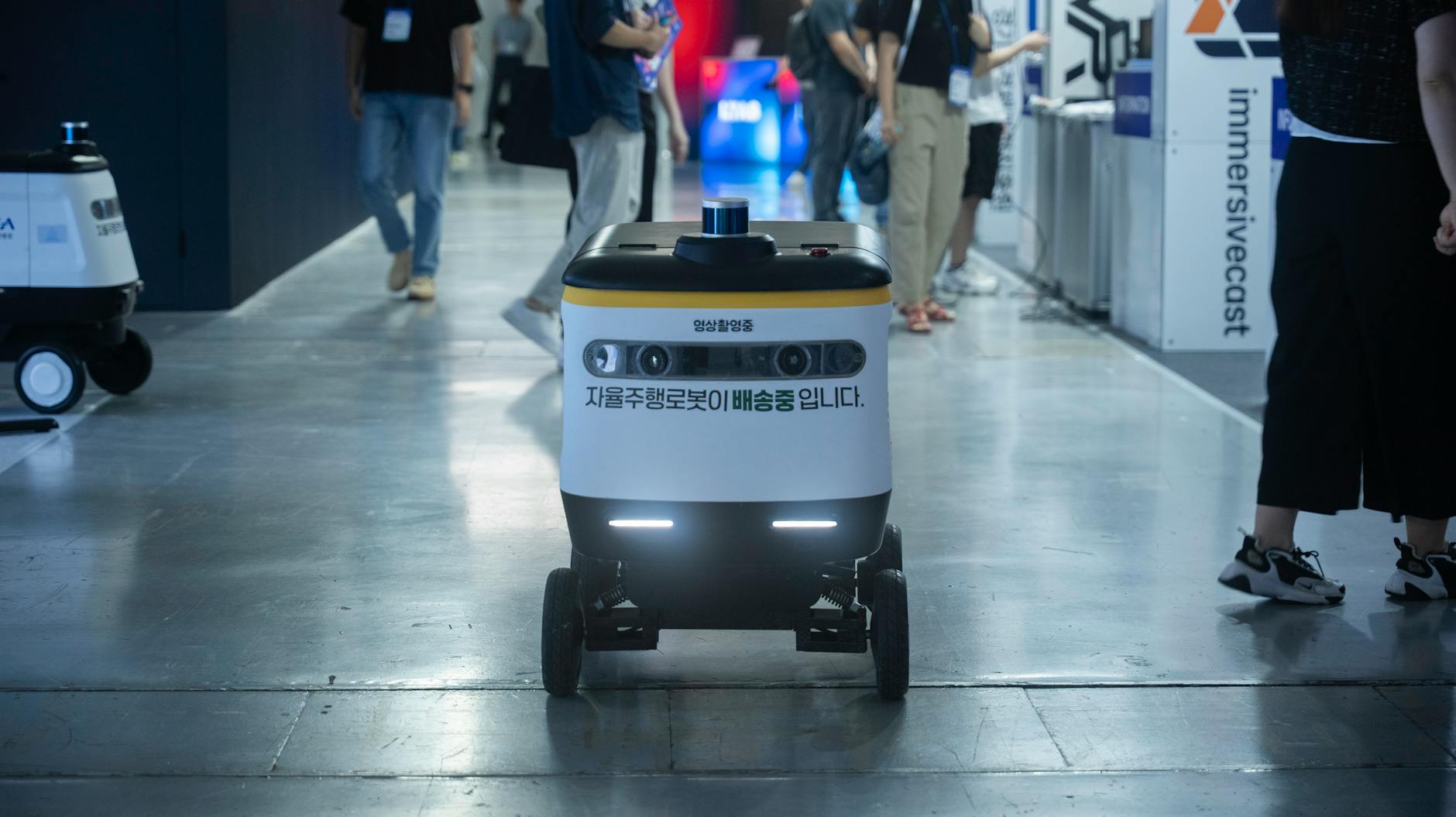
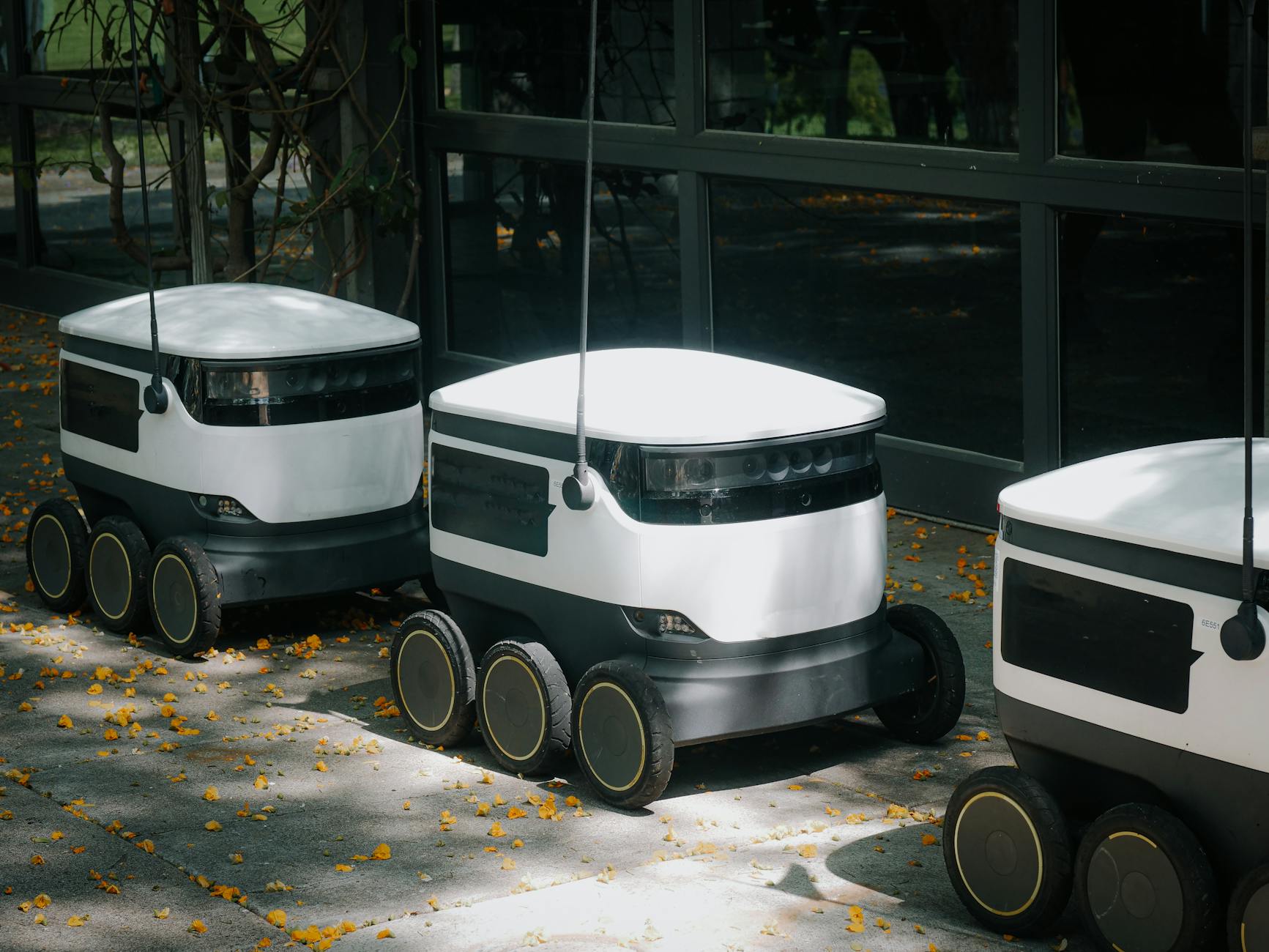
Richtech Robotics has built its business model around deploying functional robots that solve specific operational problems in hospitality and food service environments. Their flagship products have historically included ADAM, a robotic barista and bartender system capable of preparing beverages, and Matradee, an autonomous delivery robot designed to transport food and items within restaurants and hotels. Unlike research-stage robotics companies, RR has focused on commercial deployments where robots operate alongside human workers in live customer-facing environments. The “nvidia comparison” emerges from RR’s platform ambitions rather than pure hardware sales. The company has developed software systems intended to manage fleets of robots, handle ordering integration, and provide analytics on robot performance.
This mirrors Nvidia’s CUDA ecosystem, which created lock-in effects beyond the physical GPU hardware. For RR, the strategic goal appears to be making their robots the default infrastructure choice””the underlying technology that venue operators don’t think twice about selecting, similar to how data centers default to Nvidia chips for AI workloads. However, the comparison has significant limitations. Nvidia’s moat derives from the massive parallel computing requirements of AI training, where alternatives simply cannot match performance. Service robotics faces no equivalent technical bottleneck””multiple companies can build functional food delivery robots or beverage preparation systems. RR’s competitive advantage, if it exists, likely comes from operational refinement, deployment experience, and customer relationships rather than insurmountable technological barriers.
- —

The Economics of Robotic Deployment in Hospitality and Food Service
The business case for service robots centers on labor economics and operational consistency. Hospitality and food service industries have historically struggled with staffing challenges, including high turnover rates, scheduling difficulties, and rising minimum wages in many jurisdictions. Robots offer a different cost structure: high upfront capital expenditure or leasing fees exchanged for predictable operational costs and theoretically unlimited availability. Richtech robotics has typically offered robots through both purchase and Robot-as-a-Service (RaaS) subscription models. The RaaS approach lowers adoption barriers by converting capital expenditure into operational expenditure, making robots accessible to venues that cannot justify large upfront investments.
This financing flexibility represents a practical competitive advantage””many potential customers are small-to-medium restaurant groups or independent hotel operators without substantial capital reserves. The economic calculation is not universally favorable, however. Robots work best in environments with consistent, repetitive tasks and physical layouts that accommodate autonomous navigation. A cramped restaurant with constantly reconfigured seating presents challenges that a spacious hotel lobby does not. Additionally, robots cannot handle the full scope of human hospitality work””they supplement rather than replace staff, meaning labor savings may be less dramatic than initial projections suggest. Venues considering robotic deployment should conduct honest assessments of their specific operational patterns rather than assuming generic industry statistics apply to their circumstances.
- —
How RR Compares to Competitors in Service Robotics
The service robotics market includes numerous companies competing across different niches. Bear Robotics, backed by significant venture funding, produces Servi robots deployed in restaurants for food running and bussing. Pudu Robotics, a Chinese manufacturer, has achieved substantial global deployments with competitive pricing. Miso Robotics focuses on kitchen automation with products like Flippy, a robotic fry cook. Each competitor has carved distinct positioning within the broader market. Richtech Robotics differentiates through its range of robot types and focus on premium hospitality venues. While Bear Robotics concentrates on delivery robots and Miso Robotics on back-of-house kitchen equipment, RR has pursued front-of-house applications with customer-facing robots like robotic bartenders.
This positioning targets venues where the robot itself becomes part of the customer experience””a marketing asset as much as an operational tool. Las Vegas casinos and upscale hotels represent natural customers for this approach. The fragmentation creates both opportunity and risk. No single company has achieved the winner-take-all position that Nvidia holds in AI chips. This means RR has room to grow market share, but also that competitive pressure remains intense. Companies with deeper pockets or superior manufacturing scale could undercut RR’s pricing. The “Nvidia of service robotics” title will ultimately go to whichever company achieves platform lock-in””and that outcome remains genuinely uncertain.
- —
Investment Considerations and Market Positioning
For investors evaluating RR, the core question is whether service robotics follows a path toward consolidation around dominant platforms or remains a fragmented market where multiple viable competitors coexist. The Nvidia comparison implies the former trajectory””that RR could capture outsized market share and pricing power as the industry matures. Historical evidence from adjacent markets provides mixed signals. The robotics industry has generally not produced Nvidia-style monopolies. Industrial robotics companies like Fanuc, ABB, Kuka, and Yaskawa have competed for decades without any single firm achieving dominance.
Consumer robotics saw iRobot establish strong market share in vacuuming before Chinese competitors eroded margins. Service robotics may follow similar patterns where multiple companies serve different segments profitably without any achieving platform dominance. RR’s public listing provides liquidity and visibility that many competitors lack, potentially advantageous for customer confidence and future capital raising. However, public market investors should recognize that small-cap robotics stocks carry substantial risk. Revenue growth, path to profitability, competitive dynamics, and macroeconomic factors affecting hospitality industry capital spending all influence outcomes. The company’s financial disclosures and quarterly reports provide the most reliable current information for investment analysis.
- —
Technical Limitations and Operational Challenges
Service robots face real-world constraints that marketing materials often understate. Navigation in dynamic environments””crowded restaurant floors, unpredictable customer movements, temporary obstacles””requires sophisticated sensor fusion and decision-making. Robots that perform flawlessly in controlled demonstrations may struggle when a child runs across their path or a server leaves a tray stand in an unexpected location. Richtech Robotics has accumulated deployment experience that presumably informs iterative improvements to navigation and obstacle avoidance. However, each new venue presents unique challenges: floor surfaces, lighting conditions, WiFi reliability, physical layouts, and customer demographics all affect robot performance.
The learning curve for optimizing deployments should not be underestimated. Venues expecting plug-and-play operation may face disappointment during initial deployment periods. Maintenance and support represent ongoing operational realities. Robots require cleaning, software updates, occasional repairs, and technical support when problems arise. RR’s service infrastructure and response capabilities directly impact customer satisfaction and retention. For venues considering adoption, understanding the support model””response times, parts availability, software update frequency””matters as much as the initial robot specifications.
- —
Regulatory Environment and Safety Considerations
Robots operating in public spaces face evolving regulatory scrutiny. Health departments, fire marshals, liability insurers, and accessibility advocates all have legitimate interests in how robots integrate into commercial venues. The regulatory landscape remains inconsistent across jurisdictions, creating compliance complexity for companies deploying robots nationally or internationally.
Richtech Robotics robots handling food and beverages must meet health code requirements, which vary by state and municipality. Autonomous vehicles and delivery robots have faced regulatory battles in various cities””service robots in hospitality settings may encounter similar scrutiny as deployments scale. Companies establishing strong regulatory relationships and safety track records now will benefit as standards formalize.
- —
Future Trajectory and Industry Outlook
The service robotics market appears poised for continued growth, driven by labor market pressures and improving technology capabilities. Whether Richtech Robotics captures a disproportionate share of that growth depends on execution, competitive dynamics, and factors beyond any single company’s control. The “Nvidia of service robotics” framing represents an aspiration and investment thesis rather than established fact.
Technological improvements in AI, computer vision, and battery technology will benefit the entire sector, potentially enabling capabilities that seem impractical today. RR’s ability to integrate new technologies while maintaining deployment expertise and customer relationships will determine whether the Nvidia comparison ages well or becomes a historical curiosity. The next several years will provide meaningful evidence on which outcome materializes.
- —
Conclusion
Richtech Robotics has established a credible position in the service robotics market through actual commercial deployments, a diverse product lineup, and flexible business models that accommodate different customer needs. The Nvidia comparison captures the company’s platform ambitions””providing foundational robotic infrastructure that becomes standard across hospitality and food service venues. Whether this ambition translates to Nvidia-scale market position remains genuinely uncertain.
Prospective customers should evaluate RR’s offerings based on their specific operational needs, physical venue characteristics, and realistic expectations about what robots can and cannot accomplish. Investors should conduct thorough due diligence recognizing the speculative nature of small-cap robotics investments. The service robotics industry is real and growing, but the path from promising early-stage company to dominant platform leader is neither guaranteed nor straightforward.