
Richtech Robotics, trading under the ticker symbol RR on the Nasdaq, has positioned itself as what industry observers increasingly call “the Amazon of restaurant automation”””a one-stop platform offering everything from robotic baristas to AI-powered service bots under a single ecosystem. The comparison stems from the company’s strategy of building an integrated suite of automation products rather than specializing in a single device, much like Amazon expanded from books to become an everything store for e-commerce. The Nevada-based company went public in 2023 and has since deployed its robots across major chains including Chili’s, Buffalo Wild Wings, and various hotel properties.
What distinguishes Richtech from competitors manufacturing isolated solutions is its Robots-as-a-Service model combined with a growing product lineup””ADAM the robotic bartender, Medbot for food service, Scorpion for floor cleaning, and DUST-E for sanitation””all designed to work within the same operational framework. For restaurant operators struggling with labor costs that now average 30-35% of revenue, this integrated approach offers a compelling alternative to piecing together automation from multiple vendors. This article examines how Richtech built its platform strategy, where the technology actually performs versus where it falls short, and what the competitive landscape looks like for investors and operators evaluating the restaurant automation space.
Table of Contents
- What Makes Richtech Robotics the Amazon of Restaurant Automation?
- How Richtech’s ADAM Robot Transforms Beverage Service
- The Limitations of Robotic Restaurant Staff
- How Restaurant Chains Are Deploying Richtech Solutions
- Comparing Richtech to Bear Robotics, Serve, and Other Competitors
- Understanding Robots-as-a-Service Economics
- The Future of AI-Powered Restaurant Robotics
- Conclusion
What Makes Richtech Robotics the Amazon of Restaurant Automation?
The amazon comparison goes beyond marketing. Jeff Bezos built his empire on the flywheel concept: more selection attracts more customers, which attracts more sellers, which enables better prices and infrastructure investment. Richtech applies similar logic to restaurant automation””each robot category they add makes their overall platform more attractive to operators who prefer dealing with a single vendor for training, maintenance, and software integration. Consider a mid-sized hotel casino. Traditional automation procurement might require contracting separately with a drink-serving robot company, a floor-cleaning robot manufacturer, and a concierge bot vendor.
Each system runs different software, requires separate maintenance contracts, and creates integration headaches. Richtech’s pitch eliminates this friction by offering a unified fleet management system where operators monitor all robotic assets through a single dashboard, share usage data across platforms, and call one service number when something breaks. The business model also mirrors Amazon’s evolution from product seller to infrastructure provider. Beyond hardware sales, Richtech generates recurring revenue through service subscriptions, software licensing, and their recently launched ADAM Intelligence platform””a generative AI system that gives their robots conversational abilities. This SaaS component creates the sticky, predictable revenue streams that technology investors favor, while making it increasingly painful for customers to switch vendors once they’ve built workflows around the platform.

How Richtech’s ADAM Robot Transforms Beverage Service
ADAM represents Richtech’s flagship product and most visible automation success. The dual-armed robotic bartender can mix cocktails, pour draft beer, and serve coffee drinks with a consistency that human bartenders struggle to match during peak hours. Deployed at venues ranging from Las Vegas casino floors to Chili’s test locations, ADAM handles roughly 80-120 drinks per hour depending on complexity””comparable to a skilled bartender but without breaks, sick days, or overtime costs. The economics work out favorably in high-volume environments. A single ADAM unit leases for approximately $2,000-3,000 monthly under the Robots-as-a-Service model, compared to fully-loaded labor costs exceeding $4,500 monthly for a human bartender working full-time with benefits.
However, these savings assume consistent demand; restaurants with unpredictable traffic patterns may find the fixed lease cost disadvantageous compared to flexible human scheduling. ADAM also requires roughly 15 square feet of dedicated space and standard 120V power, making retrofit installations straightforward but not universal. The recent integration of ADAM Intelligence””Richtech’s generative AI module””adds conversational capabilities that transform the robot from a drink dispenser into something approaching an interactive experience. Customers can ask ADAM about ingredients, request recommendations based on preferences, or simply engage in small talk while waiting. early operator feedback suggests this feature improves customer acceptance, though the novelty effect likely contributes to current enthusiasm.
The Limitations of Robotic Restaurant Staff
Despite impressive demonstrations, robotic restaurant automation faces constraints that vendors rarely emphasize in sales presentations. The technology excels at repetitive, standardized tasks””pouring precise measurements, following programmed routes, maintaining consistent cleaning patterns””but struggles with the adaptive judgment that defines quality hospitality. ADAM cannot read a customer’s mood and suggest a comforting drink after a bad day. Service robots like Medbot navigate efficiently around obstacles but cannot gracefully intervene when two guests reach for the same bread basket or smooth over a complaint about food quality. The robots handle logistics; they cannot provide hospitality in the human sense.
Restaurant operators who deploy automation expecting full staff replacement rather than augmentation typically report disappointing results after the initial publicity fades. Maintenance represents another underappreciated limitation. While richtech advertises 95%+ uptime, that figure assumes proper operating conditions and timely service responses. Robots operating in humid kitchen environments, handling sticky beverage spills, or navigating through crowds encounter wear patterns that can degrade performance. Operators in secondary markets without local Richtech service presence report longer resolution times for hardware issues, creating vulnerability during peak business periods when downtime proves most costly.
How Restaurant Chains Are Deploying Richtech Solutions
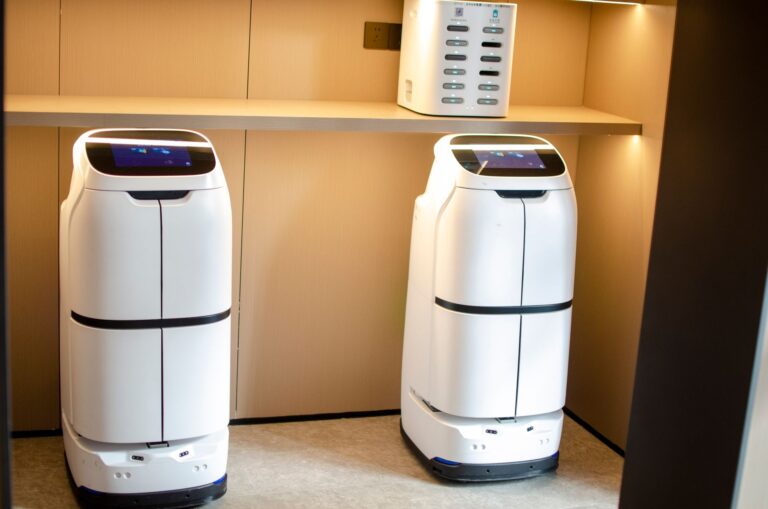
Major restaurant groups have moved beyond pilot programs into scaled deployments, providing real-world performance data that cuts through vendor claims. Chili’s parent company Brinker International began testing Richtech robots in 2023 and has since expanded to dozens of locations, focusing primarily on ADAM for bar service and Richtech’s service robots for food running””the labor-intensive task of carrying completed orders from kitchen to table. The implementation pattern typically follows a phased approach. Chains start with a single robot type at a few locations, measure labor savings and customer response, then expand both the number of units and the variety of robots deployed. Buffalo Wild Wings took this path, initially using floor-cleaning robots during off-hours before adding service robots for drink delivery.
This gradual rollout allows operators to work through integration issues without betting their entire operation on unproven technology. Independent restaurants face different economics. Without the negotiating leverage of national chains, smaller operators pay closer to list price for equipment and service contracts. The payback period extends accordingly, making automation a tougher financial case for a 50-seat neighborhood restaurant versus a 200-seat high-traffic venue. Richtech has responded with smaller, lower-cost options for this segment, but the sweet spot remains mid-to-large operations with consistent volume and existing technology infrastructure.
Comparing Richtech to Bear Robotics, Serve, and Other Competitors
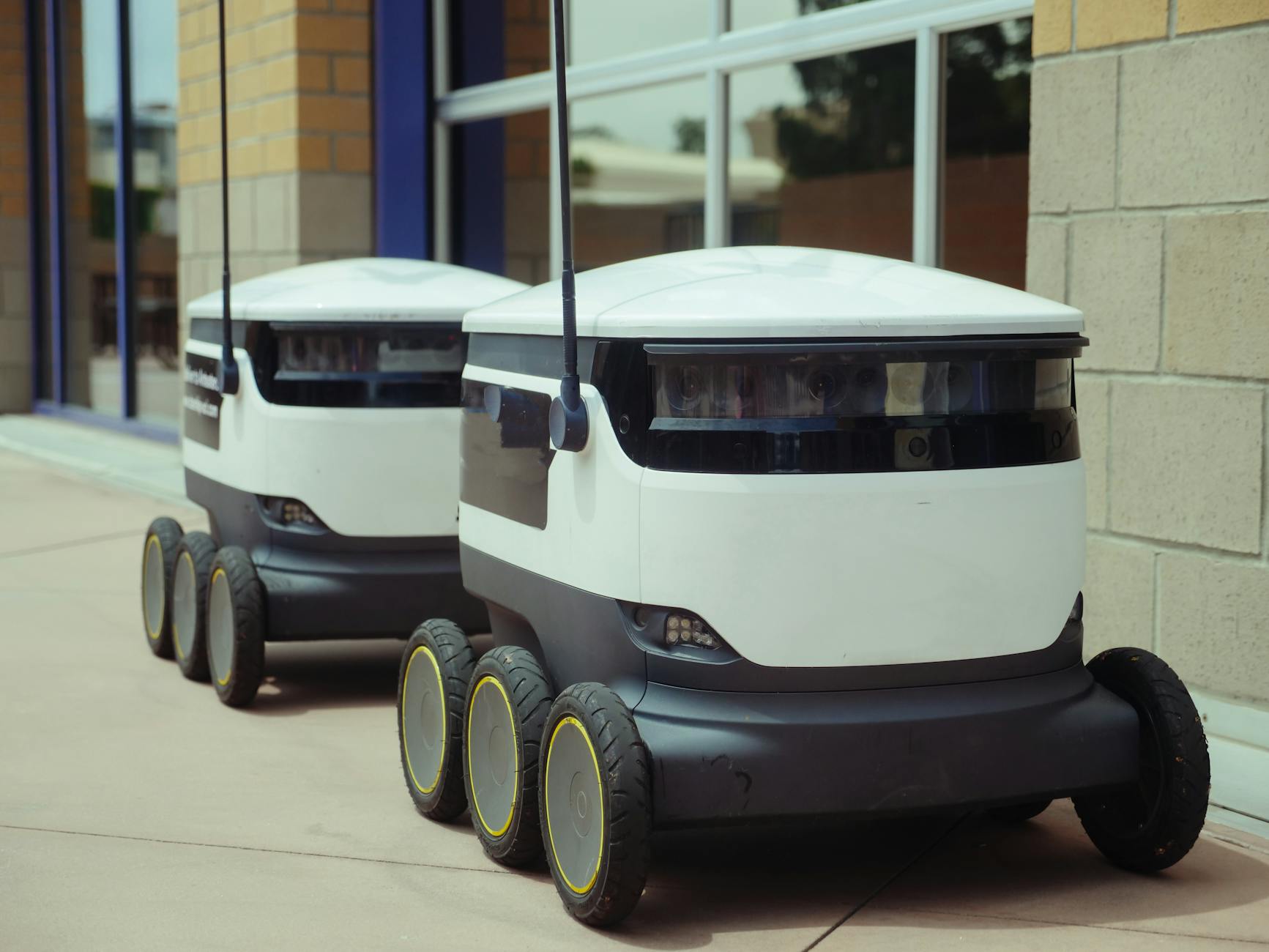
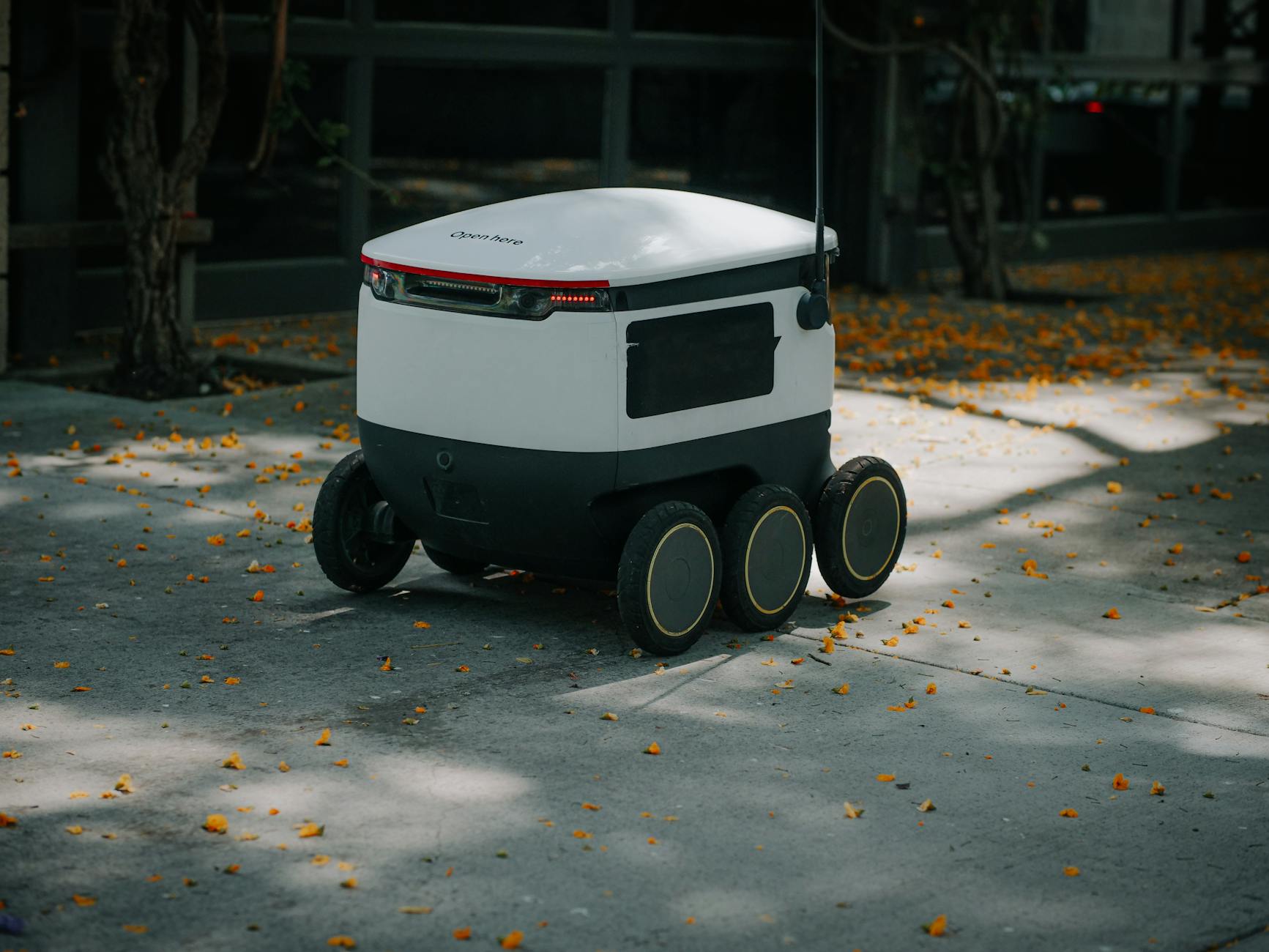
The restaurant robotics market includes multiple players with overlapping capabilities but distinct strategies. Bear Robotics, backed by significant venture funding, focuses primarily on service robots with a simpler product line but broader geographic deployment. Serve Robotics specializes in outdoor delivery robots rather than in-restaurant service. Miso Robotics targets kitchen automation with products like Flippy, the burger-flipping robot. Each competes for foodservice automation dollars without directly replicating Richtech’s platform approach. Richtech’s diversification provides both advantages and vulnerabilities.
The breadth of their product line appeals to operators seeking unified solutions, but it also means competing simultaneously against specialists in multiple categories. A restaurant evaluating only floor-cleaning robots might find that dedicated manufacturers offer superior technology at lower prices, while Richtech’s value proposition depends on purchasing across categories. The competitive landscape also includes traditional automation vendors entering foodservice. Companies like ABB and Fanuc, with decades of industrial robotics experience and global service networks, have begun developing hospitality-specific applications. These incumbents bring manufacturing scale and reliability track records that challenge newer entrants. However, their enterprise sales approach and higher price points currently limit penetration into the cost-sensitive restaurant segment where Richtech has established presence.
Understanding Robots-as-a-Service Economics
The shift from capital expenditure to operating expense fundamentally changes how restaurants evaluate automation investments. Under traditional purchasing, a $150,000 robot required upfront capital, created depreciation schedules, and left the operator responsible for maintenance and eventual replacement. Robots-as-a-Service converts this to a predictable monthly fee covering hardware, software updates, and maintenance””typically ranging from $1,500 to $5,000 depending on robot type and service level. For restaurant operators accustomed to managing labor as a variable cost, this model provides familiar flexibility.
Monthly commitments can be adjusted seasonally, upgraded as new technology releases, or cancelled if business conditions change. The tradeoff involves higher total cost over extended periods; an operator running the same robot for five years under RaaS likely pays more than one who purchased outright, though they avoid obsolescence risk and maintenance variability. Richtech’s financial reports indicate growing RaaS adoption, with recurring revenue now representing approximately 40% of total sales compared to under 20% two years ago. This transition mirrors patterns in other technology sectors””from enterprise software to security cameras””where subscription models ultimately dominate despite initial customer resistance. For investors, recurring revenue deserves higher valuation multiples than one-time hardware sales, explaining market enthusiasm when Richtech reports strong subscription growth.
The Future of AI-Powered Restaurant Robotics
Generative AI integration represents the next competitive frontier for restaurant robotics. Richtech’s ADAM Intelligence platform, launched in late 2024, demonstrates how large language models can transform robots from mechanical task-completers into interactive service entities. Customers ordering from ADAM can now hold natural conversations about drink preferences, dietary restrictions, or local recommendations””capabilities impossible with previous-generation systems. The technology roadmap suggests deeper integration ahead. Future iterations will likely incorporate visual recognition allowing robots to identify regular customers, remember preferences, and personalize interactions.
Predictive capabilities could enable proactive service””a robot noticing an empty glass and offering a refill before being asked. Whether customers ultimately prefer this automated attentiveness or find it intrusive remains uncertain, but the technical capability is rapidly approaching commercial viability. For restaurant operators evaluating current-generation technology, the challenge involves balancing immediate labor savings against the certainty of improved products arriving within years. Waiting guarantees better technology but delays capturing available savings. The Robots-as-a-Service model partially addresses this through upgrade provisions, but operators locked into multi-year agreements may find themselves running outdated equipment while competitors deploy next-generation capabilities.
Conclusion
Richtech Robotics has earned the “Amazon of restaurant automation” comparison through deliberate platform strategy rather than accident. By offering integrated solutions spanning beverage service, food delivery, cleaning, and sanitation””all managed through unified software and supported by a single vendor relationship””the company addresses operational complexity that fragmented alternatives cannot match. The approach resonates particularly with mid-to-large restaurant operations where labor costs consume an increasingly painful share of revenue and integration headaches multiply with each additional technology vendor.
The technology works within defined parameters but requires realistic expectations. Robots excel at consistent execution of repetitive tasks while struggling with the adaptive, emotional dimensions of hospitality. Operators achieving strong results typically deploy automation to augment human staff rather than replace them entirely, using robots for high-volume mechanical tasks while preserving human presence for guest interaction and problem-solving. As AI capabilities improve and costs decline, this balance will shift””but the timeline remains measured in years rather than months, and anyone expecting overnight transformation will be disappointed.