
ABB Ltd, traded on the OTC market under the ticker ABBNY, has built itself into one of the most dominant industrial conglomerates on the planet over more than 140 years of operation. Founded in 1883 and headquartered in Zurich, Switzerland, the company operates across over 100 countries and holds the number one or number two supplier position in two-thirds of its product segments. With a market cap of approximately $164.22 billion as of February 2026 and 2025 revenues reaching $33.22 billion, ABB is not a company that sneaks up on anyone. It is a fixture in global manufacturing, energy infrastructure, and industrial automation, and its robotics division has been a cornerstone of that reputation for decades.
What makes ABB’s story particularly interesting right now is the seismic shift happening within the company. ABB has signed an agreement to divest its entire Robotics division to SoftBank Group for an enterprise value of $5.375 billion, a move that replaces an earlier plan to spin off the unit as a separately listed company. This transaction, expected to close in mid-to-late 2026, marks a turning point not just for ABB but for the broader robotics industry. This article breaks down ABB’s financial standing, what the SoftBank deal means for investors and the robotics sector, the strengths and limitations of ABB’s remaining business segments, and where the company is headed without its robotics arm.
Table of Contents
- What Makes ABBNY a Robotics Conglomerate Leader?
- ABBNY Stock Performance and Valuation in 2026
- The SoftBank Robotics Deal and What It Means
- How ABB’s Remaining Segments Stack Up After the Divestiture
- Risks and Limitations for ABBNY Investors
- ABB’s Competitive Position in the Industrial Automation Landscape
- Where ABB Goes From Here
- Conclusion
- Frequently Asked Questions
What Makes ABBNY a Robotics Conglomerate Leader?
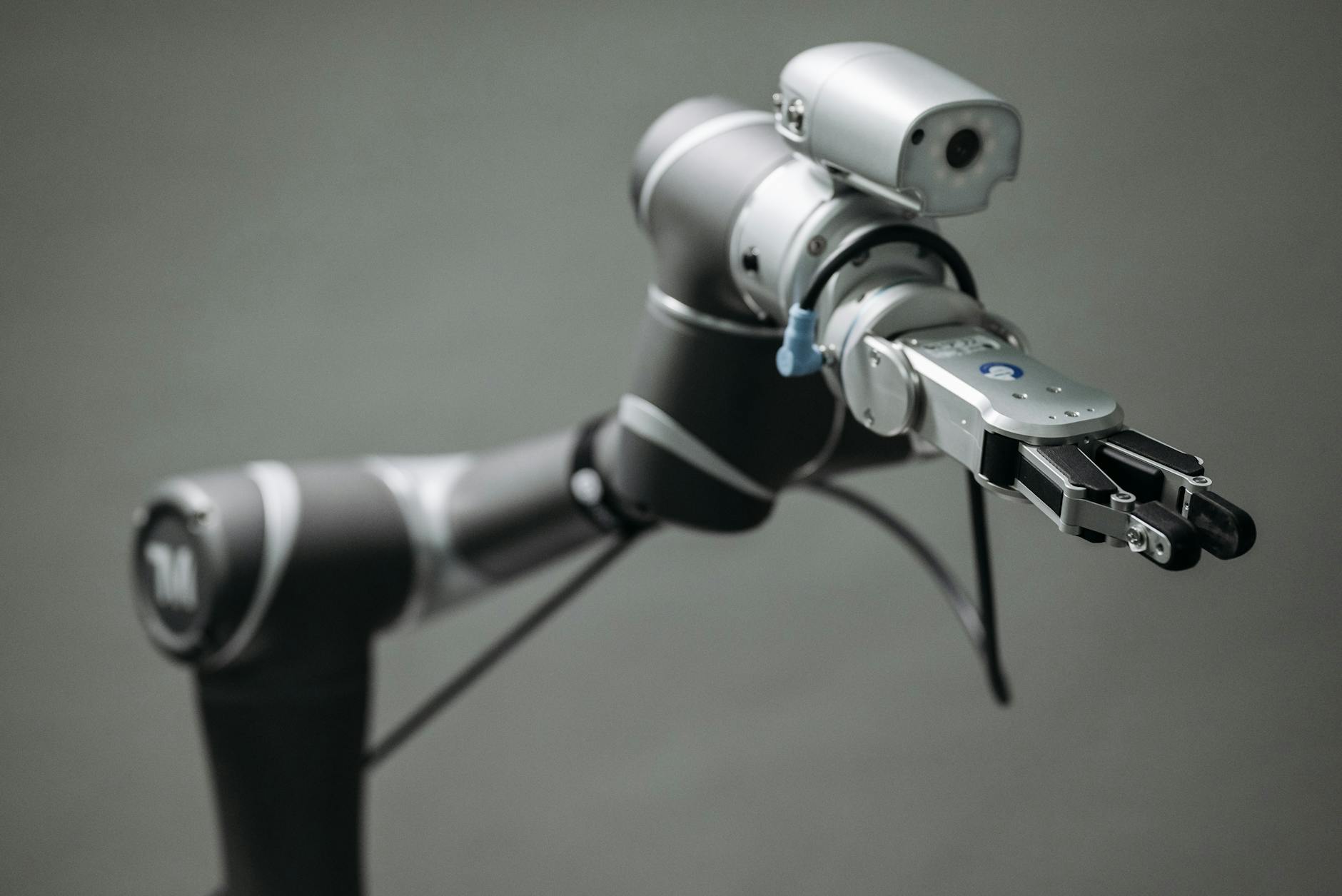
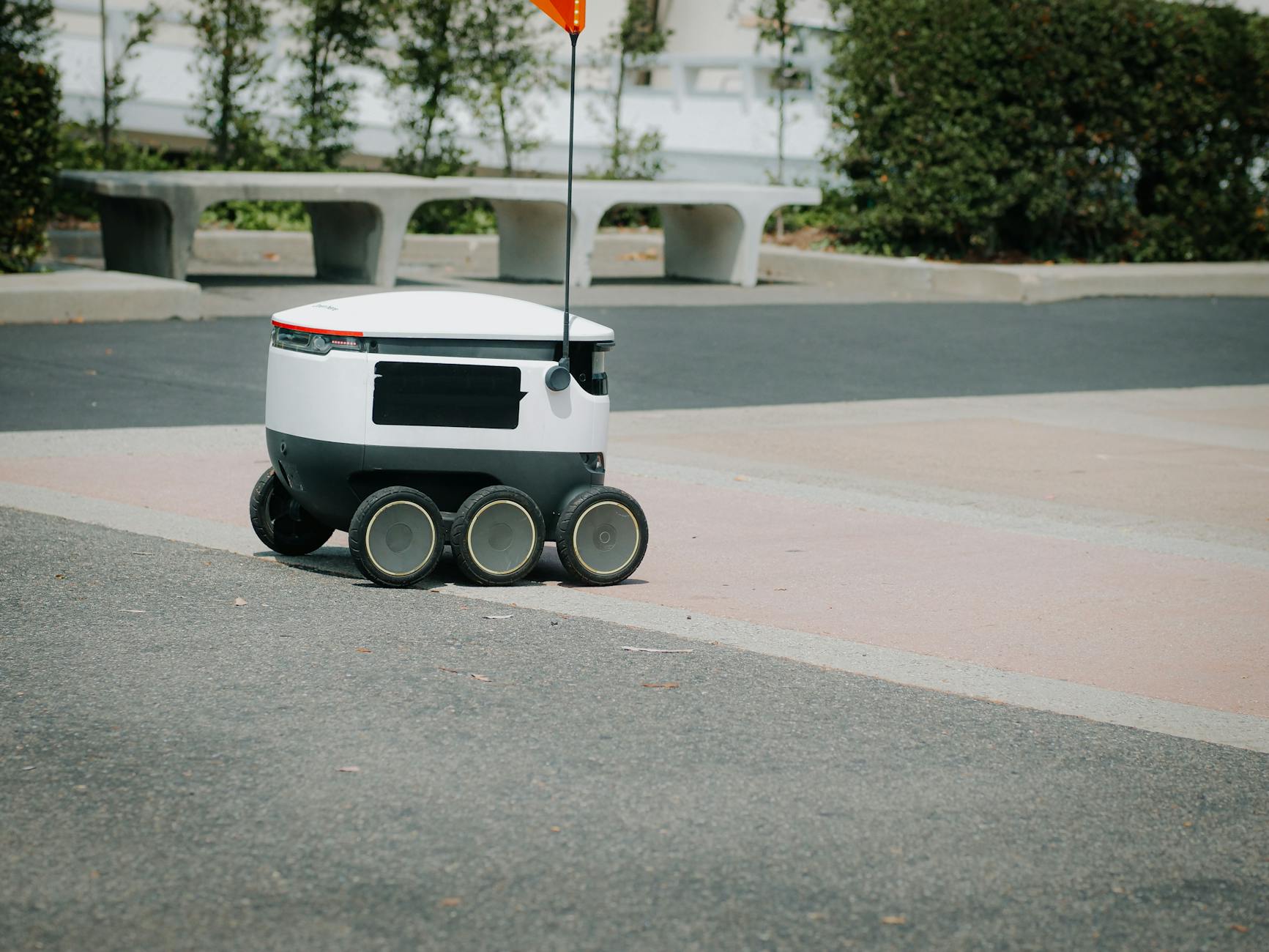
ABB earned its reputation as a robotics conglomerate leader through a combination of industrial breadth and deep technical specialization. The company operates through four core segments: Electrification, Motion, Process automation, and Robotics & Discrete Automation. That last segment, the one now heading to SoftBank, offered industrial and collaborative robots, autonomous mobile robotics, mapping and navigation solutions, robotic field services, spare parts, and digital services. Few companies in the world could claim to provide that full stack of robotics capabilities alongside power distribution, drive systems, and process control under a single corporate umbrella. Compare ABB’s scope to a pure-play robotics company like Fanuc or a focused automation firm like Rockwell. Those companies do their respective jobs well, but ABB’s advantage was integration.
A factory could source its power infrastructure, motor drives, process controls, and robotic arms from a single vendor with a unified digital layer. That kind of one-stop industrial offering is rare, and it gave ABB significant leverage in large-scale project bids where procurement complexity is a real cost driver. The Robotics division alone generated $2.3 billion in revenue in 2024, representing roughly seven percent of ABB Group revenues. However, that same breadth has sometimes worked against ABB. Managing four distinct business segments with different market dynamics, competitive landscapes, and capital needs is inherently complex. The decision to sell the Robotics division reflects a recognition that focus can be more valuable than scope, particularly when the remaining three segments are performing strongly on their own.

ABBNY Stock Performance and Valuation in 2026
ABB’s stock has been on a remarkable run. As of February 11, 2026, ABBNY traded at approximately $90.31, which placed it at the top of its 52-week range of $45.36 to $90.31. That means the stock essentially doubled from its low point over the prior year, a performance that reflects both strong operational results and investor enthusiasm around the company’s strategic restructuring. The financial results back up the stock price. ABB posted 2025 revenues of $33.22 billion, a modest 1.13 percent increase year-over-year from $32.85 billion, but earnings told a much more compelling story. The company earned $4.73 billion in 2025, up 20.30 percent from the prior year.
Q2 2025 was a standout quarter with record order intake of $9.8 billion and revenues of $8.9 billion, accompanied by an operational EBITA margin of 19.2 percent. Those are the kind of numbers that justify premium valuations. Here is where investors should pay attention to the gap between price and analyst expectations. The average 12-month analyst price target sits at $78.75, with a high estimate of $87 and a low of $68. In other words, the stock is currently trading above even the most optimistic analyst target. That does not necessarily mean the stock is overvalued, since analyst targets often lag momentum-driven moves, but it does mean that new buyers at these levels are betting on continued outperformance that the consensus has not yet priced in. If earnings growth slows or the SoftBank deal hits regulatory snags, the downside risk at a 52-week high is real.
The SoftBank Robotics Deal and What It Means
The headline event for ABB in early 2026 is the agreement to sell its entire robotics division to SoftBank Group for $5.375 billion in enterprise value. This deal replaced ABB’s prior plan to spin off the Robotics unit as a separately listed company during Q2 2026. The pivot from spin-off to outright sale signals that SoftBank’s offer was compelling enough to change the strategic calculus entirely. The financial mechanics of the deal are straightforward and favorable for ABB. The company expects net cash proceeds of approximately $5.3 billion and a non-operational pre-tax book gain of around $2.4 billion.
Given that the Robotics division operated at a 12.1 percent operational EBITA margin, lower than the group average implied by the overall numbers, shedding this unit could actually improve ABB’s consolidated margin profile. The $5.3 billion in cash also gives ABB significant firepower for share buybacks, debt reduction, or acquisitions in its remaining segments. From the robotics industry’s perspective, the deal is significant because of SoftBank’s stated rationale. Both companies have framed the transaction around the belief that the world is entering a new era of AI-based robotics, and that combining ABB Robotics’ hardware and solutions expertise with SoftBank’s AI capabilities will shape that era. SoftBank has invested heavily in AI through its Vision Fund and other vehicles, and adding a world-class industrial robotics operation to that portfolio suggests a long-term play on intelligent automation. For ABB Robotics customers, the practical question is whether SoftBank will maintain the same level of service, R&D investment, and product roadmap continuity that ABB provided.
How ABB’s Remaining Segments Stack Up After the Divestiture
With the Robotics division heading to SoftBank, ABB will operate as a three-segment company focused on Electrification, Motion, and Process Automation. The question for investors and customers alike is whether these segments can sustain ABB’s growth trajectory without the robotics business. The evidence suggests they can. The Robotics division contributed only about seven percent of group revenues, and its 12.1 percent EBITA margin was below the company-wide average. Electrification, which covers power distribution, smart buildings, and EV charging infrastructure, sits at the intersection of multiple long-term secular trends including grid modernization and decarbonization.
Motion, covering drives and motors, benefits from the global push for energy efficiency in industrial processes. Process Automation serves oil and gas, mining, and other heavy industries with control systems and instrumentation. Each of these segments has strong competitive positioning and healthy demand tailwinds. The tradeoff is that ABB loses its most visible connection to the robotics narrative, which has been a growth story that attracted investor attention and media coverage. Industrial drives and process control systems do not generate the same excitement as collaborative robots and autonomous mobile platforms. ABB will need to demonstrate that its remaining businesses can deliver consistent earnings growth to justify the current valuation, or risk being re-rated as a slower-growth industrial utility play rather than a technology-forward conglomerate.
Risks and Limitations for ABBNY Investors
No stock trading at its 52-week high with analyst targets below the current price should be considered without a clear-eyed view of the risks. The most immediate concern is execution risk around the SoftBank transaction. The deal is expected to close in mid-to-late 2026, which means it still needs to clear regulatory approvals across multiple jurisdictions. Any delays or complications could weigh on sentiment. Beyond the deal itself, ABB faces the same cyclical risks as any industrial conglomerate.
Its Process Automation segment is tied to capital spending in oil and gas, mining, and chemicals, all of which are cyclical industries sensitive to commodity prices and global economic conditions. A recession or slowdown in industrial capital expenditure would hit ABB’s order book, and the company’s modest 1.13 percent revenue growth in 2025 hints that organic growth is not exactly explosive even in a decent economic environment. There is also a concentration question. Post-divestiture, ABB becomes more dependent on its Electrification and Motion segments for growth. If the energy transition slows due to policy changes, subsidy reductions, or shifts in political priorities, the demand assumptions underpinning those segments could weaken. Investors should monitor ABB’s order intake trends closely as a leading indicator rather than relying solely on reported revenues, which lag actual demand by several quarters.

ABB’s Competitive Position in the Industrial Automation Landscape
ABB competes against Siemens, Schneider Electric, Honeywell, and Emerson in various segments, and against Fanuc, KUKA, and Yaskawa in robotics. What distinguished ABB was the combination of power and automation under one roof. Post-divestiture, the comparison shifts more toward Siemens and Schneider, which similarly blend electrification and industrial automation without a major robotics division.
One concrete example of ABB’s competitive moat is its installed base. With operations in over 100 countries and decades of deployments in power grids, factories, and process plants, ABB benefits from recurring revenue through service contracts, spare parts, and software upgrades. Competitors cannot easily displace an installed ABB drive system or process control architecture because the switching costs for industrial customers are enormous, both in terms of money and operational risk. That stickiness is a genuine structural advantage that does not disappear when the robotics division leaves.
Where ABB Goes From Here
The next 12 to 18 months will define ABB’s post-robotics identity. If the SoftBank transaction closes smoothly and ABB deploys the $5.3 billion in net proceeds strategically, whether through bolt-on acquisitions in electrification, accelerated share buybacks, or investments in software and digital services, the company could emerge leaner and more focused. The $2.4 billion pre-tax book gain will also provide a one-time earnings boost that management can use to reset expectations.
The broader industrial automation market continues to grow, driven by labor shortages, energy efficiency mandates, and the digitization of manufacturing. ABB does not need a robotics division to participate in those trends. Its Motion segment sells the variable frequency drives that make factories more energy efficient, and its Electrification segment provides the infrastructure for EV charging networks and renewable energy integration. If ABB executes well, the divestiture could be remembered as the moment the company shed a distraction and doubled down on its strongest businesses.
Conclusion
ABB Ltd under the ABBNY ticker has been a robotics conglomerate leader for years, but the company is now deliberately stepping away from that label. The sale of its Robotics division to SoftBank for $5.375 billion is a defining strategic choice, one that trades breadth for focus and swaps a lower-margin business for cash and a cleaner growth story. With 2025 earnings up over 20 percent, record quarterly orders, and a stock price at its 52-week high, ABB enters this transition from a position of strength.
For investors, the key question is whether the current stock price already reflects the best-case scenario. Trading above every analyst’s 12-month target, ABBNY demands conviction that the remaining three segments can sustain double-digit earnings growth and that the SoftBank proceeds will be deployed wisely. For those in the robotics industry, the more interesting story may be what SoftBank does with ABB’s robotics technology once the deal closes. Either way, ABB’s next chapter is being written now, and it will look fundamentally different from the last one.
Frequently Asked Questions
What does ABBNY stand for?
ABBNY is the OTC ticker symbol for ABB Ltd’s American Depositary Receipts (ADRs), allowing U.S. investors to buy shares of the Swiss-headquartered industrial conglomerate without trading on a foreign exchange.
Why is ABB selling its Robotics division instead of spinning it off?
ABB originally planned to spin off Robotics as a separately listed company in Q2 2026, but SoftBank’s offer of $5.375 billion in enterprise value was attractive enough to change course. The outright sale provides immediate cash proceeds of approximately $5.3 billion and a pre-tax book gain of around $2.4 billion, which ABB determined was more beneficial to shareholders than an independent listing.
Is ABBNY a good stock to buy at its current price?
As of February 2026, ABBNY trades at roughly $90.31, which is its 52-week high and above the average analyst price target of $78.75. While the company’s financial performance has been strong with 20 percent earnings growth in 2025, buying at a 52-week high above consensus targets carries inherent risk if growth expectations are not met. Investors should evaluate their own risk tolerance and time horizon.
What happens to ABB Robotics customers after the SoftBank acquisition?
The transaction is expected to close in mid-to-late 2026, and existing service agreements and product support should continue under the new ownership structure. However, long-term strategic direction, R&D priorities, and product roadmap decisions will ultimately be determined by SoftBank, and customers should monitor announcements closely as the transition unfolds.
What are ABB’s main business segments after the Robotics sale?
Post-divestiture, ABB will operate three segments: Electrification, which covers power distribution and smart building solutions; Motion, which includes drives, motors, and related services; and Process Automation, which provides control systems and instrumentation for heavy industries like oil and gas, mining, and chemicals.
How does ABB compare to Siemens as an investment?
Both are European industrial conglomerates with significant automation and electrification businesses. After divesting Robotics, ABB becomes more directly comparable to Siemens in terms of business mix. Siemens retains a broader portfolio including healthcare (Healthineers) and digital industries, while ABB will be more focused on its three core segments. The comparison depends on whether an investor values ABB’s leaner focus or Siemens’ broader diversification.