Humanoid Engineering Guide: Sensors, Control, and Reliability
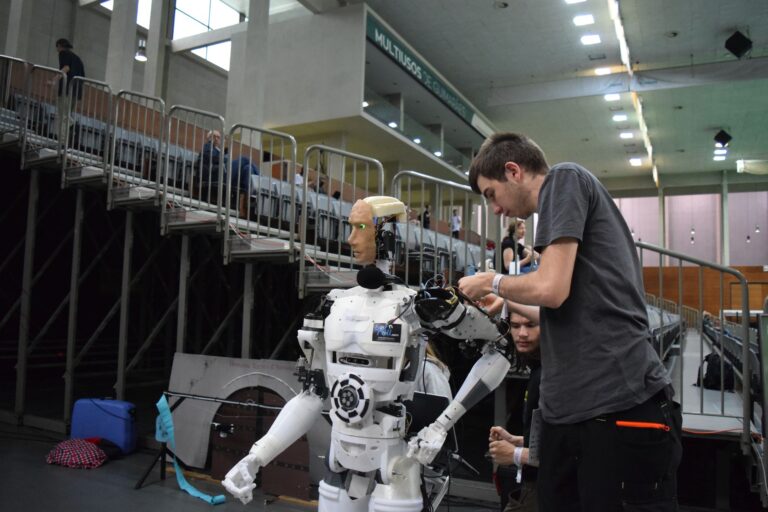
Learn how to select humanoid sensors, structure control loops, contain faults, and validate safe operation.

Learn how to select humanoid sensors, structure control loops, contain faults, and validate safe operation.

Compare humanoid robots with simpler automation and identify the tasks, risks, and safeguards that determine a useful deployment.

Learn how robot sensing, software nodes, edge computing, simulation, and safe first builds work together.
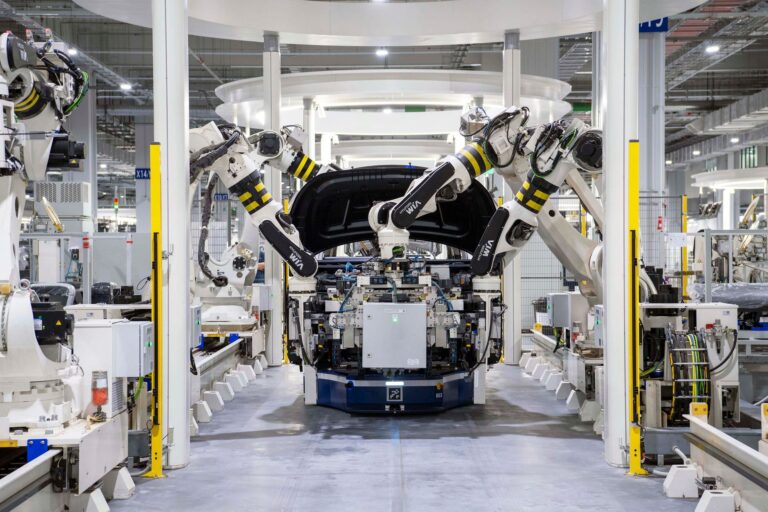
Compare drives, controls, motion systems, and robots by output, lifecycle cost, safety, cyber risk, and flexibility.

A practical guide to separating scaled robotics deployments from promising pilots, projections, and proposed rules.
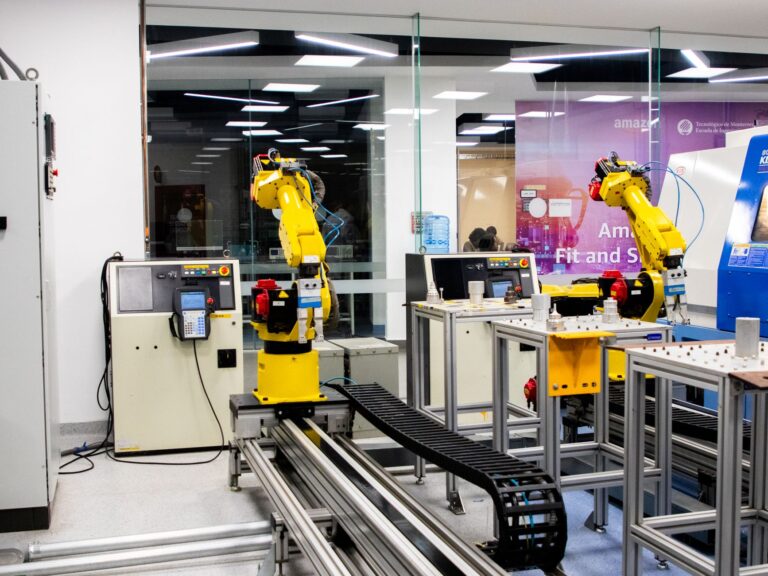
Use measurable requirements, failure-focused tests, staged deployment, and change control to release automation safely.

Learn how robot hardware and controls work together, where automation performs well, and how to assess a practical use case.
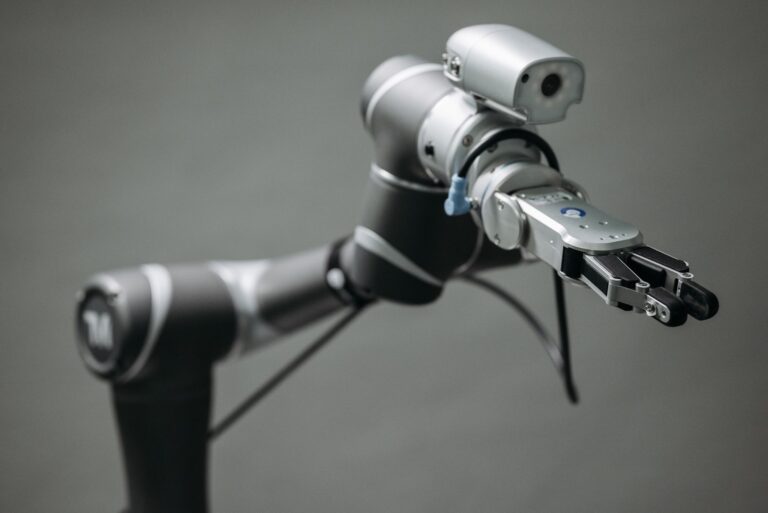
See where robots deliver at scale, where pilots fall short, and what to check before deploying a system.

See where robots are scaling, what limits humanoids, and how to prepare facilities and workers for safer automation.

Learn how Beijing's road data and XPENG's world models fit together—and where technical claims still need proof.