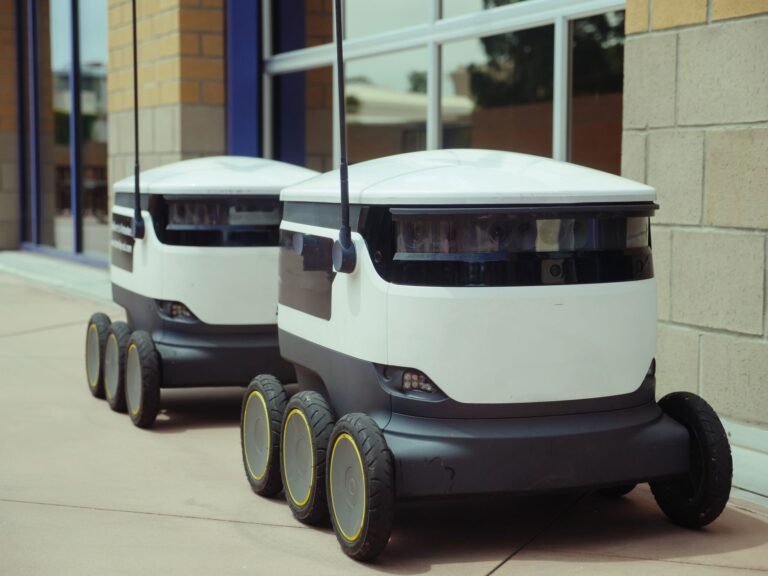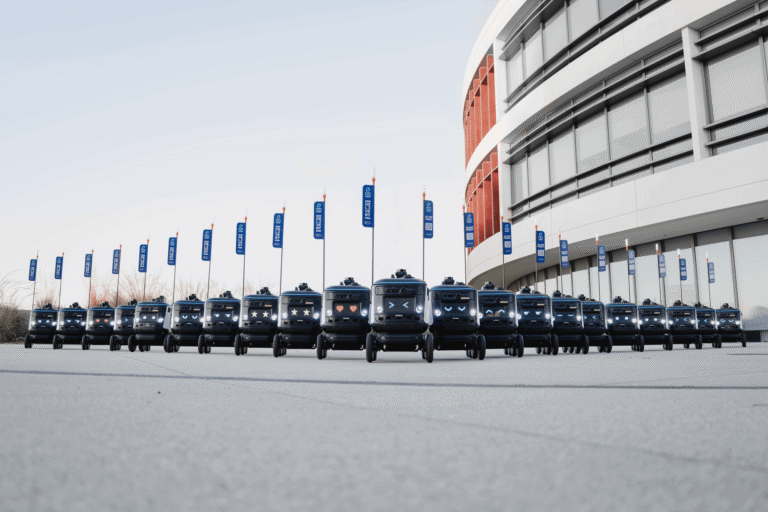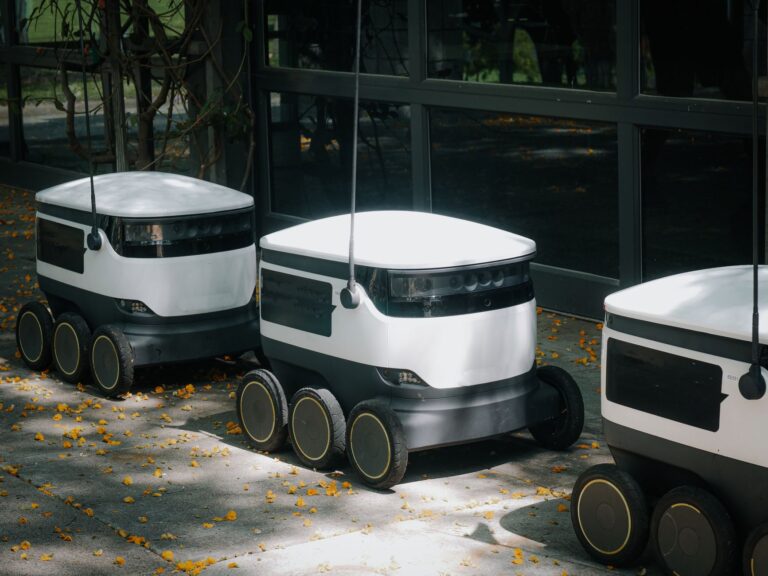

Robots in 2026 are integrated systems that combine machines, tools, sensors, software, power, and communications. Their strongest impact comes from factory automation, logistics, and clinician-operated medicine, while humanoids and robotaxis remain narrower deployments. The practical question is not whether robots can perform a task. It is whether the complete system can perform that task reliably, safely, and economically in its intended environment.
Table of Contents
- What makes a robot system?
- Where robots operate at scale
- Medical robots assist rather than replace clinicians
- Autonomy and humanoids have narrower evidence
- How to evaluate a deployment
What makes a robot system?
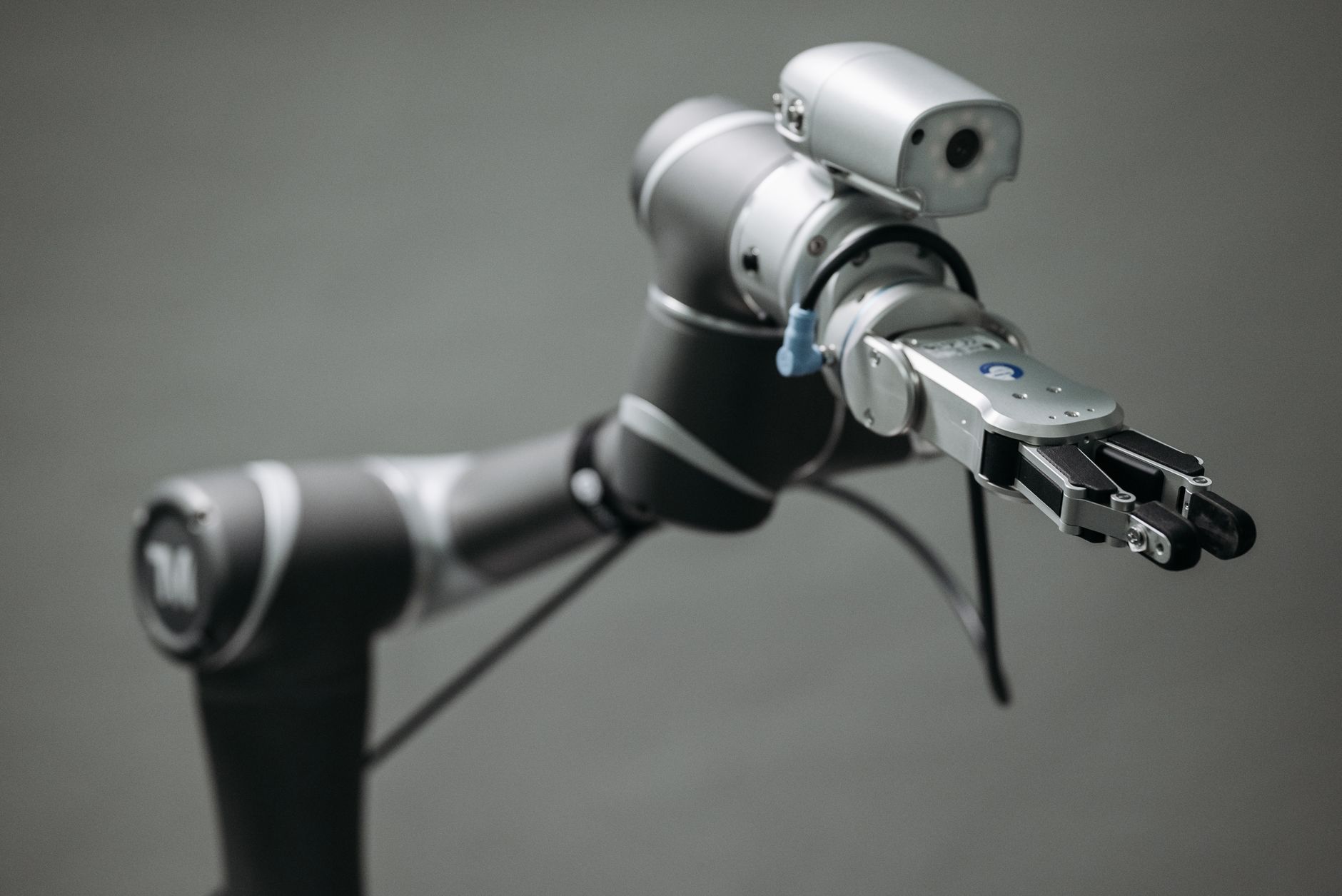
A robot arm or mobile platform is only one component. The end-effector—the attached gripper, welding tool, or other device—determines how the machine interacts with its work. Controllers, software, sensors, power supplies, and communications links coordinate the action.
OSHA's technical manual treats all these elements as one industrial robot system and calls for comprehensive hazard analysis and application-specific risk assessment. This systems view matters when comparing products. A capable machine may still be a poor fit if its tooling, software integration, workspace controls, or maintenance requirements do not match the application.
Where robots operate at scale
Factories remain the largest robot segment. The International Federation of robotics reported 542,000 industrial installations in 2024, the fourth consecutive year above 500,000. Asia received 74% of those deployments. Professional service robots are growing around goods movement. Sales approached 200,000 units in 2024, while transportation and logistics accounted for 102,900 units.
The IFR's 2025 report recorded respective growth rates of 9% and 14%. Amazon illustrates the scale possible inside a controlled logistics network. It said its one-millionth robot entered service in June 2025 across more than 300 facilities. Its DeepFleet coordination model is projected to improve robot travel efficiency by 10%, according to Amazon's deployment announcement. That remains an expected efficiency gain, not a confirmed reduction in total fulfillment time or cost.
Medical robots assist rather than replace clinicians
Medical-robot sales rose 91% to about 16,700 units in 2024, according to the IFR. Rehabilitation and non-invasive therapy grew 106%, surgical-robot demand increased 41%, and diagnostic or laboratory-analysis sales rose 610%. Those growth rates come from different market sizes, so they do not reveal which category has the largest installed base.
They show where adoption accelerated, not whether every hospital or laboratory can justify a system. Intuitive reported more than 3.2 million procedures on its da Vinci and Ion systems during 2025 and over 12,100 installed systems at year-end. These are mature clinical tools, but they remain clinician-operated systems rather than independent medical decision-makers.
Autonomy and humanoids have narrower evidence
Waymo reported more than 250,000 paid autonomous trips per week in Phoenix, San Francisco, Los Angeles, and Austin in May 2025. That is meaningful commercial operation, but it does not make robotaxis universally available. Service still depends on a particular operator and city, with additional launches planned for 2026. Humanoid evidence is earlier-stage.
Figure said its Figure 02 helped assemble 30,000 BMW vehicles in 2025. It described the later Figure 03 deployment at BMW as its first demonstration of a logistics workflow. These examples prove that humanoids can contribute inside production environments. They do not yet demonstrate broad, repeatable deployment across factories, tasks, or operating conditions.
How to evaluate a deployment
Start with the operating problem, then judge the whole system. A useful assessment should answer: ISO 10218-2:2025 covers industrial robot-cell integration from commissioning through decommissioning.
However, the standard's published scope excludes medical, consumer and service robots, mobile platforms, public-access uses, and several hazardous environments. Deployments outside that scope require application-specific standards and safeguards.
- Is the task and operating environment precisely defined?
- Which tool, sensors, software, power, and communications components are required?
- What happens when a person enters the robot's workspace?
- Who handles faults, maintenance, software changes, and emergency recovery?
- Does the evidence show routine operation, or only a pilot or projected improvement?