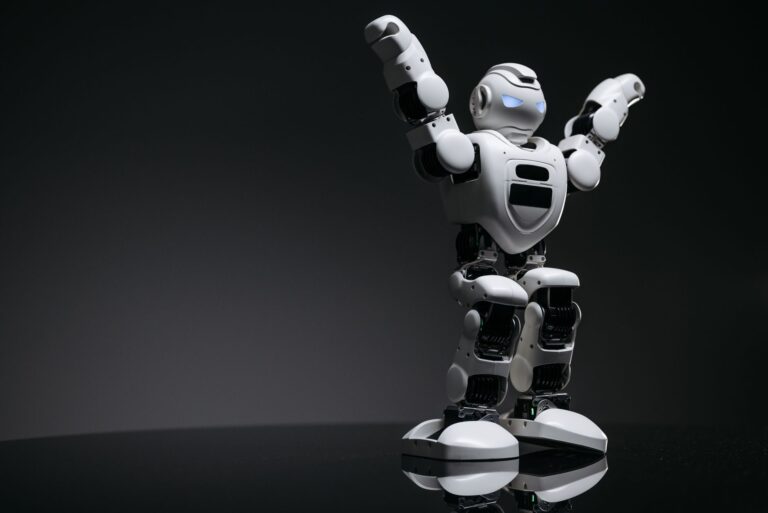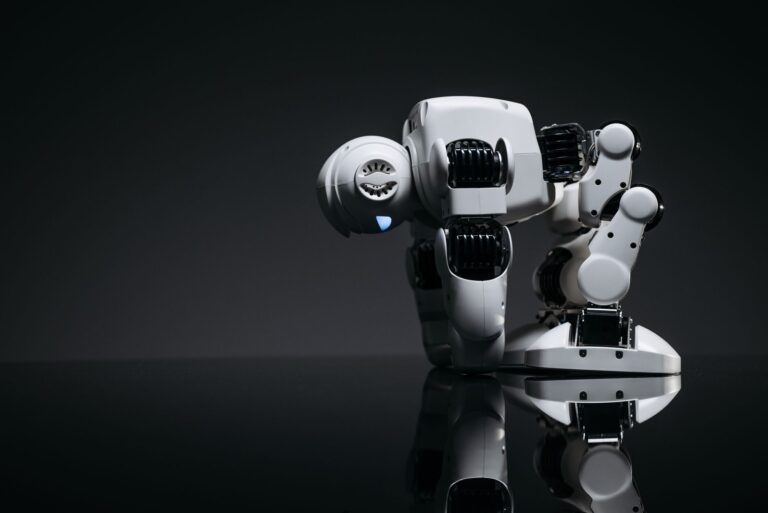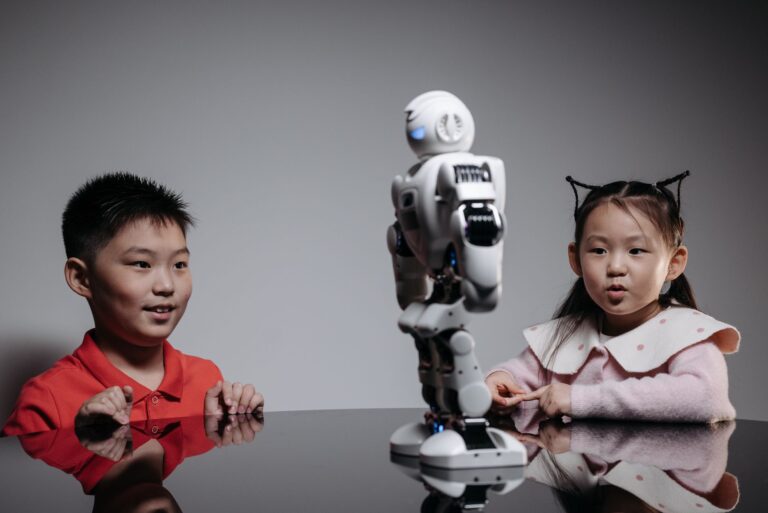

Robotics combines mechanical systems, sensors, controls, and software to perform physical tasks. Robots can move, inspect, handle, assemble, transport, or assist, with use cases ranging from factories to hospitals and farms. A robot is not automatically intelligent or fully autonomous. Its value depends on how well its hardware, programming, work environment, and safety measures fit a specific task.
Table of Contents
- The core components of a robot
- How robots perceive, decide, and act
- What robots do well—and where they struggle
- Common robot types and use cases
- How to decide whether robotics fits a task
The core components of a robot
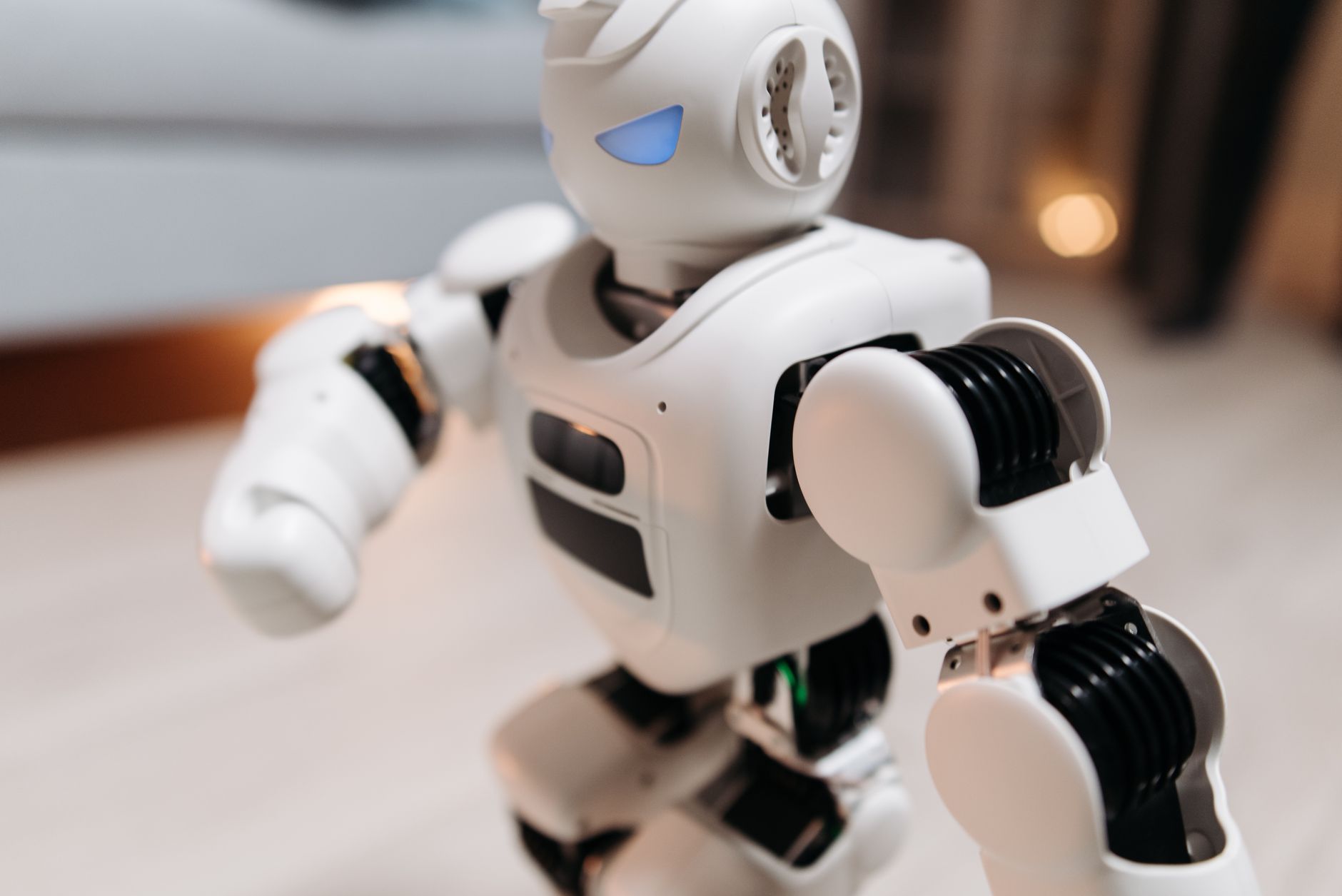
A robot's mechanical structure determines its reach, payload, speed, and movement. Common forms include jointed arms, wheeled platforms, legged machines, drones, and purpose-built mechanisms. Actuators create motion. Electric motors are common, while hydraulic and pneumatic systems suit applications requiring high force or simple repeated movement.
Sensors measure the robot and its surroundings. Encoders track joint positions, cameras capture images, force sensors detect contact, and proximity sensors help locate nearby objects. A controller processes sensor data and sends commands to the actuators. Software supplies motion rules, task logic, interfaces, diagnostics, and, where needed, perception or machine-learning functions.
How robots perceive, decide, and act
Most robot operations follow a repeated cycle: sense conditions, choose an action, execute it, and check the result. A basic machine may follow fixed coordinates, while an adaptive system changes its behavior using sensor feedback.
Robot capability can be divided into three layers: Autonomy exists on a spectrum. Some robots require direct human control, others repeat programmed routines, and more advanced systems navigate or adjust within defined limits. Even autonomous robots need operating boundaries and procedures for unusual conditions.
- Perception identifies positions, objects, defects, people, or environmental conditions.
- Planning selects a route, movement, grip, or sequence of actions.
- Control converts that plan into precise motor commands while monitoring motion and force.
What robots do well—and where they struggle
Robots excel at repetitive, physically demanding, hazardous, or tightly measured work. They can maintain consistent motion, operate in spaces designed for automation, and record process data for quality control. Performance drops when objects vary unpredictably, workspaces change, or tasks require subtle judgment.
A robot that handles identical boxes may struggle with transparent packaging, tangled materials, reflective surfaces, or items placed at unexpected angles. Flexibility also carries costs. Supporting many products may require additional sensors, tooling, training data, fixtures, or changeover procedures. A technically possible task may still be impractical if exceptions occur too often.
Common robot types and use cases
Industrial robot arms weld, paint, assemble, machine, and move materials. Collaborative robots are designed for applications involving closer human interaction, but the complete installation still requires a risk assessment and suitable safeguards. Mobile robots move goods through warehouses, factories, hospitals, and other controlled sites.
Their performance depends on floor conditions, traffic rules, mapping, charging capacity, and reliable handoffs at pickup and delivery points. Other common applications include: Humanoid and legged robots can operate in spaces built for people, including stairs and narrow passages. Their complex movement, energy demands, and cost often make simpler machines preferable when the environment can be adapted.
- Vision-guided systems that inspect parts, labels, food, or packaging
- Agricultural robots that monitor crops, remove weeds, or assist harvesting
- Medical robots that support surgery, rehabilitation, logistics, or laboratory work
- Service robots that clean floors, deliver supplies, or inspect facilities
- Drones and ground vehicles that survey sites or enter hazardous areas
How to decide whether robotics fits a task
Start with the process rather than a robot model. Document the required cycle time, payload, reach, accuracy, operating conditions, product variation, and frequency of exceptions. A promising automation candidate usually has stable inputs, measurable outputs, repeated demand, and a clear way to present and remove materials. Tasks involving frequent improvisation, delicate judgment, or unstructured contact may need human control or a redesigned workflow.
Evaluate the full system, including tooling, guarding, sensors, software integration, training, maintenance, spare parts, and downtime. A fast robot cannot improve throughput if upstream equipment starves it or downstream work creates a bottleneck. Before committing, test representative products and difficult edge cases. Confirm how the system responds to misaligned parts, sensor faults, network loss, power interruption, blocked paths, and emergency stops.