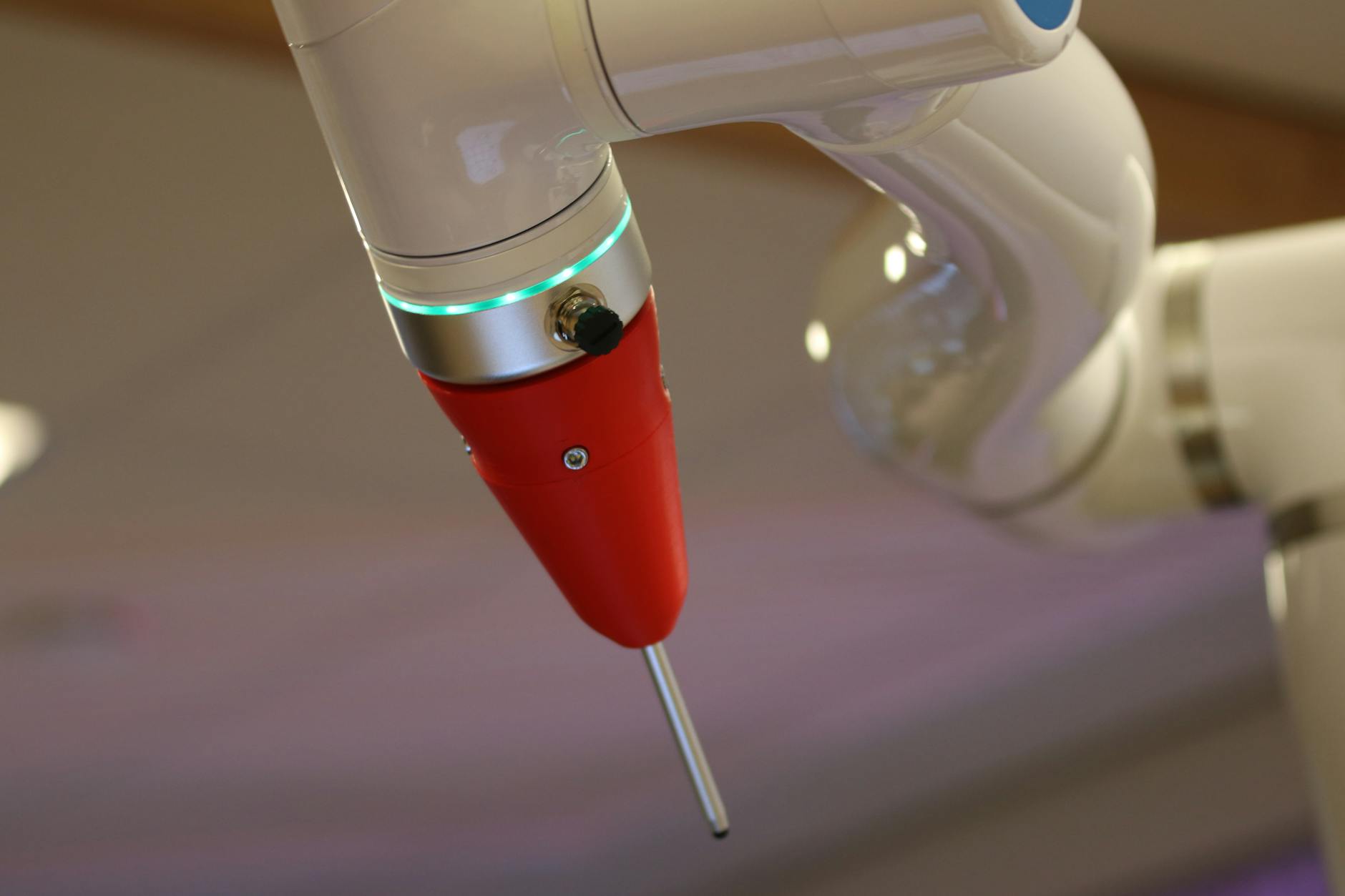

AeroVironment (trading under ticker AVAV) operates as a primary contractor in the robotics and unmanned systems defense sector, developing and manufacturing advanced aerial and ground-based robotic systems for military, government, and commercial clients worldwide. The company has established itself as a critical supplier of unmanned aircraft systems (UAS), tactical robots, and loitering munitions—technologies that have become central to modern defense operations. With contracts spanning multiple U.S. government agencies and allied nations, AVAV functions as one of the few specialized robotics contractors capable of delivering integrated autonomous systems at scale for defense applications.
The company’s prominence in robotics defense stems from decades of development expertise combined with proven integration into active military operations. AVAV’s product portfolio includes the RQ-11 Raven tactical quadcopter, the Wasp hand-launched reconnaissance drone, Switchblade loitering munition systems, and various ground-based robotic platforms. These systems have been deployed in theaters including Iraq, Afghanistan, and Ukraine, where they perform roles ranging from intelligence gathering to tactical engagement, demonstrating both the demand for AVAV’s technology and the strategic importance of robotics in contemporary warfare. However, AVAV’s position as a prime contractor comes with significant operational constraints. The company operates within heavily regulated government procurement frameworks, faces competition from larger defense contractors, and must navigate the ethical and policy complexities surrounding autonomous weapons systems—factors that shape both its growth trajectory and technical direction.
Table of Contents
- What Defines AVAV’s Role as a Robotics Defense Prime Contractor?
- The Technological and Competitive Landscape of Robotics Defense Contracting
- Specific Applications and Field Deployment of AVAV Systems
- Financial Performance and the Economics of Defense Robotics Contracting
- Supply Chain Vulnerabilities and Strategic Risks
- Integration with Broader Military Doctrine and Command Systems
- Future Outlook and Strategic Direction
- Conclusion
- Frequently Asked Questions
What Defines AVAV’s Role as a Robotics Defense Prime Contractor?
avav qualifies as a prime contractor through its direct contractual relationships with the U.S. Department of Defense and allied governments, combined with its responsibility for systems integration, quality assurance, and fielding of complete robotic platforms. Unlike subcontractors who supply components or services to larger firms, AVAV holds primary contracts and maintains accountability for system performance, which requires maintaining security clearances, compliance facilities, and the manufacturing infrastructure to deliver systems on government timelines. This prime contractor status distinguishes AVAV from hundreds of smaller robotics firms that may develop innovative technologies but lack the contracting authority or production capacity to serve as primary government suppliers. The distinction matters operationally and financially.
Prime contractors manage supply chains, bear liability for system failures, and receive higher profit margins than subcontractors—but they also face higher regulatory burdens and scrutiny. AVAV maintains dedicated divisions for defense programs, holds facility security clearances, and employs personnel vetted for classified work. For example, when the U.S. Army wanted to rapidly field upgraded versions of the Raven drone system with enhanced thermal imaging capabilities, AVAV served as the prime contractor responsible for design modifications, manufacturing scale-up, testing, and deployment—not simply supplying parts to another contractor. AVAV’s prime contractor status also reflects the technical specialization required in robotic systems. Unlike software companies or component suppliers, robotics defense contractors must master mechanical engineering, embedded systems, aerodynamics (for aerial systems), ruggedness standards, and the integration of sensors, processors, and communication systems into platforms that function reliably in austere, contested environments.

The Technological and Competitive Landscape of Robotics Defense Contracting
AVAV operates in a competitive environment shaped by both large defense conglomerates and specialized competitors. Companies like Teledyne Technologies, RTX (formerly Raytheon Technologies), General Atomics, and others have significant unmanned systems programs, but AVAV has carved out a dominant position in the tactical UAS segment—smaller, portable drones designed for forward-deployed units rather than strategic aircraft. This specialization has allowed AVAV to develop deep expertise and maintain profit margins despite competition, though it also concentrates risk in a narrower market segment. A significant limitation facing AVAV and similar robotics contractors involves the long development and approval cycles inherent to defense procurement. New systems typically require 3-7 years from concept to fielding, with extensive testing, environmental qualification, and government evaluation.
The Switchblade loitering munition, for instance, underwent years of development before fielding. This timeline lag means AVAV must accurately forecast future requirements years in advance and maintain R&D investment even when existing products dominate their market—a burden that smaller robotics startups don’t face because they can pivot quickly to commercial applications. Additionally, the regulatory environment surrounding autonomous weapons systems presents an emerging constraint. International pressure to restrict or regulate autonomous decision-making in military systems could limit the development scope for some AVAV systems. While current AVAV platforms retain human operators making targeting decisions (they are not fully autonomous weapons), the industry’s long-term direction toward greater autonomy faces potential policy restrictions that could reshape procurement priorities.
Specific Applications and Field Deployment of AVAV Systems
AVAV’s robotics have seen extensive deployment across multiple military and government agencies, each application showcasing different capabilities and constraints. The RQ-11 Raven, AVAV’s flagship tactical reconnaissance drone, has been deployed by U.S. Armed Forces, allied militaries, and special operations units for over two decades. The system’s 1.2-pound weight and hand-launch capability make it deployable by individual infantry squads, providing immediate reconnaissance without requiring prepared landing sites or logistics chains. In Middle Eastern operations, Raven operators could scout compounds, identify threats, and relay real-time video to commanding officers, reducing casualties from surprise attacks. The Switchblade family of loitering munitions represents a more recent and strategically significant application.
Unlike reconnaissance-only drones, Switchblade systems combine reconnaissance with strike capability—they can loiter over an area and execute targeted engagements. When Ukraine received U.S. shipments of Switchblade systems in 2022, they became critical tools for degrading Russian armor formations and command elements. This application demonstrated both the effectiveness of AVAV technology and the company’s ability to scale production to meet urgent wartime demands. However, it also illustrated a limitation: loitering munition systems are expensive (estimates suggest $5,000-$15,000 per unit for Switchblade variants), meaning they’re reserved for high-value targets rather than serving as general-purpose weapons. AVAV’s ground-based robotics, including their tactical robot systems, have served in explosive ordnance disposal and force protection roles at military bases and in conflict zones. These systems allow operators to remotely inspect suspicious packages or devices, reducing exposure to blast hazards.
Financial Performance and the Economics of Defense Robotics Contracting
AVAV’s revenue has grown substantially as defense spending on unmanned systems increased, but the company’s profit margins reflect the competitive and regulatory pressures of government contracting. The company reported annual revenues exceeding $600 million in recent years, with a significant proportion derived from defense contracts. However, government contracts typically carry lower margins (10-15%) than commercial products, and AVAV must maintain idle capacity to surge production during military operations—a cost burden that reduces overall profitability compared to commercial robotics firms. The capital requirements for AVAV differ markedly from commercial robotics companies.
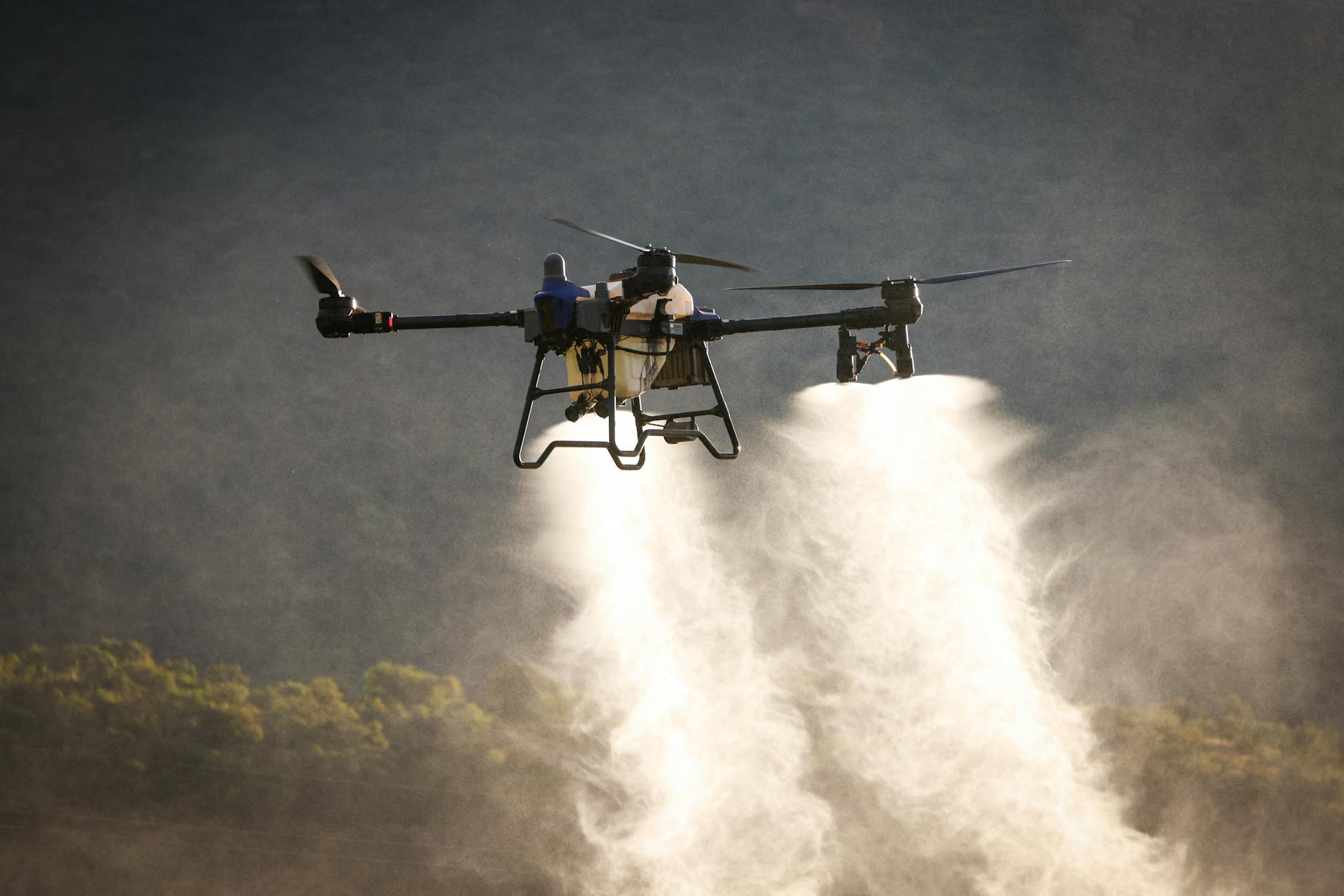
Maintaining secure manufacturing facilities, testing ranges, and compliance documentation requires sustained investment regardless of current contract volume. When defense budgets tighten or procurement priorities shift, AVAV cannot simply reduce overhead without losing contractor certifications and facility clearances. This dynamic creates a structural profitability ceiling—the company cannot achieve the return-on-investment multiples of software companies because it bears ongoing infrastructure costs specific to defense contracting. AVAV has pursued diversification into commercial applications, including agricultural drones and infrastructure inspection systems, as a hedge against defense budget volatility. However, commercial markets require different business models and face competition from numerous low-cost competitors, making commercial diversification challenging for a company whose core competency and established relationships lie in defense systems.
Supply Chain Vulnerabilities and Strategic Risks
A critical challenge facing AVAV involves supply chain concentration and dependencies on specialized components. Small unmanned systems require lightweight motors, high-energy-density batteries, and precision sensors—components with limited suppliers, often located overseas. During the shortage periods for semiconductors (2020-2023), AVAV faced delays in producing tactical drones because microcontroller production couldn’t keep pace with demand. Unlike larger conglomerates that can vertically integrate to mitigate supply chain risk, AVAV must manage dependencies on external suppliers, creating potential disruptions to delivery schedules and profit margins. A second vulnerability involves geopolitical constraints on key technologies.
Some AVAV systems use advanced imaging sensors that fall under export controls, meaning the company cannot freely sell to international customers or integrate with allied systems without government approval. This limitation restricts market growth and forces AVAV to maintain separate product lines for domestic and export customers—adding complexity and cost. A third risk involves technological obsolescence and the rapid pace of innovation in unmanned systems. Competitors and near-peer adversaries continuously develop countermeasures against existing AVAV systems. Electronic warfare capabilities can jam communications, GPS spoofing can mislead autonomous navigation, and directed energy weapons represent emerging threats to small drones. AVAV must continuously innovate to maintain advantage, requiring sustained R&D investment—a costly obligation for a contractor whose existing platforms already dominate their market segment.
Integration with Broader Military Doctrine and Command Systems
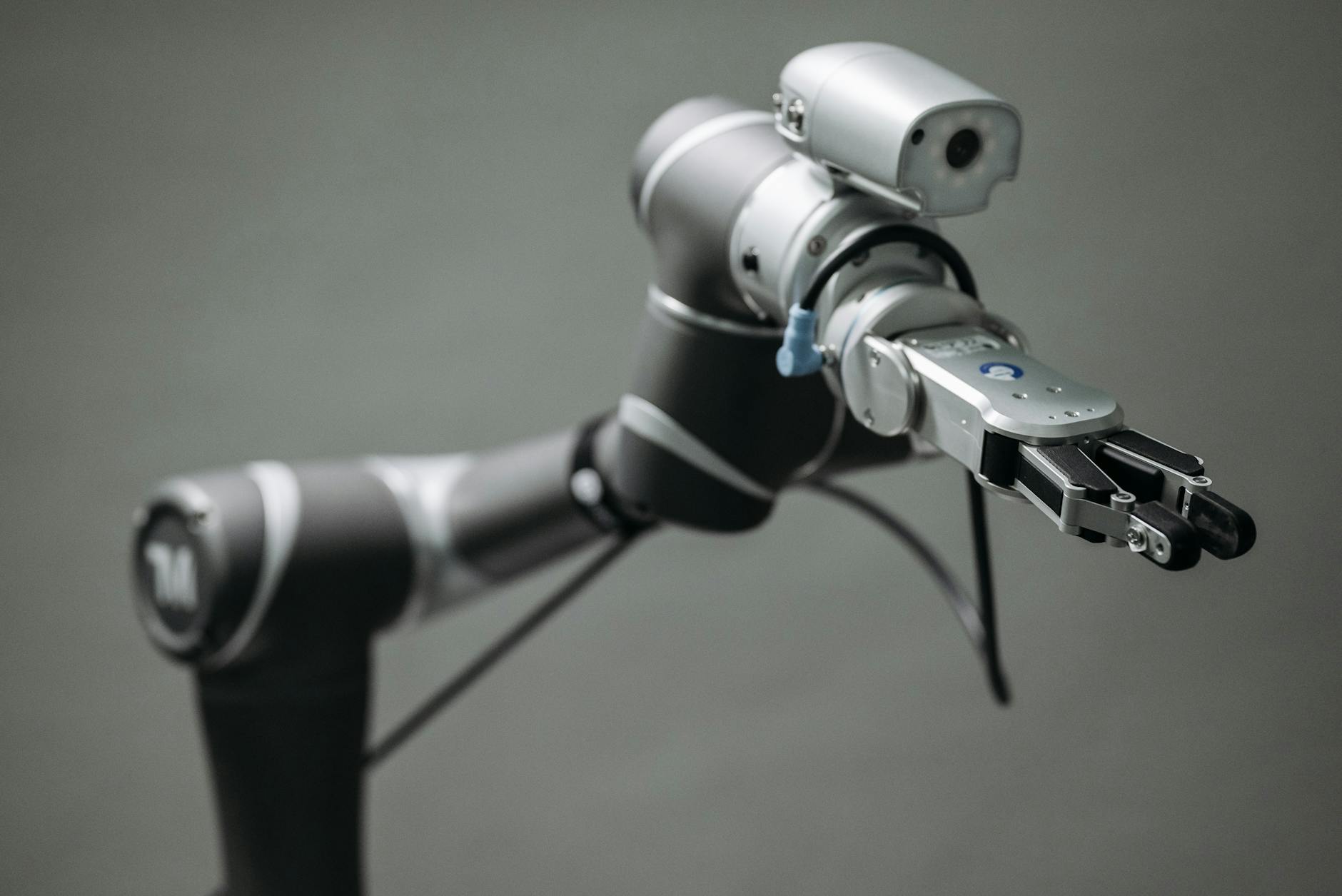
AVAV’s robotics function not as standalone weapons but as integrated components within broader military command-and-control ecosystems. A Raven operator doesn’t simply fly a drone—they transmit video, reconnaissance data, and targeting information to command centers using military communications networks, where human decision-makers coordinate responses. This integration requirement means AVAV must continuously update systems to maintain compatibility with evolving military networks, encryption standards, and data protocols.
For example, when the U.S. military modernized command networks to accommodate real-time data sharing between ground units and air support, AVAV had to modify Raven system communications to interface with new networks. This ongoing integration burden ensures AVAV remains relevant but also means the company cannot afford to simply manufacture and deliver systems—they must maintain long-term technical support and evolution relationships with military customers.
Future Outlook and Strategic Direction
AVAV’s future position as a robotics defense prime contractor hinges on its ability to navigate several emerging transitions. The shift toward contested environments where adversaries possess air defense capabilities means smaller drones like the Raven may become more vulnerable. AVAV is investing in swarm capabilities—coordinating multiple small drones to overwhelm defenses—and autonomous decision-making to reduce communication latency in denied environments. However, these capabilities generate policy and ethical questions that could constrain procurement.
Additionally, as peer competitors like China and Russia develop their own advanced robotic systems, AVAV must maintain technological advantages through continuous innovation. The company’s long-term growth likely depends on expanding international sales within allied nations and developing next-generation systems that address emerging threats in contested, denied, and degraded communications environments. AVAV’s established relationships with U.S. government agencies position it favorably, but the competitive intensity in robotics defense will only increase.
Conclusion
AVAV operates as one of the few specialized prime contractors capable of designing, manufacturing, and fielding advanced robotic systems at scale for defense applications. Its dominance in tactical unmanned aircraft systems, combined with proven integration into military operations worldwide, reflects both technical capability and strategic importance.
The company’s position carries significant advantages—established customer relationships, proven technology platforms, and sustained government demand for unmanned systems—but also faces structural constraints including long procurement cycles, supply chain dependencies, and the emerging regulatory landscape surrounding autonomous weapons. For stakeholders tracking the robotics defense sector, AVAV’s trajectory reflects broader industry dynamics: the consolidation of prime contractor status among specialized firms, the transition toward autonomous and swarming capabilities, and the increasing importance of seamless integration with military command systems. The company’s ability to maintain innovation while managing cost pressures and geopolitical constraints will determine whether it remains the dominant robotics defense contractor or faces competition from larger integrators entering the market.
Frequently Asked Questions
What is the difference between AVAV and larger defense contractors like Lockheed Martin or RTX?
AVAV specializes exclusively in small unmanned systems and tactical robotics, while larger contractors serve as general integrators across multiple defense domains. AVAV’s narrower focus allows deeper expertise in its segment but concentrates revenue risk in a smaller market than conglomerates serving aerospace, missiles, and systems integration across multiple sectors.
How does AVAV maintain supply chain security for defense products?
AVAV operates secure manufacturing facilities with government facility security clearances, implements strict supplier vetting, and maintains domestic sourcing for sensitive components where possible. However, some specialized components have limited suppliers, creating supply chain vulnerability despite these measures.
Are AVAV’s systems fully autonomous or do humans control them?
Current AVAV systems retain human operators making targeting and engagement decisions. Systems like Raven are entirely human-piloted, while Switchblade allows operators to loiter and select engagement timing, but humans make the final decision. However, future systems may incorporate greater autonomy.
What percentage of AVAV’s revenue comes from defense contracts?
The majority of AVAV’s revenue historically came from defense and government contracts, though the company has pursued commercial diversification into agricultural and infrastructure applications. Defense contracts remain the primary revenue driver.
Why are loitering munitions like Switchblade so expensive?
Loitering munitions combine reconnaissance systems, flight control, propulsion, and warhead components in a small package, requiring precision engineering and advanced materials. Production volumes remain relatively low compared to conventional munitions, preventing cost reduction through mass manufacturing.
Could AVAV’s systems be disrupted by new technologies?
Yes—electronic warfare, GPS spoofing, directed energy weapons, and improved air defenses all represent potential threats to existing AVAV systems. The company must continuously innovate to maintain effectiveness against evolving countermeasures.