
Selecting the right vacuum for your floors depends on matching suction technology and brush design to specific floor surfaces. Hardwood requires low-agitation soft bristles to avoid scratches, carpet demands rotating brushes or beater bars for deep fiber penetration, and tile benefits from hard-surface attachments and strong suction to capture ground-in debris. A single vacuum that excels equally at all three surfaces remains rare; most high-performing models require users to switch between settings or swap attachment types, which is why understanding how each floor type responds to different vacuum mechanisms is essential before purchasing.
The robotics and automation sector has increasingly focused on intelligent floor detection—cameras and sensors that identify surface type and automatically adjust brush height, rotation speed, and suction power in real time. This innovation attempts to solve the multi-floor problem without manual intervention, though mechanical limitations still favor purpose-built designs over universal solutions. A family with 60 percent carpet and 40 percent hardwood faces a different trade-off calculation than one with equal distribution across carpet, hardwood, and tile in an open-concept kitchen.
Table of Contents
- What Performance Characteristics Matter Across Different Floor Surfaces?
- Why Suction Power Alone Does Not Guarantee Results on All Floors
- Brush Roll Design and Adjustability as the Primary Differentiator
- Selecting Attachments and Accessories for Multi-Surface Performance
- Hidden Limitations: Maintenance Demands and Motor Durability
- Robotic Vacuums and Automated Floor Detection
- Practical Testing and Floor-Specific Performance Validation
- Frequently Asked Questions
What Performance Characteristics Matter Across Different Floor Surfaces?
Hardwood floors resist deep cleaning but are prone to gouging if a rotating brush is too aggressive. The ideal hardwood vacuum uses soft or horsehair bristles that contact the floor at an angle rather than digging perpendicular into the surface. Brush roll speed should be adjustable or disengageable entirely; many premium models offer a “hard floor” mode that lifts the brush completely, leaving only suction active. In contrast, carpet—especially low-pile commercial carpet and thick residential plush—requires agitation to dislodge pet hair, dust, and allergens trapped deep in fibers.
A stationary brush or suction-only design leaves carpet visibly dirty even after multiple passes. Tile presents a third set of demands. Hard-surfaced tile has no fibers to protect but can trap fine dust and grout debris in uneven grout lines. Hard-floor-optimized vacuums with edge-clearing bristles or specialized grout-cleaning attachments outperform carpet-focused machines on tile. One practical scenario: an owner of a 1,200-square-foot home with 400 square feet of tile kitchen, 600 square feet of hardwood hallways and bedrooms, and 200 square feet of area rugs must decide whether a single upright with multiple settings or two complementary machines better matches their cleaning needs and storage space.
Why Suction Power Alone Does Not Guarantee Results on All Floors
A powerful motor creates high airflow, but airflow effectiveness depends on surface configuration. Carpet acts as a barrier between floor and suction—fibers compress under the vacuum head, reducing direct suction contact. Tile and hardwood allow unobstructed suction pull directly onto the surface, meaning they require less raw suction power to move debris. A vacuum rated at 100 air watts may perform adequately on hardwood and tile but underperform on thick carpet because the brush mechanism, not suction alone, lifts hair and embedded dust.
Conversely, a weaker machine with an aggressive rotating brush can clean carpet effectively even though its motor would be inadequate for tile. One limitation often overlooked: vacuums optimized for maximum suction can create noise levels exceeding 75 decibels, which many households find disruptive during daytime cleaning. Hard-floor-focused designs often maintain lower noise profiles because they rely on brush and suction balance rather than motor-only power. This trade-off—silence versus deep carpet cleaning—often determines which model a family selects, independent of floor composition. Wet or damp conditions on tile require machines with moisture-resistant motors and sealed electronics; standard upright vacuums used on wet tile risk electrical damage and motor failure.
Brush Roll Design and Adjustability as the Primary Differentiator
Modern vacuums use three primary brush configurations: traditional single rotating brush roll, dual counter-rotating brushes, and no brush roll (suction only). Single brush rolls are most common and least expensive but offer limited floor-type flexibility unless the roll itself is disengageable. Dual counter-rotating brushes, found in some mid-to-premium models, reduce tangles from long hair and pet fur while maintaining agitation on carpet; however, they increase maintenance complexity. Suction-only designs perform well on hardwood and tile but nearly always disappoint on carpet, making them suitable only for hard-floor-dominant households.
Brush height adjustability is critical for multi-surface cleaning. A brush positioned 1 millimeter too low scratches hardwood; positioned 5 millimeters too high on carpet loses agitation. Automatic height adjustment, increasingly common in robotic vacuums and some upright models, uses sensors or mechanical compliance to detect floor thickness and adjust the brush gap accordingly. Manual adjustment via a dial or lever is simpler mechanically but requires user intervention. A family with both hardwood and carpet should prioritize models offering clear adjustment mechanisms with physical stops or digital confirmation that height has been properly set.
Selecting Attachments and Accessories for Multi-Surface Performance
Even capable base units require complementary tools to excel across all surfaces. Hardwood cleaning benefits from crevice tools with soft bristles, not plastic nozzles. Carpet stair cleaning demands powered hand tools that deliver the same brush action as upright carpet cleaning. Tile floor management—especially grouted tile—improves dramatically with motorized edge attachments designed to scrub grout lines; standard suction nozzles cannot extract debris from 3-millimeter gaps.
A vacuum priced at $400 with three incompatible attachments often underperforms compared to a $600 model bundled with purpose-designed floor-specific tools. The trade-off between base machine cost and attachment investment affects long-term value. A mid-range upright with a high-quality hard-floor attachment kit may outclean a premium upright lacking appropriate tools. Similarly, cordless models sacrifice runtime—typically 20 to 60 minutes per charge—compared to corded machines, a limitation particularly frustrating when switching between floor types requires multiple tool changes within a single cleaning session. Households exceeding 2,000 square feet should calculate total cleaning time against battery capacity before committing to cordless options.
Hidden Limitations: Maintenance Demands and Motor Durability
Rotating brush rolls collect pet hair, carpet fibers, and string at a faster rate on carpet than on hard floors, creating weekly maintenance demands. Hardwood-only machines require less frequent brush cleaning, while multi-surface models used on carpet accumulate wrapped debris every 7 to 10 days. Failure to clear this debris reduces brush effectiveness and can cause motor overload or burning plastic smells. Bagless designs offer convenience but their dust canisters scatter fine particles during emptying; families with asthma or allergies should recognize this downside. Bagged vacuums eliminate this exposure but increase per-use cost and require stock of compatible bags.
Motor lifespan degrades faster in machines pushed to maximum suction settings continuously. Models designed for either carpet or hard floors (not both) often operate at their design-intended intensity, supporting 5 to 8 years of reliable use. Multi-surface machines run at varying suction and brush settings, sometimes asking the motor to shift dramatically between cleaning carpet and tile within minutes. This thermal cycling can reduce motor lifespan to 3 to 5 years even with proper maintenance. A household should expect higher replacement frequency from flexible multi-surface vacuums or accept that specialization—one carpet vacuum and one hard-floor vacuum—may provide better longevity.
Robotic Vacuums and Automated Floor Detection
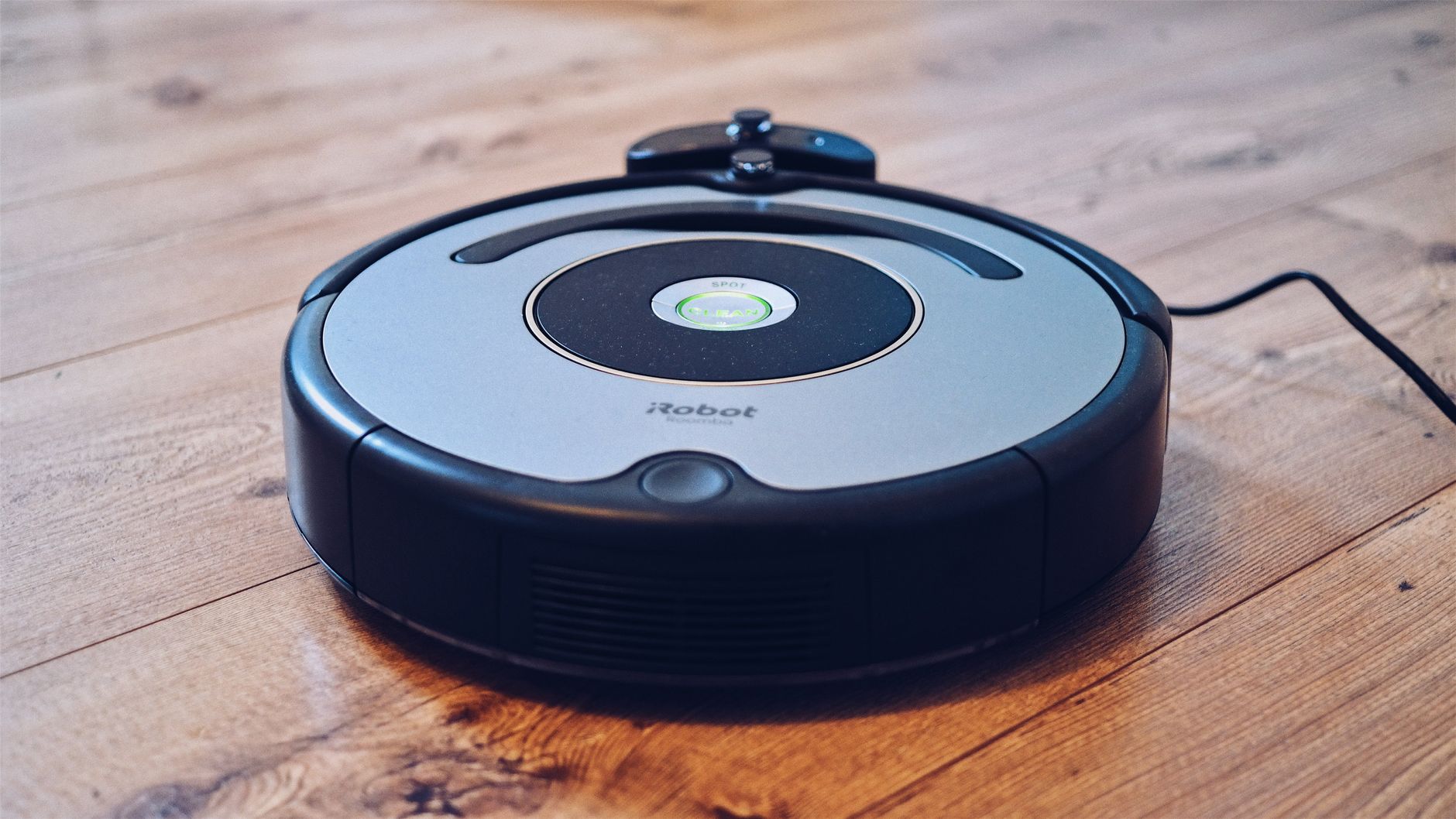
Autonomous vacuums have become increasingly capable at detecting floor transitions and adjusting behavior accordingly. Laser or camera-based sensors identify carpet versus hard flooring and adjust brush engagement and suction accordingly. However, robotic vacuums universally underperform human-operated machines on stairs and in narrow spaces under furniture. They also struggle with grout-line cleaning on tile, as their flat profile and small brush width cannot replicate the targeted scrubbing action of upright or handheld tools.
A robotic vacuum works best as a supplementary daily or every-other-day light cleaner, not as the sole cleaning tool in multi-surface homes. Battery limitations compound multi-surface challenges. A robot that cleans 500 square feet of carpet using 70 percent battery charge may complete 2,000 square feet of hard floors on the same charge, forcing automatic dock returns during mixed-surface cleaning. This unpredictability makes robotic systems less practical for households prioritizing thoroughness over convenience.
Practical Testing and Floor-Specific Performance Validation
Before committing to a specific model, cleaning performance should be evaluated on your actual surfaces under real conditions. A vacuum that performs admirably on showroom tile with fresh, uniform grout may fail catastrophically on grouted shower tile with texture or varied grout depths. Carpet thickness variation—comparing low-pile commercial office carpet to thick residential wool or synthetic plush—dramatically affects which brush designs succeed or fail. Many retailers allow in-home trials of 30 to 60 days for major purchases; this period should be used to verify multi-surface performance rather than relying on online reviews written by single-surface users.
Documentation matters. Vacuums lacking detailed specification sheets for brush roll speed (measured in rotations per minute), suction power (measured in air watts or CFM), and brush height adjustment range force you to guess whether a model suits your floors. Models explicitly rated for carpet, hardwood, and tile by manufacturers typically indicate engineered multi-surface capability rather than marketing convenience. Reading user reviews filtered by floor type—searching specifically for “carpet,” “hardwood,” or “tile”—often reveals whether a vacuum’s strengths align with your household’s actual needs.
Frequently Asked Questions
Can a single upright vacuum truly clean hardwood, carpet, and tile equally well?
Most do not. Models optimized for multi-surface use sacrifice peak performance on each individual surface. Machines with adjustable brush heights and disengageable brush rolls come closest, but even these require user adjustment between surfaces and tend to underperform on carpet compared to dedicated carpet vacuums or on grout lines compared to tile-specific tools.
Why do some vacuums scratch hardwood floors?
Aggressive rotating brush rolls or brush bristles set too low contact hardwood directly, leaving marks or gouges. This risk increases with higher brush speeds and lower brush heights. Models featuring soft bristles, disengageable brush rolls, or automatic height adjustment reduce scratching risk significantly.
What suction measurement matters most for hard floors?
Airflow (measured in CFM, cubic feet per minute) matters more than raw motor power on hard floors because there are no fibers to agitate. A hard-floor vacuum with 80 CFM often outperforms a carpet-focused machine rated 150 watts because effective suction on hard surfaces translates to particle lift without brush interference. Air watts (a combined measure) can be misleading across surface types.
Is a cordless vacuum practical for multi-surface cleaning?
Cordless machines introduce runtime constraints. Most offer 20 to 60 minutes per charge, which may be insufficient for a full house with multiple surface transitions and tool changes. Switching from carpet to hard floors to tile, combined with intermittent attachment use, consumes battery faster than continuous cleaning of a single surface, making cordless less practical for multi-surface homes exceeding 1,500 square feet.
Do expensive vacuum models automatically outclean budget models?
Not across all surfaces. Budget hard-floor vacuums sometimes outperform premium carpet-focused machines on tile. Price correlates with motor durability, noise reduction, and feature breadth (adjustability, attachments) rather than universal cleaning superiority. Matching specific machine strengths to your floor distribution matters far more than choosing the highest-priced option.
How often should brush rolls be cleaned on multi-surface machines?
Machines used frequently on carpet require weekly brush inspection and cleaning of wrapped hair and fibers. Hard-floor use demands cleaning every two to four weeks. Multi-surface machines should be inspected after every carpet cleaning session to prevent motor overload and maintain consistent performance.