
Hyundai’s commitment to robotics reflects a broader industry shift in how automotive manufacturers approach transportation’s future. Rather than building only vehicles, automakers increasingly recognize that robotics and automation technologies will reshape not just how cars are made, but how goods move and services operate. Hyundai’s robotics efforts span manufacturing automation, delivery systems, and autonomous platform development—areas where mechanical precision and artificial intelligence converge to solve real logistical problems.
The company’s robotics investments aren’t isolated experiments; they’re part of integrated transportation strategies. When Hyundai develops humanoid robots or logistics automation, these investments feed back into core manufacturing processes, supply chain efficiency, and eventually consumer-facing services. This interconnection between robotics development and transportation innovation creates competitive advantages that extend far beyond the factory floor.
Table of Contents
- Why Automotive Manufacturers Are Betting on Robotics and Autonomous Systems
- Manufacturing Automation and Supply Chain Robotics in Transportation
- Robotics in Autonomous Vehicle Development and Testing
- Humanoid and Service Robots for Transportation and Logistics Infrastructure
- Workforce Transition and Economic Implications of Robotics Integration
- Integration Challenges Between Robotics Systems and Existing Transportation Infrastructure
- Strategic Implications for the Broader Transportation Industry
- Frequently Asked Questions
Why Automotive Manufacturers Are Betting on Robotics and Autonomous Systems
robotics addresses critical inefficiencies in both vehicle production and last-mile logistics. Manufacturing robots handle repetitive welding, assembly, and component placement with consistent precision that reduces defects and accelerates production cycles. For transportation specifically, robotics enables autonomous vehicle platforms—the underlying systems that allow vehicles to perceive, decide, and navigate without constant human input. Companies investing in robotics today are essentially building the foundational technology that autonomous transportation will require tomorrow. The comparison between traditional assembly lines and fully robotic production reveals the scope of change.
A human worker on a traditional line performs specific tasks in a fixed sequence, limited by fatigue and attention span. A coordinated robotic system can work continuously, adapt to design variations, and integrate real-time quality feedback. This efficiency translates into faster production cycles and lower per-unit manufacturing costs—economic forces that make robotics adoption nearly inevitable for competitors. However, high upfront capital costs create barriers. Installing sophisticated robotic systems requires substantial engineering investment, facility redesign, and workforce transition planning. Companies must also maintain multiple production technologies simultaneously during transition periods, which temporarily increases costs before efficiency gains materialize.
Manufacturing Automation and Supply Chain Robotics in Transportation
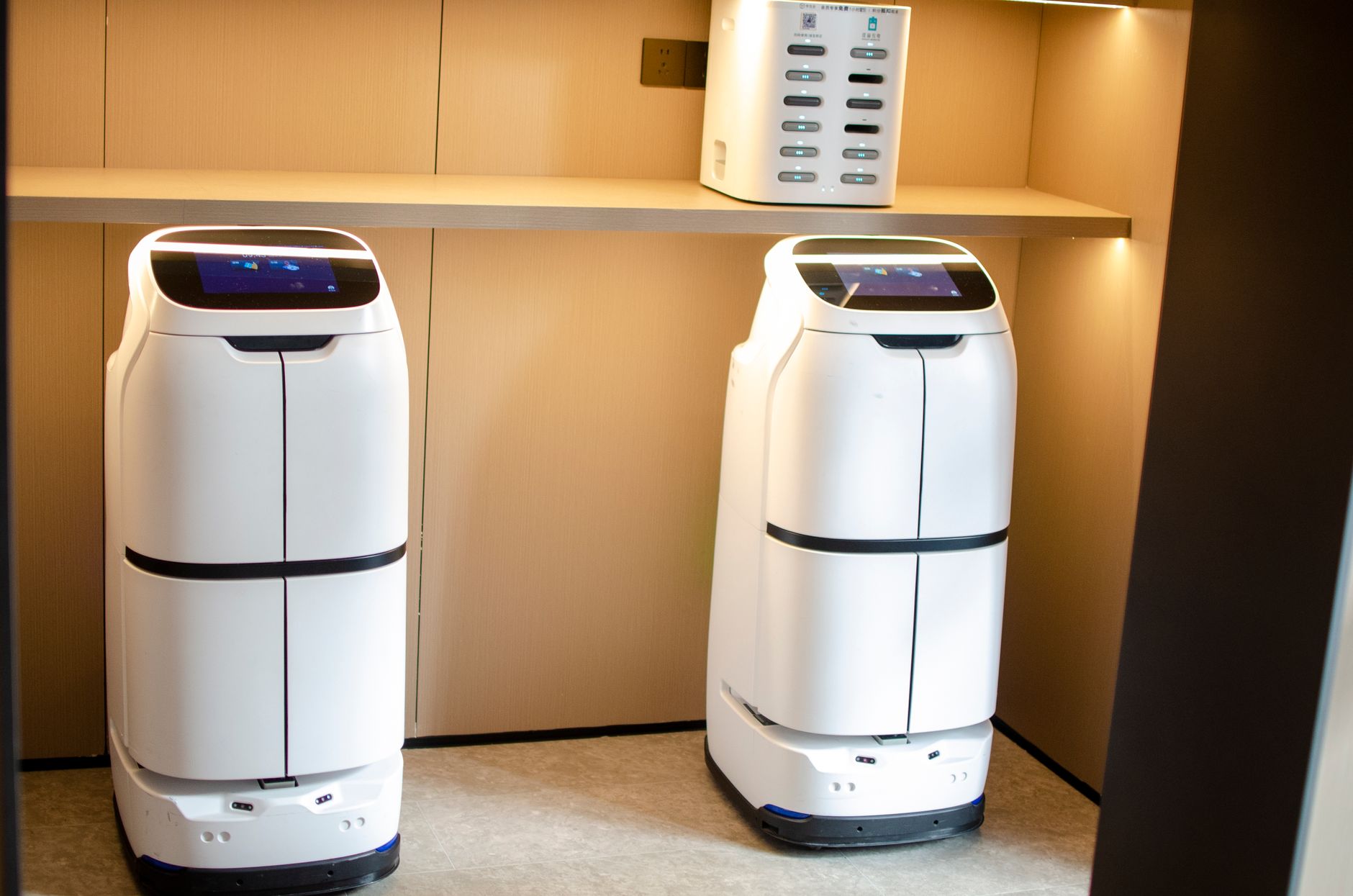
In manufacturing, robotics handles tasks that are genuinely hazardous or require inhuman precision. Welding operations expose workers to heat and fumes; robotic systems eliminate this occupational health risk while producing welds with micron-level consistency. Battery assembly for electric vehicles—increasingly important as Hyundai and competitors shift to EV platforms—requires sealed, controlled environments where robots outperform humans on contamination prevention and speed. Supply chain robotics operates in a different domain: moving goods through warehouses, sorting components, and managing inventory. autonomous mobile robots (AMRs) navigate warehouses without fixed tracks, adapting to changing layouts and handling variable load sizes.
For transportation companies, this means faster fulfillment, fewer lost components, and reduced labor costs for physically demanding repetitive work. A significant limitation is adaptability. Current manufacturing robots excel at highly standardized tasks but struggle when product designs change frequently or production volumes fluctuate unpredictably. Retraining a robotic line—or more accurately, reprogramming and physically reconfiguring it—takes weeks to months. This inflexibility makes robotics most cost-effective for high-volume, stable production runs rather than customized or low-volume work.
Robotics in Autonomous Vehicle Development and Testing
Autonomous driving systems depend on robotic perception and decision-making infrastructure. LIDAR sensors, radar arrays, and camera systems function as mechanical sensory organs, continuously scanning the environment. The processing pipeline that converts raw sensor data into navigation commands is equally “robotic” in nature—algorithmic, rule-based, and increasingly learning-based through machine learning systems trained on millions of miles of driving data. Testing autonomous systems requires robotics-driven environments.
Closed-course testing facilities use robotic traffic systems, dummy obstacles, and automated measurement equipment to verify vehicle behavior under controlled conditions. Real-world testing requires vehicle fleets equipped with extensive sensor suites and safety systems—essentially mobile robot platforms that must handle unpredictable human behavior, weather variations, and infrastructure inconsistencies. A critical warning: autonomous vehicle development timelines consistently exceed initial projections. Technical challenges around edge cases—unusual traffic situations, severe weather, infrastructure ambiguities—prove far harder to solve than early simulations suggested. Full autonomy remains a moving target, and companies investing heavily in autonomous platforms must account for extended development cycles and regulatory uncertainty that slows commercialization.
Humanoid and Service Robots for Transportation and Logistics Infrastructure
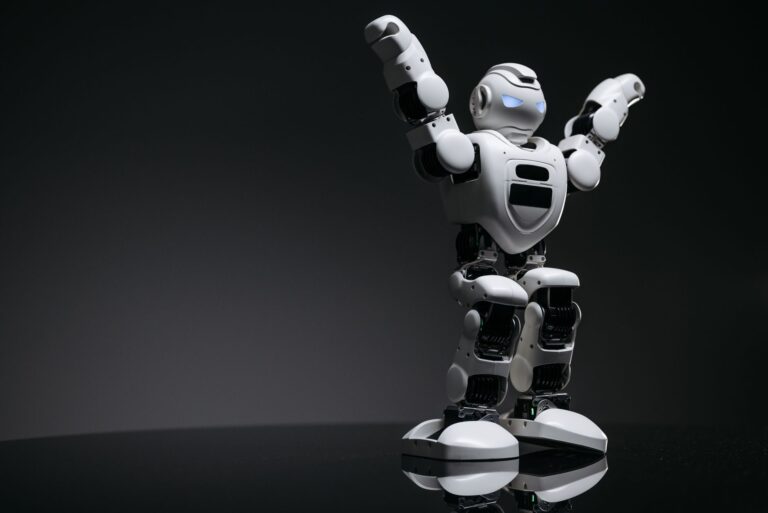
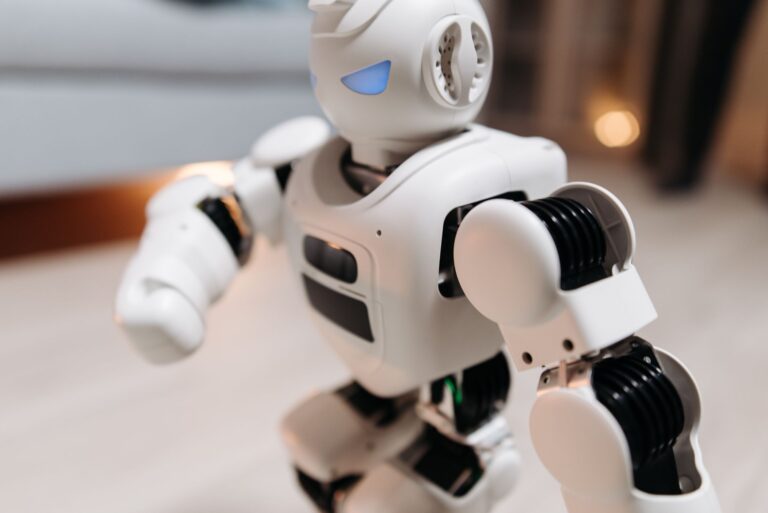
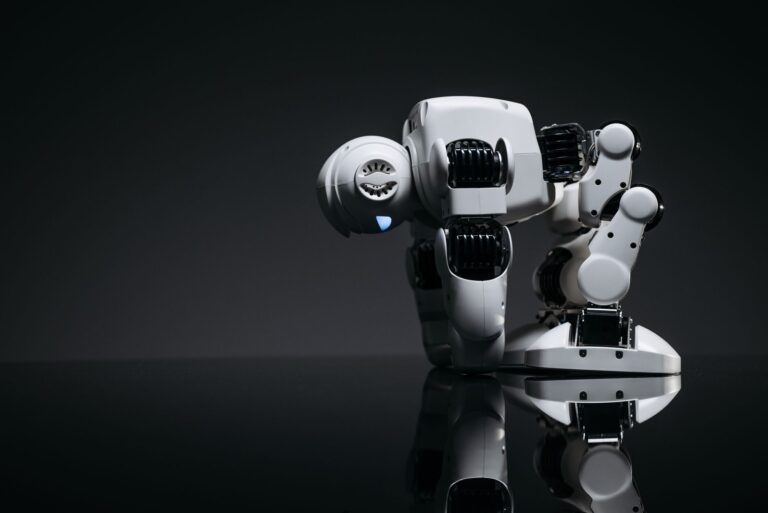
Beyond manufacturing and autonomous vehicles, humanoid robots represent a speculative but strategically interesting frontier. These systems aim to handle unstructured environments—loading packages, navigating around obstacles, responding to unexpected situations. For transportation companies, service robots could address chronic labor shortages in warehouse operations, delivery centers, and vehicle maintenance facilities. The comparison between purpose-built robotic systems and general-purpose humanoid robots reveals different economic tradeoffs. A specialized robot designed solely for loading containers costs less and performs its specific task more reliably than a humanoid system attempting the same work.
Humanoid robots trade specialization for adaptability—they can theoretically be repurposed as tasks change, but this flexibility comes at higher cost and lower efficiency on any single task. For stable, high-volume logistics operations, specialized robots win. For mixed-task environments or rapidly changing requirements, humanoid flexibility becomes more valuable. The reality check: humanoid robots today remain developmental systems, not production-ready solutions. Dexterity challenges (manipulating irregular objects), balance and mobility in unstructured spaces, and the cost-per-unit economics all remain problematic. Transportation companies considering these systems should view current humanoid robots as R&D investments, not immediate operational solutions.
Workforce Transition and Economic Implications of Robotics Integration
Robotics adoption inevitably displaces certain job categories, particularly repetitive manual labor in manufacturing and logistics. This creates genuine economic harm for affected workers and their communities, regardless of long-term industry growth. Companies implementing robotics must manage this transition responsibly—retraining programs, transition assistance, and honest communication about timeline and scope matter significantly. Conversely, robotics creates new job categories: robot technicians, engineers, quality control specialists, and programming roles. The skill requirements are fundamentally different from displaced positions, however.
A person trained for repetitive assembly work cannot simply transition to robotics maintenance without substantial education and retraining. This skills mismatch becomes particularly acute in regions dependent on single industries or where educational infrastructure lags. A limitation often overlooked: robotics doesn’t eliminate all labor; it often shifts labor toward higher-skilled, higher-wage work that requires technical expertise. This creates bifurcation in labor markets—growing technical employment in urban centers with strong engineering education, while routine manufacturing concentrates in lower-cost regions where robotics adoption remains economically marginal. The transportation industry’s geographic distribution amplifies this effect.
Integration Challenges Between Robotics Systems and Existing Transportation Infrastructure
Moving robotics from controlled factory environments into transportation operations reveals integration complexities. Autonomous delivery vehicles must navigate roads designed for human drivers, with infrastructure (traffic lights, lane markings, signage) optimized for human visual interpretation. Robots performing well in testing facilities often encounter real-world conditions that training data never prepared them for.
Weather represents a straightforward example. A LIDAR-based autonomous vehicle performs reliably in clear conditions but struggles in heavy snow or fog that degrades sensor performance. Manufacturing robots in climate-controlled facilities never encounter these environmental variables. Transportation systems must operate reliably across seasons and geographies, expanding the complexity that robotics systems must handle.
Strategic Implications for the Broader Transportation Industry
Hyundai’s robotics investments signal that automotive manufacturing is transitioning from a vehicle-centric model toward a mobility services model. This shift requires competency in robotics, automation, and autonomous systems—capabilities that extend far beyond traditional automotive engineering. Companies that develop these capabilities in parallel with vehicle production gain advantages in emerging sectors like autonomous delivery, last-mile logistics automation, and fleet management software.
The practical consequence: transportation companies cannot view robotics as a future consideration. Robotics investment decisions made today determine competitive positioning five to ten years forward. Hyundai and competitors investing now build institutional expertise, supply chain relationships, and technical talent pools that will be difficult for late entrants to replicate. This concentration of capability in early-adopting companies will likely reshape the transportation industry’s competitive landscape.
- —
Frequently Asked Questions
What specific robots has Hyundai developed for transportation?
Hyundai has explored various robotics programs including manufacturing automation, autonomous platform development, and logistics systems. Specific product announcements and deployment timelines vary by market and program maturity.
How long until autonomous vehicles become mainstream?
Timeline estimates remain uncertain. Full autonomy for all conditions requires solving edge cases and regulatory frameworks that continue to evolve. Limited autonomy in controlled environments (specific routes, defined geographies) may reach commercial viability sooner than unrestricted autonomy.
Will robots eliminate transportation industry jobs?
Robotics will displace certain labor categories, particularly repetitive manual work. New roles in robotics maintenance and programming will emerge, but skill requirements differ from displaced positions. Workforce transitions require planned support and retraining programs.
Can humanoid robots work in transportation logistics today?
Current humanoid robots remain developmental systems. Specialized purpose-built robots are more practical for near-term logistics applications. Humanoid systems represent longer-term research with unclear commercialization timelines.
Why do automotive companies invest in robotics beyond manufacturing?
Autonomous vehicles, delivery systems, and logistics automation represent future revenue opportunities. Companies developing robotics expertise today build competitive advantages as transportation services evolve beyond traditional vehicle sales.