Elderly care robots advance assisted living with transfer technology
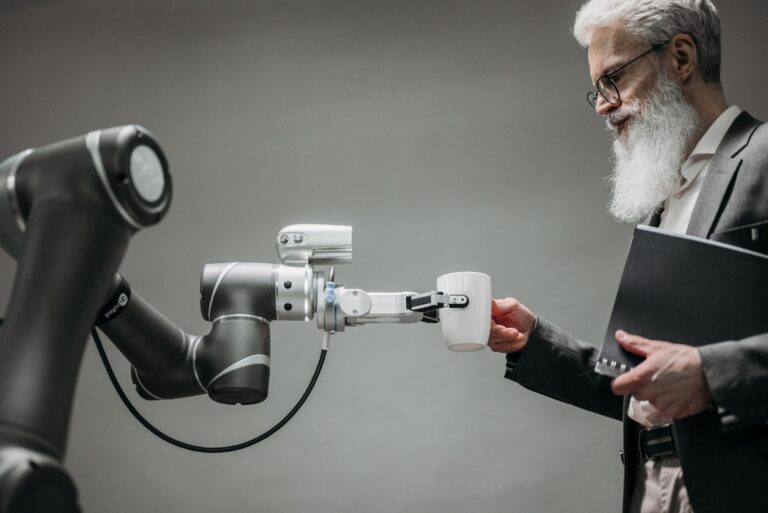
Robotic transfer systems reduce caregiver injuries while improving safety for residents, but success depends on facility resources and integration with human care.
Robotic transfer systems reduce caregiver injuries while improving safety for residents, but success depends on facility resources and integration with human care.
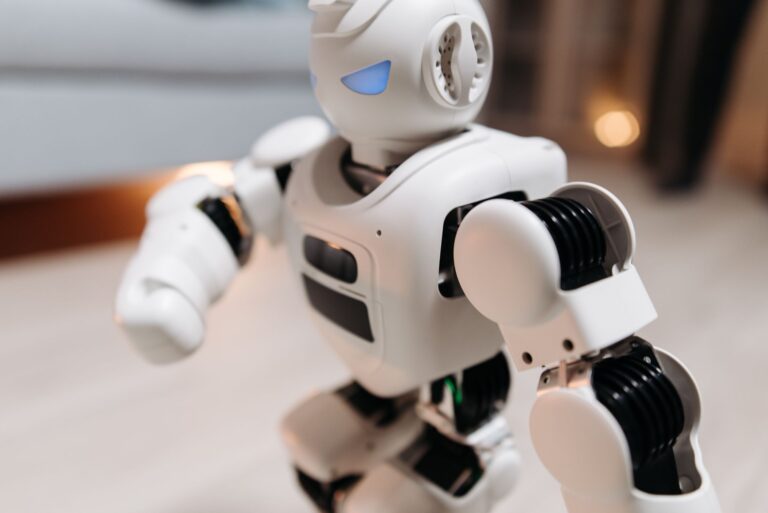
Robot companions promise connection but risk deepening isolation when they replace rather than supplement human care.
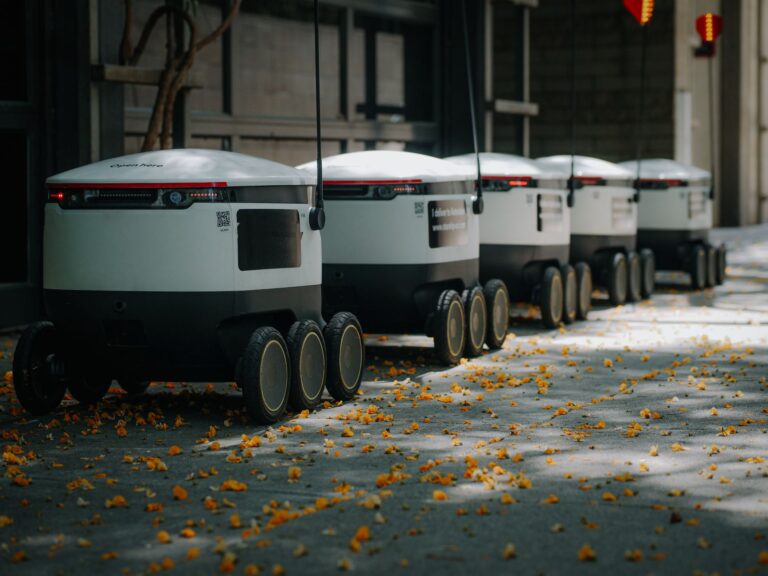
Tesla's Cybercab engineering reflects production realities: simplified sensors, cost constraints, and real-world validation challenges that determine robotaxi viability.
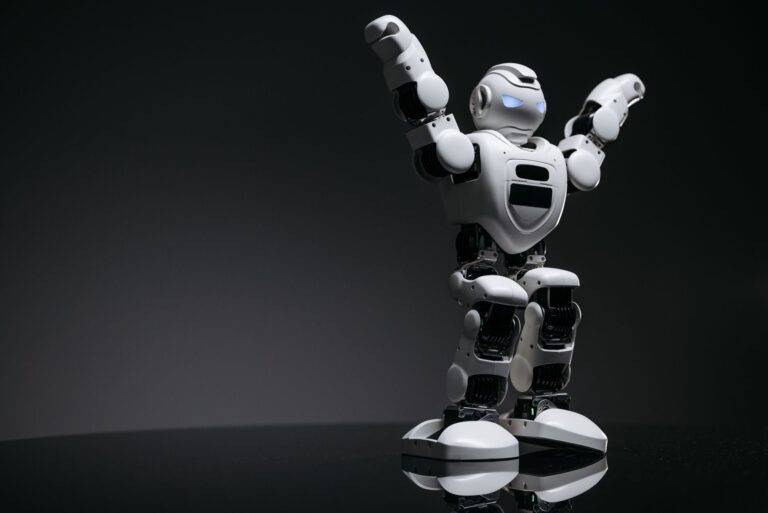
Embodied AI systems operating in real warehouses, hospitals, and factories are no longer experimental. The global market has reached $4.44 billion with growth projections to $23 billion by 2030.
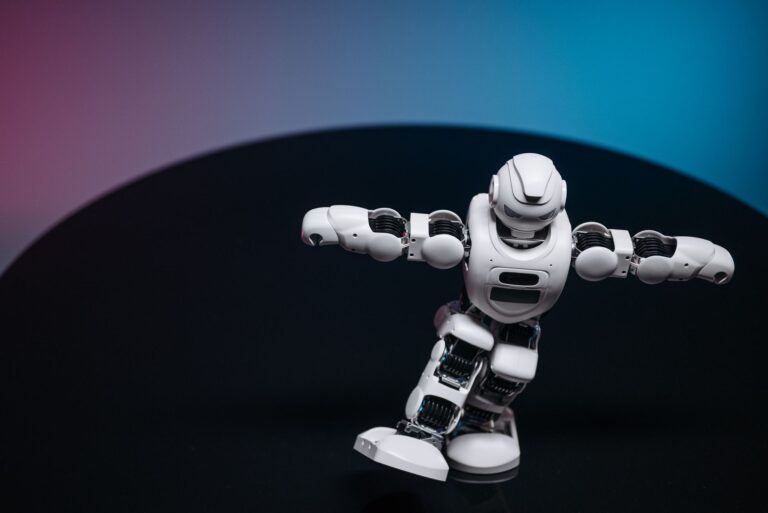
Ant Group bets billions on humanoid robots, but faces unproven technology and skeptical timelines alongside deep-pocketed global rivals.
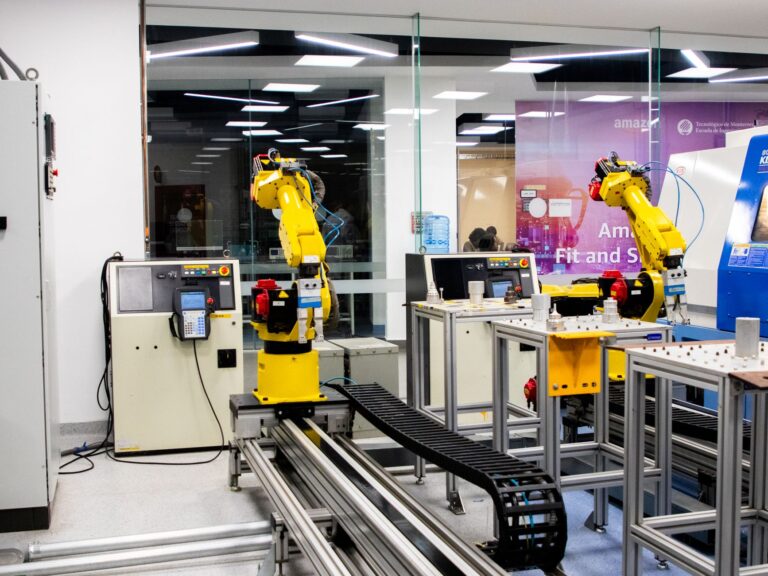
Industrial robots designed for clean labs fail prematurely in real factories, making durability standards more critical than manufacturers currently acknowledge.
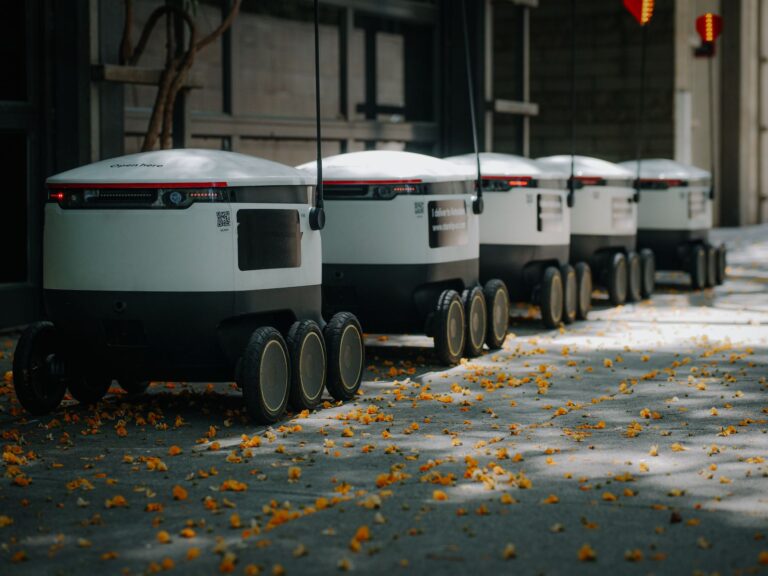
Autonomous delivery bots promised efficiency but created new sidewalk conflicts that cities never planned to resolve.
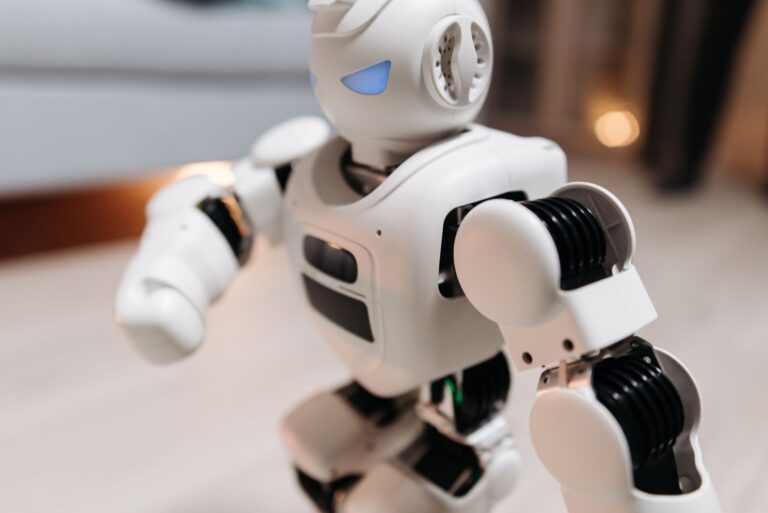
Rather than pursuing the broadest possible robotics portfolio, strategic planners have increasingly focused resources on specific high-value sectors where...
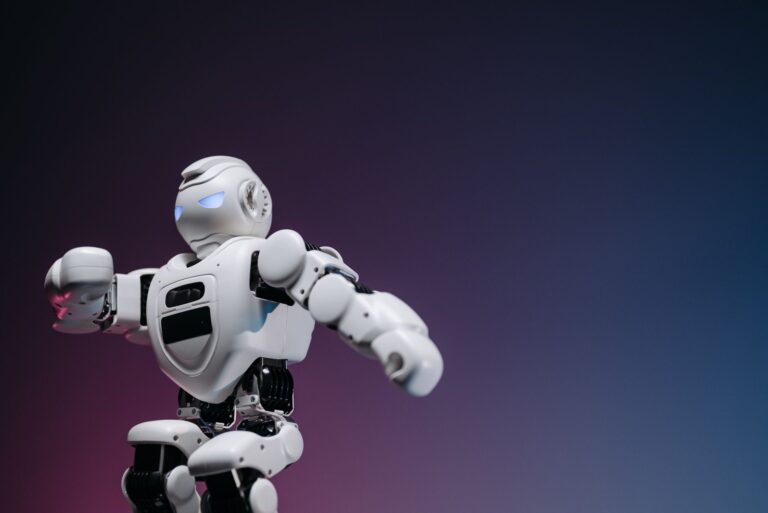
War Robots brings esports competition to mechanical combat with a football tournament format that builds regional pride into mech warfare.
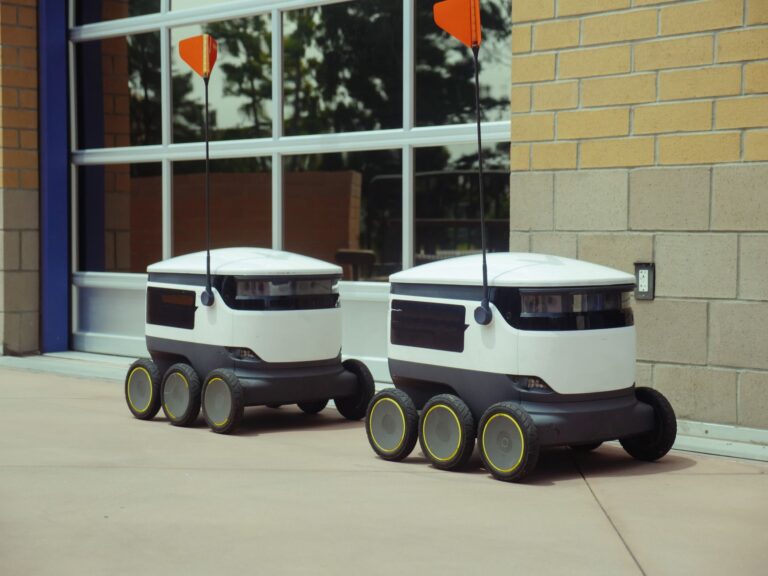
Wichita State's discontinued campus delivery robots reveal why university automation programs often fail to meet expectations.