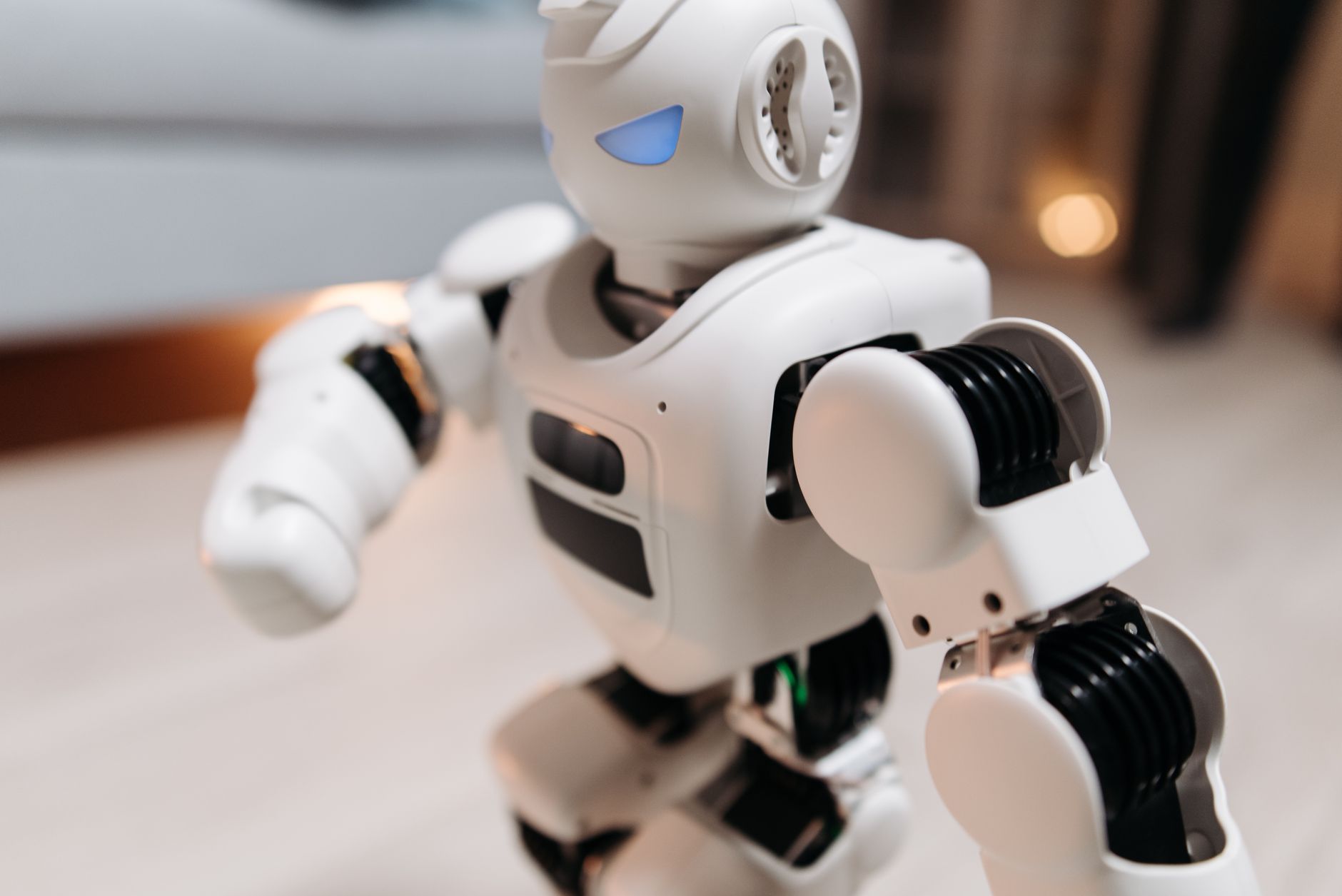

Robot companions do raise legitimate social concerns about replacing genuine human connections, and the risks are worth taking seriously as these technologies become more prevalent. While robot companions can serve valuable purposes—particularly for elderly individuals or those with mobility challenges—they cannot replicate the reciprocal nature of human relationships, the genuine empathy that comes from another person’s lived experience, or the unpredictable emotional depth that makes human connection meaningful. Consider the case of elderly care facilities that have introduced robotic seals or humanoid robots as companions: while these devices reduce behavioral issues and provide some engagement, they fundamentally cannot offer what a human visitor can—the mutual understanding that comes from shared mortality, vulnerability, and the ability to truly know and be known by another person.
The concern extends beyond simple replacement to a deeper question about social infrastructure. When we normalize robotic companionship as a solution to loneliness, we risk building systems that serve robots instead of serving people. A family might install a robot companion for an aging parent as a convenient alternative to visiting, or a nursing home might deploy robots to reduce staffing costs. Both scenarios solve an efficiency problem, but neither addresses the actual human need—which is for genuine connection with other people who have chosen to be present.
Table of Contents
- Do Robot Companions Offer Real Emotional Support or Just an Illusion?
- The Hidden Risks of Long-Term Robotic Companionship
- The Psychological Cost of Substituting Technology for Human Care
- Integrating Robot Companions into Care Without Replacing Human Connection
- The Risk of Normalizing Isolation Through Technology
- Specific Use Cases Where Robot Companions Have Value
- The Irreplicable Value of Human Presence and Genuine Care
- Frequently Asked Questions
Do Robot Companions Offer Real Emotional Support or Just an Illusion?
robot companions operate within fundamental technical limitations that prevent them from providing authentic emotional support. They recognize patterns in human speech and behavior, then respond with programmed reactions designed to feel supportive—but they have no internal emotional state, no stakes in your wellbeing beyond their programming, and no capacity to truly suffer with you in the way another human can. When a robot responds with sympathy to bad news, it’s executing an algorithm, not experiencing concern. This matters because human emotional support works through a process called emotional contagion, where another person’s genuine care literally affects your nervous system and promotes healing.
No robot can do this. The comparison becomes clear when examining research on human connection: studies consistently show that isolated elderly people who interact primarily with robotic companions show similar or sometimes worse outcomes than those without the technology, unless the robot is genuinely integrated with human care rather than replacing it. A robot dog might provide comfort through tactile interaction, but it cannot notice that you haven’t eaten today, remember a conversation you had last month about a personal struggle, or adjust its behavior based on understanding your specific personality and history. These are the elements that make human companions irreplaceable.
The Hidden Risks of Long-Term Robotic Companionship
One significant limitation of robot companions is their reinforcement of one-directional relationships. Humans are fundamentally reciprocal creatures—we need not just to be cared for, but to care for others, to be useful, to contribute something of value to another being. A robot cannot need you. It will never ask how your day was with genuine curiosity about your answer. It will never grow and change because of your influence.
This asymmetry is a warning sign that extended reliance on robotic companionship can deepen loneliness rather than resolve it, by creating an illusion of connection while leaving the core human need for mutual relationship unfulfilled. Dependency is another real concern, particularly in vulnerable populations. Once an elderly person becomes emotionally attached to a robot companion, they may withdraw further from attempts at human connection, convinced that the robot meets their social needs. A person suffering from depression might find it easier to interact with a robot that never judges, never has bad days, and never creates the vulnerability that real relationships require—but this avoidance of human messiness can entrench isolation. The robot becomes a barrier to the harder, more rewarding work of building actual human relationships.
The Psychological Cost of Substituting Technology for Human Care
Robot companions deployed in long-term care settings can inadvertently signal to residents that their institution cannot or will not provide adequate human staff to meet their social needs. When a nursing home installs social robots as a solution to understaffing, the message is clear: you are not worth the cost of human attention. This has psychological consequences beyond the immediate lack of connection.
Residents report feeling less valued and more isolated even when robot interaction increases, because they recognize the robot as a symptom of systemic neglect, not a solution to it. Young people show a different but equally concerning pattern: children who grow up with robot companions report comfort with the technology, but they also show measurable delays in developing crucial social skills like negotiating conflict, reading facial expressions, and managing the uncertainty inherent in human relationships. A child can ask a robot companion the same question ten times and receive the same patient response every time; a human parent will eventually become exasperated, and that frustration teaches the child something about social reality that the robot never can. Over years, this kind of interaction gap can create people who are highly capable with technology but underdeveloped in human relationship skills.
Integrating Robot Companions into Care Without Replacing Human Connection
The responsible approach to robot companions begins with treating them as tools that supplement human care, never replace it. Facilities that use robots most effectively treat them as engagement devices that free up staff time for higher-level human interaction, not as alternatives to staffing. A robot might occupy a resident’s attention for an hour, but that’s only valuable if it allows a human caregiver to have a meaningful one-on-one conversation with someone else.
The tradeoff is that robots require capital investment and maintenance, whereas human care is renewable—humans can adapt, learn, and genuinely connect. Families considering robot companions for elderly relatives should be honest about the comparison: a robot is an addition to human support, not a substitute for it. If visiting is difficult, the robot will not solve that problem—it will mask it. A more honest approach would be investing in transportation services, meal delivery, or community activities that facilitate actual human connection, even if those solutions are more expensive or complicated than simply purchasing a robot.
The Risk of Normalizing Isolation Through Technology
A serious concern is that widespread adoption of robot companions could normalize the outsourcing of care in ways that actually increase loneliness at a societal level. If families believe they have adequately addressed an elderly relative’s social needs through a robot, they may reduce their own engagement.
If institutions deploy robots instead of hiring more staff, they’ve made a decision that affects everyone—the elderly person gets reduced human contact, the institution avoids investing in people and decent wages, and society implicitly accepts that technological placeholders are sufficient for human dignity. This is a warning worth emphasizing: robot companions should trigger a moment of critical examination, not acceptance. When you encounter a proposal to use robots for companionship, the right question is not “Will the robot help?” but rather “Why are we choosing this over human support, and what does that choice reveal about our priorities?” The answer often involves cost, convenience, or the absence of better funding for human care—not because robots are genuinely superior for human wellbeing.
Specific Use Cases Where Robot Companions Have Value
Robot companions have shown real benefits in particular contexts, especially when they genuinely augment rather than replace human care. In dementia care, some residents respond well to robotic pets because the repetitive, comforting nature of the interaction can soothe behavioral distress. However, research shows this effect is strongest when combined with human activity—the robot provides structure, and humans provide meaning.
Similarly, in physical rehabilitation, robot companions can provide consistent encouragement and monitoring that keeps patients engaged between sessions with human physical therapists. The robot becomes a bridge to human care, not an alternative. For individuals with profound social anxiety or autism spectrum conditions, robot companions can sometimes provide a lower-stakes environment to practice social interaction before engaging with humans. The key distinction is that these uses are explicitly intermediate—the goal is eventual human connection, not permanent robotic companionship.
The Irreplicable Value of Human Presence and Genuine Care
What robot companions cannot provide is presence in its fullest sense. Presence means showing up physically or emotionally for someone at cost to yourself, which robots cannot experience. Presence means remembering what matters to someone not because it’s in a database, but because you care. Presence means being vulnerable to the other person’s impact on you, being changed by knowing them, taking on risk in a relationship that might involve loss.
These are the elements that make human connection restorative rather than merely transactional. When an elderly person has a visitor who sits with them for an afternoon, that person’s choice to be there—their decision to spend finite time on this particular relationship—communicates value in a way a robot’s constant availability never can. The robot is always patient because it is not sacrificing anything; the human visitor is patient despite the cost, which makes that patience meaningful. This distinction matters more than any technological feature.
Frequently Asked Questions
Are robot companions helpful for people with dementia?
Robot companions can reduce agitation and provide comfort for some dementia patients, but evidence shows they work best when combined with human interaction. A robot pet might soothe behavioral distress, but a human visitor provides the emotional meaning that truly supports wellbeing. They should be tools within a broader care strategy, not alternatives to human staffing.
Will robot companions lead to reduced human care in nursing homes?
There’s a real risk. When institutions deploy robots to fill gaps left by understaffing, they’ve chosen convenience over genuine care. The question to ask is whether robots are expanding care capacity or replacing human investment—the answer usually depends on whether staffing levels increase or stagnate after deployment.
Can children develop normally with robot companions?
Children need exposure to the unpredictability, conflict, and mutual vulnerability of human relationships to develop social competence. Robots that respond perfectly every time cannot teach negotiation, disappointment, or the resilience that comes from navigating human imperfection. Robot companions might complement human relationships, but they shouldn’t replace them.
What makes human connection irreplaceable?
Human relationships involve reciprocity—you can matter to another person and they can matter to you in ways that affect both of you. Humans can choose to be present at cost to themselves, can grow and change because of knowing you, and can experience genuine concern based on lived understanding. Robots operate through programming, not authentic presence.
Should I get a robot companion for my aging parent?
Consider whether a robot addresses the actual need or masks it. If loneliness is the issue, a robot might provide temporary engagement but won’t solve underlying isolation. Better solutions might include organizing regular visits, connecting your parent to community activities, or investing in transportation to facilitate human relationships.