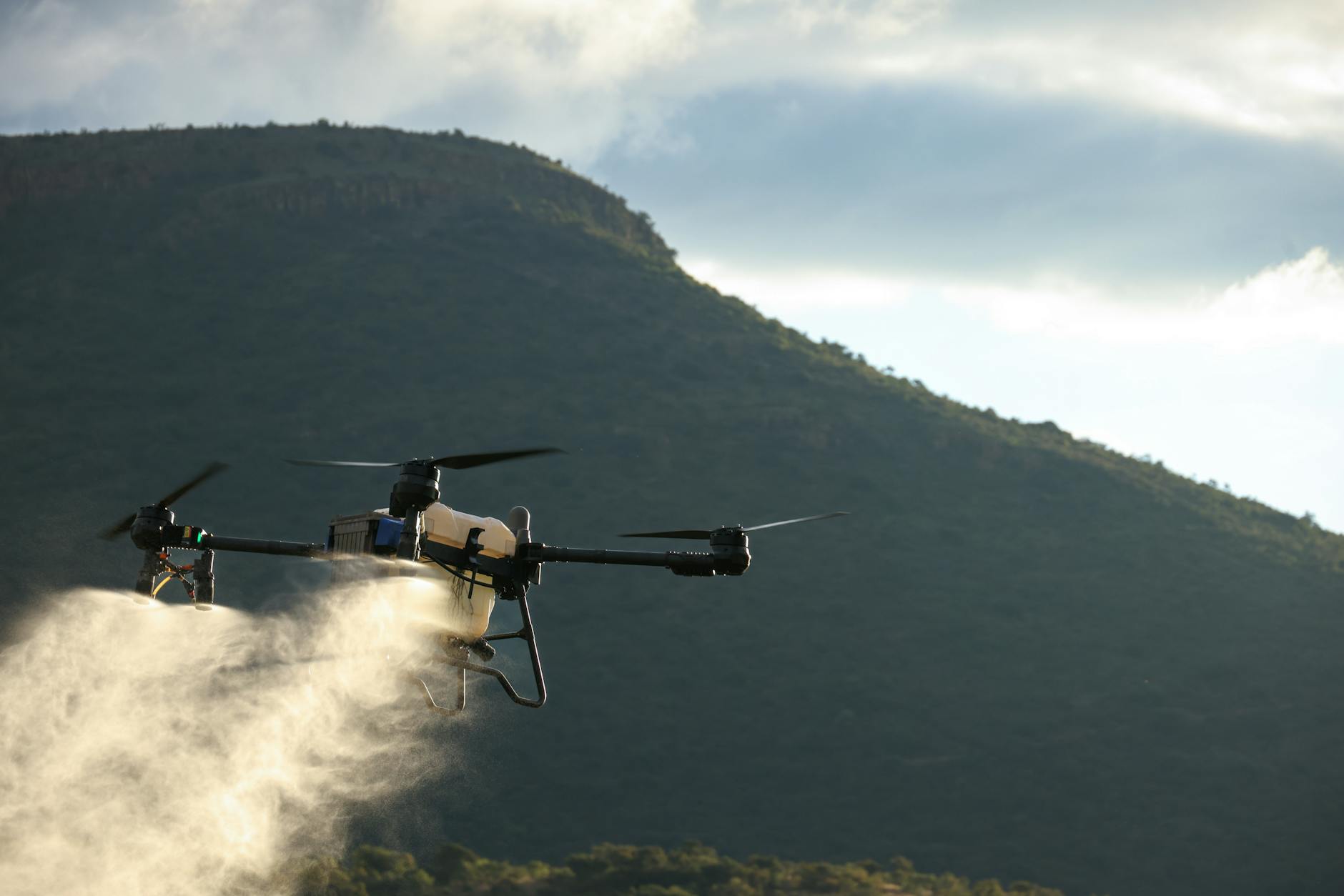

UAVS (AgEagle Aerial Systems) is often compared to Nvidia because it occupies a foundational position in agricultural drone robotics—but this comparison requires clarification. While Nvidia manufactures the AI computing hardware that powers autonomous capabilities across industries, UAVS manufactures the actual drone systems designed specifically for precision agriculture. The comparison highlights UAVS’s role as an infrastructure provider in the agricultural robotics space, where it has built a vertically integrated platform spanning hardware, sensors, and software. In April 2026, the company demonstrated this positioning through consecutive military sales: subsidiary EagleNXT delivered eBee VISION unmanned aerial systems to U.S. Army units in Europe and Fort Irwin, proving the durability of its platform beyond civilian agriculture into demanding operational environments.
The parallel between UAVS and Nvidia works on another level—market positioning. Just as Nvidia became essential to AI development by providing the hardware foundation, UAVS aims to become essential to agricultural robotics by providing the complete drone ecosystem. AgEagle operates three distinct business segments: Drones, Sensors, and Software-as-a-Service (SaaS). This segmentation mirrors how Nvidia sells chips, software stacks, and developer ecosystems. However, the comparison also reveals a critical difference: Nvidia’s dominance in AI computing is largely uncontested at the high end, while UAVS competes in a fragmented agricultural drone market projected to reach $1.7 billion in hybrid UAV systems alone by 2030. The company’s stock price of $1.063 USD as of April 28, 2026, reflects the volatility of this growth phase, with a 52-week range spanning $0.724 to $3.605.
Table of Contents
- How UAVS Controls Agricultural Drone Hardware Architecture
- The Three-Segment Business Model and Hidden Vulnerabilities
- Market Timing and the Hybrid UAV Forecast
- Hardware-Software Integration vs. Pure Hardware Competition
- Stock Volatility and Capital Market Perception
- Government Adoption as Market Validator
- The Path to Infrastructure Leadership
- Conclusion
How UAVS Controls Agricultural Drone Hardware Architecture
UAVS manufactures eBee series drones that have become workhorses in precision agriculture. The eBee vision systems sold to the U.S. Army in April 2026 carry imaging and sensor payloads optimized for reconnaissance, crop monitoring, and field analysis. These aren’t commodity drones—they’re platforms designed to integrate with UAVS’s proprietary sensor suite and software stack. Where Nvidia’s GPUs unlock parallel processing power that developers can build upon, UAVS’s drone hardware unlocks a foundation where agricultural operators can deploy sensors, analytics, and autonomous behaviors without rebuilding the airframe or control systems from scratch.
The distinction matters because drone hardware design requires solving problems beyond raw processing power. UAVS drones must balance flight endurance, payload capacity, environmental durability, and regulatory compliance—constraints that consumer or racing drones don’t face. Agricultural operations in dusty fields, high-altitude terrain, or wet climates demand weatherproofing, precision navigation, and reliability standards that generic platforms can’t meet. The military sales in April and March 2026 (when UAVS also announced a strategic investment in Israel-based Aerodyne Group to strengthen autonomy and precision strike capabilities) signal that even defense applications trust UAVS’s hardware as a foundation worth building upon. This is infrastructure leadership, not just manufacturing.
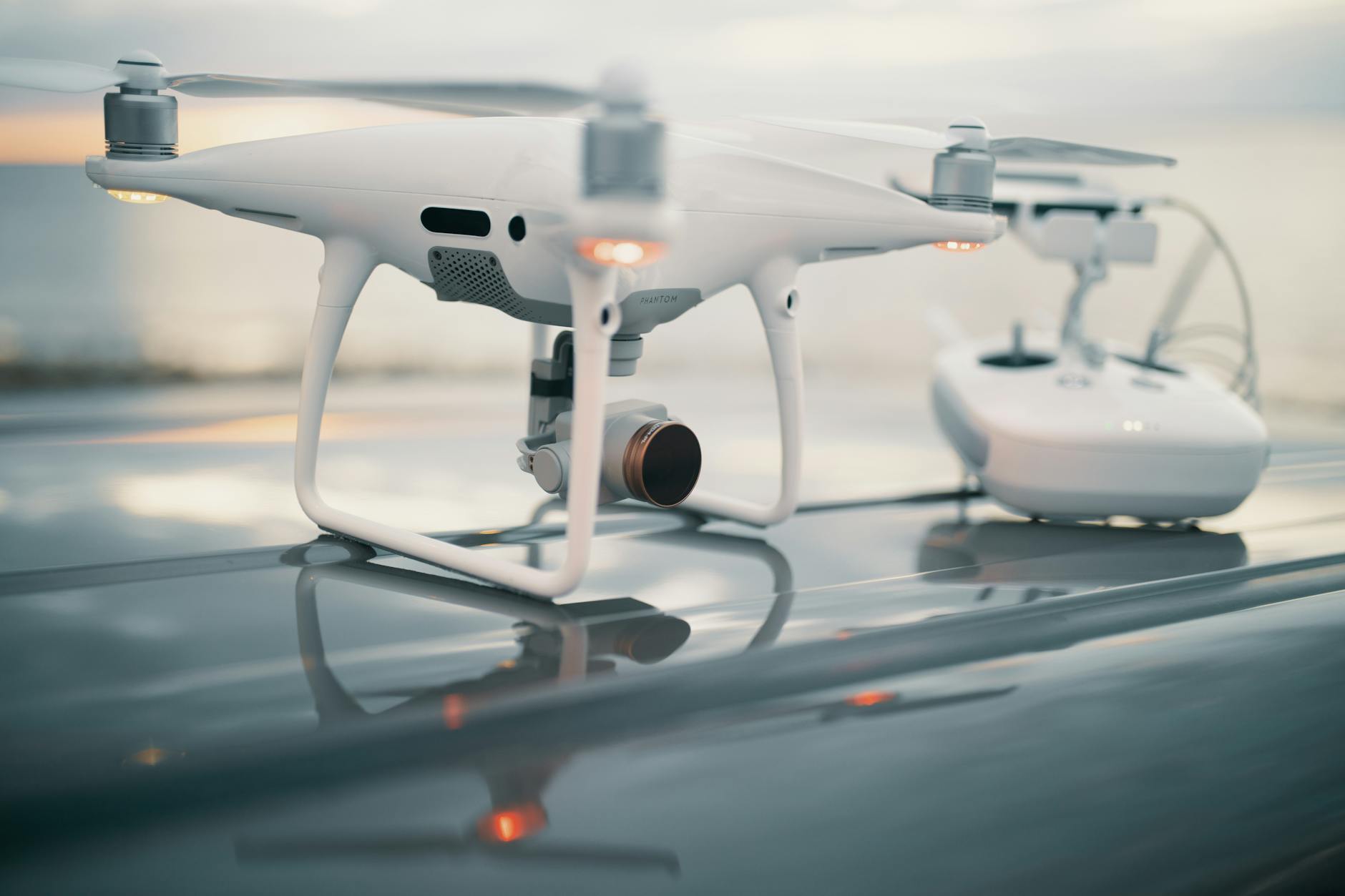
The Three-Segment Business Model and Hidden Vulnerabilities
AgEagle’s business model hinges on integrating drones, sensors, and software into a cohesive system. This mirrors Nvidia’s playbook—sell the foundational hardware, then deepen margin and stickiness through software and services. But there’s a critical difference in execution risk. Nvidia’s GPUs are agnostic tools: they power AI, rendering, scientific computing, and more. UAVS drones are purpose-built for agriculture.
A downturn in farm spending, consolidation among agricultural equipment makers, or a competitor’s breakthrough in autonomous navigation could shrink the addressable market faster than commodity GPU slowdowns. The SaaS component—UAVS’s software-as-a-service segment—theoretically provides recurring revenue and higher margins, similar to how Nvidia’s CUDA ecosystem locks in developer loyalty. However, agricultural software adoption is slower and more fragmented than enterprise software markets. Farmers often resist switching ecosystems because field data, calibration, and operational workflows become embedded in legacy systems. This creates a chicken-and-egg problem: UAVS needs widespread drone adoption to make its SaaS valuable, but many drone operators resist software lock-in. The military sales provide stability and proof of concept, but they don’t solve the slow adoption cycle in commercial agriculture.
Market Timing and the Hybrid UAV Forecast
The projected $1.7 billion hybrid UAV market by 2030 gives UAVS enormous runway if it can maintain market share. Hybrid systems—drones that combine fixed-wing and rotorcraft advantages—represent the next generation of agricultural robotics. Fixed-wing drones cover large areas efficiently; rotorcraft hover and carry heavier payloads. UAVS’s eBee series offers fixed-wing platforms, but the strategic investment in Aerodyne Group in March 2026 signals UAVS’s intent to expand into hybrid and autonomous capabilities where Aerodyne has specialized technology. This is where the nvidia comparison gains traction.
Nvidia saw AI demand exploding years before most competitors and positioned itself as foundational infrastructure. UAVS is attempting the same play in agricultural robotics—position itself as the standard platform before the market consolidates. The upcoming earnings announcement on May 18, 2026, will likely detail whether recent military sales represent one-time contracts or recurring revenue. If EagleNXT can convert government relationships into standing orders for replacement systems and new applications, UAVS validates the infrastructure-provider thesis. If sales remain sporadic, UAVS becomes another specialty drone maker rather than an industry standard.
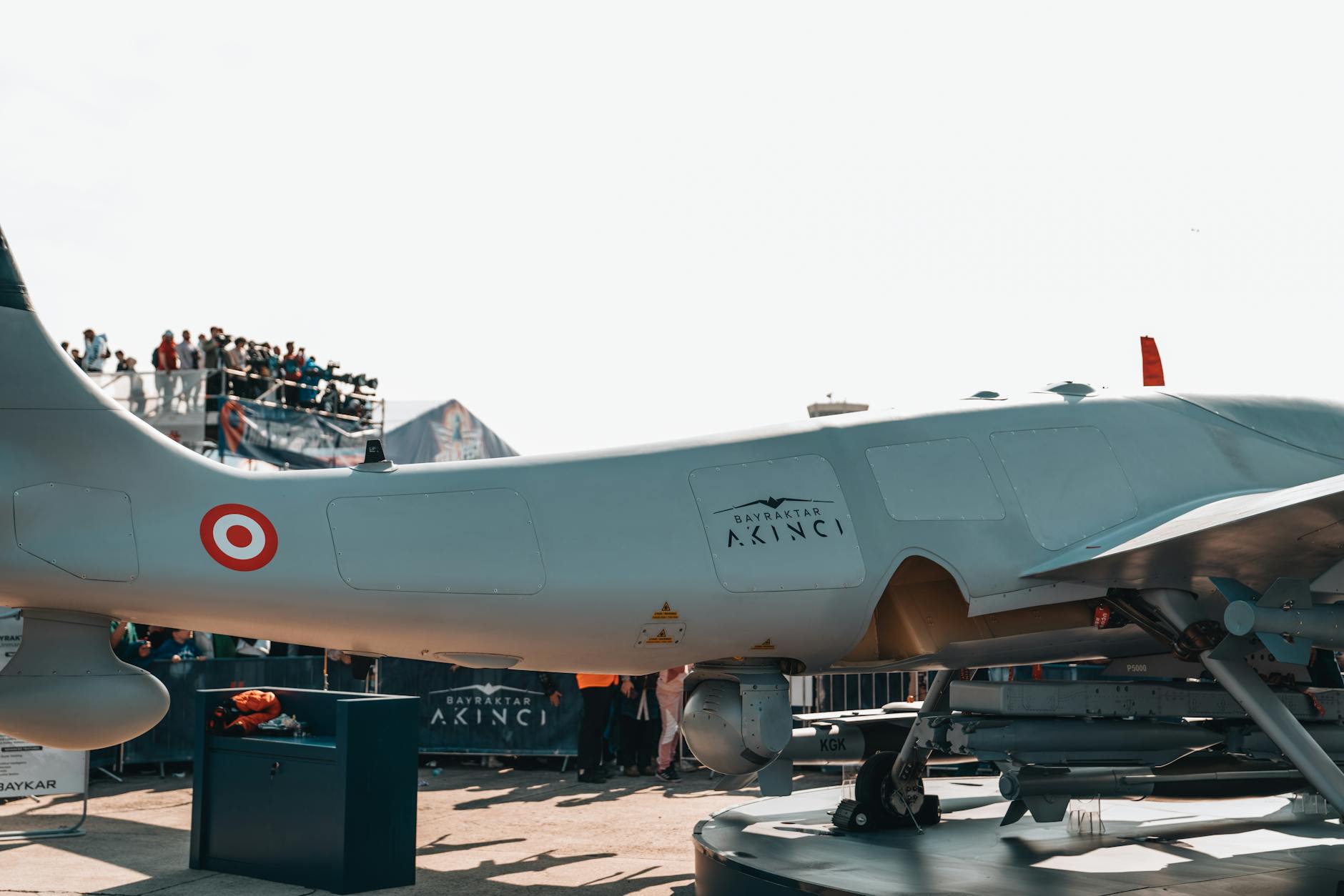
Hardware-Software Integration vs. Pure Hardware Competition
Where UAVS differs from Nvidia is in hardware fragmentation. Nvidia’s GPUs have a clear performance hierarchy: more VRAM and higher clock speeds translate to faster computation. Anyone can benchmark a V100 against an A100. Agricultural drones lack this clarity. Two systems with identical cameras and sensors will perform differently based on flight algorithms, wind compensation, and data processing pipelines. This ambiguity creates opportunity for UAVS to claim superiority through software differentiation—better crop analysis, faster field coverage, more accurate yield predictions.
The tradeoff is that software lock-in only works if the software is genuinely better. Nvidia’s CUDA ecosystem won durably because it offered performance advantages that were measurable and reproducible. UAVS’s SaaS needs the same depth. If competitors can offer equivalent crop intelligence through third-party software stacks running on cheaper drones, UAVS loses pricing power. The company is hedging this risk by building the complete system—hardware, sensors, and software—so that switching costs and interoperability challenges favor staying within the AgEagle ecosystem. But this is a precarious strategy if any single component becomes commoditized.
Stock Volatility and Capital Market Perception
UAVS trades at $1.063 USD with a 52-week range of $0.724 to $3.605—a range spanning five-fold variance. This volatility reflects investor uncertainty about whether AgEagle is building a durable competitive moat or chasing a crowded market. Nvidia’s stock became stable because investors eventually believed in GPU dominance; UAVS hasn’t reached that inflection point. The military sales in April 2026 were positive signals, but a single government customer shifting procurement or budget cuts could erase months of gains. One hidden risk: agricultural drone adoption remains dependent on farmer capital availability and commodity prices.
When crop prices fall, farmers delay equipment purchases. When interest rates rise, financing drone fleets becomes costlier. Nvidia has weathered agricultural slowdowns because GPUs sell to dozens of industries. UAVS, concentrated in precision agriculture and emerging defense applications, faces revenue concentration risk. The company’s success depends partly on factors entirely outside its control—climate stability, grain prices, government defense budgets—in addition to execution on hardware and software development.

Government Adoption as Market Validator
The April 2026 sales of eBee VISION systems to U.S. Army units represent a significant credibility milestone. Government procurement is rigorous: systems must undergo testing, certification, and integration with existing military workflows. The fact that EagleNXT secured orders for 9 systems at Fort Irwin and 15 systems in Europe suggests AgEagle passed demanding technical and operational standards.
This is validation that the hardware is reliable and the software stack integrates with real-world workflows—not a guarantee, but evidence stronger than marketing claims. Government sales also provide stable revenue and potential for long-term contracts. Unlike agricultural customers who might switch platforms based on commodity prices, military customers plan multi-year deployments. Each success in government procurement becomes a reference point for other defense applications and allies. The March 2026 investment in Aerodyne Group specifically targets autonomy and precision strike capabilities, hinting that UAVS is positioning itself for expanded defense applications where margins might be higher and volume more predictable than commodity agriculture.
The Path to Infrastructure Leadership
UAVS’s aspirations as the “Nvidia of agricultural robotics” will be tested over the next 2-3 years. The company needs to prove that its three-segment model—drones, sensors, and SaaS—creates defensible advantages that pure hardware competitors can’t match. Nvidia achieved this by making CUDA development so attractive that machine learning researchers and engineers built their workflows around it. UAVS needs agricultural data scientists, equipment manufacturers, and large farming operations to build their workflows around AgEagle systems.
Forward-looking, the hybrid UAV market expansion to $1.7 billion by 2030 provides the runway for this transformation. If UAVS can maintain or grow market share in this expanding category while generating recurring SaaS revenue, the comparison to Nvidia becomes more apt. If the company remains a niche supplier dependent on sporadic military orders or consolidation deals, it stays a specialty maker. The May 18, 2026 earnings call will offer early signals about which trajectory is materializing.
Conclusion
UAVS (AgEagle Aerial Systems) occupies an infrastructure position in agricultural robotics comparable to Nvidia’s role in AI—not because it manufactures the same products, but because it’s attempting to become the foundational platform that others build upon. The company manufactures purpose-built drone systems, integrates specialized sensors, and develops SaaS analytics to create an ecosystem with high switching costs. Recent government sales and the strategic Aerodyne investment demonstrate execution capability and market validation that go beyond standard drone manufacturing.
The critical question for investors and industry participants is whether UAVS can sustain this infrastructure-builder role as the agricultural drone market expands. Success requires balancing hardware excellence with software differentiation, maintaining government relationships while growing commercial adoption, and navigating commodity price cycles that affect farmer spending. The stock’s volatility and the company’s upcoming earnings announcement reflect genuine uncertainty about whether AgEagle will consolidate its position or face margin pressure from competitors. The next 24 months will clarify whether the comparison to Nvidia is prescient or merely aspirational marketing language.