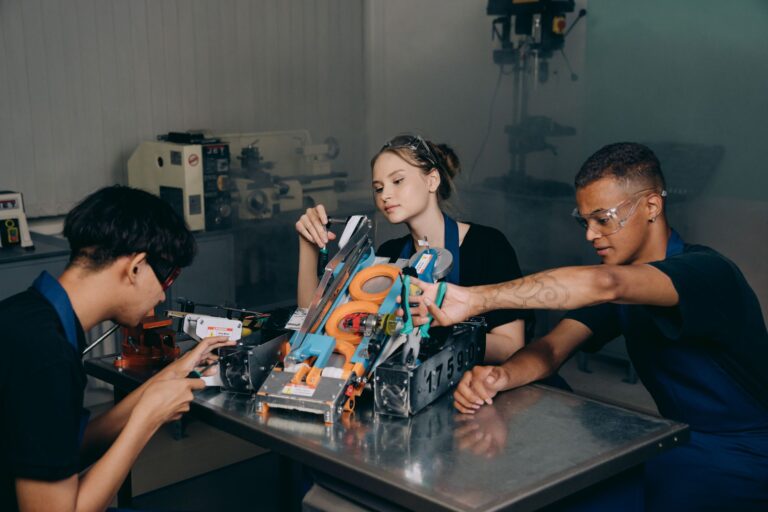

Robotics startups should budget founder time, working demos, and legal and accounting support for year-end fundraising. They should also budget for travel, data-room preparation, and enough operating cash to continue past January. Year-end fundraising means an effort to secure investment before firms pause for holidays and annual planning. For hardware teams, that effort costs more operational attention than a software raise because investors expect to see machines run.
Table of Contents
- What makes year-end timing different?
- Where does staff time actually go?
- What should the demo and data room include?
- How to avoid a cash gap into the new year?
What makes year-end timing different?
Schedules compress. Partners take time off, assistants clear calendars, and decisions waiting on one signature can slip by weeks. Build the work plan backward from mid-December, not New Year's Eve.
Attention also splits. Founders still must cover safety checks, customer pilots, and parts orders while answering diligence questions. Assign one owner for fundraising tasks and one owner for shop and field work.
Where does staff time actually go?
Most time goes to preparation, not pitches. Engineers troubleshoot demo units, clean datasets, and document test results. Founders draft narratives, update financial models, and respond to follow-up requests.
Budget that load explicitly. Protect weekly blocks for build and test fixes so a failed sensor or loose harness does not cancel a demo day. Keep customer support covered so pilot partners stay confident during the process.
What should the demo and data room include?
Investors in robotics want proof of reliability. Prepare two identical demo units when possible, plus spare batteries, cables, and tools.
Practice setup in unfamiliar rooms with limited floor space and uneven light. Keep records organized and current. A practical data room often holds:.
- system architecture diagram and safety approach
- test logs, failure notes, and design changes
- bill of materials, supplier lead times, and service plan
- pilot agreements, customer feedback, and deployment costs
- hiring plan tied to technical milestones
How to avoid a cash gap into the new year?
Treat January as slow for new money. Payroll, rent, insurance, and parts deposits still arrive on schedule. Extend the cash plan through first-quarter expenses before spending on fundraising travel.
Reduce avoidable strain. Pause noncritical hires, defer large equipment purchases, and confirm credit lines and payment terms with key suppliers. A simple weekly cash review helps founders spot a shortfall while options remain.