Food automation represents one of the most compelling investment themes in robotics today, driven by a global market projected to grow from $12.64 billion in 2025 to $20.35 billion by 2031 at an 8.26% compound annual growth rate. The investment thesis is straightforward: persistent labor shortages, escalating wages, and razor-thin margins across the food industry are forcing operators to automate or face extinction. When Marc Lore’s Wonder Group Inc. dropped $186 million on robotic lunch-making technology in late 2025 as part of a $2 billion restaurant transformation effort, it signaled that serious capital is now flowing into this sector.
DigitalFoodLab identifies Food Automation as one of five megatrends shaping the future of food, alongside Resilient Farm, Sustainable Ingredients, Healthy Ageing, and Smart & Efficient Food Industry. The research firm has expanded its tracking to 36 distinct trends in 2026, up from 31 in 2025 and 28 in 2024, reflecting how rapidly this space is fragmenting into specialized niches. For investors and industry observers, understanding where the real opportunities lie requires cutting through the noise of flashy robot demonstrations to examine actual deployment numbers, unit economics, and the operational realities facing food businesses. This article examines the current state of food automation investments, the sub-sectors attracting capital, performance metrics from early adopters, and the strategic considerations that separate winning plays from expensive science projects.
Table of Contents
- What Makes Food Automation a Viable Investment Megatrend?
- The Four Pillars of Food Automation Investment
- Performance Metrics That Matter
- Recent Deals Reveal Where Smart Money Is Flowing
- Why 90% of Food Manufacturers Haven’t Automated Yet
- Strategic Partnerships Shaping the Competitive Landscape
- What 2026 Tells Us About Food Automation’s Trajectory
- Conclusion
What Makes Food Automation a Viable Investment Megatrend?
The fundamental driver behind food automation is economic pressure that shows no signs of abating. U.S. fast-food chains alone could save up to $12 billion by 2026 through automation, according to industry analysis. This is not speculative efficiency gain but rather a response to structural labor market changes that have made traditional staffing models increasingly untenable. High turnover rates, difficulty attracting workers to physically demanding food production roles, and wage inflation have created a financial imperative to replace human labor with automated alternatives. The restaurant robotics market specifically is expected to reach $4 billion in 2026, representing a concentrated opportunity within the broader food automation landscape.
However, the adoption curve remains early. Only approximately 10% of food manufacturers have extensively digitized their operations, suggesting enormous runway for growth but also highlighting that most of the industry remains skeptical or unable to make the capital investments required. This gap between potential and adoption defines both the opportunity and the risk profile for automation investments. What separates food automation from other industrial robotics plays is the sheer fragmentation of the target market. Unlike automotive manufacturing with its handful of major players, food production and service involves millions of establishments worldwide, each representing a potential customer. The challenge is that this fragmentation also means longer sales cycles, more customization requirements, and the need to prove ROI at price points accessible to small operators.

The Four Pillars of Food Automation Investment
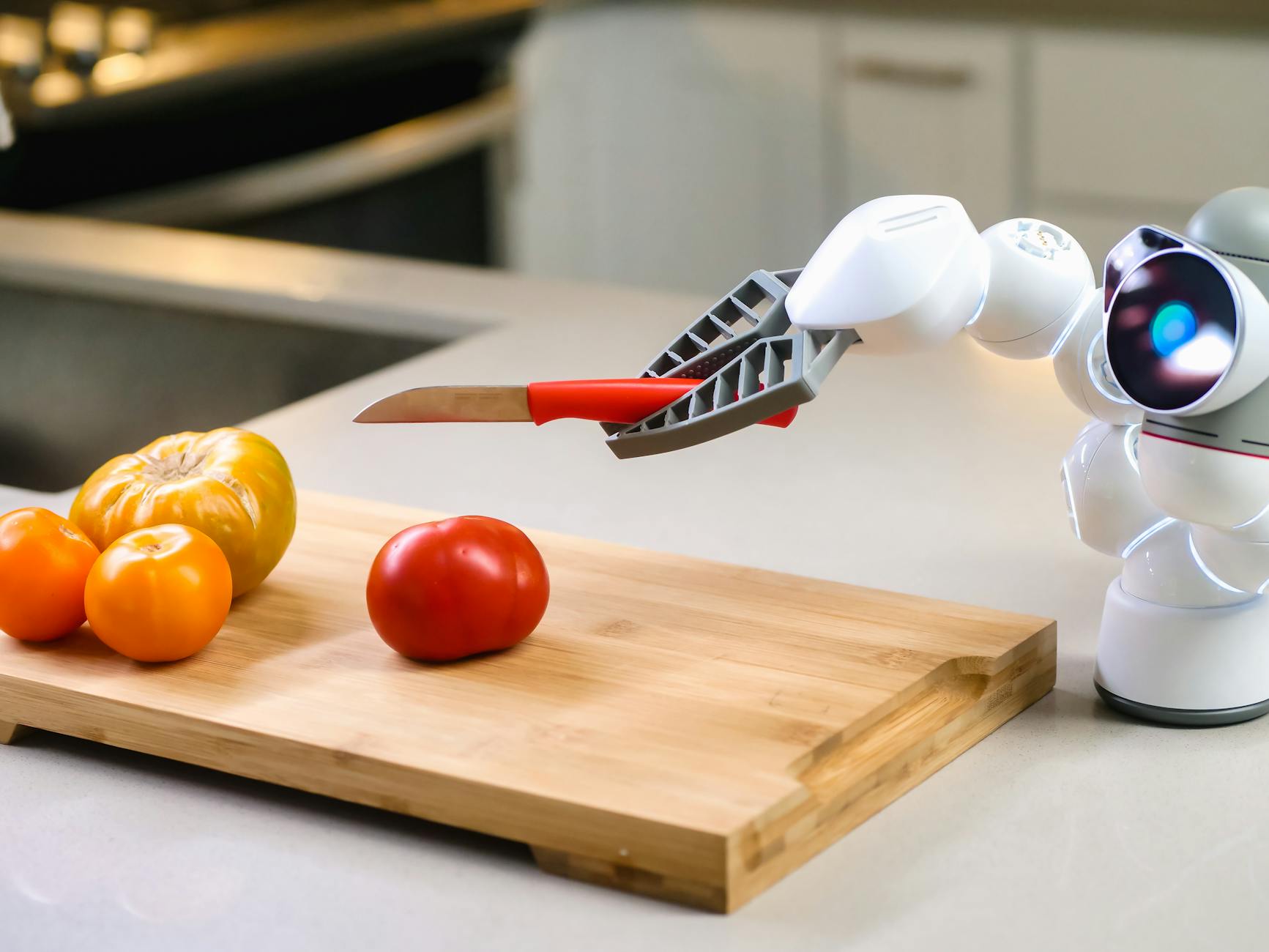
Food automation breaks down into four distinct sub-categories, each with different risk profiles and market dynamics. Cloud kitchens and virtual restaurants have become commonplace but now require consolidation, meaning the early venture returns have already been captured and the sector is entering a more mature phase focused on operational efficiency rather than land-grab expansion. Cooking robots represent the most visible category but face a counterintuitive reality: the winning approach appears to be scaling down factory automation to restaurant-size rather than building robotic arms that emulate human chefs. Miso Robotics has deployed its Flippy 2 robots across 100 locations for fry station automation, demonstrating that focused, single-task automation can achieve commercial scale while general-purpose cooking robots remain largely experimental.
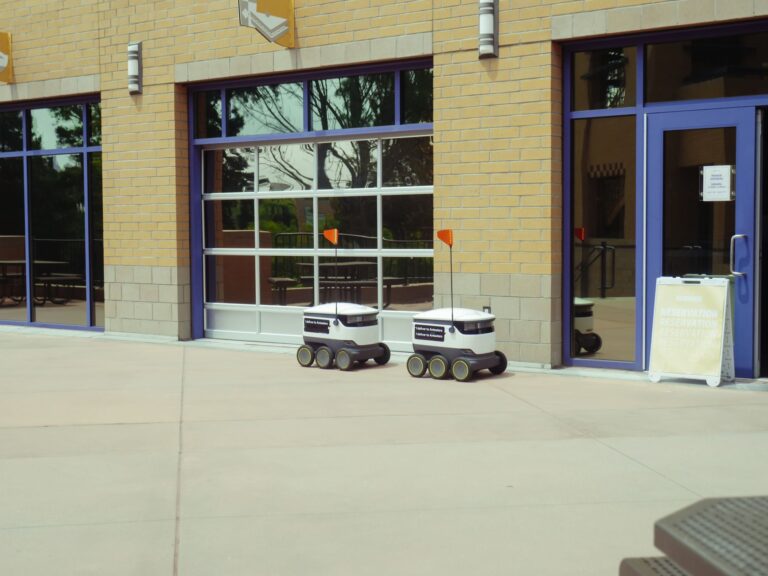
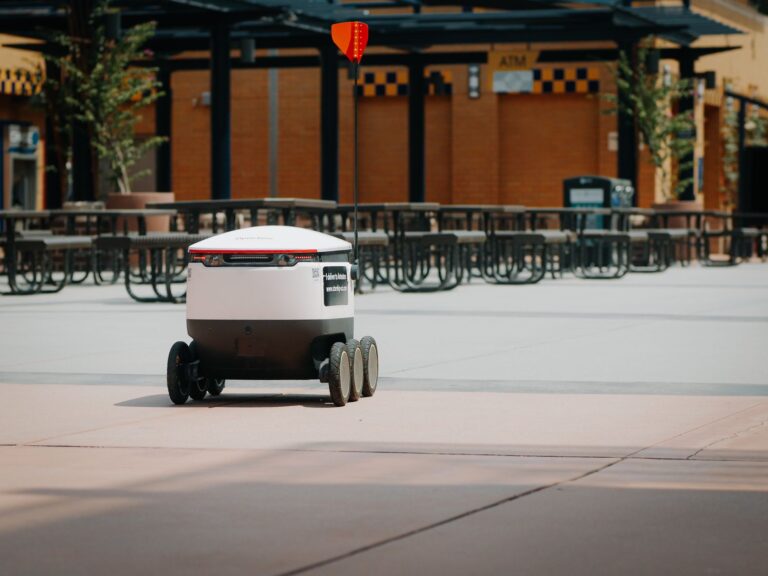
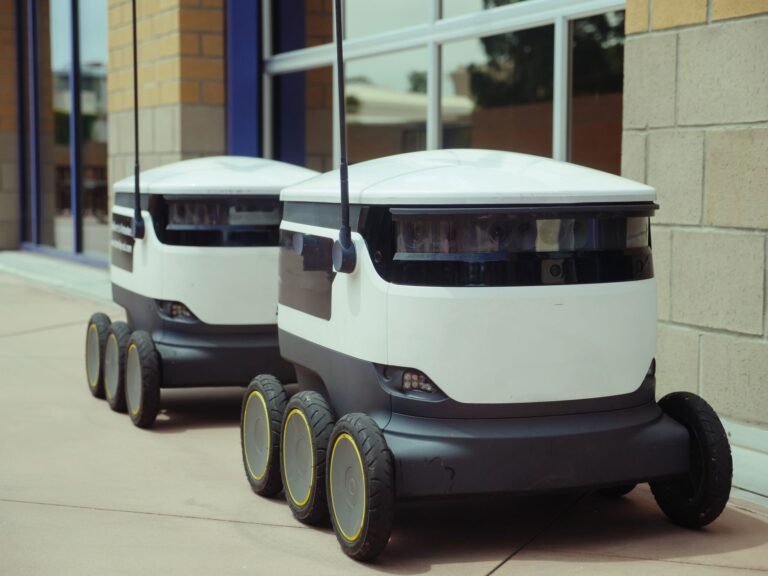
Strategic partnerships like those Miso has established with Ecolab for sales and distribution, and amazon AWS for AI capabilities, illustrate how automation startups are building ecosystem advantages rather than going it alone. Automated delivery is expected to become common before widespread kitchen robotics reaches scale, which represents an important sequencing insight for investors. autonomous convenience stores, exemplified by VenHub’s showcase at CES 2026, offer another pathway with companies like Boxy raising substantial capital to deploy stores carrying 250 food products each. The limiting factor across all these categories is not technology capability but rather the pace at which operators can integrate new systems into existing workflows without disrupting current revenue streams.
Performance Metrics That Matter
Facilities using AI and robotics report up to 45% improvement in Overall Equipment Effectiveness, the standard manufacturing metric combining availability, performance, and quality. More striking is the 80% reduction in quality defects reported in facilities with integrated AI and robotics systems. These numbers explain why major food manufacturers are investing despite the complexity and capital requirements. However, these metrics come from facilities that have achieved mature implementations, not from early-stage deployments.
The path from pilot to productivity involves substantial learning curves, integration challenges, and often significant customization. Investors should be wary of projecting these best-case results onto companies still proving their technology in controlled environments. The 2026 industry outlook characterizes this as a “reset year” focused on disciplined execution, capital efficiency, and solving operational bottlenecks rather than flashy demonstrations. A projected 20% reduction in food waste represents another measurable benefit that appeals to operators facing margin pressure and sustainability mandates. This metric matters because it affects the bottom line directly while also providing narrative value for companies facing consumer and regulatory pressure around environmental impact.

Recent Deals Reveal Where Smart Money Is Flowing
The investment pattern in recent deals shows capital concentrating on companies with proven commercial traction rather than pure technology plays. Hyphen raised $24 million in Series A funding for automated food assembly line technology, targeting the high-volume, standardized production that offers the clearest path to ROI. Boxy’s $25 million raise for autonomous corner stores represents a bet on retail automation where the unit economics are more predictable than restaurant environments. French startup Bolk raised $4 million for food canteen automation, illustrating how European investors are backing automation plays suited to their market’s institutional foodservice sector.
The common thread across these deals is focus: each company addresses a specific, well-defined use case rather than promising to automate entire kitchens. The contrast with Wonder Group’s $186 million investment in robotic lunch-making highlights different approaches to the market. Wonder is pursuing vertical integration, building automation capabilities in-house as part of a larger restaurant platform play. Most automation startups are pursuing horizontal strategies, building technology that can be sold across multiple operators. Both approaches can succeed, but they require different scale of capital and carry different risk profiles.
Why 90% of Food Manufacturers Haven’t Automated Yet
The fact that only about 10% of food manufacturers have extensively digitized their operations despite clear performance benefits points to structural barriers that technology alone cannot solve. Initial capital requirements remain substantial, particularly for small and medium operators who represent the bulk of the food industry. Integration with legacy systems, training requirements, and the risk of disrupting current production during implementation create friction that slows adoption regardless of long-term ROI projections. The delivery platform profitability crisis illustrates how economic pressure can accelerate automation adoption. Platforms need to automate to reduce driver costs and restaurant fees, creating urgency that overcomes traditional resistance to change.
However, automation investments made under financial duress often prioritize speed over optimization, potentially leading to suboptimal implementations that fail to deliver expected returns. For investors, this adoption gap represents both opportunity and warning. The opportunity lies in the massive addressable market that remains largely untapped. The warning is that converting skeptical, capital-constrained operators into paying customers requires more than superior technology. It requires financing solutions, implementation support, and demonstrated ROI from comparable operations.
Strategic Partnerships Shaping the Competitive Landscape
Miso Robotics’ partnership strategy offers a template for how automation startups can accelerate market access. The Ecolab partnership provides access to sales and distribution pipelines reaching food operators worldwide, bypassing the challenge of building direct sales capabilities from scratch. The Amazon AWS partnership leverages cloud AI infrastructure for Flippy’s capabilities, allowing Miso to benefit from AWS’s continued AI improvements without bearing full R&D costs.
These partnerships also create competitive moats. An operator considering fry station automation will likely evaluate Miso more favorably knowing that Ecolab, a trusted vendor already in their supply chain, stands behind the product. The AWS relationship signals technical credibility to enterprise buyers conducting due diligence.
What 2026 Tells Us About Food Automation’s Trajectory
The 2026 outlook positions AI as transitioning from “experimental novelty to operational necessity” in restaurants. Three investment themes dominate: automation and AI moving from pilots to productivity, precision ingredients maturing as a category, and investor preference shifting toward founders who can prove traction and unit economics rather than those selling vision alone.
This maturation benefits established players with deployed systems and revenue but challenges earlier-stage companies still proving technology. The “reset year” framing suggests that capital will be harder to raise for companies without clear commercial validation, potentially creating consolidation opportunities as weaker players seek exits. For the food automation megatrend, 2026 may be remembered as the year when the category graduated from speculative to investable.
Conclusion
Food automation meets the criteria for a genuine megatrend: large addressable market, structural tailwinds unlikely to reverse, and technology maturation enabling commercial deployment. The $12.64 billion to $20.35 billion growth trajectory through 2031 provides a baseline, while specific segments like restaurant robotics at $4 billion in 2026 offer concentrated exposure to the theme.
The investment playbook favors companies with deployed systems, strategic partnerships providing distribution leverage, and focused solutions addressing well-defined problems over general-purpose robotics chasing headline-grabbing demonstrations. As the industry enters its “reset year” emphasizing execution over experimentation, the winners will be those converting technology capabilities into operational necessity for food businesses that can no longer afford to wait.