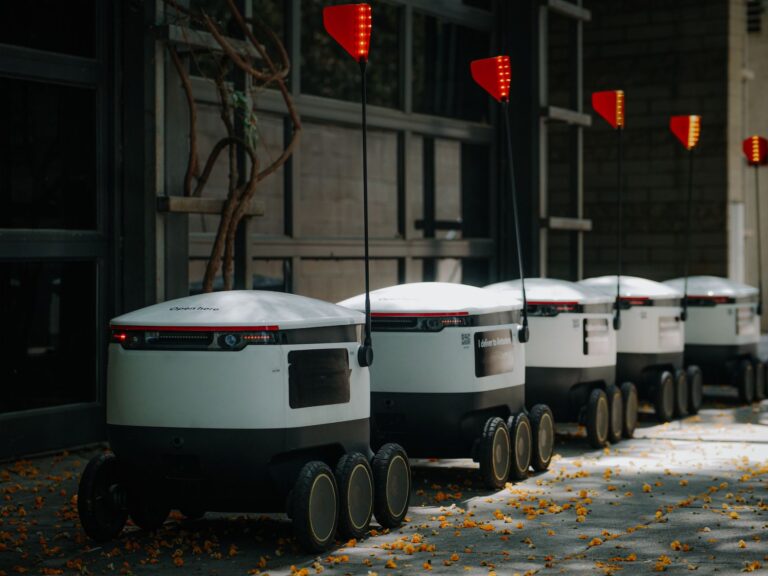

AMPX manufactures electric robots designed to serve as foundational automation tools—the “picks and shovels” that enable other industries and companies to build their own robotics solutions. Rather than targeting end-user applications directly, AMPX focuses on creating modular electric robots that integrate into larger manufacturing and automation systems, providing the mechanical and computational backbone that engineers and developers rely on to deploy custom automation solutions.
For example, automotive suppliers use AMPX electric robots as the core mobile manipulation platform when they need to quickly reconfigure assembly lines without redesigning the entire robotic system from scratch. These electric robots occupy a unique position in the automation market: they’re sophisticated enough to handle precision tasks like welding, component assembly, and material handling, yet flexible enough to be integrated into specialized workflows that vary dramatically across industries. The company’s approach recognizes that most organizations implementing robotics need reliable, proven hardware rather than another attempt to build a complete end-to-end system in-house.
Table of Contents
- What Makes AMPX Electric Robots Infrastructure-Grade Automation Tools
- Technical Capabilities and Performance Specifications
- Real-World Deployment in Manufacturing and Logistics
- Integration Strategy and Implementation Considerations
- Limitations and Known Failure Modes
- Cost, ROI, and Comparative Economics
- The Future of Electric Robot Infrastructure
- Conclusion
What Makes AMPX Electric Robots Infrastructure-Grade Automation Tools
ampx electric robots are built with modularity and integration as primary design principles. Unlike traditional industrial robotic arms bolted to a single location, AMPX platforms combine articulated manipulation, mobile navigation, or specialized actuators in configurations that can be adapted by the integrators and customers who deploy them. The electrical architecture emphasizes standardized communication protocols—typically ROS (Robot Operating System) compatibility, Ethernet-based control, and open API frameworks—so that control software and perception systems from third-party vendors can plug in without extensive custom engineering.
A practical comparison: traditional fixed robotic arms require a facility integrator to redesign material flow and workstation layouts around the robot’s fixed position. AMPX electric robots, particularly their mobile manipulation variants, allow facilities to deploy them as needed, moving between tasks and workstations as demand shifts. This flexibility comes with trade-offs—the robots are generally lighter-duty than their fixed-installation counterparts and require more sophisticated coordination software to manage multiple units in the same space.
Technical Capabilities and Performance Specifications
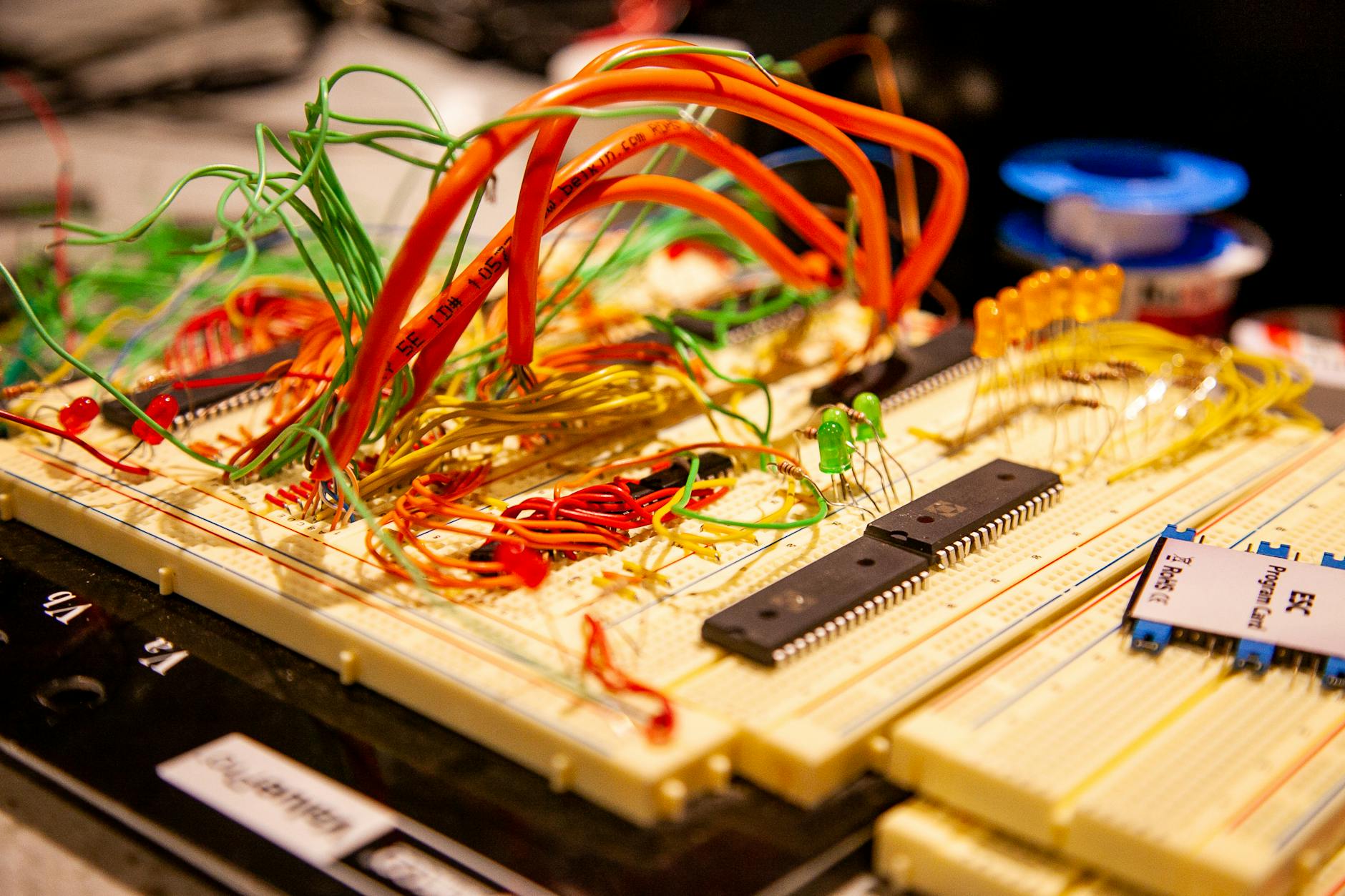
AMPX robots typically feature electric actuation across all joints and locomotion systems, meaning they draw power from rechargeable batteries rather than pneumatic lines or hydraulic hoses. This design choice offers significant advantages: no compressed air infrastructure required, simpler on-site integration, and the ability to operate in cleanroom or food-processing environments where oil contamination is a concern. However, electric systems demand careful power management—runtime between charges varies from 4 to 12 hours depending on workload intensity, and peak performance degrades as battery charge depletes, which can complicate production scheduling.
The sensing suite on AMPX robots typically includes multi-camera vision systems, force/torque sensors on the end effector, and lidar or ultrasonic obstacle detection for mobile variants. These sensors feed real-time data to onboard compute modules—usually nvidia Jetson platforms or equivalent—that run the vision pipelines and navigation algorithms. A significant limitation here is that onboard compute power constrains how sophisticated the real-time perception and control loops can be, often requiring integration with external cloud systems or edge computing nodes for heavy-duty analysis.
Real-World Deployment in Manufacturing and Logistics
AMPX robots appear most frequently in contract manufacturing facilities, third-party logistics centers, and secondary manufacturing roles where deployment flexibility justifies the cost and complexity. In a concrete example, electronics contract manufacturers use AMPX robots for kitting (gathering components for assembly) and pick-and-place operations where the mix of products changes multiple times per day—the robots’ mobility and reconfigurable end effectors allow the same hardware to serve different product lines without equipment swaps.
Logistics operations represent another growing use case: AMPX robots handle inbound goods receiving, bin picking (extracting items of various shapes from unsorted containers), and secondary packaging for e-commerce fulfillment. The advantage in these roles is that the robots handle the high-variability, lower-precision tasks where human-robot collaboration matters more than absolute speed. A warning worth noting: these high-variability environments—especially bin picking—are where AMPX robots often encounter failure modes: jamming on unexpected object shapes, misidentifying items due to lighting variation, or getting stuck in corner cases that the training data never anticipated.
Integration Strategy and Implementation Considerations
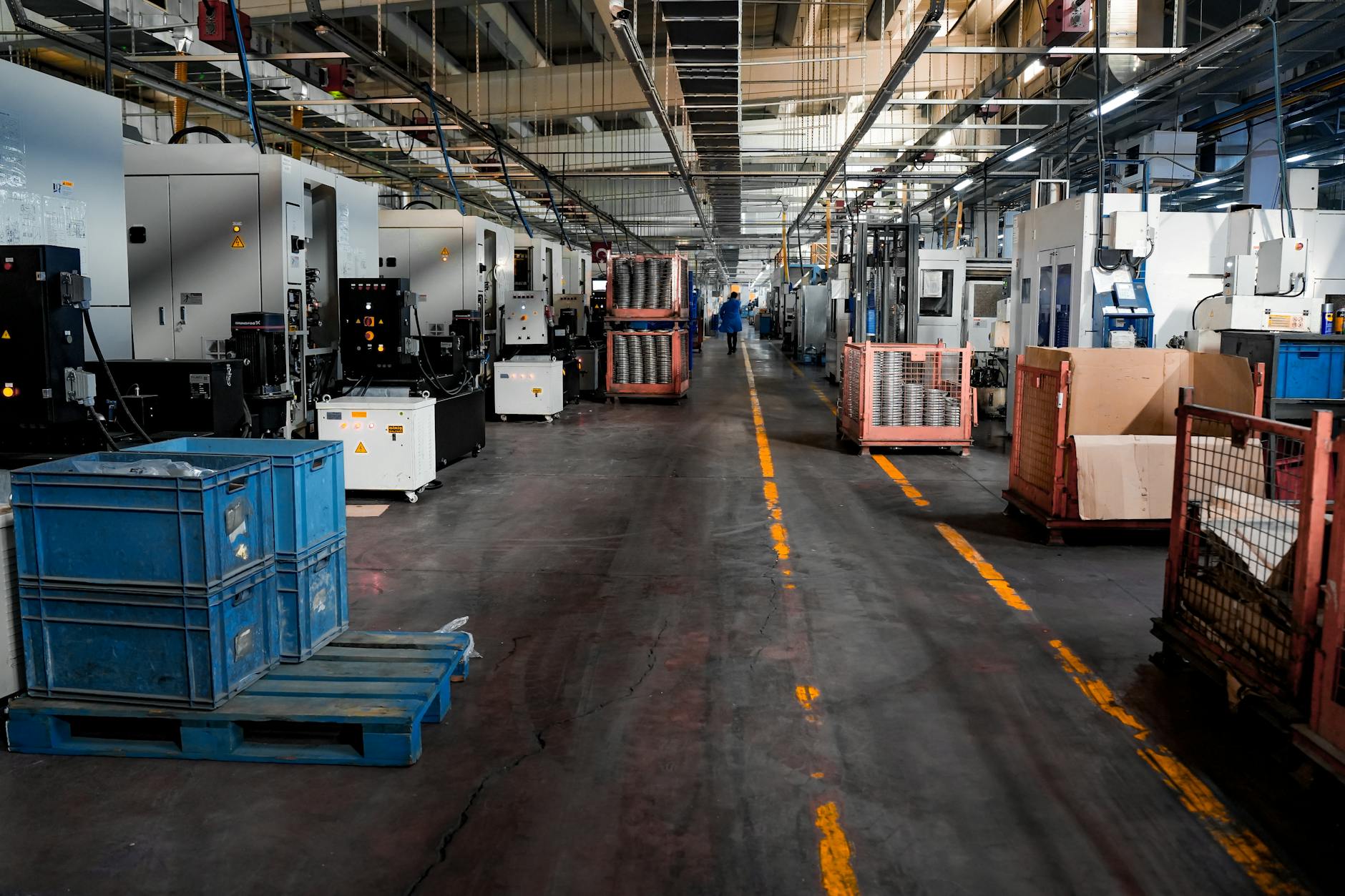
Deploying AMPX electric robots requires more software engineering overhead than purchasing a turnkey system. Organizations must invest in computer vision model training for their specific products, behavior planning software, and fleet management systems if deploying multiple units. The upside is that this integration cost buys flexibility: once the integration framework is in place, adding new tasks often means training new perception models or writing new behavior routines, not purchasing new hardware.
Integration timelines typically span 3-6 months from hardware delivery to stable production deployment, depending on task complexity and how well understood the integration vendor’s documentation is. A critical comparison point: traditional fixed automation can sometimes reach production in 4-8 weeks but demands extensive facility modifications and inflexible layouts. AMPX robots demand more upfront software work but don’t lock you into a specific facility design, allowing for iterative improvements and task reassignment as business needs evolve.
Limitations and Known Failure Modes
AMPX robots, like most current-generation collaborative and mobile automation platforms, struggle with unstructured environments and exceptions. When a product deviates slightly from the trained model—different packaging, unexpected damage, or unusual orientation—the robot’s perception system often fails silently or produces incorrect results. Human operators need to remain in the loop to catch and correct these errors, which undermines the efficiency gains that automation promises.
Battery management also presents practical constraints. In multi-shift or 24/7 operations, achieving continuous coverage requires either sufficient charging infrastructure and swapping between multiple robot units, or accepting downtime during battery charging. Cost-conscious operations sometimes attempt to extend runtime by reducing robot speed, but this diminishes the productivity advantage that justified the capital expense. Additionally, AMPX robots’ electric systems are sensitive to temperature extremes—thermal stress in uncontrolled warehouse environments can reduce battery life from the rated 3-5 years down to 18-24 months in worst cases.

Cost, ROI, and Comparative Economics
Capital costs for AMPX electric robot systems typically range from $150,000 to $400,000 per unit depending on configuration, manipulation complexity, and sensor suites. This is higher than fixed robotic arms on a per-unit basis, but lower than what you’d pay to engineer a custom mobile manipulation solution from components. Integration and training costs add another $100,000-$250,000, which means the all-in cost for a viable deployment sits in the $250,000-$650,000 range.
ROI calculations depend heavily on task structure. In high-repetition, standardized tasks (like automotive assembly), fixed robots deliver stronger ROI because the learning curve is minimal and the robot utilization rate remains high. In dynamic, variable-task environments (warehouses, contract manufacturing), AMPX’s flexibility offers value that’s harder to quantify but often critical for business resilience. A practical rule: expect 2-4 years to break even if the robot is allocated to a single task, or 3-5 years if the same hardware rotates between multiple roles.
The Future of Electric Robot Infrastructure
The trajectory for AMPX and similar electric robot platforms points toward greater autonomy in dynamic environments and better integration with cloud-based fleet management systems. Improvements in vision models and real-time AI inference are gradually expanding the envelope of tasks that mobile manipulation robots can handle without human intervention.
However, the fundamental challenges—handling exceptions, real-world variability, and recovery from failures—remain partly unsolved, which means that for the foreseeable future, electric robots like AMPX’s systems will operate best in settings where human oversight is feasible and where tasks have enough structure that exceptions occur predictably. Industry trends suggest increasing investment in robot-as-a-service models rather than outright purchase, which could lower the barrier to entry for organizations hesitant about committing capital to unproven deployments. Whether AMPX moves in this direction or remains a hardware-sale model will shape its competitive position as larger automation companies (ABB, Siemens, Techman) bring mobile and collaborative platforms to market.
Conclusion
AMPX electric robots function most effectively as foundational infrastructure tools in organizations that have the engineering capacity to integrate them and the task structures complex enough to justify that integration effort. They excel in scenarios where flexibility, reconfigurability, and the ability to pivot between tasks matter more than optimizing for a single, unchanging workflow. The hardware itself is capable, but the real constraint is on the software side: vision models, control algorithms, and fleet management systems that require ongoing refinement to extract full productivity.
Before deploying AMPX or similar electric robot platforms, conduct a detailed task analysis focused on exception cases and variability. If your operation is truly dynamic—if products, packaging, and workflows change frequently—electric robots can be transformative. If your needs are stable and highly repetitive, traditional fixed automation will likely deliver better economics. Prototype aggressively with pilot deployments before committing to a full fleet.