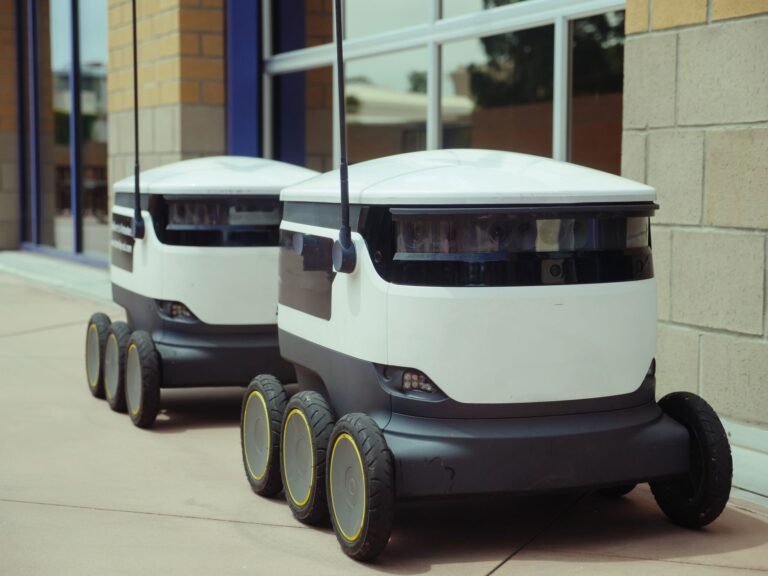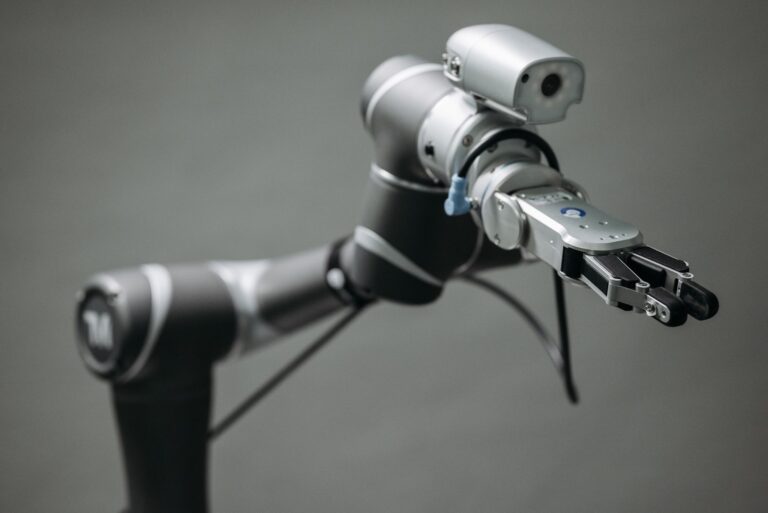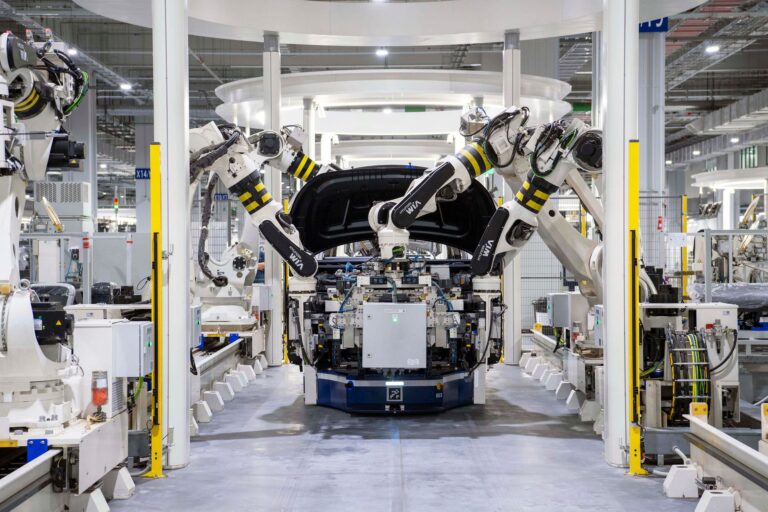

The picks and shovels approach to automation leadership means providing the foundational tools, platforms, and infrastructure that enable organizations to build, deploy, and manage automation solutions—rather than building the final automation systems themselves. Like merchants who profited during the gold rush by selling picks and shovels to miners, automation leaders following this model capitalize on the explosive growth of robotic process automation, industrial robots, and workflow systems by providing the essential building blocks that nearly every organization eventually needs. This strategy has proven more resilient and scalable than attempting to be all things to all customers. TER represents this picks and shovels philosophy applied to modern automation: a platform that doesn’t aim to be your complete automation solution but rather the infrastructure layer that makes everyone else’s automation work more effectively.
Instead of selling you a specific robot or pre-built workflow, TER focuses on the compatibility layer, integration engine, and orchestration backbone that connects disparate automation tools, legacy systems, and modern platforms—the unsexy but absolutely critical components that determine whether an organization’s automation investments actually pay off. Consider a large financial services firm trying to coordinate robotic process automation (RPA) bots, document processing systems, and traditional software applications. Rather than buying another monolithic platform, they need reliable connectivity and data flow between existing tools—that’s where a picks and shovels provider adds genuine value. The approach works because organizations are rarely willing to rip out existing investments; they need someone to help everything work together.
Table of Contents
- Why the Picks and Shovels Model Outpaces Direct Automation Competitors
- How Platform Depth Differentiates Picks and Shovels Providers
- Real-World Examples of Picks and Shovels Automation Delivery
- Implementation Strategy and Adoption Considerations
- Limitations of the Picks and Shovels Model in Automation
- Competitive Positioning in the Broader Automation Market
- Future Outlook for Picks and Shovels Automation Leadership
- Conclusion
Why the Picks and Shovels Model Outpaces Direct Automation Competitors
The picks and shovels model succeeds in automation because the market itself is fundamentally fragmented. No single automation platform can credibly claim to address every use case—from manufacturing floor coordination to back-office data processing to customer service workflows. Organizations adopt multiple automation technologies from different vendors and then face the real cost: integrating them. The company that solves integration becomes indispensable. Consider the market reality: an enterprise might use UiPath for RPA, a dedicated computer vision system for quality control, a traditional MES (Manufacturing Execution System) for production scheduling, and custom scripts for data transformation. Without a capable integration layer, these islands of automation create more problems than they solve—data doesn’t flow cleanly, timing becomes chaotic, and managers can’t see the full picture.
A picks and shovels leader captures value by solving this actually-painful problem rather than competing head-to-head with the specialized automation tools themselves, which is an exhausting and margin-destroying game. The advantage compounds because picks and shovels providers benefit from the success of their ecosystem partners. When UiPath sells more automation licenses, the need for better integration infrastructure grows automatically. When manufacturers deploy more industrial robots, the demand for orchestration platforms increases. Direct automation competitors, by contrast, often find themselves in zero-sum competition where someone else’s success is their loss. This fundamental difference in incentive alignment explains why infrastructure plays have historically maintained healthier margins and more predictable growth.

How Platform Depth Differentiates Picks and Shovels Providers
What separates a truly effective picks and shovels platform from a merely adequate one is depth of integration capability and reliability under pressure. TER and similar leaders distinguish themselves by supporting not just the obvious connections (bot-to-database, system-to-cloud) but the complex, edge-case integrations that take weeks to build manually. This includes handling unusual authentication schemes, managing API rate limits gracefully, providing data transformation without writing code, and logging everything thoroughly for debugging. However, the limitation of this approach deserves acknowledgment: picks and shovels providers are constrained by the need to support everything, which often means they can’t optimize as deeply for any single use case. A specialized RPA platform might have more sophisticated bot-building capabilities than TER’s orchestration layer can express, just as a dedicated IoT platform might handle industrial sensors more elegantly.
The tradeoff is breadth for depth, and organizations need to understand whether they’d rather have a tool that does one thing extraordinarily well or one that connects ten things adequately. The reliability and maintenance burden also shifts differently. When a picks and shovels platform breaks, it breaks broadly—potentially affecting dozens of downstream automation workflows simultaneously. Direct automation tools, by contrast, usually fail in isolation. This means infrastructure providers must invest heavily in redundancy, failover systems, and around-the-clock monitoring. It’s why the best picks and shovels platforms often look disproportionately expensive compared to point solutions; they’re bearing reliability costs that broader systems simply don’t face.
Real-World Examples of Picks and Shovels Automation Delivery
A healthcare organization faced a practical version of this challenge: they needed insurance claim data flowing from legacy mainframe systems into modern RPA workflows, which then needed to trigger document generation systems and populate updated records back into the mainframe. Attempting to hard-code these connections would have required custom development across three different technology stacks. A picks and shovels platform provided pre-built connectors for each system, graphical mapping for data transformation, and built-in handling for the mainframe’s quirky timing requirements. What might have taken six months of custom development got deployed in six weeks. Manufacturing represents another clear example.
A plant running both traditional CNC machines (with industrial IoT sensors) and newer collaborative robots needs to synchronize production schedules between the legacy MES, the robot controllers, and the plant floor sensors in real time. A general-purpose picks and shovels platform abstracts away the differences—the MES scheduler sees robots as just another resource to allocate, while the robots pull current work orders without caring that they’re coming from a forty-year-old mainframe. The alternative is custom middleware that becomes increasingly fragile as equipment changes. These aren’t marketing stories; they reflect the actual grinding reality of managing heterogeneous automation environments. Organizations don’t choose picks and shovels providers because the pitch is compelling—they choose them because the alternative (custom integration by scarce engineering talent) is worse.

Implementation Strategy and Adoption Considerations
Successfully deploying a picks and shovels automation platform requires different thinking than implementing a point solution. Rather than a “rip and replace” migration, implementation tends to be incremental—one integration at a time, each one proving value before the next is tackled. This staged approach actually becomes an advantage because it limits risk exposure and allows teams to develop real expertise rather than getting overwhelmed. The key practical consideration is team capability. Picks and shovels platforms typically require people who understand both integration concepts and the specific systems they’ll be connecting. Someone who only knows RPA tools might struggle with configuring database connectors or handling API authentication.
Successful adoption usually means either hiring engineers with broader systems integration background or investing in training existing automation teams. The tradeoff is clear: these platforms distribute more complexity across the organization, but in return, the organization becomes capable of solving problems without waiting for the platform vendor to release new features. Organizations should also consider their existing automation maturity. A company with a single RPA tool and straightforward workflows probably doesn’t need a sophisticated picks and shovels platform yet. But once they’re running more than two or three automation technologies, or managing more than fifty active bots, or trying to coordinate automation across multiple departments, integration becomes the binding constraint. At that inflection point, picks and shovels platforms shift from nice-to-have to essential.
Limitations of the Picks and Shovels Model in Automation
The picks and shovels approach has real limitations that organizations should understand before committing. The first is architectural complexity—the more systems you integrate through a central platform, the more that platform becomes a potential bottleneck or single point of failure. If a workflow depends on data flowing through multiple systems via the picks and shovels platform, and that platform has downtime, the entire workflow breaks. Organizations accustomed to point solutions that fail in isolation need to mentally adjust to distributed failure modes. The second limitation is vendor dependency.
Once you’ve built workflows that rely on TER or a similar platform’s connectors, migration to a different platform becomes expensive and risky. The proprietary nature of integration mappings, transformation logic, and connector-specific configurations creates stickiness that can work against you if the vendor’s direction diverges from your needs or if pricing becomes unfavorable. This is why contract negotiation and understanding the vendor’s long-term roadmap matters more with infrastructure providers than with point solutions. A third limitation is the adoption barrier for smaller organizations. The team skills required to operate a sophisticated integration platform successfully are more specialized than those needed to use a dedicated RPA tool. For small automation teams—particularly in smaller companies—this might mean a picks and shovels platform is overkill, and they’d be better served by more point solutions with simpler integration stories.

Competitive Positioning in the Broader Automation Market
Picks and shovels providers occupy a different competitive space than traditional automation vendors. Rather than trying to appeal to every customer segment, successful picks and shovels leaders position themselves as the essential infrastructure that everyone builds on top of. This positioning is increasingly valuable as automation becomes more widespread and organizations accumulate more diverse tools.
The market positioning advantage becomes clearer when you track who’s winning in adjacent areas. Companies that own the integration layer—think of what MuleSoft did in enterprise integration before Salesforce acquired it—often end up with more defensible market positions than vendors fighting in the point solution market where features rapidly commoditize. In automation specifically, as RPA matures and robot capabilities become more similar across vendors, the differentiation increasingly shifts to orchestration, integration, and the ability to manage automation at scale. That’s precisely where picks and shovels approaches dominate.
Future Outlook for Picks and Shovels Automation Leadership
The trajectory favors picks and shovels automation platforms. As organizations move beyond simplistic automation pilots toward integrated, enterprise-wide automation strategies, the need for robust orchestration and integration increases. The market is moving away from point solution thinking—”here’s our RPA tool”—toward platform thinking: “here’s our integrated automation architecture, with multiple tools coordinated through a common backbone.” Emerging areas reinforce this trend.
As organizations increasingly add AI/ML models to their automation workflows, they need smarter integration platforms that can route work dynamically based on ML predictions. As industrial robots become more prevalent alongside process automation, orchestrating across physical and digital systems requires exactly the kind of abstraction that picks and shovels providers specialize in. The next phase of automation maturity, in other words, is about integration depth, and that’s precisely where this model delivers value.
Conclusion
TER and similar picks and shovels automation leaders succeed because they focus on the problem that’s hardest to solve and most universally needed: making disparate automation technologies work together reliably at scale. Rather than competing in the crowded market for dedicated automation tools, they provide the infrastructure layer that makes every other tool more valuable. This isn’t the flashy part of automation, but it’s increasingly the essential part.
Organizations evaluating automation platforms should recognize this distinction. If you’re just starting your automation journey with a single tool, point solutions make sense. But if you’re coordinating multiple automation technologies across different departments, or you expect to keep adding new tools over time, picks and shovels infrastructure becomes less of a luxury and more of a necessity—not because it’s marketed well, but because it solves a genuinely difficult problem that grows more pressing as organizations scale their automation ambitions.