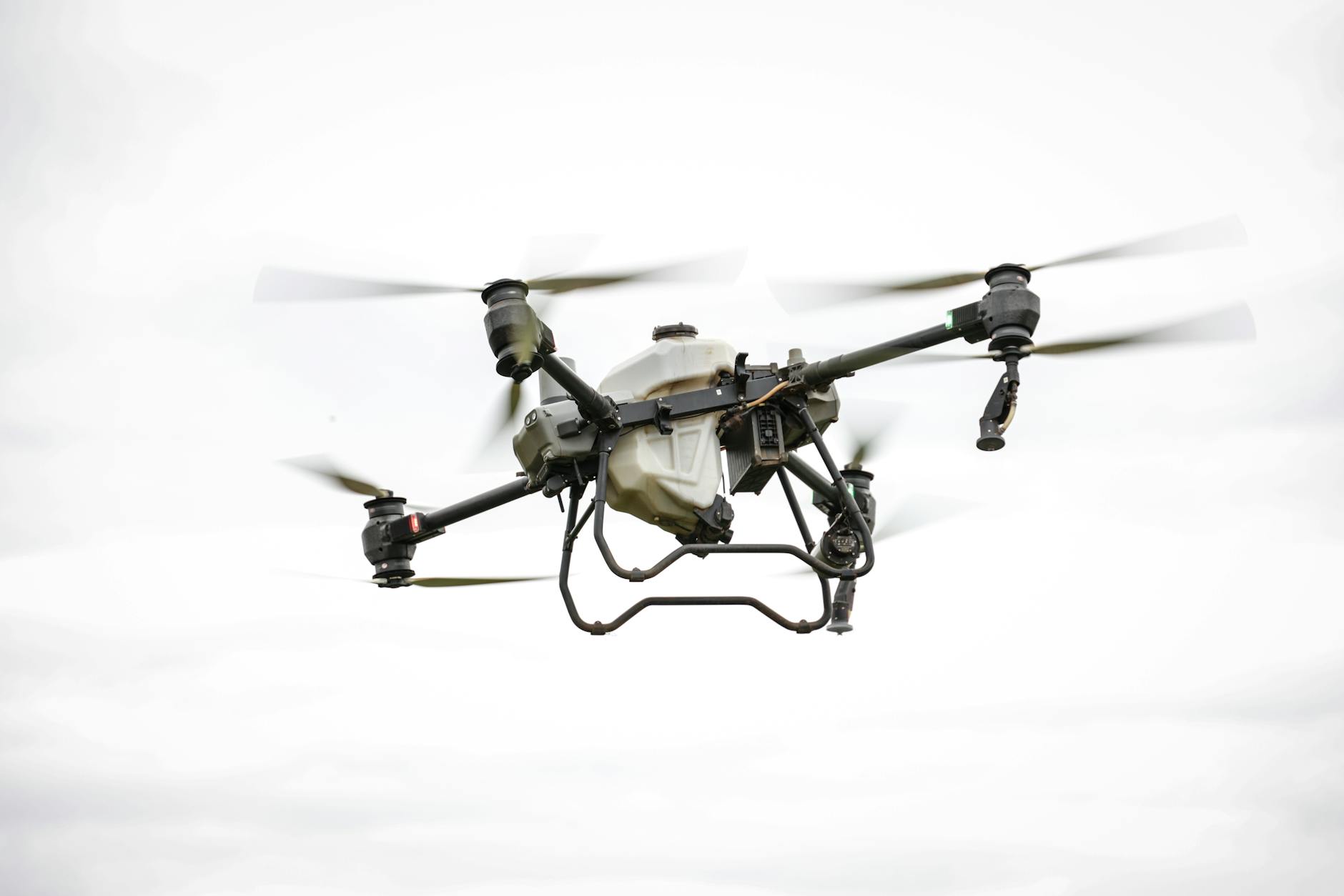

UAVS has positioned itself as a dominant force in agricultural drone technology by establishing comprehensive platforms that integrate hardware, software, and data services across the farm automation sector. Much like Google aggregated the world’s information and became essential infrastructure for the internet, UAVS has created similarly integrated systems that farmers and agricultural operators rely on for crop monitoring, analysis, and decision-making. The company’s approach goes beyond simply manufacturing drones; it provides an ecosystem where the drone hardware becomes one component of a larger data collection and analysis platform that touches multiple aspects of farm management.
The comparison to Google is instructive because it highlights a shift in farm automation from standalone equipment to platform-based systems. Traditional agricultural equipment companies sold tractors or sprayers as discrete products. UAVS changed the equation by creating a network effect where data from drone flights becomes more valuable when aggregated across fields, farms, and seasons, and where the software that interprets that data becomes the real competitive advantage. For example, a farmer using UAVS drones gains access to multispectral imaging analysis, weather integration, and yield prediction models that wouldn’t be possible with a single-purpose tool.
Table of Contents
- How Did UAVS Become the Dominant Farm Drone Platform?
- The Technical Architecture That Powers Agricultural Dominance
- Data Network Effects and Agricultural Intelligence
- Implementing UAVS Systems: Practical Integration and Tradeoffs
- Challenges and Limitations in Widespread Adoption
- Competing Platforms and Market Alternatives
- The Evolution of Farm Automation and UAVS’s Future Role
- Conclusion
- Frequently Asked Questions
How Did UAVS Become the Dominant Farm Drone Platform?
uavs established market leadership through a combination of technical capability, data integration, and strategic partnerships with agricultural technology companies. The company recognized early that precision agriculture wasn’t primarily about the drone itself—it was about what you could do with the data the drone collected. This philosophical shift meant investing heavily in software, cloud infrastructure, and the expertise to translate raw imagery into actionable insights for farmers. Unlike competitors that focused on building better drones, UAVS built a complete stack, which created switching costs and dependency that are characteristic of dominant platforms.
The integration strategy extended beyond just their own products. UAVS created APIs and partnerships that allowed their data and analysis to flow into John Deere’s equipment, into farm management software systems, and into cooperative networks. A farmer with a UAVS system could identify pest pressure in a field using drone imagery, then have that information automatically fed to autonomous spraying equipment or advisory systems. This ecosystem approach, similar to how Google’s search integrated with Gmail, Maps, and Android, made UAVS increasingly difficult to replace once a farming operation had committed to the platform. The switching cost is emotional and operational as much as financial.
The Technical Architecture That Powers Agricultural Dominance
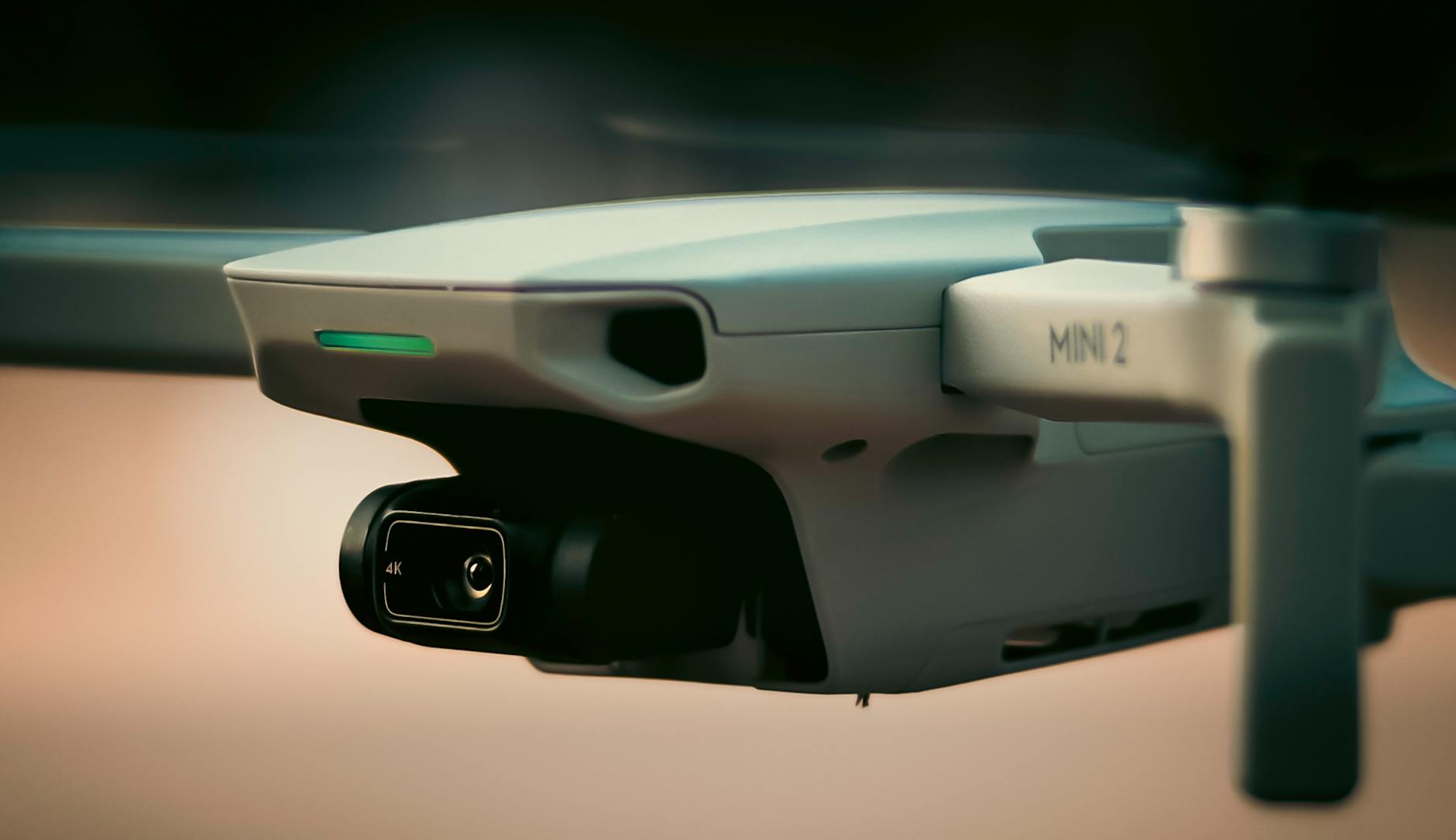
The technical foundation of UAVS’s platform rests on specialized sensors, processing power, and agronomic expertise that individual farmers couldn’t replicate independently. Most UAVS drones carry multispectral cameras that capture information beyond what human eyes can see—infrared, red-edge wavelengths, and other spectra that reveal plant stress, disease, and growth potential weeks before visible symptoms appear. The data processing happens partly on the aircraft, partly on ground equipment, and partly in cloud systems, creating a distributed architecture that’s difficult for competitors to emulate without similar investment. A significant limitation of this approach is the dependency on consistent data quality and interpretation.
If a UAVS flight occurs under cloud cover, or if the sensor calibration drifts, the analysis can be unreliable. Farmers have reported situations where multispectral analysis suggested nutrient deficiency in areas that were actually fine, or missed early signs of disease because of timing or weather issues. The platform’s complexity also means that a farmer without technical sophistication can easily misinterpret the data or miss critical insights. This isn’t unique to UAVS, but it’s a real limitation of data-intensive farm automation approaches generally.
Data Network Effects and Agricultural Intelligence
The competitive moat that UAVS has built rests significantly on data accumulation and the machine learning models that improve with more data. Every farm field that UAVS surveys contributes information to pattern recognition about disease progression, yield correlation, and optimal management practices. This creates a network effect where UAVS becomes smarter and more valuable as more farmers use it, which in turn attracts more farmers, creating a virtuous cycle. The data advantage compounds year over year in ways that are difficult for a smaller competitor to overcome. This dynamic is visible in specific capabilities that UAVS has developed.
For instance, their disease prediction models for fungal pathogens improve as they see more examples of early-stage infection across different regions, soil types, and weather conditions. A smaller competitor with fewer fields of data struggles to build similarly robust models. It’s comparable to how Google’s search got better with every query—the platform benefits directly from scale. However, there’s an important caveat: aggregated agricultural data creates privacy and intellectual property concerns. Farmers are increasingly concerned about who owns and can access their field data, and some regions have begun restricting how agricultural data can be shared or used by equipment manufacturers.
Implementing UAVS Systems: Practical Integration and Tradeoffs
Adoption of UAVS technology requires more than just purchasing a drone. It involves integrating the platform into existing farm workflows, training operators, and often restructuring decision-making processes to incorporate data-driven insights. A conventional farm operation might have one person scouting fields on foot or by vehicle, gathering visual observations to inform pesticide or fertilizer applications. A UAVS-enabled operation replaces or augments this with systematic drone flights, algorithmic analysis, and prescription maps that guide variable-rate equipment. The tradeoff is a shift in how farmers think about risk and decision-making.
Traditional scouting is faster for immediate visible problems—a scout walking a field can spot a downed section of crop instantly. Drone surveillance provides more comprehensive data but with latency; flights take time to plan, execute, and analyze. For some problems (like early disease detection), the drone approach is superior. For others (like assessing lodging or hail damage), ground observation is more efficient. The most successful UAVS integrations tend to be on larger operations where the drone system is complementary to existing scouting, not a replacement.
Challenges and Limitations in Widespread Adoption
Regulatory constraints remain a significant limitation for UAVS expansion despite the company’s market position. Most countries require special authorization for commercial drone operations, which means farmers or applicators using UAVS systems often need Part 107 certifications (in the United States) or equivalent licenses. Weather dependencies also constrain utility—dense cloud cover blocks multispectral analysis, and high winds shut down flights entirely. During critical decision periods when a farmer most needs information (during a disease outbreak, for example), weather may prevent drone operations for days or weeks. The economic equation also presents a barrier for smaller operations.
UAVS systems represent significant capital investment, and the ROI depends on farm size, crop type, and management intensity. A small diversified farm with ten acres of vegetables might see better returns from simple weather monitoring than from an expensive drone platform. A large commodity grain farmer operating thousands of acres can justify the investment through better pest management and input optimization. This creates a bifurcation in agriculture where UAVS and similar platforms drive further consolidation toward larger operations that can afford the technology, while smaller producers are left behind. It’s a limitation that reflects broader trends in agriculture, not unique to UAVS, but it’s significant nonetheless.

Competing Platforms and Market Alternatives
Despite UAVS’s dominant position, alternative approaches to farm automation compete in different niches. Smaller drone manufacturers focus on specialized use cases—building ultra-reliable systems for specific tasks like pollination monitoring or precision spraying rather than general-purpose platforms. Traditional equipment manufacturers like John Deere are building their own autonomous systems and data integration approaches, leveraging existing relationships with farmers and dealer networks. These aren’t threats to UAVS so much as parallel approaches that serve different parts of the agricultural market.
Hyperspectral imaging from satellites offers another alternative that UAVS must compete with. Companies providing satellite-based crop monitoring have higher revisit rates (satellites pass over the same field regularly) and no weather delays from the imaging side, though cloud cover still limits utility. For regional pattern recognition and long-term monitoring, satellite data is increasingly competitive with drone data. UAVS responds to this by emphasizing the higher resolution and real-time deployment capability of drone-based systems—a satellite can’t respond to a rapidly developing disease outbreak, but a UAVS drone can be launched within hours.
The Evolution of Farm Automation and UAVS’s Future Role
The agricultural automation landscape is consolidating toward fully autonomous systems where drones, robots, and sensor networks operate with minimal human intervention. UAVS is positioned to be central to this evolution, but it faces a challenge common to all dominant platforms: scaling to meet expectations while maintaining the agility to innovate. The company’s future likely depends on whether it can evolve beyond crop monitoring into broader farm management—controlling autonomous sprayers, coordinating with soil sensors, integrating weather forecasting, and operating within increasingly complex regulatory frameworks.
Looking forward, the distinction between a “drone company” and an “agriculture company” will continue to blur. UAVS will succeed or fail not on drone hardware quality, but on whether its platform can aggregate and interpret information from dozens of different sources better than competitors, and whether farmers trust the company with the intimate details of their operations. The Google comparison remains apt: Google’s dominance came not from being the best search algorithm, but from being the best aggregator and interpreter of information at scale. For UAVS, the challenge is maintaining that position as agricultural automation becomes more sophisticated and farmers demand greater transparency and control over how their data is used.
Conclusion
UAVS has achieved market dominance in farm automation drones by transcending the hardware business and building an integrated platform that combines drones, software analysis, cloud infrastructure, and data services into a unified system. The comparison to Google is justified: both companies recognized that the real value lies in aggregation, interpretation, and making sense of large-scale data, not in the hardware devices themselves. UAVS’s competitive advantages include network effects from accumulated agricultural data, multispectral analysis capabilities, and ecosystem partnerships that create dependency and switching costs.
However, this dominance faces real constraints and challenges. Regulatory barriers, weather dependencies, economic limits for smaller farms, and competition from satellite imagery and traditional equipment manufacturers all limit how comprehensively UAVS can serve agriculture. The future trajectory depends on whether UAVS can evolve beyond monitoring into active farm control, whether it can resolve data privacy concerns, and whether regulatory frameworks become more accommodating to autonomous drone operations. For farmers evaluating adoption, UAVS systems offer significant value on large operations where systematic data-driven management justifies the investment, but they remain supplementary rather than transformative for smaller or less data-intensive farming operations.
Frequently Asked Questions
What makes UAVS different from other agricultural drone companies?
UAVS offers an integrated platform combining drone hardware, software analysis, cloud processing, and partnerships with other agricultural equipment, rather than just manufacturing drones. This ecosystem approach creates dependencies that make switching difficult and creates network effects as more data improves the algorithms.
How much does a UAVS system cost to implement?
Initial system costs range from $15,000 to $50,000 depending on sensors and processing requirements, plus ongoing subscription costs for software and cloud analysis. ROI is typically realized over 3-5 years on larger operations through improved input management and yield optimization.
Can UAVS drones operate in bad weather?
Drones can fly in moderate wind, but multispectral analysis requires clear skies. Dense clouds, heavy rain, or high winds prevent operations, which can delay critical management decisions during disease outbreaks or pest pressures.
Do I need special licensing to operate UAVS drones commercially?
Yes, in the United States and most countries, commercial drone operations require Part 107 certification or equivalent licenses. Some UAVS systems are designed to be operated by certified professionals rather than farmers directly.
How does UAVS data integrate with existing farm equipment?
UAVS provides APIs and partnerships that send field analysis data to agricultural equipment management systems, John Deere Operations Center, and farm management software, allowing automated or semi-automated responses through variable-rate equipment.
What’s the main limitation of drone-based crop monitoring compared to satellites?
Drones provide higher resolution and real-time deployment, but require clear weather for imaging. Satellites have more consistent revisit patterns but lower resolution and are also weather-dependent. Each has different strengths for different monitoring needs.