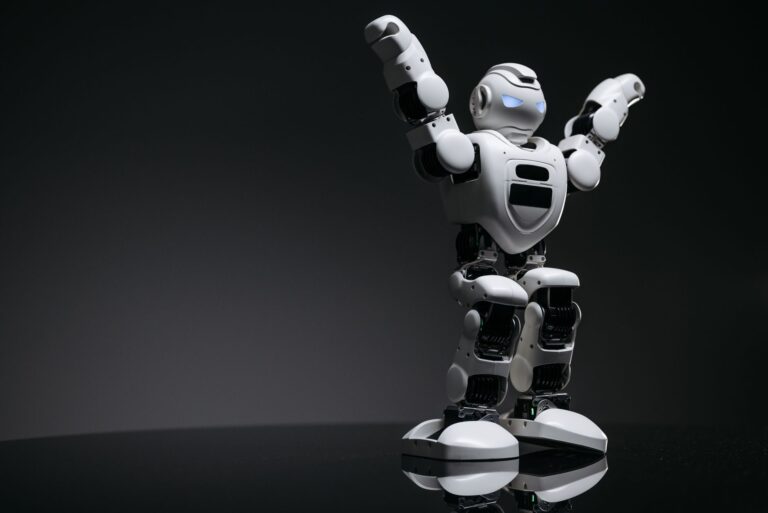

Open source software functions as the foundational infrastructure of embedded robotics computing in much the same way Google dominates search—it’s the default starting point, the platform everyone builds upon, and the system that makes discovery and development possible at scale. From ROS (Robot Operating System) to Linux-based embedded distributions, OSS has become so deeply embedded in robotics development that most commercial robots, industrial automation systems, and autonomous platforms rely on open source components at their core. The difference between the early 2000s and today isn’t whether roboticists use OSS—it’s which projects they choose and how they integrate them. Consider Tesla’s Autopilot stack: while Tesla develops proprietary machine learning models, the underlying real-time operating system, driver frameworks, and sensor processing pipelines rest on open source foundations. Similarly, collaborative robots from companies like Universal Robots and ABB run on Linux kernels and use open source libraries for motion control, perception, and communication protocols.
This isn’t a niche advantage anymore; it’s the accepted baseline of how embedded robotics systems are built. The question teams face now is not whether to use OSS, but how to use it responsibly while maintaining security, performance, and long-term viability. The dominance of OSS in this space emerged out of necessity rather than ideology. Robotics hardware varies enormously—from microcontroller-based systems to multi-core ARM processors—and no single vendor can provide the breadth of tools, libraries, and frameworks needed to support all these configurations. Open source filled that gap by enabling distributed development across academia, industry, and hobbyists. That diversity of contributors, combined with transparent codebases and no licensing fees, made OSS the natural choice for resource-constrained projects and made it possible for robotics to become an industry rather than remaining a laboratory curiosity.
Table of Contents
- Why Open Source Software Became Essential to Robotics Development
- The Hidden Costs and Integration Challenges of Open Source Robotics
- Real-World OSS Solutions Powering Industrial and Autonomous Robots
- Choosing and Managing OSS Dependencies in Robotics Projects
- Security, Maintenance, and the Supply Chain Risk Challenge
- The Community and Ecosystem Advantage
- The Future of Open Source in Embedded Robotics
- Conclusion
Why Open Source Software Became Essential to Robotics Development
The robotics industry adopted open source not because it was fashionable but because proprietary ecosystems were fragmenting the market. In the early 2000s, every robotics platform came with its own real-time OS, proprietary middleware, and incompatible sensor drivers. A developer working with KUKA robots couldn’t easily reuse code for ABB systems, and academic researchers couldn’t access the source code needed to extend functionality for their specific problems. This fragmentation made robotics expensive and slow to innovate. ROS addressed this directly by providing a vendor-neutral middleware layer with open source tools for visualization, simulation, message passing, and driver development. Once ROS gained traction around 2010, it became the standard framework for research robotics and eventually for commercial applications. The critical insight was that robotics developers don’t compete on basic motion control or sensor drivers—they compete on the algorithms and applications running on top.
By making the infrastructure open, the ecosystem could move faster and iterate more efficiently. Competitors like Willow Garage, which created ROS, could profit from services and consulting rather than fighting for licensing fees. Linux itself exemplifies this pattern at a lower level. Embedded robots rarely use proprietary real-time operating systems anymore; they run variants of Linux designed for low latency and resource constraints (Xenomai, PREEMPT-RT, QNX). Linux provides stable, predictable performance across vastly different hardware—from Raspberry Pi-based hobbyist robots to industrial robots with multiple processors. The cost savings alone justify the choice, but the real advantage is the ability to port existing software stacks across different hardware generations without complete rewrites. A robot company can upgrade from one processor architecture to another without losing compatibility with tested, production-ready software.
The Hidden Costs and Integration Challenges of Open Source Robotics
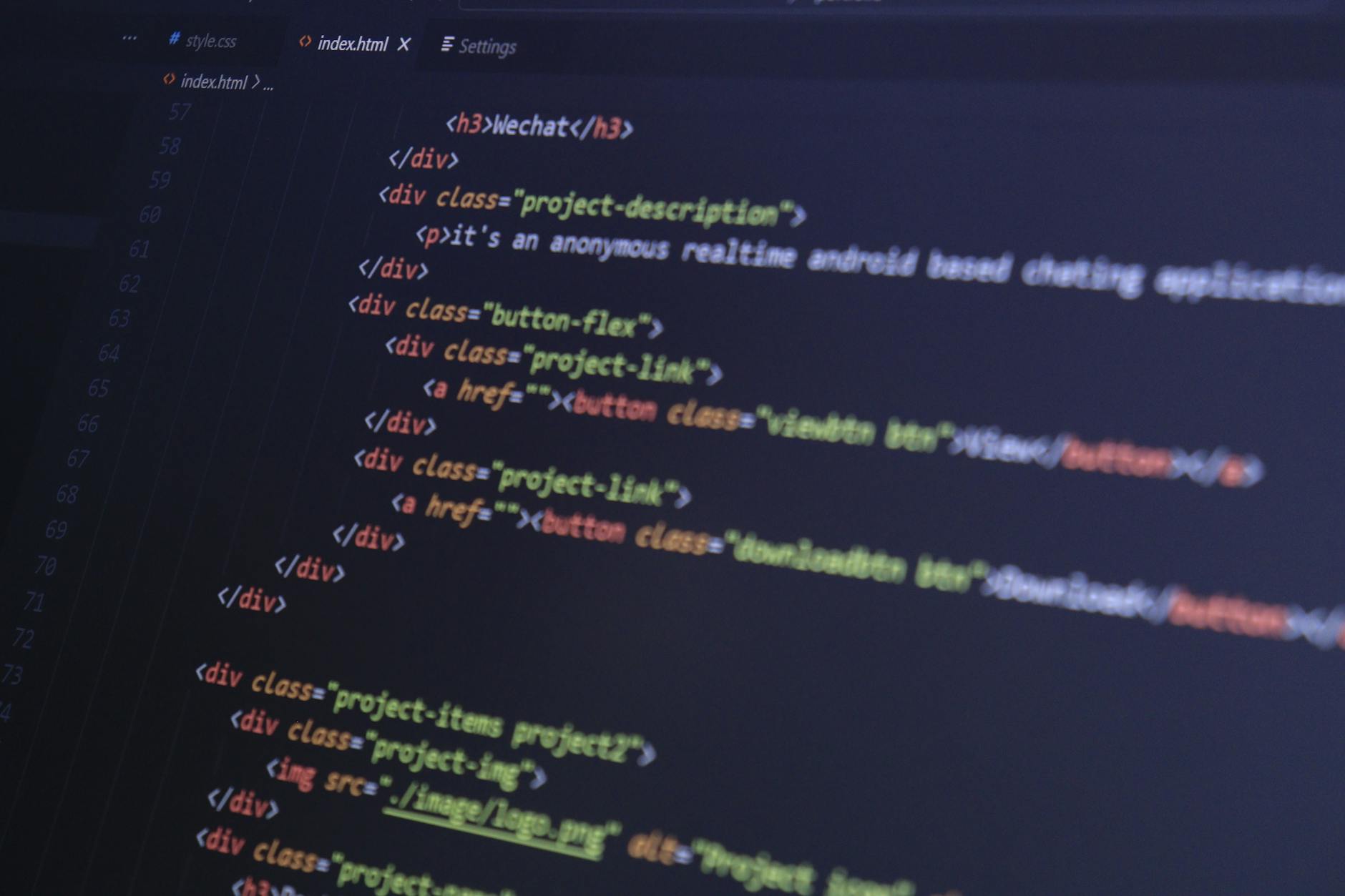
While OSS eliminates licensing costs, teams often discover that “free” software carries substantial integration expenses. Combining multiple open source projects—a real-time Linux kernel, ROS middleware, OpenCV for vision, Eigen for linear algebra, custom drivers for proprietary hardware—requires careful engineering to ensure components play well together. Version compatibility issues are common. A robotics team might find that upgrading ROS to access new features breaks compatibility with an existing sensor driver, or that switching from ROS1 to ROS2 requires rewriting significant portions of their control logic. These hidden integration costs frequently exceed the cost of a proprietary licensing agreement. Maintenance is another substantial hidden cost. When you license enterprise software, you have a vendor responsible for security patches, bug fixes, and technical support. With OSS, that responsibility lands on your team.
If a critical vulnerability is discovered in OpenSSL (used in many robotic communication stacks), your team must identify affected systems, apply patches, test the changes, and push updates across your entire deployed fleet. For robotics systems in production environments—industrial arms in factories, mobile robots in warehouses—downtime for updates is expensive. Some robotics companies maintain full-time teams just to track, patch, and maintain their OSS dependencies. The sustainability question poses a real long-term risk. Open source projects succeed or fail based on community contributions, and community attention is fickle. A robotics framework with 100 active developers one year might have five the next. When a core OSS project loses momentum, teams face a choice: invest in maintaining a legacy codebase themselves, rewrite their systems on a newer platform, or risk shipping robots with obsolete, unpatched software. This isn’t theoretical—several early ROS packages were deprecated when maintainers moved on, leaving companies with working but unsupported code. Evaluating project health and commitment timeline is essential before making architecture decisions around an OSS framework.
Real-World OSS Solutions Powering Industrial and Autonomous Robots
ROS has become the default middleware for research and most collaborative robot platforms, but successful robotics implementations use a diverse stack of open source components. GAZEBO, an open source 3D robotics simulator, allows teams to test algorithms in software before deploying to physical hardware—saving months of expensive testing cycles. In autonomous vehicles, software stacks like Apollo (from Baidu) and Autoware run on open source perception libraries, sensor fusion algorithms, and decision-making frameworks. These projects don’t hide their underlying architecture behind closed source walls; they publish their approaches and accept community contributions. Smaller robotics teams and hobbyists rely heavily on open source hardware descriptions paired with open source software. Arduino-compatible microcontroller boards with open source bootloaders power countless robotics projects, from simple obstacle-avoiders to complex multi-sensor autonomous vehicles.
The accessibility of this combination—you can understand every layer from firmware to application code—makes it invaluable for education and experimentation. Universities teaching robotics rely on open source to avoid expensive licensing per student, and the transparency helps students understand how real systems are built. The perception and vision pipelines in modern robots are almost entirely OSS-based. OpenCV, the open source computer vision library, is used in visual odometry, object detection, and navigation systems across thousands of deployed robots. PCL (Point Cloud Library), also open source, processes 3D sensor data from depth cameras and LiDAR. These weren’t created by robotics companies—they emerged from academic research communities and proved so valuable that they became industry standards. A commercial robotics company using proprietary vision algorithms would face years of development to match the breadth and maturity of OpenCV, making the OSS approach economically mandatory rather than optional.
Choosing and Managing OSS Dependencies in Robotics Projects
Adopting open source in robotics requires deliberate strategy rather than grabbing whatever tools seem useful. Teams need to evaluate project maturity, community size, release cadence, and long-term viability. A small, single-maintainer project might be perfectly good for a research prototype but represents unacceptable risk for production systems shipping to customers. Established projects like Linux, ROS, OpenCV, and Eigen have demonstrated multi-year stability and maintain active contributor communities, making them safer for long-term commitments. Smaller, specialized libraries for specific sensors or algorithms might be optimal for particular use cases but should be treated as internal responsibilities rather than external dependencies where possible. Version pinning and containerization practices are essential for managing complexity.
Rather than always upgrading to the latest versions of all OSS components, successful robotics teams lock versions for production systems and validate updates in staging environments before deployment. Docker containers and similar technologies allow packaging a verified configuration of OS, libraries, and application code together, ensuring that a robot built and tested with specific versions continues to behave predictably when deployed. This isn’t unique to OSS, but the diversity and rapid change in open source ecosystems makes versioning discipline particularly important. Contributing back to open source projects you depend on is often overlooked but strategically valuable. When your team fixes a bug in an underlying library or adds support for a new sensor, contributing those changes upstream eliminates the burden of maintaining a fork and helps ensure the project remains healthy. Companies like Boston Dynamics and Universal Robots contribute patches and improvements to open source projects they depend on—not out of pure altruism, but because maintaining internal versions of heavily-used libraries is expensive. By investing in the ecosystem, they reduce their own long-term costs and help ensure the projects they rely on remain viable and well-maintained.
Security, Maintenance, and the Supply Chain Risk Challenge
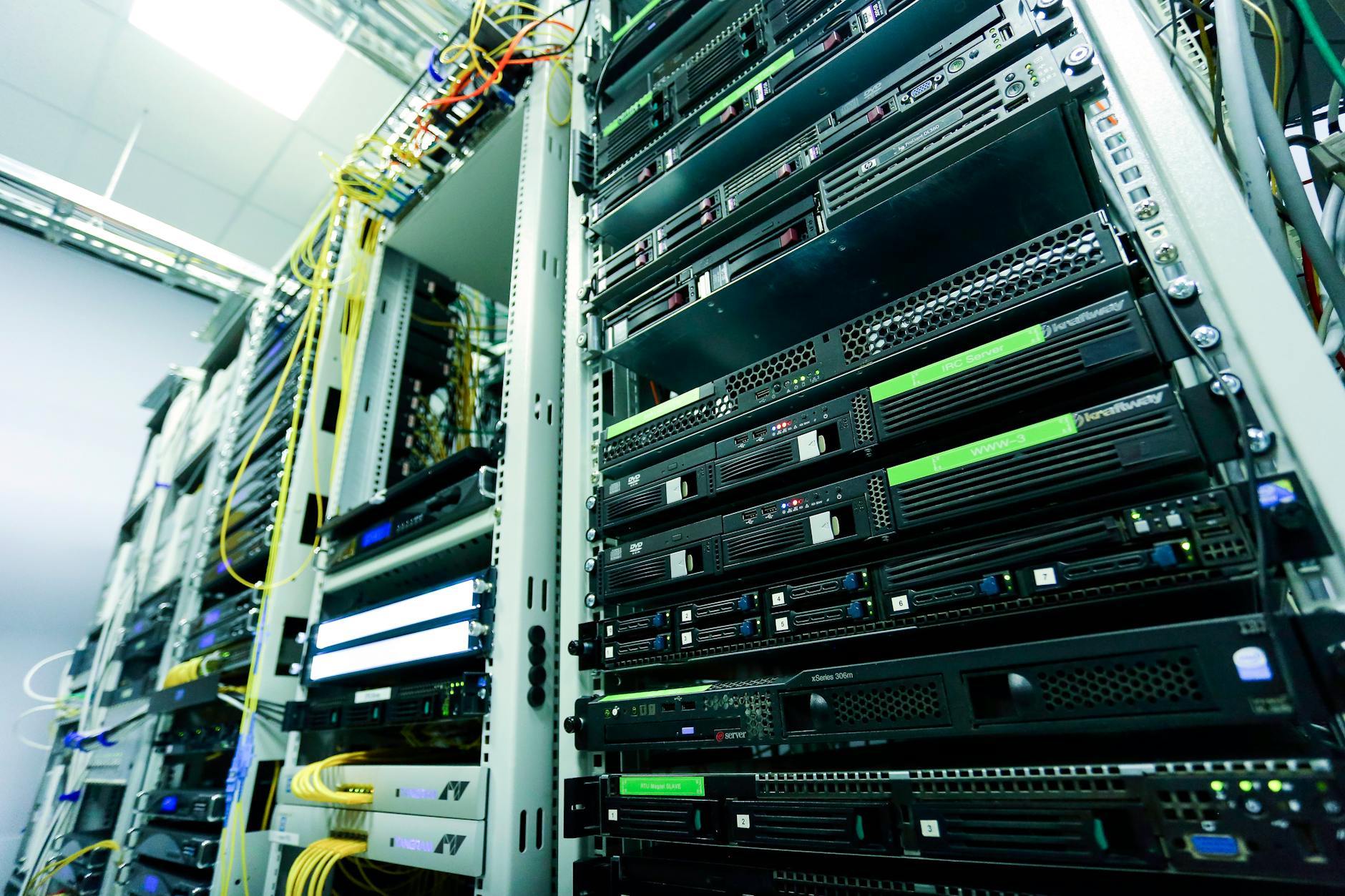
Security vulnerabilities in open source components pose unique challenges in robotics. A vulnerability in a ROS message serialization library or in OpenSSL doesn’t just affect one application—it potentially affects every robot running that software. Unlike traditional software, robots can’t always be patched easily. An industrial robot integrated into a factory production line can’t be shut down for security updates on the production schedule of upstream open source projects. Teams must maintain awareness of security advisories, maintain the capability to test and build updated versions, and coordinate deployment across distributed fleets of robots. The “supply chain” problem in OSS is particularly acute in robotics. Modern robots depend on dozens of open source projects, each of which depends on dozens more.
A vulnerability deep in the dependency tree—perhaps in a compression library used by a logging framework—can propagate across the entire ecosystem. Teams should use tools like SBOM (Software Bill of Materials) generation and dependency scanning to understand what’s actually running on their robots. Without visibility into your full dependency tree, security and maintenance becomes reactive rather than proactive. Addressing this requires a maintenance program with dedicated resources. Large robotics companies maintain “BSP” (Board Support Package) teams that track security updates, manage patches, and maintain compatibility matrices for their deployed hardware. Mid-sized companies might contract with third-party support providers. Smaller teams should at minimum establish a process for monitoring security advisories for their core dependencies and testing updates regularly. The risk of a critical vulnerability forcing emergency patches or temporary robot shutdowns grows as deployment scales, making proactive maintenance a cost-effective investment.
The Community and Ecosystem Advantage
One of the most underappreciated advantages of OSS in robotics is the community and knowledge sharing it enables. Because the code is open, engineers from competing companies can study how problems were solved, contribute improvements, and build on each other’s work. ROS workshops, robotics conferences, and online forums are filled with discussions about best practices, solved problems, and emerging approaches. This collective intelligence accelerates innovation across the industry—if one robotics team solves a difficult sensor calibration problem, other teams can learn from or adapt their solution rather than each solving it independently.
The ecosystem also reduces engineering risk through peer review and stress-testing. When a framework like ROS is used by thousands of teams across diverse applications, edge cases and bugs are discovered quickly. An error in motion planning logic or a race condition in multi-threaded sensor fusion code gets exposed and fixed because many teams are using the same code and pushing it to its limits. A proprietary system might harbor the same bug indefinitely because only a handful of teams encounter it. The transparency and diversity of the open source community provides a form of quality assurance that proprietary development alone rarely achieves.
The Future of Open Source in Embedded Robotics
The trajectory is clear: open source will deepen its dominance in robotics computing. As robots become more autonomous, more connected, and more diverse in application, no single company can provide all the necessary tools and frameworks. The competitive differentiation in robotics will increasingly shift toward algorithms, applications, and proprietary domain knowledge rather than foundational infrastructure. Companies that understand how to effectively build on OSS—selecting components wisely, maintaining them responsibly, and contributing improvements back—will move faster and with lower costs than those trying to maintain proprietary stacks.
The emerging challenge is not whether to use OSS but how to govern it responsibly at scale. Robotics companies are establishing OSS policies, security review processes, and maintenance programs because the stakes are high. A bug in consumer software affects users temporarily; a bug in deployed robots can cause physical damage or harm. This maturation—treating open source as critical infrastructure requiring oversight rather than free utilities—represents the industry growing up. The teams best positioned for the next decade will be those that embrace OSS as a strategic advantage while investing in the discipline, security practices, and community engagement needed to use it safely.
Conclusion
Open source software has become so foundational to embedded robotics computing that dismissing it is not an option—only how well you integrate, maintain, and govern it matters. From real-time Linux kernels to ROS middleware to perception libraries, OSS provides the shared infrastructure that makes the robotics industry possible at current scales and costs. The dominance is not going away; if anything, it will deepen as robotics becomes more complex and diversity in hardware and applications increases.
The path forward requires pragmatism: choose stable, well-maintained OSS projects for critical components; establish clear maintenance and security practices; understand your full dependency tree; and contribute back where you can. Companies treating OSS as a cost to be minimized will struggle. Those treating it as a strategic platform they actively maintain and improve will build more reliably, scale more efficiently, and ultimately deliver better products. The “Google of embedded robotics computing” isn’t a corporation—it’s the collective infrastructure of open source, and success in modern robotics means learning to work effectively within it.